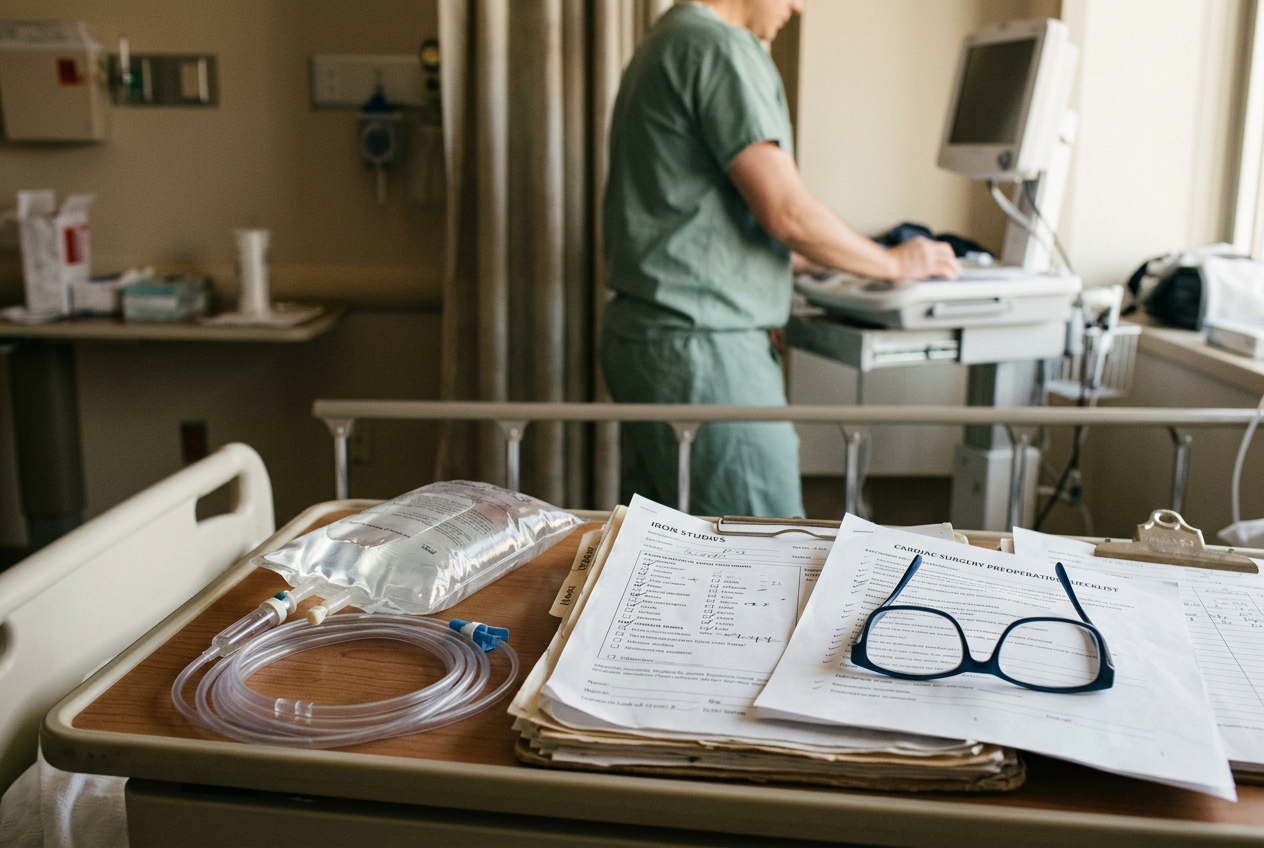
Arizona’s First Heart Transplant Using ‘Heart In A Box’ Perfusion
A recent transplant at an Arizona medical center became the state’s first to use a cutting edge “heart-in-a-box”
 Written and medically reviewed byDr. Abu BakarContributing writer · PharmD, PhD (Pharmacology)
June 27, 2026 · 7 min read
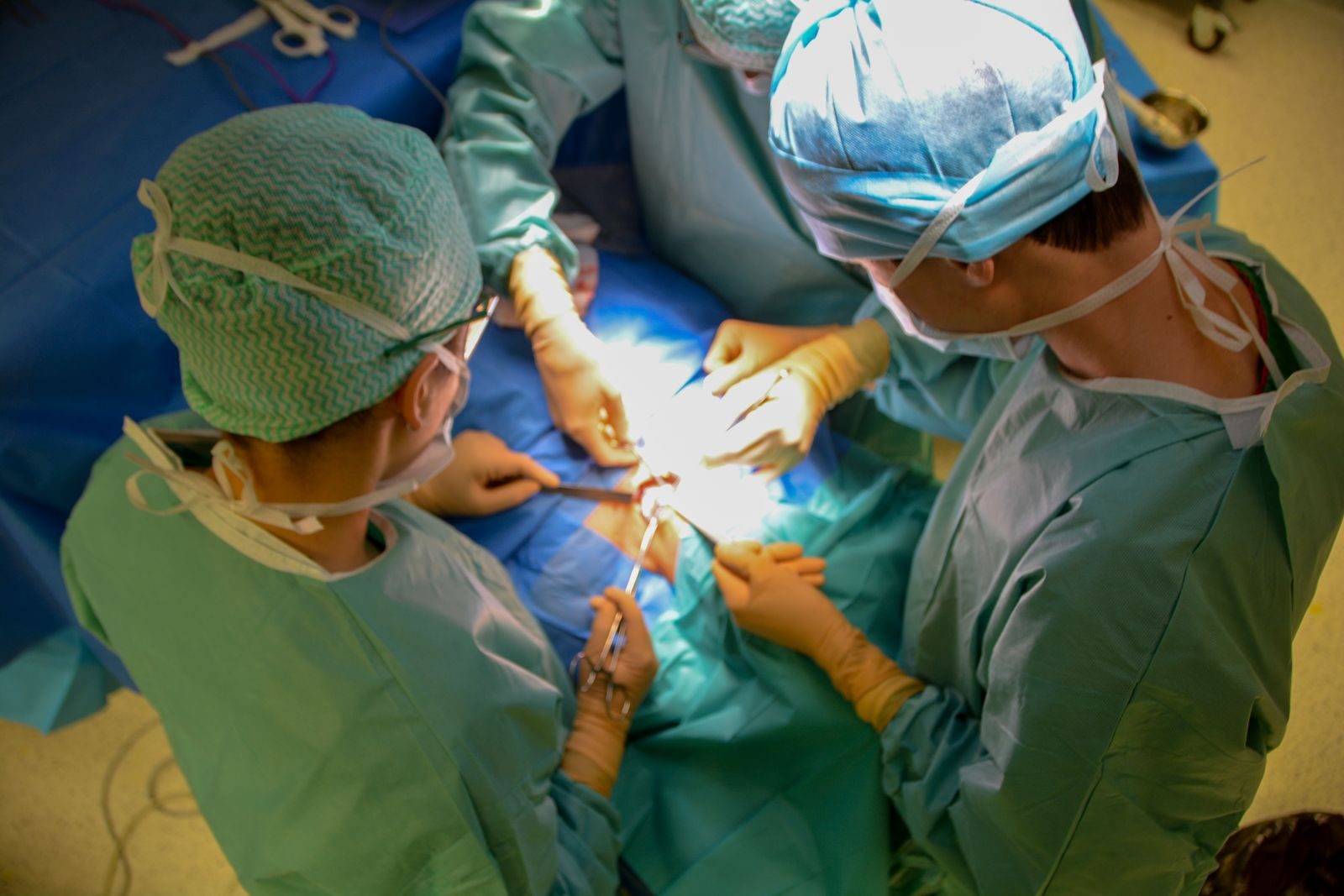
A recent transplant at an Arizona medical center became the state’s first to use a cutting edge “heart-in-a-box” perfusion system. In this procedure, surgeons kept a donated heart warm and beating outside the body during transport, extending its usable life well beyond the traditional hours on ice. This innovation represents a practical shift in how surgeons preserve and evaluate donor hearts: it not only lengthens the window for transplant surgery but also lets doctors assess and even improve donor heart function. This pioneering procedure hints at major changes ahead, potentially benefiting many more patients as perfusion technology spreads.
Why It Matters
Heart failure is one of the major causes of death, and transplantation remains the only way out for many end stage heart failure patients. However, the number of people requiring new hearts far exceeds the number of available donors. There are thousands of people waiting to get heart transplants and many do not make it. To give you an idea, approximately 3,000 heart transplants are carried out in the United States each year; however, this is much less than the number of patients requiring heart transplants.
Traditionally, donor hearts were quickly packed on ice and had to be implanted within about 3–5 hours. With machine perfusion, a donor heart is connected to a portable pump filled with warm, oxygenated blood. This system can maintain the heart outside the body for 6–12 hours or more, far longer than before, allowing surgeons to reach distant donors and to handle unexpected delays in surgery. The perfusion platform also allows real time evaluation of the organ. Instead of guessing on ice, the transplant team can watch the heart beat, measure pressures and flows, and test metabolic markers to judge its fitness. This matters because many hearts were previously rejected due to unknown risks during cold transport. Early reports show that organs once considered marginal such as those from older donors or after circulatory death can perform well after transplant. For example, initial studies suggest that hearts from donation after circulatory death donors preserved on the machine have survival rates similar to standard donors. These findings hint that perfusion could safely expand the donor pool.
Who It Affects
Patients on the transplant waitlist stand to benefit most. Those in rural or underserved areas may get more offers because distance is less limiting. Patients who are very ill such as those on ventricular assist devices or other life support might receive a “revived” donor heart when they would otherwise wait longer or not at all. For example, someone living hours from a transplant center could get a heart flown in from another state because the organ’s preservation time is extended by perfusion.
Clinicians andsurgical teams will also face changes. Transplant surgeons, perfusionists and coordinators must learn new steps: setting up and starting the machine in the donor hospital, monitoring the heart in transit, and interpreting the device’s real-time data. Operating-room staff will adapt schedules knowing that organs could arrive outside the usual cold-ischemia deadline. Cardiologists and anesthesiologists must stay alert to slightly different post-op needs, since these hearts have a unique history of external perfusion support.
Training programsfor transplant teams will need updates. Education will include the mechanics of the new device and how to coordinate care between retrieval and implant teams. Perfusion technology may soon become part of standard transplant fellowship curricula in leading centers.
Hospitals andhealth systems must plan for extra resources. The perfusion device console and its single-use kits (oxygenator, tubing, solution, etc.) are costly — on the order of 30,000–60,000 per use. Hospitals will need dedicated space and logistics to run these machines, effectively creating a mini ICU for the heart. Smaller centers may struggle to adopt the technology without outside funding or partnerships. How insurance covers perfused transplants is still evolving: some centers are already negotiating with insurers or government programs to cover these cases.
Organ allocationorganizations and regulators will take note as well. Perfused hearts can travel long distances, potentially shifting how donations are shared across regions. Allocation policies may need revision to maintain equity — for example, ensuring local patients still have fair access when hearts come from farther away. Transplant registries will begin tracking perfused transplant outcomes, and policymakers will watch for any unintended consequences. Everyone from patients to insurers will be touched by this change.
What Changes
- More donor hearts may be usable. Machine perfusion rescues hearts that would previously be discarded because of long travel times or marginal status. This can boost transplant numbers without increasing donor supply. In fact, studies suggest that hearts preserved on perfusion, even from older or higher-risk donors have survival rates comparable to conventionally preserved hearts. Clinicians report cases where hearts once thought unsuitable were successfully transplanted after being conditioned on the device.
- Geography matters less. With perfusion, long transports become feasible. Teams can accept hearts after 6–12 hours of travel, effectively expanding the donor catchment area nationwide. Some programs have seen their donor radius expand from a few hundred miles to over a thousand or more. This helps fill regional shortages and gives patients a much wider pool of donors to consider.
- Logistics and staffing shift. Procurement teams now include trained perfusionists or staff to operate the device. During retrieval, one team member sets up the perfusion system on-site, and often that person travels with the heart in an ambulance or plane. Operating-room schedules become more flexible, since the organ remains supported until implant. This process adds complexity to coordination, but it also gives transplant teams more time and options.
- Costs and reimbursement become central. The technology requires significant investment in equipment, disposables and personnel. Hospitals will weigh whether the benefits (like shorter wait lists or fewer emergency transports) justify these costs. Some centers will push insurers or transplant networks to cover perfusion. Future funding models might tie reimbursement to demonstrated improvements in outcomes or efficiency.
- Clinical decision-making evolves. Transplant teams will rely on new metrics to judge organ quality (like lactate clearance, coronary flow or heart contractility on the machine) instead of just donor age or total ischemic time. A heart that performs well on the perfusion device may be accepted where it would have been declined before. Patients offered a perfused heart will be told it was tested and “met all our criteria.” Providers will still watch for graft dysfunction after surgery, but may tailor post-operative care based on the data from the device.
- Machine perfusion is part of a broader shift toward active organ preservation. The idea is intuitive: supporting a heart’s metabolism outside the body buys time and information. Early adopters are refining protocols and collecting outcome data. Regulators and payers will demand evidence that perfusion improves survival or cost-effectiveness, and results from ongoing trials and registries will be crucial in guiding future use.
- There are trade-offs to acknowledge. The perfusion device isn’t a magic fix. It adds cost and complexity to each transplant. Not every patient will need it — a local donor on ice still works fine in many cases. Transplant teams must be honest with patients: a perfused heart may come with slightly different risks than a standard one. But having more donor hearts available often outweighs those concerns, especially for patients at high risk of deteriorating on the waitlist.
- For patients and families, the change may be palpable. Some patients might get matched weeks or months sooner, thanks to organs that travel farther or come from alternative donors. Others may need reassurance: seeing a “heart-in-a-box” data sheet can be confusing. Transplant counselors should explain that perfusion allows doctors to see the heart beating before surgery, which can increase confidence in its health. As always, decisions should be shared: patients should understand both the promise and any uncertainties of this new technology.
- The rise of perfusion in Arizona and beyond also raises ethical and policy questions. If only large centers adopt it, could disparities grow? To mitigate this, the transplant community must share data and best practices so more centers can implement safely. Allocation policies should be reviewed to keep things fair when organs travel longer distances. Transparent reporting of outcomes will ensure that the entire community sees whether this technology truly benefits patients.
- Arizona’s milestone transplant is a promising step. It shows that machine perfusion can work in practice, bringing more donor hearts to patients in need. The true measure of success will come in the months and years ahead: how many more lives are saved, how smoothly the logistics adapt, and whether this innovation becomes standard care. For now, the focus is on a thoughtful rollout — learning from early cases, educating healthcare teams and families, and making sure this “heart-in-a-box” lives up to its potential.
References
- Mayo Clinic. First-in-state transplant using “heart in a box” perfusion system performed at Mayo Clinic in Arizona. Mayo Clinic. 2022. Available from: https://www.mayoclinic.org/medical-professionals/transplant-medicine/news/first-in-state-transplant-using-heart-in-a-box-perfusion-system-performed-at-mayo-clinic-in-arizona/mac-20541703 [\[mayoclinic.org\]](https://www.mayoclinic.org/medical-professionals/transplant-medicine/news/first-in-state-transplant-using-heart-in-a-box-perfusion-system-performed-at-mayo-clinic-in-arizona/mac-20541703)
- U.S. Department of Health and Human Services, Health Resources and Services Administration. Detailed Description of Data: Organ Donation Statistics. organdonor.gov. 2024. Available from: https://www.organdonor.gov/learn/organ-donation-statistics/detailed-description [\[organdonor.gov\]](https://www.organdonor.gov/learn/organ-donation-statistics/detailed-description)
- U.S. Food and Drug Administration. Organ Care System (OCS) Heart System – P180051/S001. FDA. 2022. Available from: https://www.fda.gov/medical-devices/recently-approved-devices/organ-care-system-ocs-heart-system-p180051s001 [\[fda.gov\]](https://www.fda.gov/medical-devices/recently-approved-devices/organ-care-system-ocs-heart-system-p180051s001)
- Joshi Y, Villanueva J, Gao L, Hwang B, Zhao C, Doyle A, et al. Donation After Circulatory Death: A New Frontier. Current Cardiology Reports. 2022. Available from: https://pmc.ncbi.nlm.nih.gov/articles/PMC9747832/ [\[pmc.ncbi.nlm.nih.gov\]](https://pmc.ncbi.nlm.nih.gov/articles/PMC9747832/)
One story a day
The story of the day, in your inbox
One health journey each morning — no advice, no alarm, just company for the road.