
Cardiology
A 2026 meta-analysis estimated 32% lower odds of major cardiovascular events with semaglutide. The result supports cardiovascular benefit discussions but requires context on heterogeneity, absolute risk and indication.
Dr. Abu Bakar · 6 min read
Endocrinology & Metabolism
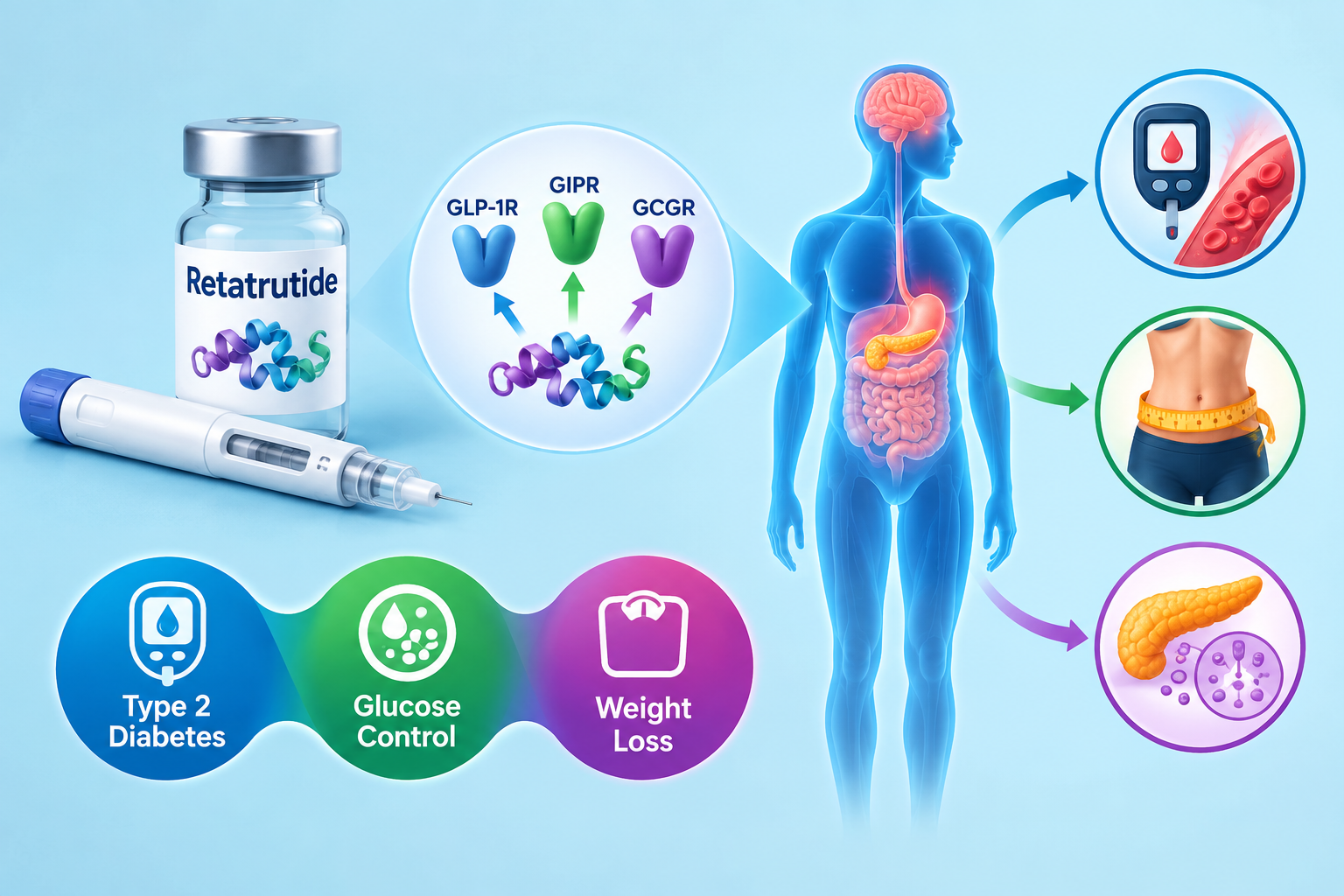
In a randomized trial, retatrutide monotherapy lowered glycated hemoglobin and body weight in adults with type 2 diabetes inadequately controlled by diet and exercise.
Dr. Abu Bakar · 6 min read
Endocrinology & Metabolism
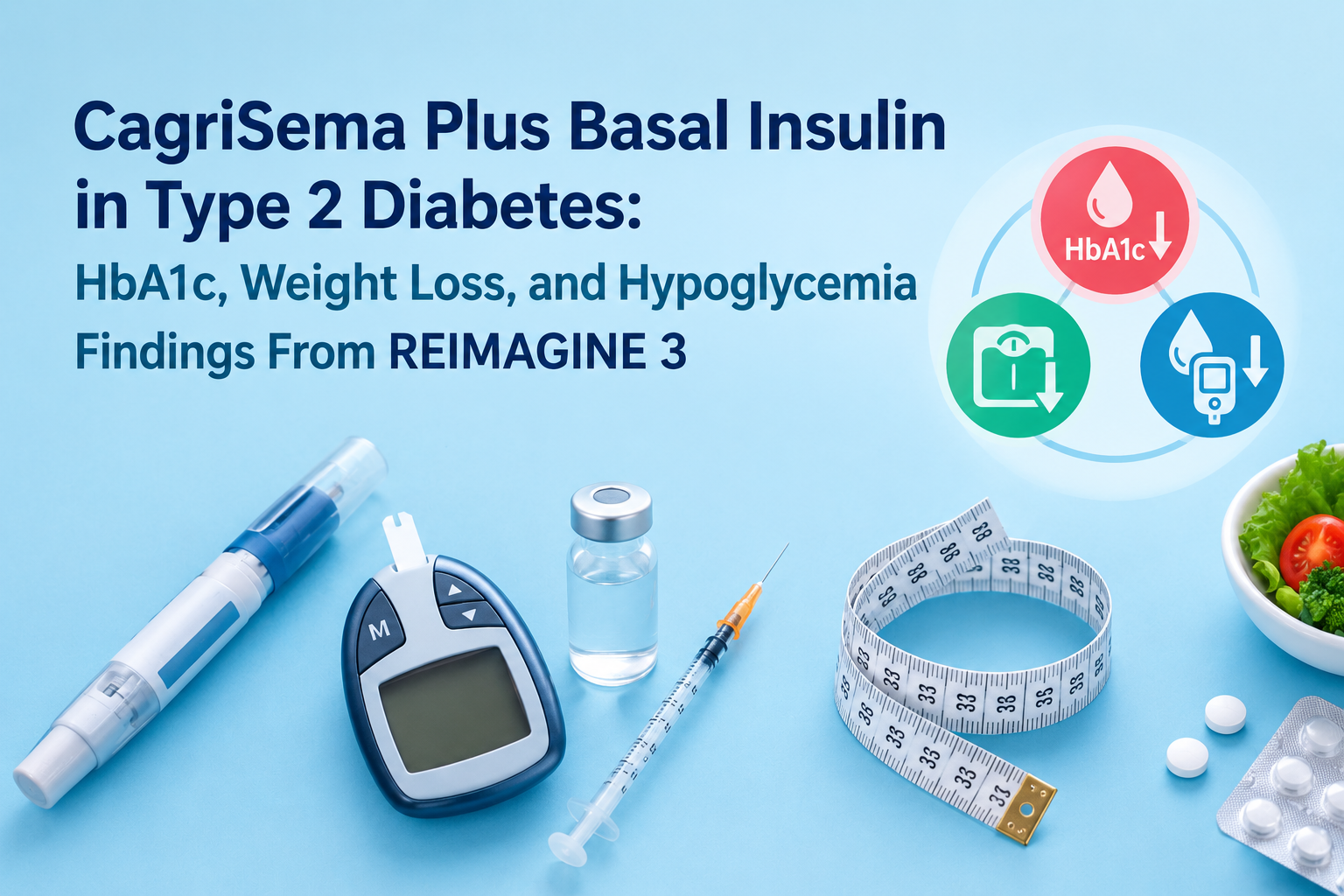
REIMAGINE 3 found glycemic and weight benefits when cagrilintide-semaglutide was added to basal insulin in adults with type 2 diabetes. Hypoglycemia remains central to interpreting treatment escalation.
Dr. Abu Bakar · 6 min read
Cardiology
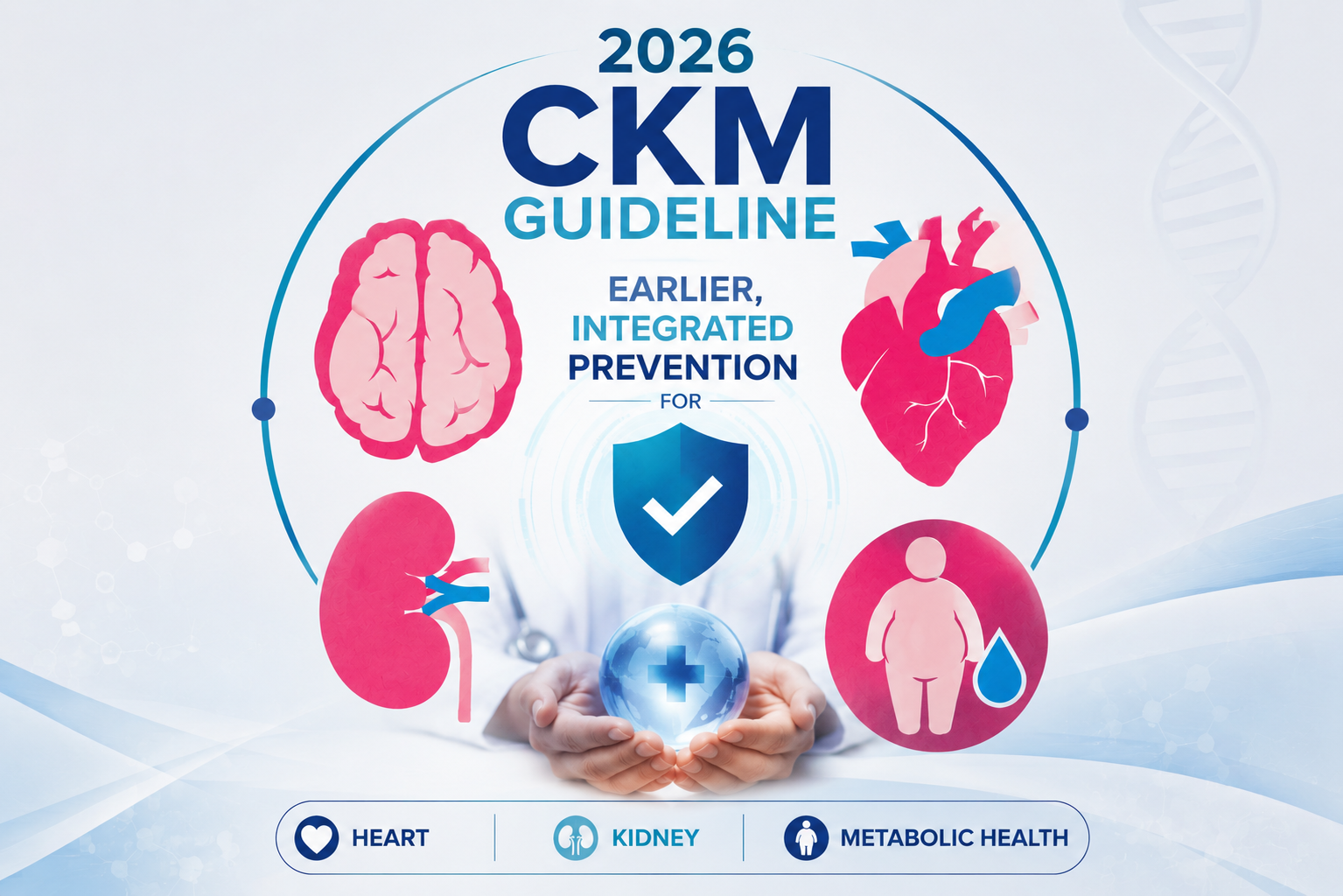
The 2026 CKM guideline calls for earlier, integrated prevention when cardiovascular, kidney and metabolic risks coexist, with action spanning primary care, endocrinology, nephrology and cardiology.
Dr. Abu Bakar · 7 min read

Endocrinology & Metabolism
The FDA has approved revised labeling for OTC orlistat (alli) warning of rare acute kidney injury, bringing kidney-risk messaging into line across US orlistat products.
Rayan Salih · 6 min read

Cardiology
The 2026 multisociety guideline defines a unified pathway for evaluating cardiovascular, kidney and metabolic risk, particularly when disease or risk factors overlap.
Rayan Salih · 7 min read

Endocrinology & Metabolism
Tirzepatide reduced apnea severity and body weight in adults with obesity and moderate-to-severe obstructive sleep apnea, supporting FDA approval with or without ongoing positive airway pressure therapy.
Egbavwe Pela · 7 min read

Endocrinology & Metabolism
Alcohol Use Disorder (AUD) represents one of the most persistent public health crises in modern medicine, driving severe
Rayan Salih · 9 min read

Oncology
The metabolic landscape of oncology is rapidly evolving, driven by an expanding understanding of how systemic metabolic dysfunction
Rayan Salih · 8 min read

Endocrinology & Metabolism
The rapid adoption of glucagon-like peptide-1 receptor agonists (GLP-1 RAs) has fundamentally transformed the management of type 2
Rayan Salih · 8 min read

Cardiology
GLP-1 agonist drugs (like semaglutide or liraglutide) have become common choices for treating obesity and type 2 diabetes….
Dr. Abu Bakar · 7 min read

Endocrinology & Metabolism
The biopharmaceutical industry is undergoing a structural realignment that will directly shape clinical practice, formulary designs, and treatment
Rayan Salih · 7 min read

Mental & Behavioral Health
The GLP-1 receptor agonist is an agent used for the management of type 2 diabetes mellitus and body
Dr. Abu Bakar · 7 min read

Endocrinology & Metabolism
The Trump administration has formally announced a delay of the Medicare Part D implementation of the Center for
Rayan Salih · 13 min read

Neurology
Research to treat Alzheimer’s and other neurodegenerative diseases has been largely focused on removal of amyloid-beta plaques and
Rayan Salih · 10 min read

Endocrinology & Metabolism
Background: Central obesity is an emerging public health concern in Botswana with high prevalence among adults.
Dr. Abu Bakar · 12 min read

Cardiology
There is an ever increasing epidemic of obesity amongst African American women, already disproportionately affected by high rates
Dr. Abu Bakar · 12 min read

Endocrinology & Metabolism
As obesity medications become a routine component of clinical practice, individualized therapy has emerged as the central guiding
Rayan Salih · 7 min read

Endocrinology & Metabolism
There has been a “miracle drug” renaissance in recent years with a new generation of weight loss and
Dr. Abu Bakar · 15 min read

Endocrinology & Metabolism
The US Food and Drug Administration (FDA) completed labeling updates for Eli Lilly’s Zepbound (tirzepatide), a first-in-class combination
Rayan Salih · 4 min read

Cardiology
Due to the current benefit design, patients with obesity, diabetes and other related conditions are experiencing avoidable harm
Dr. Abu Bakar · 16 min read

Innovation & Devices
Incretin agonists, including the GLP-1 receptor agonists and the dual incretin tirzepatide, are redefining our understanding of obstructive
Dr. Abu Bakar · 11 min read

Endocrinology & Metabolism
With MHT again in the headlines on both benefits and risks for women, we’ll review the basics and
Rayan Salih · 3 min read

Endocrinology & Metabolism
Gut Linco Peptide-1 (GLP-1) medications have found a new “lease of life” as potential weight loss treatments.
Dr. Abu Bakar · 9 min read

Endocrinology & Metabolism
In recent years, several new medications for obesity and diabetes have entered the market, promising significant health benefits….
Rayan Salih · 8 min read
Questions clinicians ask
- What outcomes beyond weight loss are being studied with GLP-1 receptor agonists in patients with obesity?
- The briefs describe potential cardiovascular benefits and associations with fewer alcohol-related hospitalizations, lower breast cancer risk, and less worsening of mental health. Neurologic applications are also under investigation, but these broader uses vary in evidentiary maturity and should not be considered established class-wide effects.
- What happens to body weight after patients stop GLP-1 medications for obesity?
- Real-world evidence summarized in the briefs shows weight regain after GLP-1 discontinuation, although the observed regain was modest. This finding reinforces obesity as a chronic condition and highlights the importance of considering treatment durability when evaluating outcomes.
- Does menopausal hormone therapy affect weight loss with tirzepatide in postmenopausal women?
- The covered evidence suggests that menopausal hormone therapy may be associated with greater weight loss during tirzepatide treatment. Applicability is limited to postmenopausal women, and the finding does not establish that hormone therapy should be initiated specifically to enhance weight loss.
- How should clinicians individualize incretin-based obesity pharmacotherapy?
- The briefs emphasize matching therapy to comorbidities, treatment goals, tolerability, access, and coverage rather than using a single preferred approach for all patients. Gastrointestinal adverse effects, cardiovascular considerations, concurrent diabetes or obstructive sleep apnea, and the likelihood of sustained access can materially affect treatment selection and persistence.