Obesity Severity and BP Patterns in African American Women
There is an ever increasing epidemic of obesity amongst African American women, already disproportionately affected by high rates
 Written and medically reviewed byDr. Abu BakarContributing writer · PharmD, PhD (Pharmacology)
March 11, 2026 · 12 min read
There is an ever increasing epidemic of obesity amongst African American women, already disproportionately affected by high rates of hypertension and cardiovascular disease. The impact of severity of obesity on blood pressure in this group has not been examined previously. Greater obesity was associated with greater blood pressure variability, increased prevalence of resistant and nocturnal hypertension, which differed from standard clinical blood pressure measurements and clinical judgment. Accurate assessment and management of cardiovascular disease risk in this population may require more effective screening tools, enhanced blood pressure measurement protocols, and tailored treatment strategies.
Why It Matters
Two of the most common and modifiable risk factors for a variety of serious diseases are obesity and raised blood pressure (hypertension). Both conditions have a tendency to be self-reinforcing; having a few extra pounds can push blood pressure up, and high blood pressure can in turn make it harder to lose weight. There are several mechanisms by which being overweight will increase blood pressure: the increased circulating blood volume, the increased afterload placed on the heart, increased levels of “stress” hormones like cortisol, the increased low-grade inflammation, and the altered sodium handling by the kidneys. Importantly, the degree to which being overweight will increase blood pressure appears to rise as the level of overweight increases.
Blood pressure numbers tell only part of the story; the pattern of blood pressure over the day can also predict risk for cardiovascular disease, even in people with normal blood pressure. Some people have “masked hypertension” in which their blood pressure is elevated at home but in the clinical setting it is reported as normal. Others may have greater variability of blood pressure between measurements on different days. A particular pattern of blood pressure that has gained attention in recent years is the “non-dipper”. Non-dippers are people in whom the overnight decrease in blood pressure characteristic of most people does not occur. Non-dipping is associated with a number of risk factors, notably obesity, and factors that promote obesity such as sleep-disordered breathing, poor sleep, stress and changes in metabolism. People who are non-dippers have an increased risk of developing cardiovascular disease and its effects on the kidneys.
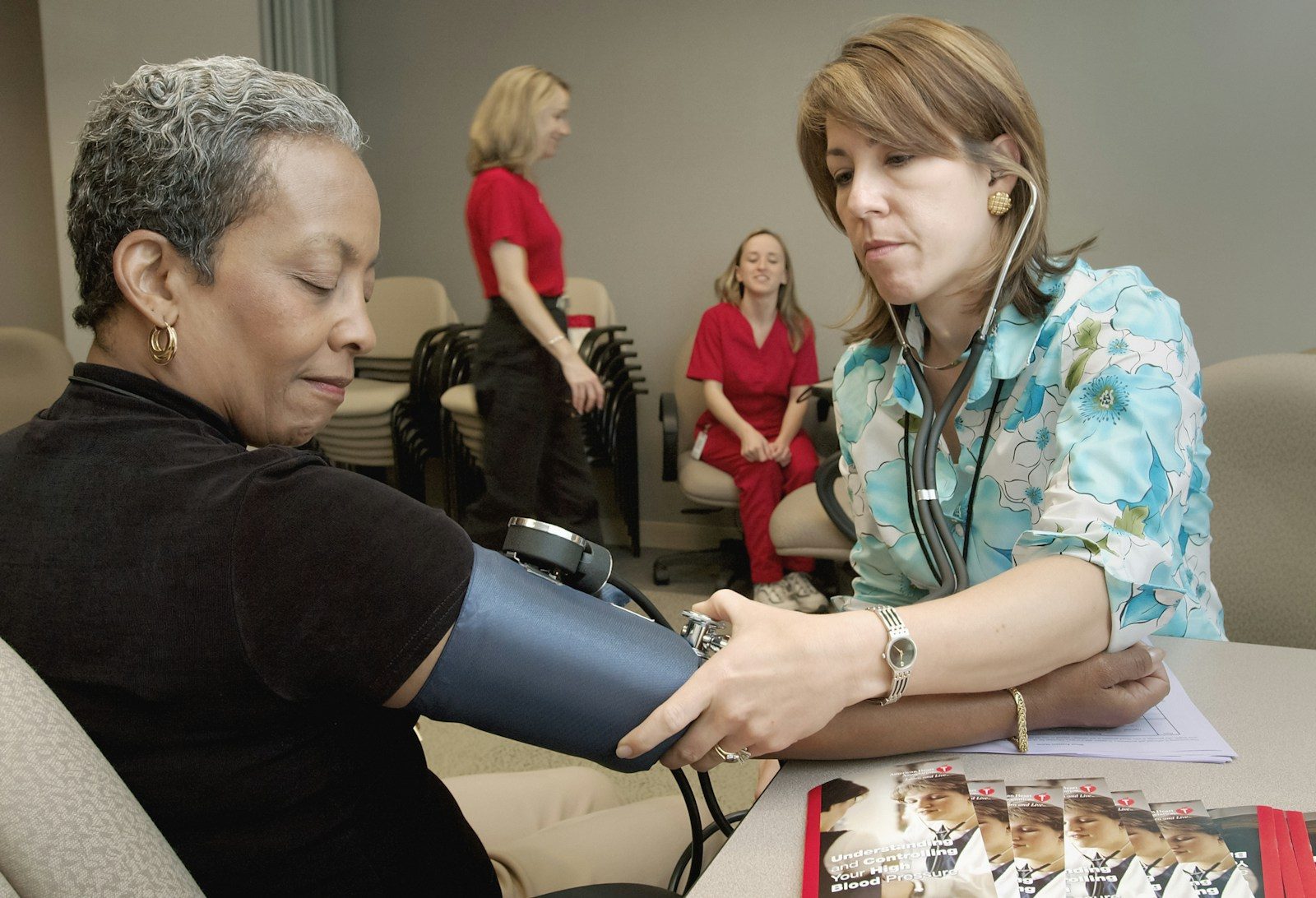
Today’s healthcare practitioner treats an increasingly obese patient population. Obesity has profound effects on many of the diseases and conditions treated in the physician’s office. Blood pressure measurement is a prime example of how technique and the selection of proper equipment can affect the accuracy of measurement results. In severely obese patients, the chance of obtaining inaccurate blood pressure readings is greatly increased by the use of cuffs of the wrong size and the problem of measurement locations that are difficult to access because of body shape. Undercuffing can result in inaccurate increases in blood pressure readings and potential over treatment of patients who already have high blood pressure. Alternatively, clinicians get a false impression of low blood pressure in their patients. In increasingly obese populations, as the body mass index of patients increases, it becomes necessary to use larger cuffs and validated monitors, to pay careful attention to the proper placement of cuffs on the arm, and to consider alternative locations for blood pressure measurement such as the forearm.
The degree of obesity may dictate the need to revise therapeutic goals, because the patient stands to gain considerable health benefits from weight loss. Further, severe obesity is a powerful independent risk factor for the development of resistant hypertension and other medical conditions. In treating the hypertensive obese patient, it is essential to establish whether antihypertensive medications, as well as diet and lifestyle modifications, are effective. Additionally, it is important to try to determine if there are secondary contributors to blood pressure elevation such as volume overload, sleep apnea, insulin resistance, or renal disease. Many medications effective in lean patients for the treatment of hypertension can either be less effective in the obese patient or even potentially increase risk factors for cardiometabolic disorders. Hence, choosing the appropriate medication is paramount in achieving blood pressure goals in obese patients.
Addressing health-system factors related to the health-system implications of uncontrolled hypertension, patients with greater obesity will need longer counseling visits and more follow-up and coordination with other disciplines, such as nutrition, physical therapy, behavioral health and primary care. Patients with greater obesity will also benefit from additional measures such as home blood pressure monitoring, ambulatory blood pressure monitoring and/or remote monitoring of lifestyle patterns that affect blood pressure and optimal medication management. Without addressing these factors, uncontrolled hypertension can result in many preventable clinical events including emergency room visits, hospitalizations, strokes, heart failure, adverse outcomes during pregnancy for reproductive age women, and progressive kidney disease.
Addressing obesity and blood pressure for African American women requires equity and policy attention to multiple levels of structural barriers to health including access to healthy food and physical activity spaces, transportation, a safe and stable home and bedroom, a usual source of primary care, and healthy sleep. Additionally, policy and program developers should be aware of how stress due to racial discrimination, expected caregiving roles, financial stress and other socio-economic determinants of health may impact obesity, sleep duration and quality, food choices, and stress physiology which in turn affects blood pressure. Thus, medication dose alone will not be enough to ensure that a patient is reaching optimal blood pressure.
Who It Affects
The patient with obesity, particularly the African American woman of all weights from the overweight/obese to the morbidly obese. The risk for increased blood pressure and treatment resistant hypertension, and associated morbidity such as left ventricular hypertrophy and heart failure with preserved ejection fraction (HFpEF) increases with the severity of obesity. The patient with obesity and its resultant sequelae is challenged by ineffective self-management. Symptoms of fatigue, shortness of breath, joint pain, insomnia and sleep disturbance, mood changes and decreased mobility may impede the patient’s ability to adhere to treatments and follow up appointments recommended by the healthcare provider that include increased physical activity and adherence to prescribed antihypertensive medications.
Some individuals may have a greater risk for hypertension or require special considerations for blood pressure management based on their life stage or co-morbidities. For example, blood pressure can vary from day to day during pregnancy and in the postpartum period. Obesity is the most significant risk factor for development of the hypertensive disorders of pregnancy. Menopause can affect body weight distribution, increase vascular stiffness, and interfere with sleep increasing the difficulty of blood pressure control. Most of these patients will have other medical conditions, such as type 2 diabetes, polycystic ovary syndrome, chronic stress, depression, and obstructive sleep apnea that affect blood pressure in the obese individual.
Given the multifaceted nature of obesity-related hypertension, there are several different stakeholders across medical specialties. Primary care physicians are generally best suited to screen for obesity, counsel the patient regarding lifestyle modifications to treat obesity, measure blood pressure, and begin first line treatments for high blood pressure. Cardiologists are concerned with the late effects of chronic increased blood pressure and metabolic changes on the heart and other cardiovascular structures. Nephrologists are concerned with obesity-induced kidney injury and the role of sodium and water balance in the pathogenesis of high blood pressure. Endocrinologists can provide assistance in the evaluation and management of more complex cases involving obesity-related metabolic syndromes and the use of anti-obesity medications. Other professionals such as Behavioral health providers may be brought into the program when stress, trauma, depression or disordered eating patterns interfere with adherence to treatment and outcome. Pharmacists assist in the optimization of current medications, management of side effects and adherence to treatment recommendations.
The degree of obesity can further impact the degree of weight-related increase in blood pressure that needs to be managed over the long-term, making treatment more complex and costly to the health system / payer. Clinics treating obese patients require equipment and furniture such as blood pressure cuffs of different sizes, validated automated measurement devices, sturdy chairs and heavy duty scales. Sufficient systems and processes are required for accurate blood pressure measurement, as well as appropriate and sensitive patient management. Payers require assurance of appropriate access to home blood pressure monitors, nutritional counselling, medically supervised weight management programmes, anti-obesity medication and where indicated, surgical options such as bariatric surgery.
In addition to your clinical team, other individuals and organizations in the community and public health sector can help patients meet their goals. These partners can educate, provide peer support, assist with screening events and refer patients for necessary services. They can also address patients’ basic needs such as food insecurity, physical activity opportunities like safe walking or biking areas, and access to computers with internet. Additionally, community and public health sector partners can support patients in using technologies to support telehealth and remote monitoring.
What Changes
Screening and Monitoring
Blood pressure measurement in the future will be more individualised, particularly in the obese patient where the potential for misclassification is high. Blood pressure measurement will not be taken as a routine part of clinical practice without due consideration to the method used and the accuracy of the reading obtained. Use of cuffs of appropriate size, standardised technique, having the patient seated, with their feet on the floor, back supported and arm at heart level are all important considerations. Patients classified as obese require verification of blood pressure measurements with multiple readings. Automated devices validated for use on obese patients should be used. Ambulatory blood pressure monitoring will become increasingly more routine, particularly at night, to assess nocturnal blood pressure and blood pressure variability. Home monitoring of blood pressure will become more common to diagnose masked hypertension and white-coat hypertension and to gain insight into blood pressure during a patient’s waking day.
The way to measure and treat blood pressure may need to be reconsidered. A series of readings from visit to visit will get more attention than individual readings. Large swings in blood pressure readings from visit to visit, non-dipping of overnight sleep blood pressure, high morning blood pressure levels, and failure to achieve adequate blood pressure control on what appears to be maximal therapy will be recognized as red flags. The detailed sleep history that patients can provide about their sleep duration and quality, their snoring, symptoms of excessive daytime sleepiness, and symptoms of insomnia will become increasingly important as it becomes apparent that sleep-disordered breathing and poor sleep are major contributors to severe obesity-related hypertension.
Treatment Planning
The future treatment of hypertension will require planning for weight management and the combined treatment of obesity and hypertension as a single problem. While lifestyle changes, such as decreasing sodium intake, eating a healthy diet, engaging in regular physical activity, and adequate sleep, will continue to be the cornerstone of hypertension treatment, the data suggests that the provider will initiate more intensive antihypertensive therapy as the level of obesity increases risk for poor blood pressure control. Pattern-based monitoring of blood pressure in the office and outside of the office will aid in these treatment decisions.
To meet the cardiometabolic goals of a patient, the medications prescribed should help reduce barriers to adherence and be balanced with adequate efficacy. The medication choices should also have an adequate therapeutic ratio, meaning that although they may have side effects such as fatigue or swelling, they do not lower cardiometabolic risk. For the very obese patient, diuretics may play an even greater role due to volume expansion. As therapy progresses and blood pressure falls, it will at some point become resistant to further treatment. The diagnosis and management of this form of hypertension can be approached in a stepwise fashion. First, one must confirm that the patient is adherent to their prescribed medication regimen, measure sodium intake, and examine for potential drug interactions that may increase blood pressure. Finally, secondary causes of hypertension should be evaluated.
Weight Management Options as Part of BP Care
Pharmacologic weight-management treatments can be useful adjuncts in the treatment of obesity and may indirectly reduce BP in some individuals by producing sufficient weight loss. The newer generation of weight loss medications can produce significant weight loss in the treated patient, reducing blood pressure and improving other aspects of metabolic function. There are several important issues clinicians and their patients need to understand regarding these products including criteria for use, side effect and toxicity profiles, long term safety, and cost. Patients must also have an understanding of how diet and increased physical activity (level appropriate for the individual) can maximally enhance weight loss with these medications. Importantly, patients must have a clear understanding of the steps needed to produce maintenance of weight loss.
Severe obesity for which bariatric surgery is indicated is not contraindicated for patients with hypertension. Shared decision-making for bariatric surgery should be organized and informative to enable patients to have realistic expectations regarding benefits and risks of surgery, postoperative follow-up and dietary changes. It is important to remember that success in long-term weight loss and blood pressure control after bariatric surgery will continue to depend on patient’s adherence to lifestyle modifications. Providing preoperative education, psychological screening, and a structured postoperative follow-up pathway can facilitate a better outcome and reduce surgical morbidity.
Care Delivery and Patient Experience
Future management of resistant hypertension will likely require a team-based approach, especially in the management of the severely obese patient. This team would consist of healthcare professionals with a variety of backgrounds including nutrition, physical therapy, behavioral health, pharmacotherapy, and primary care medicine. The office team could provide adherence support during office visits. In addition to these office-based interventions, obesity treatment programs could offer community-based interventions to tackle the hidden day-to-day barriers to adherence. Telehealth follow-ups may also increase the frequency of follow-ups and decrease lost appointments.
For those living with a mental illness, having a good experience of treatment is critical. Many people with mental health problems feel stigmatised by their illness, and previous bad experiences of mental health services can mean that people do not want to seek help. To support individuals towards recovery, clinicians can use respectful language, deliver culturally tailored counselling, and support individuals to set realistic treatment goals. Many individuals will succeed on treatment if clinicians only ask about a few key limitations, such as caregiving responsibilities, work, food, transportation, and the cost of treatment. Realistic support plans can then be developed that include features such as flexible appointment scheduling, referral to community-based services, and assistance with prior authorization.
Policy and Reimbursement
Blood pressure control and evidence-based obesity treatment are related priorities for coverage. Reimbursement for coverage of validated blood pressure monitors for home use, remote monitoring programs, dietitian visits, intensive behavioral counseling for weight management as well as anti-obesity pharmacotherapy for those who qualify will be considered. Related policies to reduce waits for sleep apnea evaluation, nutrition services and weight management programs will also be considered to improve blood pressure control and reduce long-term complications.
Measuring accurately and communicating well between health care providers and patients will be crucial. Clinics will need quality improvement initiatives to ensure all staff can accurately read cuff size, take accurate measurements, recognize bias, and counsel patients and their families regarding blood pressure, treatment options, and lifestyle choices from a variety of cultural perspectives. Monitoring and measuring control blood pressure, timeliness of follow up visits, use of home monitoring, and patient experience can help the health care system fine tune treatment pathways to reduce health disparities.
References:
https://pmc.ncbi.nlm.nih.gov/articles/PMC11897855/ https://pubmed.ncbi.nlm.nih.gov/28451851/
One story a day
The story of the day, in your inbox
One health journey each morning — no advice, no alarm, just company for the road.