Miracle Drugs: Breakthroughs Or Overhyped In Medicine?
There has been a “miracle drug” renaissance in recent years with a new generation of weight loss and
 Written and medically reviewed byDr. Abu BakarContributing writer · PharmD, PhD (Pharmacology)
February 28, 2026 · 15 min read

There has been a “miracle drug” renaissance in recent years with a new generation of weight loss and metabolic medicines garnering unprecedented attention within the medical and media communities. Medicines in the GLP-1 receptor agonist class and other related incretin-based therapies have revolutionized the conversation regarding the prevention and treatment of obesity, type 2 diabetes and the associated cardiometabolic risk. As these innovative products enter into widespread clinical use, the initial awe and optimism is giving way to serious questions and debates regarding issues of safety, long-term use, cost and patient access.
Why It Matters
New medicines are providing a ‘tool belt’ to patients for whom ‘eat less and exercise more’ has been too inadequate. While nothing is better than optimal earlier treatment, many people for whom ‘lifestyle intervention’ has not worked now have the chance of meaningful weight loss with effective medical therapy, allowing symptoms to be relieved, mobility improved and people with obesity can live their lives as fully as possible on a day to day basis.
In addition to focusing on weight loss, we look at the bigger metabolic picture and how a lower body weight can have a positive impact on several major disease risk factors all at once. Obesity is strongly linked to many serious health issues including insulin and glucose metabolism problems, fatty liver disease, sleep apnea, high blood pressure and heart disease. With enough weight loss and improvement in blood sugar levels, our clients can potentially impact several of these health concerns at the same time, changing the course of expected disease.
Clinical benefits are substantial but variable and patient-specific. Some patients will experience major weight loss and improvement in blood sugar, while others will not lose enough weight and either stop treatment due to side effects, cost or supply issues. These different scenarios need to be taken into account when setting expectations with clinicians, evaluating value to payers, and setting up follow-up in the health system.
Opinions as to the tolerability and safety profile of sotorasib have been mixed. Some would describe its effect profile as “breakthrough” while others say that it is hyped up. Dr. Razack detailed the most common side effects which were seen predominantly to be gastrointestinal in nature (nausea, vomiting, diarrhoea, constipation and early satiety, that tended to be worse during dose escalation). Although most patients managed with dose increase and counselling, a proportion of patients discontinued due to side effects that persisted.
Although severe, very serious side effects are rare. Rarely, your doctor may discuss with you the risk of gall bladder disease, symptoms of a possible pancreatitis, or the symptoms of possible dehydration if you start vomiting while taking this medication. Some people taking sibutramine have developed thyroid tumors (cancer) in animal studies. It is not known whether sibutramine causes these tumors in humans. Tell your doctor if you or your family members have a history of medullary thyroid carcinoma (a type of thyroid cancer) before taking this medication.
None have been determined for the practical application of long-term use of these medications. Many of the patients who lost weight on these medications gained back the weight after they stopped taking the medications. Thus, obesity is considered a chronic medical condition and must be managed on an ongoing basis. Therefore, in terms of benefit versus risk, adherence, affordability and long-term safety may be more important than the initial loss of weight.
Although these new medications can improve health-related quality of life, wellness programs, mental health treatment and care, and the social determinants of health must remain the top treatment for obesity. Important lifestyle factors that affect weight and metabolic health include nutrition, physical activity, sleep, stress, and access to healthy foods. Many of these new medications work by reducing hunger and/or by increasing feelings of fullness. In the end, long-term success will depend on thoughtful integration of medications with realistic behavioral changes and healthy lifestyle changes.
Early in the process, administrative decisions at the health system level will quickly pivot to workforce, workflow, and capacity considerations. Primary care clinicians will field a wave of patient requests for these medications and need to make determinations about patient eligibility, contraindications, and considerations for monitoring and referral to other specialists. Clinics will need to develop a plan to educate patients, manage dose titration, treat side effects, and follow up with patients appropriately.
Payers will need to weigh short-term expenditures against long-term savings as these novel therapies are more expensive than many current diabetes treatments and weight loss options. Decisions will be made regarding indication criteria, documentation requirements and prioritization of patients who may potentially benefit from this emerging class of medications such as those with high levels of cardiometabolic risk factors, diabetes diagnosis or multiple comorbidities.
The public and social media attention given to weight loss medicines has created ‘unhelpful’ patient and carer expectations. Many of the current weight loss medicines have been promoted by celebrities and influencers giving them a glamorous image portraying weight loss medicines as an easy fix to weight loss for off label or cosmetic purposes. The increasing demand for weight loss medications is causing pressure on clinicians to provide these treatments without a thorough assessment of the patient’s motivations for weight loss, medical history, medication side effects and ability to enter and continue long term treatment.
Like most medications, there are certain “downstream” issues related to availability and access of these medications that can have some negative consequences to patients and clinicians. For these medications for eating disorders that have limited efficacy, having them in and out of stock can have many negative effects to patients such as discontinuing and “rebound” of symptoms, weight gain, anger and frustration for both patients and clinicians. Providers will spend precious time and energy dealing with pharmacy substitutions, prior authorizations, and denial appeals. This can be time consuming and decrease a provider’s energy and “optimism”. This is especially true when calling managed care companies for appeal denials.
From a public health perspective, these new treatments could be for the best if they became accessible to those who could benefit from them and not just to those who can afford them. As it stands, obesity is already an unequal disease, one in which wealthy, insured individuals are more likely to actually receive effective weight loss treatments. Policymakers and health care systems will have to consider issues of fairness and allocation of resources as they weigh the medical benefits of these new treatments.
Who It Affects
Our patient may have obesity and type 2 diabetes that requires treatment with a “metabolic” medicine to help lower glucose, suppress appetite and promote weight loss for those who respond to treatment. But appetite, stress, sleep, medications and a host of socioeconomic factors may inhibit our patient’s ability to affect healthy changes in lifestyle.
The clinic is seeing an increasing number of patients who have pre diabetes, metabolic syndrome and raised cardiometabolic risk. The clinician is having to consider early intervention in order to prevent development of diabetes and potentially also reduce risk of future cardiovascular events. The metabolic effects of treatment of common diseases are discussed.
While weight loss may be the main health benefit for some individuals with obesity, for others more important benefits may exist. Some individuals may find lowering of blood pressure, improvement of triglycerides, reduction of markers of inflammation, decrease in severity of sleep apnea, reduction of risk for fatty liver disease, relief from joint pain, or a combination of these improvements most important. These are clinical improvements that patients value. They have a direct impact on the quality of life of patients with obesity, enhancing their ability to function in their daily lives.
Special consideration must be given to patients with a history of an eating disorder or body image disturbance as these medications suppress appetite and can potentially exacerbate such disturbances. The physician should question the patient regarding indicators of disordered eating and express concern if primarily cosmetic indications for weight loss are present.
Pregnant or pregnant to be women using weight-loss medications are an important safety population. Providers should inform women of the need to avoid or plan pregnancy while on these medications, and discuss conception timing and contraceptive options before initiating weight-loss medication. The impact of restarting a medication that had been stopped for pregnancy on weight and glycemic outcomes may also be a consideration.
Weight loss interventions may be beneficial for older adults. However, reducing body weight can worsen frailty in the old, especially if muscle mass and protein intake are not adequately maintained. When implementing weight loss in older adults the clinician must pay particular attention to encouraging sufficient resistance training and nutrient intake and closely monitor patients for decreased function and rapidly intervene if such changes are noted.
Patients with diabetes receive critical health education and monitoring from their primary care providers. Because providers are busy triaging, diagnosing, prescribing, treating and referring patients on a daily basis, they are in a unique position to establish a strong foundation of education and follow up for patients with diabetes. On average providers have only 10 minutes or less per patient to do no more than list the patient’s current and past medications and to check for potential dangerous interactions. The time available to provide in-depth patient education is therefore typically standardized.
For the more complicated cases, we are sharing the case with the appropriate specialist for their advice and also for long term follow up. For diabetes management and the potential interactions with weight loss medications, we can call on the help of an endocrinologist to advise. Similarly, for any weight loss treatment that impacts cardiovascular risk, we can call on the cardiologist for advice. For fatty liver disease, we can call on the hepatologists for advice as well. For obesity treatment in general, we have an expert in obesity medicine that can help us create a comprehensive treatment plan. This specialist can also work with our behavioral health specialists to address issues of emotional eating, depression, anxiety, trauma, or other eating disorders.
Health care professionals including pharmacists, nurses and dietitians are getting increasingly involved in the safe delivery of semaglutide. Many health systems are moving towards a team based approach for the titration process, injection education, side effect management and follow up for medication adherence and optimal benefit. While this model of care requires an investment of time and resources, the benefits are worth it if the health team has the support and training they need to be successful.
Payers and health systems have a significant influence on treatment access. Decisions regarding coverage and administrative practices, such as prior authorization requirements, step therapy policies for effective medical treatments, and BMI thresholds for surgical treatments for obesity, can all impact the ability of people who could benefit from treatment to receive it in a timely fashion. While these policies are intended to reduce unnecessary health care utilization, they can also deny or unduly delay needed treatment for people who require it.
Safety-net clinics, which serve the country’s most vulnerable populations, will face the greatest equity challenges in getting new medications to patients. Low-income patients and high percentages of uninsured individuals are hallmarks of safety-net clinics. As a result, these clinics may not have the financial resources to absorb out-of-pocket costs of expensive new medications, and they typically have limited health coverage available to offer their patients. As a result, while new treatments are likely to benefit some populations more than others, it may take time for these life-changing treatments to reach the communities with the highest health risks.
What Changes
Future clinical practice will move to a shared goal focused approach to decision making. Providers and patients must discuss projected weight loss, changes in behavior (eating and activity) and side effects as well as expectations for success (what will normal weight look/feel like and what quality of life measures will improve). Treatment goals may go beyond weight loss to also include goals such as improved glucose, decreased blood pressure, less sleep apnea symptoms and less knee pain.
Future prescription of weight management programs could benefit from clearer selection criteria and more safe pathways. Many programs are working on procedures and protocols for assessing eligibility and baseline, as well as following up on participants. A practical baseline assessment for prescriptive purposes would ideally include the patient’s weight history, current medical comorbidities and medications, GFR, childbearing intentions, and mental health screening status. In addition, providers may want to collect information on the patient’s past attempts at weight management and how they were informed of requirements by payers.
As dose of pembrolizumab increases, close monitoring becomes more organised. Early follow-up is useful to assess for symptoms of nausea and constipation as well as for worsening of symptoms such as reflux. Patients and their families will receive advice on hydration and food intake prior to starting treatment and managed as issues arise. Simple advice such as having smaller more frequent meals, eating more slowly, increasing fluid intake and careful consideration of dose increments has helped adherence to treatment and reduced the number of urgent visits for patients on this protocol.
With the many new medications entering the marketplace for treatment of obesity and type 2 diabetes, there will be a growing need for long-term planning for patients treated for these conditions. Many patients and families will expect that a “simple pill” will be prescribed to help them loose weight and that they will stop taking the medication once they have reached their ideal weight. A frank discussion regarding the likelihood of weight regain with or without continued medication and a long-term lifestyle plan is necessary. The plan may include continued use of current weight loss medication dosages, a gradual step down in medication weight loss dosages, or a more intensive lifestyle intervention program with close monitoring and support.
Payer policies and pricing strategies will play a significant role in determining the equity of access to diabetes technologies. To generate sufficient revenue in a constrained environment, payment may shift to the self-pay patient channel, potentially identifying a distinct and less disadvantaged patient population for access to these products. However, wider access to these technologies as a result of more comprehensive coverage could in the end drive up costs. As a result, payers will move beyond simple coverage decisions and will establish more sophisticated criteria for coverage of diabetes technologies. This will be to identify patients who pose the greatest medical risk, have the greatest risk of complications, have diabetes rather than pre-diabetes, or have the most severe comorbidities related to obesity.
Health systems may decide to establish metabolic clinics and/or referral pathways where patients initiate and receive complex management of diabetes for treatment. Alternatively, health systems may decide to manage the stable follow-up or ongoing care of people with diabetes through primary care, while initiation of diabetes care and complex management are provided by specialist teams of health care providers. This approach can improve safety and efficiency, but must be designed so that patients are not lost in long waiting lists.
In addition to scaling up the number of workers with the ability to administer treatment, there will be a particular emphasis on supporting primary care providers and staff. Providers and support staff will need education on contraindications, dosing, administration of injections, managing side effects, and counseling clients and families on healthy nutrition and physical activity. Treatment training modules and materials will also include information on stigma-free communication with clients in order to build trust in their treatment plan.
Weight and appearance will be an area for ethical consideration. Semaglutide has been the subject of high profile media advertising. Appearance will become normalised within society and used for non-medical purposes based on an unrealistic expectation of the outcome of taking this medication for weight loss. Health care professionals should highlight the prescription only status of these medications, explain their legitimate medical use, as well as effects and risks, compared to over the counter alternatives.
Future clinical decisions about bariatric surgery will involve weighing trade-offs and individualized circumstances for each patient. The key question to consider will be whether the potential benefits outweigh the side effects and unknown long-term outcomes for each patient. Patients and their providers will weigh the potential benefits of weight loss and improved glucose control against known and unknown side effects, considering a host of individualized factors such as medical history, mental health, reproductive goals, current medications, and ability to adhere to post-operative follow-up and costs of surgery.
Counselors will have to manage patients’ realistic expectations regarding weight loss with these medications. Patients are often under the misconception that just a few months of medication will result in a lifetime of weight loss with little to no future use of the medication. Due to the cost of these medications, after the initial course of treatment, patients may require either continued full-dose medication or a maintenance dose to maintain weight loss. Affordability, adherence, and a steady and reliable supply of these medications will be as important as the medications themselves.
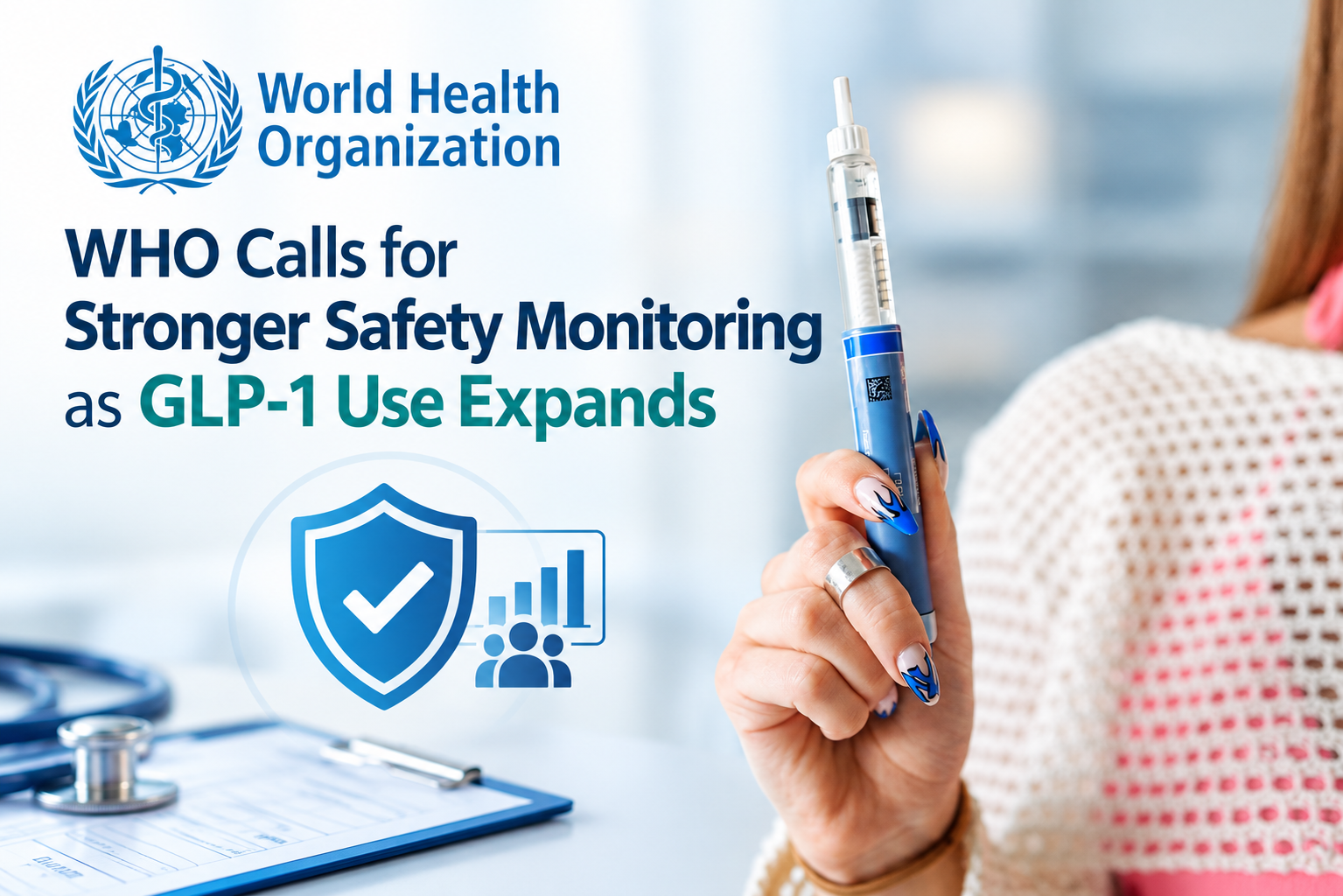
In our future discussions regarding safety, you will receive more honest and consistent information about this key aspect of our medications. You and your patients will receive an understanding of the most common adverse reactions in the first week of therapy, as well as a discussion of the less common but more serious adverse effects that may require medical attention. Additionally, you will have knowledge of data in specific populations where on-label data are limited, allowing you to make informed clinical decisions. Finally, we encourage the report of any adverse event, even those that may seem unrelated or transient, through both clinical and regulatory pathways, to better understand the risks and effects of our products utilizing real world experience.
Greater transparency into the levers available to policy makers will allow physicians and patients to see the role that policy plays at the bedside and at each decision point along the pathway. For example, coverage criteria that set conditions such as patient BMI, the presence of comorbid conditions, or evidence of healthy behaviors could reduce or extend the years of therapy a patient receives. Additionally, payment policies affecting the affordability of treatments, pricing strategies and pharmaceutical company negotiations could fundamentally shape health improvement strategies and allow value-based strategies to reap their full potential.
Innovation is going to continue to bring new benefits and new risks. New formulations, potential multi-target therapies, oral biologic products and longer duration of action injectables are going to make it easier to deliver medication on time to patients and improve adherence. But then each of these innovative products is going to raise additional questions about comparative effectiveness and side effect profiles, and where in the treatment algorithm these new drugs might be used.
In order to inform future guidelines and decisions around coverage and reimbursement, evidence “in transit” will be increasingly augmented and supplanted by real-world evidence. The registries, post-marketing surveillance studies, and other pragmatic clinical studies will provide vital data on the long-term safety of new cancer treatments, provide insight into the duration of treatment, and help identify which patients are most likely to derive benefit from any given medication. Health systems that make investments today to set up monitoring and follow-up of patients on treatment will be best prepared to integrate these new data as it becomes available.
Are the new anti-obesity medications breakthroughs or overhyped products? Clearly, they can offer significant benefits to many patients and augment the current medicinal armamentarium for the treatment of obesity. At the same time, the new agents are not cure-alls and need to be prescribed cautiously, to realistic expectations, and as part of a comprehensive package of interventions. However, most important are policy efforts to distribute these emerging products and ensure their access for the overall population’s benefit.
References:
One story a day
The story of the day, in your inbox
One health journey each morning — no advice, no alarm, just company for the road.