FDA Expands Zepbound Label To Allow Use With Eli Lilly’s KwikPen
The US Food and Drug Administration (FDA) completed labeling updates for Eli Lilly’s Zepbound (tirzepatide), a first-in-class combination
 Written and medically reviewed byRayan SalihContributing writer · PharmD, RPh
February 27, 2026 · 4 min read
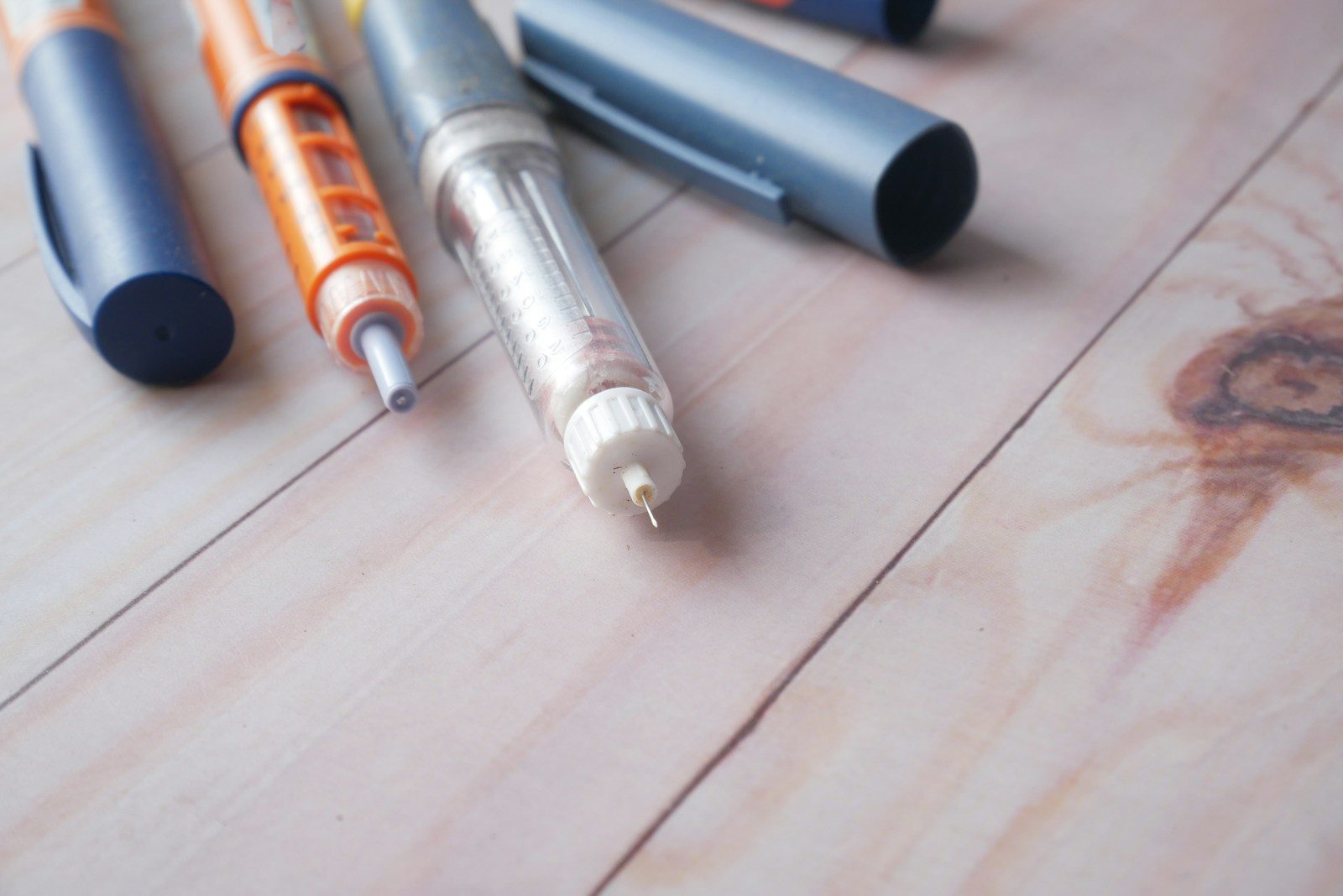
The US Food and Drug Administration (FDA) completed labeling updates for Eli Lilly’s Zepbound (tirzepatide), a first-in-class combination of glucagon-like peptide-1 (GLP-1) and glucose-dependent insulinotropic polypeptide (GIP) receptor agonist indicated for chronic weight management including without co-administration of diet and exercise to treat obesity and for reducing the risk of major adverse cardiovascular events (MACE) in adult patients with established atherosclerotic cardiovascular disease. Zepbound will be available using the company’s KwikPen.
A Regulatory Milestone for Metabolic Health
We reported initially on the first and only FDA-approved weight loss treatment to activate both GIP and GLP-1 Receptors: Zepbound. The new 3.5 ml KwikPen device contains enough medicine for 4 weekly doses. A pre-filled multi-dose device that addresses several of the “pain points” in this red-hot weight management market including waste to the environment and wasted space in the refrigerator.
Why It Matters
Label changes reflecting this finding have gone into effect. From a systems perspective, the small molecule tirzepatide is clearly compatible with the KwikPen mechanical delivery system, offering several advantages. Specifically, the small molecule tirzepatide and the Semaglutide (Rybfsad) oral pen will allow pharmacies that fill diabetes prescriptions and companies that specialize in filling prescriptions for medications that require injection that are not diabetes medications and community outlets such as retail pharmacies, fewer legal and clinical uncertainty when it comes to substitution workflows when filling prescriptions for semaglutide. From a physician perspective, educational materials will be the same for all of the injectable medications that a provider prescribes.
The Intersection of Device and Drug
Device matters. And when treating patients with complex chronic diseases, “best” medicine matters too. Even with the “best” medicine with the highest efficacy, if it is not taken as directed, the clinical benefit is not realized. To maximize the benefit of tirzepatide, the convenience and familiarity of the KwikPen design has the potential to remove several barriers to initiation and/or adherence of medication, such as ease of use from the first injection, assistance to people with disabilities/Caregivers who are familiar with using insulin pens, and less time spent training patients on device use.
The Clinical Efficacy Context
We have learned that tirzepatide solution (Zepbound) will now be available through most pharmacies. The clinical data behind tirzepatide (Baycomplia outside of the US) is unprecedented. In the SURMOUNT-1 clinical trial ( NCT04184622 ), participants receiving 15 mg tirzepatide lost an average of 22.5% of initial body weight after 72 weeks, compared to 3.1% for placebo.
It is critical that the “last mile” to delivery of healthcare leads to positive outcomes for patients. The multi-dose KwikPen was engineered to deliver the clinical performance demonstrated in clinical trials, to real-world outcomes, by addressing challenges to use that may prevent patients from deriving efficacy from repeated use of medication over a long-term, on a continuous basis basis.
Who It Affects
The Patient Perspective
This FDA approval means that many patients can now benefit from Zepbound. Many patients and their family members or caregivers (including those who use other Lilly medications that come in a KwikPen) will have “muscle memory” when using Zepbound. Patients with limited dexterity, visual impairment, or other cognitive impairments will find this familiar form factor easier to use. Additionally, family members, caregivers or home nurses may find Zepbound easier to use.
In addition to the above listed benefits, fewer trips to the pharmacy and less travel for dose administration also contributes to the overall quality of life of patients. For example, instead of bringing four single-use injectors to a vacation home for a month-long stay at a foreign country, a patient brings one filled KwikPen. Another quality of life benefit patients experience with this weight management medication.
Clinicians and Care Teams
Take your time back from “device demos” and focus on the things that really matter to your patients. Standardizing on one pen simplifies the conversation for primary care clinicians, endocrinologists and nurse educators allowing time to focus on important dose adjustments, discuss gastrointestinal side effects and emphasize lifestyle and nutritional issues that are so important for optimal diabetes management. Simplify the “onboarding” process for your nurses and pharmacists involved in medication reconciliation. Fewer device specific checklists to teach and utilize current teaching aids.
Pharmacies and Payers
The change for the pharmacy Industry is very positive in terms of operational clarity. Pharmacy technicians will no longer be required to scrutinize the label of a prescription against the manufacturer’s label of the medication and the device for refills of medications that will be dispensed with a device. Now there are stakeholders who have to be notified, updated and perhaps advise of changes to their formularies and coverage policies for specific approved device combinations. Insurers and pharmacy benefit managers (PBMs) may need to update prior authorization criteria as well as assign new billing codes (NDCs) and coverage for different dispensing scenarios.
Manufacturers and Global Supply Chains
Integrating drug-device interoperability into its offerings is likely to be an important criterion for commercial success for Eli Lilly, as it launches Zepbound (lantus) in injectable form. Teaming up with the most recognized insulin pen on the market, the KwikPen, will help the company ramp up production to meet the insatiable demand for this high-generics-content diabetes drug. Unlike the GLP-1 market over the last two years, which experienced supply chain constraints largely due to the lack of devices that could scale up to meet demand, the new version of lantus should not face the same type of issues.
What Changes
One story a day
The story of the day, in your inbox
One health journey each morning — no advice, no alarm, just company for the road.