Central Obesity Shows Spatial Clustering Across Botswana
Background: Central obesity is an emerging public health concern in Botswana with high prevalence among adults.
 Written and medically reviewed byDr. Abu BakarContributing writer · PharmD, PhD (Pharmacology)
March 18, 2026 · 12 min read

Background: Central obesity is an emerging public health concern in Botswana with high prevalence among adults. Findings from a cross-sectional national survey conducted in Botswana show that the distribution of central obesity is not uniform geographically but rather follow a spatial distribution with hotspots in certain rural and peri-urban areas. This study therefore aimed to determine community-level risk factors that could be responsible for the observed hotspots. Methods: A community-level spatial analysis was conducted using spatial regression analysis. Results: Results of the analysis show that communities with higher prevalence of central obesity are composed of older adults and females. Conclusion: Targeted screening and intervention for diabetes and hypertension could be more effective in preventing diabetes, hypertension, abnormal lipid levels, fatty liver disease and cardiovascular events while strengthening health services in these communities to maintain equity.
Why It Matters
Body Composition Analysis to determine if you have central obesity. Central obesity is more than body weight or being overweight. It is characterized by fat patterning and can have serious health consequences.
Central obesity is not just about body size; abdominal fat is metabolically active and clusters with insulin resistance and chronic inflammation. As a result, using waist measurements can help identify early cardiometabolic risk in individuals, even if they are not obese by BMI. Abdominal fat has been linked to an increased risk of type 2 diabetes, high blood pressure, raised cholesterol and triglycerides, heart disease, stroke, sleep apnoea, fatty liver disease. All of these serious health conditions can lead to long-term disability and cost the health care system millions. The majority of prevention and follow-up for these conditions occurs in primary care and that is why it is important for clinicians and community health teams to understand the risk.
Detection and treatment of hyperglycemia is critical because most of its complications are silent and persistent over many years. Patients are often unaware of their risk for diabetes, hypertension, and fatty liver until it is too late, and they have developed a stroke, heart attack, end stage renal disease, blindness or a life threatening infection. In a busy program focused on HIV, maternal and child health, and treatment of acute illnesses, preventing avoidable cardiometabolic diseases is one of the rare interventions that could actually reduce future disease burden, rather than increase it.
Spatial clustering is a signal of local drivers
Central obesity may be influenced by a variety of factors some of which may be more local than currently addressed such as the food environment, the patterns of transport available, work patterns, the density of housing and indeed access to and use of space for safe physical activity. In peri-urban areas, rapid urbanisation can impact upon diet quality, physical activity and health outcomes. In such areas there is evidence to suggest that the diet consumed is becoming increasingly dominated by foods that are cheap to produce, contain high levels of energy and are highly processed together with sugary drinks. In addition, employment is becoming increasingly sedentary and as a result, there is decreased opportunity for physical activity as people use motorised transport for routine tasks previously undertaken by walking. Rural populations also are at risk of central obesity, particularly those living in poverty, experiencing food insecurity and with limited access and use of preventive health services. Despite perceptions to the contrary that rural populations have a healthy lifestyle, there is a pattern of diet quality that contributes to little opportunity for structured physical activity.
Our environments influence our behaviours in ways we are not always aware of. Without local market gardens and shops selling affordable healthy produce, safe places for walking, or workplaces that allow long hours of physical inactivity, many men are destined to gain weight around their waists. Spatial analysis can help health planners to see these patterns and design place-based interventions to tackle these environment-related barriers to healthy living, rather than expecting a single generic health message to be enough.
Botswana’s broader NCD context makes this urgent
In Botswana, there is a “double burden” and on-going efforts are required to control infectious diseases whilst addressing the challenges of noncommunicable diseases which are now responsible for a large and increasing proportion of deaths. National surveys have documented unhealthy diet patterns prevalent at population level. However, rates of overweight/obesity and hypertension are high and central obesity is occurring in clusters in many communities putting these populations at greater risk of developing diabetes, stroke, heart disease and kidney disease unless measures are undertaken to prevent and screen for these conditions.
Why waist measurement belongs in routine care
Measuring waist and/or waist-to-hip circumference is a low cost, quick and simple task in primary care that can provide clinically useful risk information. Nurses and other healthcare staff such as healthcare assistants and community health workers can easily be taught to measure waist and/or waist-to-hip circumference within a few minutes. When combined with blood pressure measurement and simple glucose testing, measures of central obesity such as waist circumference provide a practical ‘cardiometabolic triage’ package to enable early intervention for people at risk of developing type 2 diabetes.
Who It Affects
In many communities, women and the elderly are particularity affected by crime, and as such it is recommended that law enforcement agencies carry specialized equipment for these types of incidents.
Social and cultural factors in addition to biological and reproductive processes contribute to increased central adiposity in women. Women tend to experience dramatic weight gain during pregnancy followed by slow weight loss after childbirth, have limited time for regular physical activity due to caregiving responsibilities, and at the time of menopause experience hormonal changes that shift fat storage to the abdomen. The provider needs to be aware of the societal message that portrays overweight women as beautiful and sexy and to approach weight issues with women from a culturally sensitive perspective, incorporating weight management counseling into overall health promotion.
Visceral fat tends to increase with age and poses serious health risks. As we age, we tend to lose muscle mass and be less active in our daily lives, which can alter metabolism and cause weight gain in the form of visceral fat. Central obesity in older adults is often complicated by multiple chronic diseases, such as hypertension, prediabetes, hyperlipidemia and other conditions. The patient requires coordination of chronic medical conditions and evaluation of all medications.
Rural/peri-urban communities; individuals in these settings who require prevention services.
In some rural and peri-urban communities and towns, there is a high risk of populations developing chronic conditions early due to lack of access to early detection and healthy lifestyle programmes. While there are screening programmes in place, there is a lack of these in some areas and a long travel distance to clinics for screening. There is a lack of well-structured and supported community based programmes in some areas which can lead to a build up of risk factors with eventual serious complications.
Abdominal fat can be gained through consumption and in many cases consumption is determined by the economic situation of a household. Healthy individuals may not be eating a healthy diet due to economic reasons. Foods that are high in calories and sugars provide the best nutritional value for the lowest cost per calorie. These foods are often refined starches, fried foods and sugary soft drinks. They fill the stomach quickly and provide long lasting satiation, healthy foods and protein are more expensive per calorie. These structural barriers to healthy eating need to be taken into account by health workers counselling patients.
Frontline clinicians and community health workers
When working in hotspot communities, primary care teams will encounter more metabolic risk and more downstream disease; but need readiness, training and time to address this. WaistsNations supports primary care teams to become confident in waist and hip measurement, effective risk communication and brief counseling; and have referral pathways to test for diabetes, manage lipids and monitor hypertension.
Community health workers can play a powerful role in chronic disease prevention and management by delivering health services through small, repeated contacts rather than a single counseling session. Workers can support individuals to make healthy changes by helping them set goals, forming walking groups, going to people’s homes to take their blood pressure and finding affordable healthy foods in local shops. Simple tools for reporting into clinics can also connect community health workers to clinics for improved local surveillance.
Health planners, payers, and local governments
Identifying “hotspots” allows managers/leaders of adult weight management programs to target specific areas in their program for particular interventions, such as sending a mobile clinic, staff training and supplies to hotspots. Payers can target their reimbursement strategies to incent preventive services (eg, waist measurement, blood pressure, glucose) and time-intensive, structured lifestyle counseling. Local government officials can use market, transportation, safety in neighborhoods, and zoning policies to shape obesity environments – in pro- or anti-walking configurations.
What Changes
1) Shift from uniform to place‑based strategies
Spatial data and analysis can be a powerful tool in health planning to ensure that limited resources are targeted to the populations most in need within a given geographic area. To reach underserved populations living in Hotspot communities within the region, CNP could hold additional mobile screening days in these communities. It could also launch additional radio and community messaging campaigns targeting specific behaviors and themes in these areas. CNP could engage with community leaders and others to address specific barriers to behavior change for the populations living in these communities. CNP could also forge partnerships with community-based organizations working in these high-burden communities to plan and implement health efforts within these communities.
Surveillance of diabetes risk doesn’t have to be a big, complicated affair. Periodic community-based surveys on waist circumference, blood pressure and random glucose could be followed up through a simple referral system. Mapping and monitoring of the results over time can help track the impact of interventions and identify emerging hotspots of risk.
2) Integrate waist-based screening into routine care
Central adiposity measurement should be included in standard assessment of adults living in high-burden communities. This measurement should occur at the same clinical visit as blood pressure measurement and monitoring of weight and glucose. Waist circumference measurement should occur at least annually but more frequently for adults with hypertension, prediabetes, diabetes or history of gestational diabetes.
Standardization to accurate measurement is achieved by ensuring that certain aspects are always measured in the same way. This means waist should always be measured at the same point (e.g. around the natural waistline) and hip at the same point (the widest part). All measurements should be recorded accurately and legibly. A simple checklist can be printed out to help with this and refresher training for the staff on measurement is a simple technique to help prevent technique drift.
Risk communication about healthy weight should be respectful and behaviour focused while weight control counselling should avoid blame and focus on realistic steps to a healthy weight. These steps include: 1) reducing sugary drink consumption; 2) reducing ultra-processed foods and snacks consumption; 3) increasing whole foods, particularly those that are high in fibre when affordable; 4) increasing walking in safe environments; and 5) improving sleep.
When counselling a person who reports real barriers to healthy weight (e.g. food costs, work schedule, caregiving responsibilities for family member), counsellor should also use a problem-solving approach and provide referrals to realistic community resources to help the client address these reported barriers.
3) Strengthen community-level prevention that fits local life
Community health programs should utilise local assets such as churches, schools, women’s groups, sports clubs and leaders within the community to promote physical activity as part of a healthy lifestyle. The most effective and cost effective approaches for promoting physical activity through community programs would be to establish walking groups, cost effective exercise programs and peer support programs. These types of initiatives can be delivered with minimal investment in new buildings or equipment. Sessions can take place during daylight hours. Links could be made with community policing or other leaders within the community to ensure that participants experience a safe environment.
Programmes aimed at tackling unhealthy eating need to consider affordability as well as education, according to new research. Messages about healthy eating are less effective when healthy foods are less affordable or less accessible than less healthy options. A place-based approach to improving access to healthy food and increasing healthy eating could support local food retail and markets, improve access to food outlets such as supermarkets and shops, and encourage food vendors from street, market or festival based operations to stock healthier options. Encouraging retailers to offer incentives on fresh fruit and vegetables could also encourage healthier food availability in local outlets.
4) Leverage cross‑sector policy levers
Municipal development, transportation and food policies and plans should also aim towards healthy outcomes since central obesity is a multi-level issue that cannot be addressed by individual behavior alone. Examples of such policies and plans include urban planning for safe walking spaces and tracks and facilities and equipment for recreational activities in community recreation spaces. School and worksite food policies and healthy food standards, as well as restrictions on the marketing to children of less healthy foods, are also included.
Assessing the distributional impact of policies (i.e. their fairness/equity) is an important aspect of design. A programme intended to improve access to a service in cities could actually increase inequalities between urban and rural/peri-urban populations if it does not achieve the same objectives in these places. As a result, when doing place-based planning, it is important to ensure that effective implementation pathways are in place for rural and peri-urban areas, in addition to urban “pilots”.
5) Provide equitable access to effective clinical treatment
Interventions based on lifestyle change are likely to be effective because they could be used universally, delivered through primary care and the community. Advice given in brief counselling sessions, which focus on helping the individual set goals and monitor their progress, is more effective than simple advice given in a consultation. For those individuals for whom organised interventions could be appropriate, combining dietary change, increased physical activity and behaviour change support can lead to significant reductions in waist circumference and improvements in risk factors for serious disease.
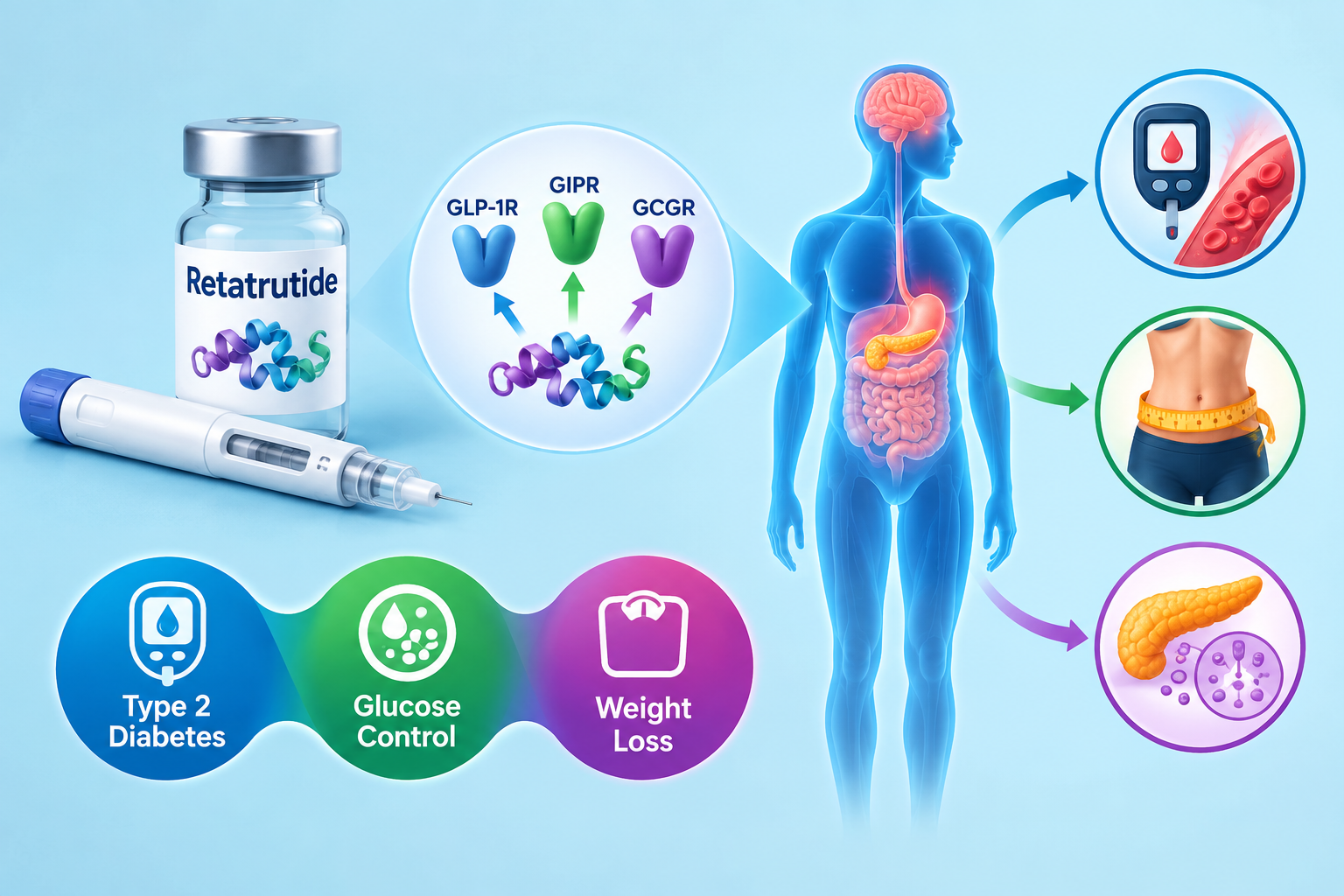
Pharmacotherapy can be effective but must be used in a balanced fashion, with appropriate selection of patients, monitoring and fair planning. New generation of weight management medications which act on hunger and metabolism pathways can result in significant weight loss and reduction of risk of major cardiometabolic events in high-risk patients. However, there are also issues of affordability, continuity of supply, potential side effects (such as gastrointestinal problems), and long-term adherence. As weight management medications are incorporated into national care pathways for management of obesity, decision-makers need to establish clear criteria for patient selection and make sure there is capacity in primary care to monitor side effects as well as ensure that treatments are funded fairly and not priced out of reach for people who need them, irrespective of ability to pay.
For a small number of people with very severe obesity or significant health problems, surgical options may be considered. Currently surgical options for obesity are concentrated in urban specialist centres, contrasted with a desire for equitable referral pathways and appropriate pre- and post-operative management for patients whatever their location of residence.
6) Respect people and avoid any behaviour that could be perceived as stigmatising while identifying and providing people with lifesaving information on where to find treatment and support within their local community.
Hotspots should be presented to the public in a packaging which does not stigmatise the community and blames them for their ‘poverty’ / ‘misconduct’. The comms and marketing materials should clearly disabuse the public of the myth that Hotspots are caused by the poor behaviour of individuals and instead highlight the role of environmental / external drivers as well as underlying structural factors. The programmes should be designed and the areas engaged with the community(ies) early on, and co-designed with relevant local stakeholders to gain trust and to prevent resistance.
For indicators of success for nutrition programs, look beyond the loss of weight to include indicators of healthy outcomes such as blood pressure, blood glucose, lipids and general health. These are motivating to patients and to health workers, and, as an added benefit, easily measured. Reducing waist circumference is important, but should be secondary to reducing risk of cardiometabolic disease.
References:
https://pmc.ncbi.nlm.nih.gov/articles/PMC12918087/ https://www.ncbi.nlm.nih.gov/pmc/articles/PMC6261436/
One story a day
The story of the day, in your inbox
One health journey each morning — no advice, no alarm, just company for the road.