BD Introduces New Elyra Thulium Fiber Laser System: A New Era in Kidney Stone Treatment
Becton, Dickinson and Company (BD) has just launched the ELYRA thulium fiber laser system for kidney stone treatment….
 Written and medically reviewed byDr. Abu BakarContributing writer · PharmD, PhD (Pharmacology)
May 31, 2026 · 8 min read
Becton, Dickinson and Company (BD) has just launched the ELYRA thulium fiber laser system for kidney stone treatment. This new laser is designed to be compact and quiet, with quick startup and user-friendly controls for busy operating rooms. In simple terms, it improves how surgeons break up and remove stones during endoscopic procedures. By making the device smaller and more efficient, BD hopes to help surgical teams work faster and give patients quicker, less invasive care.
Why It Matters
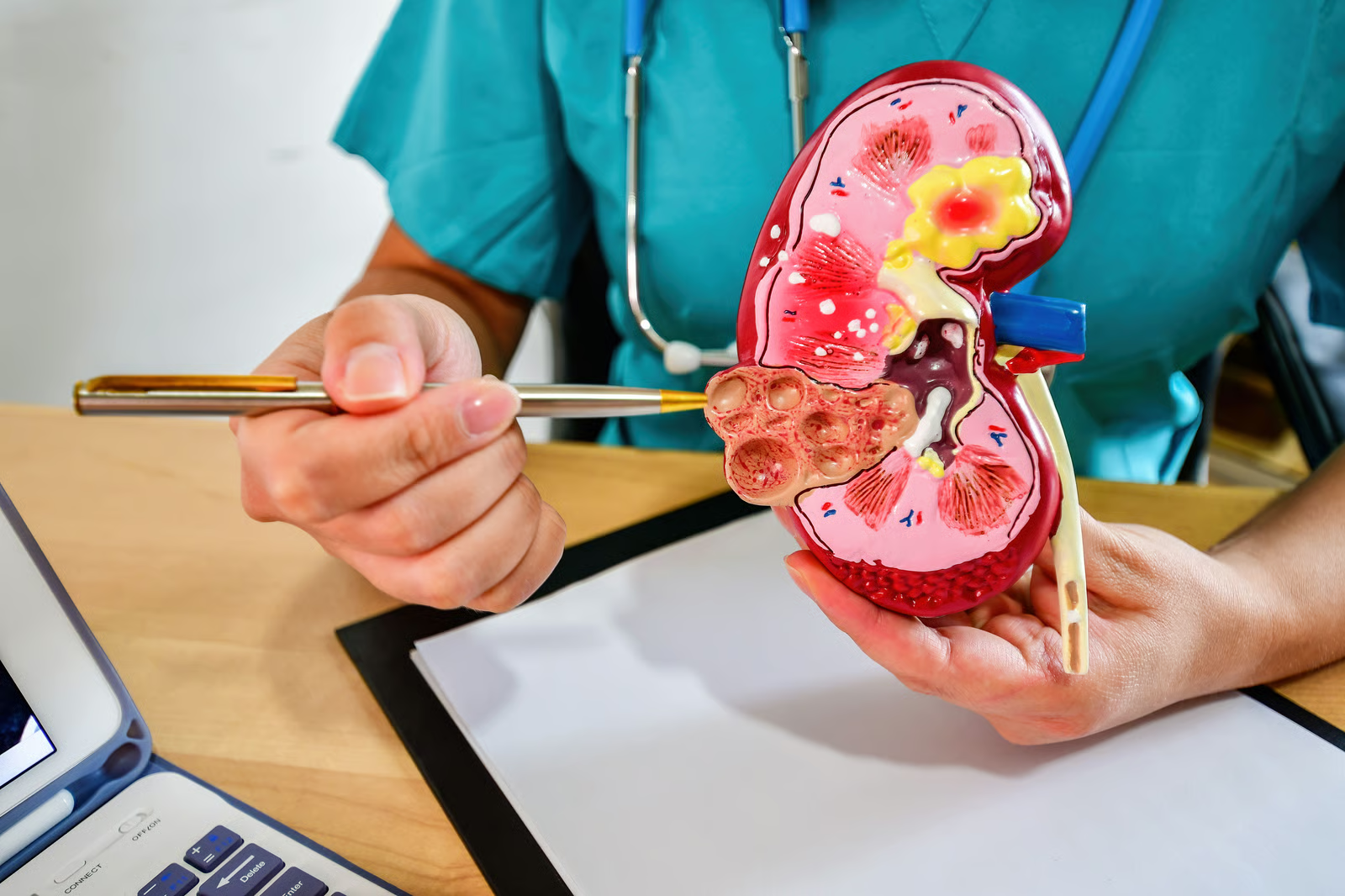
Kidney stones are very common and often cause sudden, severe pain. About one in ten people in the US will get a stone in their lifetime, and many will have another later. Stones often land patients in the ER, and when they don’t pass on their own, urologists break them up with an endoscope and a laser. Quick, effective treatment is crucial to relieve pain and prevent complications. In short, even small improvements in how stones are broken can have a big impact for many patients.
In practice, the way a stone is broken matters a lot. If a laser creates very fine dust, those tiny particles can often pass naturally or be flushed out easily. Larger chunks usually need to be snared with a basket, which takes extra time. Also, a laser strike can sometimes make the stone “jump” away (retropulsion). Reducing that jumping effect saves time. A laser that dusts well and cuts down on retropulsion can make an operation run smoother. Less chasing after stones and smaller leftover fragments mean shorter procedures and a higher chance that patients leave stone-free.
Most urologists currently use holmium lasers for lithotripsy. The ELYRA system uses thulium fiber laser technology instead. Thulium lasers fire energy at a slightly different wavelength and can operate at very high pulse rates. They also use much thinner fibers that bend easily in tight scopes. In lab tests, thulium lasers break stones into much finer fragments. In simple terms, they make finer “dust” from the stone. This dust is easier to flush out or pass naturally. Initial reports suggest thulium lasers cause less kick-back on the stone, so it’s less likely to shoot away. If these features hold up in real surgeries, they could change how surgeons approach stone treatment.
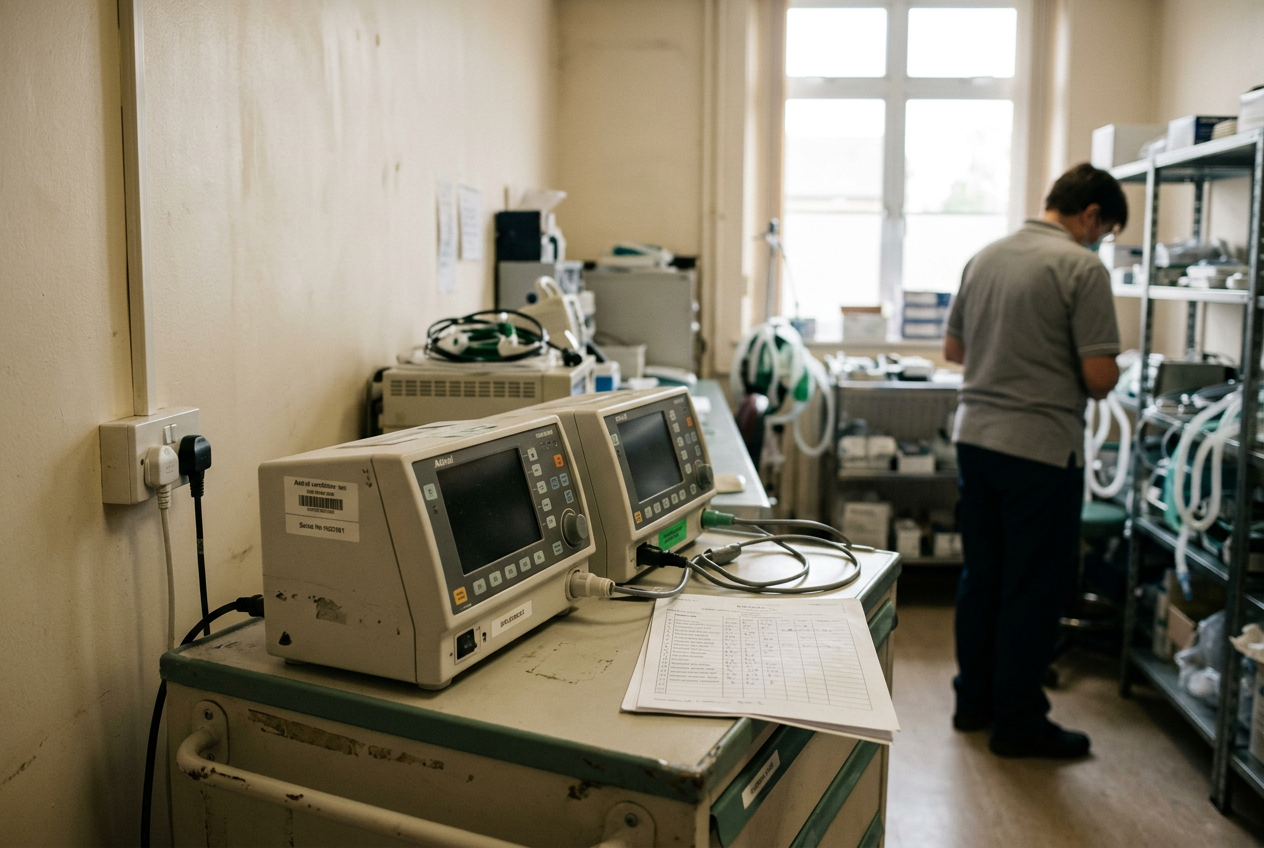
Beyond the laser itself, the ELYRA machine offers ergonomic advantages. It’s air-cooled, so it needs no bulky water pump. That means fewer hoses on the floor and much less noise. Surgeons often note that standard lasers can be quite loud; a quieter unit can make the OR calmer. The ELYRA also has a smaller footprint, so it fits in tight spaces and frees up room around the patient. Each device can start up quickly with one-touch presets. An optional wireless foot pedal lets the surgeon fire the laser without being tethered by cords. These design touches might seem small on their own, but together they can shave valuable seconds off each case and keep a busy surgical schedule on time.
Of course, any performance claims need real-world proof. A manufacturer’s early cases may look great, but hospitals will want independent data. Urologists will look for published studies or peer feedback comparing ELYRA to their current lasers. Do patients really have higher stone-free rates? Are complication rates lower? Without solid answers, many centers may wait before switching. Still, even modest gains can matter when OR time is precious and patient outcomes improve.
Who It Affects
Urologists and their teams are the immediate audience. For surgeons, the top priorities are clearing stones safely and efficiently. The ELYRA offers features like customizable presets and an optional wireless foot pedal, which could streamline cases. Nurses and technologists will notice practical factors: how long it takes to power up, whether the machine fits neatly by the table, and how loud it runs. A quieter, more compact device can reduce setup time and stress for the whole team.
Hospital executives and surgery center managers will evaluate costs and logistics. Replacing or adding a laser is a big investment. They will compare ELYRA’s price, service contracts, and supply costs (such as disposable fibers) to what they use now. A smaller, air-cooled unit might save on maintenance (no pumps to fix) and fit in more rooms. Administrators will consider if faster procedures or higher throughput justify the expense. They may also value that ELYRA fits into BD’s broader urology portfolio – a center already using BD scopes and tools might find it simpler to keep one vendor. However, centers tied to another brand’s ecosystem could be slower to adopt a different system.
Patients won’t interact with the laser directly, but they’ll feel the impact of its performance. If the ELYRA really produces finer dust, patients might need fewer follow-up visits or stents. Faster procedures mean less time under anesthesia and a quicker recovery. In the best case, patients can go home truly stone-free with minimal discomfort. On the other hand, new technology often appears first in large hospitals and teaching centers. Patients in community settings might have to wait before this device is available in their area. Over time, if ELYRA shows clear benefits, more patients nationwide could indirectly benefit.
What Changes
Operating Room Workflow and Ergonomics
- The ELYRA system is designed to make the OR environment easier. It’s compact and air-cooled, so it eliminates bulky water-chillers and hoses. The result is less equipment and a much quieter room. Surgeons and staff note that standard lasers can be noisy; a quieter unit can reduce fatigue and improve communication. Because ELYRA takes up less floor space, it can fit in smaller procedure rooms and free up area around the patient. BD also includes workflow features like quick startup (no lengthy boot time) and one-touch power settings for each surgeon. An optional wireless foot pedal lets the surgeon fire the laser without being tied down by wires. These changes might only save seconds here and there, but in a busy schedule those seconds add up and help keep lists on time.
Fragmentation Approach
- The ELYRA’s thulium fiber laser changes the stone-breaking strategy. It’s optimized for a “dusting” technique rather than simply creating a few large fragments. Surgeons can fire a steady stream of low-power pulses to slowly crumble the stone into a cloud of very fine particles. These tiny fragments can then be flushed out or pass naturally, often without the need for baskets. Because the thulium pulses are more continuous and gentler, the stone tends to stay put instead of jumping away. This reduced retropulsion means less time chasing stones. In practice, dusting can mean shorter case times and higher stone-free rates, since fewer fragments are left behind. The ELYRA gives surgeons another way to approach stones, complementing traditional fragmentation methods.
Capital and Operational Considerations
Adopting a new laser involves financial trade-offs. Hospital decision-makers will compare ELYRA’s acquisition and maintenance costs to those of existing machines. Consumable costs are key: if ELYRA uses specialized single-use fibers or tips, each procedure becomes more expensive. On the other hand, if its fibers are reusable for many cases, that lowers the per-case cost. Because ELYRA is air-cooled, it may require less upkeep (no pumps to service), potentially saving on service fees. Administrators will crunch the numbers: do faster cases or extra daily procedures offset the higher equipment cost? Some hospitals may also factor in vendor integration. A hospital already using BD’s endoscopes and access tools might find it simpler to add ELYRA to the same system. However, those locked into another brand’s platform may prefer to stick with familiar technology.
Training and Integration
- Even the best technology requires training. Urologists and OR teams will need hands-on experience with ELYRA’s controls and safety protocols. BD provides training materials and often proctors first cases, which helps flatten the learning curve. Staff will update procedures as needed – for example, monitoring irrigation fluid temperature carefully, since thulium lasers can heat fluid more rapidly. One advantage for some hospitals is that the ELYRA is part of BD’s broader stone-management portfolio. A center already using BD scopes, sheaths or baskets may find it natural to add BD’s laser, simplifying vendor management and service. Conversely, hospitals committed to another vendor’s ecosystem might adopt the new device more cautiously.
Cost and Payer Perspective
- Introducing a new laser does not change billing rules. Kidney stone surgeries are reimbursed the same way regardless of equipment. Insurers care most about outcomes and total cost of care. For instance, if ELYRA-treated patients truly avoid repeat surgeries or shorten hospital stays, a health system saves money down the line. Those potential savings could justify the investment, but proving them requires time and data. In the meantime, each hospital will evaluate cost per procedure. If the ELYRA’s consumables add expense, that must be weighed against efficiency gains. Some health systems may run trials or collect in-house data to decide if the ergonomic and clinical benefits translate into financial value.
Outlook
- BD’s ELYRA entry is another tool in the kidney-stone toolkit that fits with a trend toward ergonomic, integrated devices. Early users appreciate its quiet operation and intuitive interface, but comprehensive comparisons are still ahead. Surgeons and hospitals will look for independent studies on the laser’s impact on case length, stone-free rates, and complication rates. Adoption patterns in community and ambulatory centers – where footprint and noise matter most – will be telling. Ultimately, whether ELYRA’s promise of faster, quieter, and more precise stone treatment translates into better patient outcomes depends on those independent experiences and analyses.
References
- National Institute of Diabetes and Digestive and Kidney Diseases. Definition & Facts for Kidney Stones. NIDDK. 2017. View source [\[niddk.nih.gov\]](https://www.niddk.nih.gov/health-information/urologic-diseases/kidney-stones/definition-facts)
- Tang X, Wu S, Li Z, Wang D, Lei C, Liu T, et al. Comparison of thulium fiber laser versus holmium laser in ureteroscopic lithotripsy: a meta-analysis and systematic review. BMC Urology. 2024. View source [\[pmc.ncbi.nlm.nih.gov\]](https://pmc.ncbi.nlm.nih.gov/articles/PMC10875760/)
- Traxer O, Corrales M. Managing urolithiasis with thulium fiber laser: updated real-life results—a systematic review. Journal of Clinical Medicine. 2021. View source [\[pmc.ncbi.nlm.nih.gov\]](https://pmc.ncbi.nlm.nih.gov/articles/PMC8347545/)
- Becton, Dickinson and Company. BD Delivers Kidney Stone Care for Urology Teams with the Elyra™ Thulium Fiber Laser System. PR Newswire. 2026. View source [\[prnewswire.com\]](https://www.prnewswire.com/news-releases/bd-delivers-kidney-stone-care-for-urology-teams-with-the-elyra-thulium-fiber-laser-system-302778493.html)
One story a day
The story of the day, in your inbox
One health journey each morning — no advice, no alarm, just company for the road.