Big Ideas from the 2026 American Academy of Neurology Annual Meeting (AAN): What’s Changing in Brain Health and Why It Matters
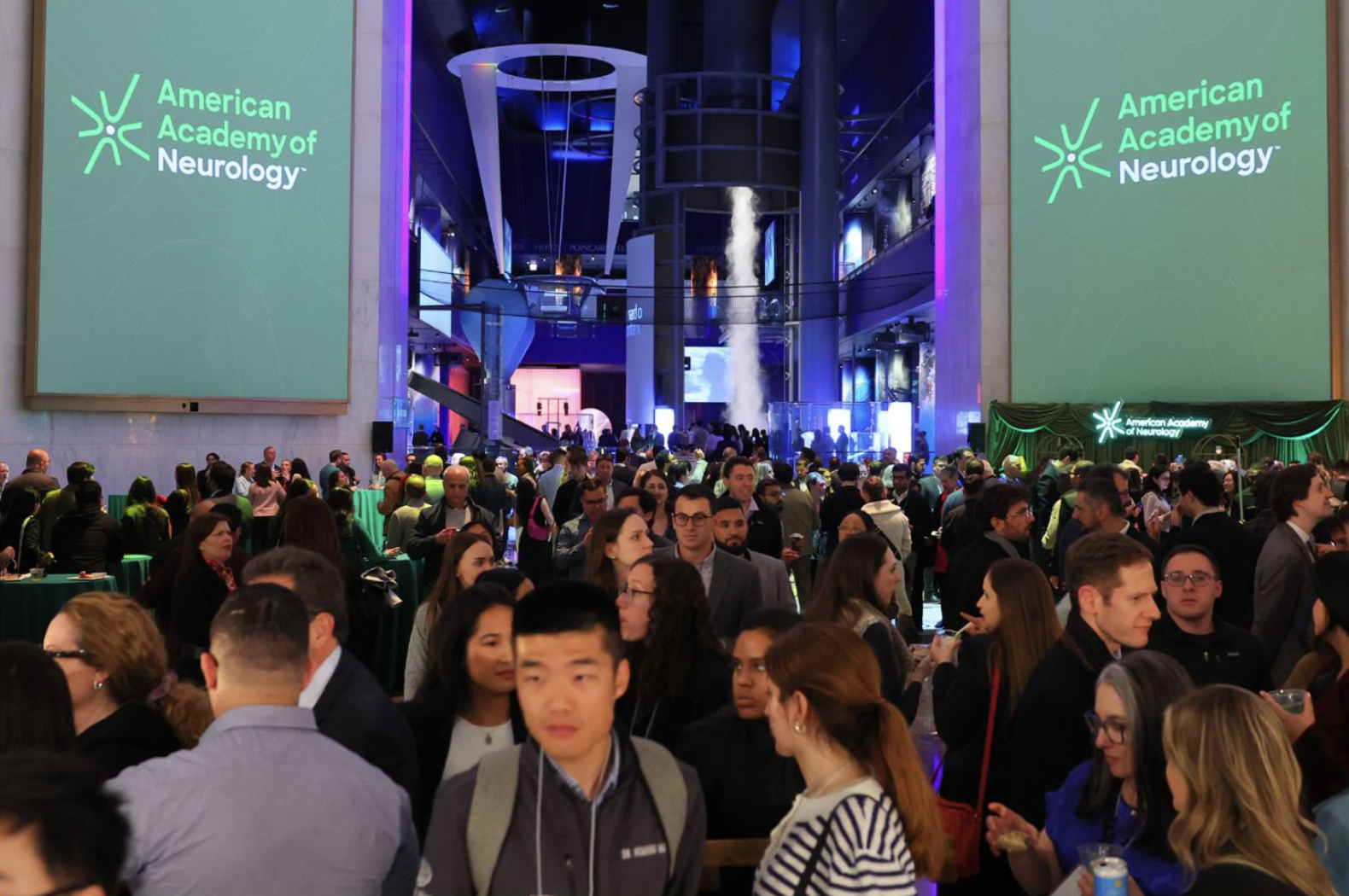
As in previous years the Annual Meeting of the American Academy of Neurology (AAN) was a large convention
 Written and medically reviewed byRayan SalihContributing writer · PharmD, RPh
April 30, 2026 · 13 min read

As in previous years the Annual Meeting of the American Academy of Neurology (AAN) was a large convention of neurologists from all over the world. At the AAN Meeting health care providers, scientists and policy makers from all over the world gather once a year to take stock of neurology and look into the future. This year’s Annual Meeting underscored a major shift in the treatment of patients suffering from neurological diseases, namely that of an earlier stage of diagnosis and individualized, biology-driven treatment of patients with neurological diseases.
As one of the world’s largest meeting of clinicians and scientists in the field of neurology, the AAN Annual Meeting highlights the progress being made in earlier and more precise diagnosis and individualized treatment of a host of different neurological conditions. As the field of neurology continues to evolve at a rapid pace, attention is also being drawn to a host of other systems and issues which affect patient care and the broader neurologic community as a whole.
At the AAN meeting this year clinicians, researchers and policy makers from around the world came together to share insights on where the field of Neurology is today and where it is headed in the future. As new diagnostics and treatment options for diseases of the brain, spinal cord and nervous system are being introduced, there is also greater recognition of the broader systems that affect patient outcomes.
A fine line between hype and hope
Advances in the diagnostics and therapeutics of a variety of rare neurological diseases as well as in gene therapy have led to the ability to make an earlier diagnosis and treat a number of patients with these conditions. However, for the vast majority of neurological conditions, effective treatment remains elusive. The emerging treatments for Alzheimer’s disease, for example, have created a lot of hype and much of the evidence does not support the claims being made. Instead, patients and their families are best served by an effective patient and family advocacy, a focus on health equity, and a commitment to providing the best global neurological care.
A Shift Toward Biological Diagnosis
Bridging the Gap From Symptom to Biology: A Paradigm Shift for Neurological Care.
Advances in MS Diagnosis. The new criteria for the diagnosis of MS are designed to improve the accuracy of MS diagnosis using a more biological definition of the disease. The new criteria require evidence of disease activity that is disseminated in time and in space. This can be determined by MRI and by biomarkers. There are now patients with atypical presentations of MS as well as patients who are only minimally symptomatic who can be diagnosed with MS.
Why it matters
The ability to diagnose patients with MS earlier in the course of their disease as well as patients with atypical or minimal symptoms allows for a diagnosis and treatment of disease activity before it causes long-term disability. For patients and their families who in the past had to wait months or even years to receive a definitive diagnosis of MS, the opportunity to start their disease treatment much sooner is profound.
Who it affects
- Patients with early or atypical neurological symptoms
- Neurologists adapting to new diagnostic criteria
- Health systems managing increased demand for imaging and biomarker testing
What changes
- Less reliance on repeat MRIs or invasive procedures like lumbar punctures
- Greater use of biomarker-informed treatment decisions
- Earlier intervention as a standard of care
Another area of neurology where the new approach to diagnosis has made a big change is in the diagnosis of Alzheimer’s disease. Recently introduced are blood-based biomarkers for the underlying pathology of Alzheimer’s disease, most notably plasma p-tau217.
While less invasive than a PET scan or CSF analysis, these new tests are not without their challenges. First, there is still considerable uncertainty as to how to best to use these tests. How to interpret results in individual patients? How to integrate results into a patient’s overall clinical evaluation? And, finally, how to ensure that these tests are adequately reimbursed by payers. There is considerable variability in results between individual patients.
The Rise of Blood-Based Testing in Alzheimer’s Disease
With recent advances in blood-based testing for Alzheimer’s disease, blood tests instead of a PET scan, or even more invasive analysis of the cerebrospinal fluid to determine levels of amyloid-beta and tau in people with Alzheimer’s disease, neurologists are taking great interest in potential diagnosis of Alzheimer’s by blood test.
Why it matters
The promise of an Alzheimer’s disease diagnosis using a blood test can lead to early interventions and their effective management, as well as to clinical trials which are currently under-enrolled.
Who it affects
- Patients experiencing cognitive decline
- Primary care physicians, who may play a larger role in early detection
- Payers navigating coverage decisions for new diagnostics
What changes
- Diagnosis may shift from specialty clinics to broader care settings
- Reduced diagnostic burden on patients
- Potential for population-level screening strategies
Note, though, that when treating patients with neurological illnesses one always has to remember the basic principle that one treats patients, not test results. The results from a test have to be correlated with the manifestations of the illness in the patient in order to be used for diagnostic purposes and possibly also for therapeutic purposes.
Autoimmune and Rare Neurological Diseases: Progress and Complexity
The idiopathic inflammatory myopathies (IIM) have made significant progress over the last years, but many open questions remain and treatment of each single patient is challenging due to heterogeneity of the diseases. In the IIM a variety of autoantibodies have been described which have become important for the diagnosis of single diseases, for definition of subgroups of patients and for treatment of individual patients. Another autoimmune disease of the nervous system is the MOGAD (myelin oligodendrocyte glycoprotein antibody-associated disease) which underlines the need for specialized testing and increased awareness of this and other rare diseases in clinical practice.
Why it matters
An accurate diagnosis for these diseases can change treatment significantly and have a profound effect on patient’s outcome as early intervention is crucial for improving outcome for these conditions.
Who it affects
- Patients with rare or misdiagnosed conditions
- Specialists navigating complex diagnostic pathways
- Laboratories and diagnostic companies
What changes
- Increased reliance on advanced serological testing
- Greater need for multidisciplinary care
- Ongoing gaps in diagnostic standardization
There are a number of new treatments currently being tested for a variety of conditions. For example, IVIG (Intravenous immunoglobulin) is one of the few treatments for which there is solid evidence from randomized controlled trials for the treatment of myositis. Other treatments are being investigated for use in a variety of different muscle and autoimmune diseases, including the JAK inhibitors.
Unfortunately for these diseases most are still not treated effectively and more innovations are needed to develop treatments for them.
Gene Therapy and the Future of Rare Disease Treatment.
Gene therapy for many rare neurological disorders has recently come to the forefront as the number of conditions for which there is now identified a genetic cause has exploded. Moreover, there are already examples of “N-of-1” (i.e. one gene, one mutation, one patient) gene therapy. There are over 7,000 identified rare diseases affecting over 300 million people world-wide, over 80% are genetic in origin, half present in childhood, and less than 5% have a treatment. This represents a huge shift in the way that we can treat individual patients with rare diseases, from being treated as part of a population with non-specific treatment, to the potential for a specific diagnosis and specific treatment, even if it is not yet an approved treatment for that specific condition.
Why it matters
Gene therapy is a new field for treatment of various diseases also affecting the nervous system. The advances in genome sequencing have allowed to identify the genetic causes of many of the rare neurological disorders. In some cases the management of these patients has changed with improved outcomes for individual patients. Gene therapy has already led to the development of individualized or N-of-1 type of therapies for a variety of diseases. These are treatments that are designed to correct a specific defect in one individual’s genes.
While it is possible to change management of a patient’s condition and lead to a better outcome for that individual with a genetic diagnosis of a rare disease, it is generally not possible to extend that type of improved management to other patients with the same condition. An exception to this rule is a child with intractable seizures and developmental delay found to have a biallelic mutation in SLC39A; his intractable seizures ceased and he learned to walk within a short period of time on simple manganese SLC39A8 therapy for his newly diagnosed condition. Designing a treatment similar for this child for the rest of rare diseases affecting thousands of individuals would be a great challenge.
Who it affects
- Patients with ultra-rare diseases and their families
- Biotech and pharmaceutical innovators
- Regulators adapting to novel therapeutic models
What changes
- Faster timelines from diagnosis to treatment
- New regulatory and reimbursement challenges
- Questions about scalability and equity
There are many diseases of the nervous system for which there is no effective treatment, and in fact for the vast majority of rare diseases there are no approved therapies. The field of neurogenetic disease, however, is rapidly evolving. A definitive genetic diagnosis for the vast majority of suspected cases of neurogenetic diseases can now be provided by Next-Generation Sequencing (NGS) of the patient and his or her family members. Although only about 5% of the rare diseases have approved therapies for them, the field is moving at a rapid pace. As a result of this, the grueling “diagnostic odyssey” experienced by patients and their families for years past is giving way to a “therapeutic odyssey” – a journey that will lead to effective treatments. Recently, a commercial gene therapy (Zolgensma) was approved for and is being used to treat children with Spinal Muscular Atrophy (SMA), a neurogenetic disease. The vast majority of rare diseases, however, do not have enough patients to be of commercial interest to pharmaceutical companies. In such cases, individualized or “bespoke” genetic therapies are being developed in academic centers to treat individual patients or a very small number of patients with the same disease. The “medicines” can be in the form of customized Antisense Oligonucleotides (ASOs) or AAV gene-replacement therapies and have been used to treat for example the SPG50 (Hereditary Spastic Paraplegia).
CAR-T Cell Therapy: Crossing from Cancer to Neurology
Chimeric Antigen Receptor (CAR) T-cell therapy: from cancer to Neurology.
Why It Matters
CAR-T cell therapy for gMG could be a permanent “immune reset” leading to a paradigm shift in the treatment of this chronic and often disabling disease. As more and more oncologists are treating their cancer patients with CAR-T cell therapies, the potential for serious neurotoxicity of these therapies is becoming increasingly apparent and neurologists will have to become familiar with the range of neurological toxicity and be able to diagnose and treat early to prevent severe and potentially irreversible brain damage.
Who It Affects
The field of severe autoimmune neurological diseases (e.g. Generalized Myasthenia Gravis) as well as the growing number of patients undergoing cancer immunotherapy.
What Changes
There are CAR-T cell therapies in development for the severe, treatment-refractory autoimmune neurological diseases. In Generalized Myasthenia Gravis (gMG) patients, after a single infusion of their miv-cel product, a type of CAR-T cell, all patients in a 13-patient Phase 2 trial had a rapid, robust, and sustained improvement of their symptoms enabling them to stop their chronic administration of high-dose steroids and other immunosuppressive agents and have a drug-free remission of their symptoms.
However, there are cancer patients receiving immunotherapy for their cancer who are experiencing neurological toxicities of long duration that have serious consequences, causing problems such as aphasia, or a severe tremor, or even cerebral edema of life-threatening duration. As the numbers of such patients receiving such therapies increases exponentially the neurologist treating them must become knowledgeable regarding the full array of such problems and be able to recognize and manage them optimally to prevent long lasting brain damage.
The GLP-1 Debate: Hype or Hope for Neurology?
Some of the most exciting research in neurological disease has revolved around the potential for GLP-1 receptor agonists (e.g. exenatide, liraglutide) for treatment of a variety of neurological conditions. This was a “hot topic” at the GLP-1 Global Public and Scientific Affairs meeting.
- On one side: skepticism. Clinical trials in Alzheimer’s and Parkinson’s disease have largely failed to show a clear benefit so far.
- On the other: cautious optimism. These drugs have well-established metabolic benefits and may influence pathways linking the body and brain, such as insulin resistance.
Why it matters
They may also be used in a number of neurodegenerative diseases with a potential novel treatment in this very large unmet need of medicine.
Who it affects
- Patients with Alzheimer’s, Parkinson’s, or stroke risk
- Clinicians evaluating off-label use
- Payers managing rapidly expanding drug categories
What changes
- Increased scrutiny of real-world evidence
- Continued investment in large-scale trials
- Ongoing tension between enthusiasm and evidence
But for now, neurologists are in the dark and are waiting for the facts. They are trying to work out how they can incorporate these new treatments into their own practice and what benefit they will bring to their patients.
Neurology Meets Public Health and Advocacy
There were also several sessions that focused on Neurology from a Public Health and Advocacy Perspective. These sessions discussed how neurologists can advocate for their patients at the local, state, and federal level. The sessions provided insights on how to influence local and state policymakers and how to get involved with professional and patient advocacy organizations. There were also many discussions about funding for neurological research as well as funding for the care of patients with neurological disorders. These sessions provided insight into ways that physicians can make a difference by working through professional societies and patient organizations.
The conference sessions explored ways in which to improve access to care, influence funding for research, and practice effectively in a variety of health care systems. Many sessions described ways in which neurologists can work with and through professional and patient organizations, as well as local, state and federal governments, and with other health care providers and with payers to improve the care of individuals with neurological illnesses.
Why it matters
The practice of neurological care is not confined to the bedside or clinic. There are many situations outside of the healthcare system in which a physician can practice and have an impact on their patients. These can include building coalitions, collecting and analyzing data, and taking action at the local, state or federal level. There were many examples presented at the meeting of neurologists working to improve access to care and to advocate for their patients. These included efforts to improve access to menopause hormone therapy for treatment of “brain fog” and efforts to ensure the rights of detained immigrants.
Who it affects
- Vulnerable populations, including migrants and rural communities
- Clinicians navigating resource constraints
- Policymakers shaping healthcare systems
What changes
- Greater emphasis on health equity in neurology
- Expanded role for advocacy in clinical careers
- Increased collaboration across sectors
Rethinking Hormones and Brain Health
MHT also had a lot of attention focused on its’ effects on the brain. As estrogen has some neuroprotective effects there have been studies to look at the potential of MHT for improving cognitive function. So far there is not enough clear evidence to warrant the use of MHT for improving brain power but as all cognitive problems in menopausal women are common and not typically progressive to dementia or Alzheimer’s disease it does help set the bar for what are to be expected ‘normal’ cognitive changes as well as give clinicians a sense of appropriate use of MHT.
Why it matters
The new knowledge about the potential effects of hormones on brain health can be used to change patient’s expectations as well as to improve care of women going through menopause.
Where Neurology Is Headed
The AAN Annual Meeting marked another milestone year for the field of neuroscience.
Neurology is becoming:
- More precise, through biomarkers and genetics
- More proactive, with earlier diagnosis and intervention
- More personalized, via targeted and individualized therapies
- More connected, integrating policy, advocacy, and global health
New Challenges for New Answers
The Bottom Line
The biggest lesson I learned by attending the AAN Annual Meeting is how our view of the neurological diseases is changing.
We are moving from:
- Symptoms → biology
- Late diagnosis → early detection
- One-size-fits-all → personalized care
The challenge for all of us is to support the best patient care with ever increasing innovative tools of the field of neuroscience. For now this great innovation will not yet be translated in the care of most patients yet. However earlier diagnosis and application of best health care can be provided to more patients at the right time and in the best way in order to get the best results. Also the health system needs to be supported to implement these changes as fast and effective as possible.
The field of neuroscience continues to evolve and rapidly incorporate a variety of leading-edge technologies as well as methodologies of innovative research to diagnose and treat a number of conditions that affect the nerves and brain of many patients.
One story a day
The story of the day, in your inbox
One health journey each morning — no advice, no alarm, just company for the road.