Cardiovascular Intelligence Software Receives U.S. Food and Drug Administration Clearance
Retia Medical has received FDA clearance for the Argos Infinity, which enables cardiovascular monitoring and decision support at
 Written and medically reviewed byDr. Abu BakarContributing writer · PharmD, PhD (Pharmacology)
February 22, 2026 · 7 min read
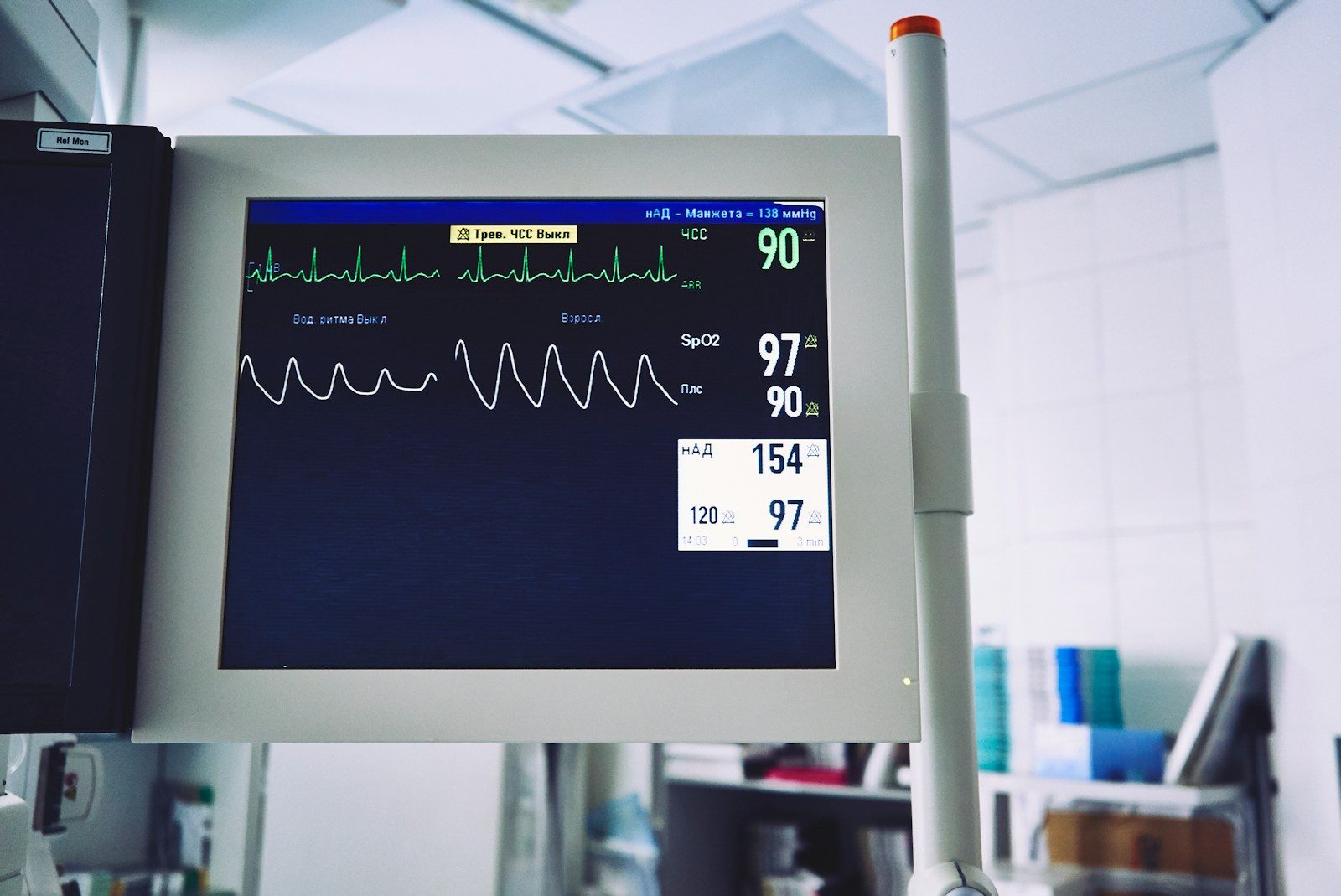
Retia Medical has received FDA clearance for the Argos Infinity, which enables cardiovascular monitoring and decision support at the bedside for high-risk surgical patients and those in the intensive care unit. Argos Infinity not only offers real-time cardiovascular information but also provides trend alerts and integration with existing software currently found on bedside monitors and Tele-ICU platforms. Information, such as cardiac output and other relevant hemodynamic parameters, are calculated in real-time using Retia’s proprietary Multi-Beat Analysis, empowering clinicians with early, informed decision-making by detecting signs of hemodynamic instability before severe complications arise.
Why It Matters
Understanding hemodynamics better can save minutes or seconds of precious time between a patient’s clinical deterioration and the diagnosis of the underlying cause. Typically, a decrease in cardiac output or perfusion is not immediately apparent from a patient’s blood pressure or heart rate. Early detection of such instability can prevent serious harm to patients through the timely administration of fluids, vasoactive medications and patient specific changes in their ventilator strategy and/or anesthetic plan. Argos Infinity software provides both the patient and their physician with a detailed snapshot of a patient’s cardiovascular status from conventional arterial waveforms and other patient data.
Argos Infinity is the first Argos to rely on software interpretation of existing digital data streams, no additional monitor is needed to implement throughout the hospital, including OR and ICU locations. Ideal for facilities with staffing shortages facing heavy patient loads, Argos Infinity automates and standardizes the continuous interpretation of early signs of hemodynamic deterioration to support clinicians’ critical decisions. The Multi-Beat Analysis software methodology has been validated through multiple method comparison studies using multiple cardiac output reference technologies in both surgical and ICU patient populations.
As perioperative and critical care enter a period of advanced therapeutics, the vast majority of potential improvement will come from making sense of large data streams. The software is now proven in perioperative and critical care settings and has gained regulatory clearance for general use, opening the proven software up to hospitals interested in improving patient safety and quality. Preliminary work under IRB on hundreds of monitored beds across the country demonstrates the software’s feasibility. As more monitoring teams become data-driven, the software has the potential to improve clinical workflows, alarms, and patient escalation. In many cases, the software can provide early warning for clinicians to administer care that forestalls clinical deterioration.
Who it affects
This monitor would be most useful to anesthesiologists, intensivists and surgical teams whose patients would be most susceptible to hemodynamic instability. These are patients of anesthesiologists, intensivists and surgical teams undergoing major surgical procedures for which continuous monitoring of the patient’s fluid status and hemodynamic function would be useful in the decision making process during the perioperative period. They would utilize data such as the continuous cardiac output to manage fluid and vasoactive medications and to appropriately monitor their patients postoperatively in the Intensive Care Unit or post-anesthesia care unit. In addition, the trends and alarms from this monitor would assist ICU and PACU nurses in prioritizing their assessment of patients and in rapidly responding to a patient’s deteriorating hemodynamic status.
Leadership at hospitals and perioperative centers/suites will benefit in the long run. Early detection of patient deterioration before it is apparent from standard clinical monitors can prevent many adverse events such as AKI, arrhythmias and prolonged ICU stays allowing for shorter LOS, fewer readmissions and improved hospital throughput. Argos Infinity seamlessly integrates into the IT infrastructure of a hospital without needing to replace monitors. The software does not require a lot of additional hardware to run. As a result, it is easily implementable throughout a hospital.
These monitors are particularly useful in patients at highest risk for hemodynamic instability and in those in whom early detection of such compromise would be most beneficial. These include patients scheduled for major cardiac, vascular and thoracic surgery and those in the medical ICU with a diagnosis of sepsis or shock. Patients with minimal physiologic reserve, the elderly and the multimorbid patient would particularly benefit from early detection of decreased cardiovascular performance and the ability to deliver individualized therapy, based on objective data, evidenced by clinical response, to prevent further organ dysfunction and allow for a more rapid recovery.
What changes
- Clinically, Argos Infinity’s real time cardiovascular metrics can lead to earlier and more targeted interventions. When teams see trending drops in cardiac output or worsening perfusion, they can test and treat sooner. That could mean prompt fluid responsiveness testing, earlier initiation or adjustment of vasoactive drugs, and faster mobilization of resources such as bedside echocardiography or critical care consultation. Over time, integrating these insights into perioperative and ICU protocols may formalize new escalation triggers tied to the software’s outputs, improving consistency in how teams respond to early hemodynamic signals.
- Operational and economic impacts may follow. Software that augments monitoring without adding new bedside hardware can be deployed more quickly and at lower incremental cost than full monitor replacements. Hospitals may therefore achieve improved situational awareness across multiple units with modest infrastructure changes. If clinical use leads to fewer complications and shorter ICU stays, the total cost of care may fall even while quality improves. Real world outcome studies and health economic analyses will be needed to quantify these benefits across diverse hospitals and patient populations.
- Implementation considerations Successful adoption requires careful integration with existing workflows and attention to user training. Clinicians must understand what the software measures, how to interpret trends, and which interventions are appropriate when alerts occur. Institutions should define clear escalation protocols linked to the software’s outputs to avoid alarm fatigue and unnecessary interventions. Pilot deployments can identify logistical challenges such as data feed configuration, validation against local clinical practices, and staff acceptance. Ongoing collaboration between vendor teams and clinical informatics staff helps ensure robust, secure data flows and seamless presentation of insights within the clinician’s usual monitoring environment.
- Evidence base and validation The Multi-Beat Analysis method behind Argos Infinity has been studied in peer reviewed clinical publications that compare its cardiac output estimates to reference methods. Those studies show acceptable agreement and adequate trending ability in several perioperative and critical care settings. The clinical literature supports the algorithm’s use for detecting changes in cardiac output across a range of conditions including arrhythmia and low output states. With the FDA clearance, the software platform now moves from limited research or IRB deployments toward broader clinical availability, but continued post-market surveillance and prospective outcome research will be important to confirm clinical impact across varied real world settings.
- Safety, regulation, and data governance Regulatory clearance confirms that the FDA considers the device substantially equivalent to predicate devices in terms of safety and performance for its intended use. However, clinicians should remember that algorithmic outputs are decision support and not replacements for bedside assessment and clinical judgement. Hospitals must ensure secure handling of physiologic data, compliance with health data privacy regulations, and clear policies on clinical responsibility when software provides alerts. Integration into electronic health records and documentation workflows should preserve auditability of decisions and actions taken in response to software outputs.
- Future directions This clearance could accelerate other software innovations that mine routine physiologic data for clinical insight. As more platforms demonstrate clinical value, vendors and health systems may collaborate on larger multi-center trials to test whether real time cardiovascular intelligence reduces hard outcomes such as organ dysfunction, ICU length of stay, or mortality in targeted populations. In parallel, work to harmonize data formats and build scalable telemetry infrastructures will make it easier to expand such capabilities across regional health systems. Continued evaluation should also focus on equitable access so advantages reach hospitals of different sizes and resource levels.
- Practical advice for clinicians and administrators Start with a pilot and measure both process and clinical outcomes. Track metrics such as time to recognition of hemodynamic deterioration, interventions triggered by software alerts, fluid and vasoactive usage patterns, and patient outcomes including organ dysfunction and length of stay. Engage frontline clinicians early, develop clear escalation pathways tied to software outputs, and plan ongoing education to sustain appropriate use. Pair implementation with data governance, cybersecurity checks, and a plan for incremental scaling based on measured benefits. In addition to measuring clinical metrics, define clear baseline data before implementation so comparisons are meaningful. Review historical rates of hypotension episodes, unplanned ICU transfers, acute kidney injury, and postoperative complications. Establish target benchmarks and timelines for evaluation at 30, 60, and 90 days. Regular review meetings with clinical champions, nursing leaders, and informatics teams can help interpret findings and adjust workflows promptly. It is also important to assign clear accountability. Identify physician and nursing leads who can oversee protocol adherence and act as points of contact for troubleshooting. Provide structured training sessions and simulation scenarios so staff become comfortable interpreting software outputs and integrating them into decision making without overreliance. Encourage feedback from bedside teams to refine alert thresholds and minimize alarm fatigue. Conclusion Argos Infinity’s FDA clearance is an important milestone for cardiovascular intelligence applied to high risk surgical and critical care environments. By delivering validated hemodynamic estimates from routine monitoring streams, the software promises earlier recognition of instability and a pathway to more consistent, data driven responses at the bedside. Realizing the potential of this technology will depend on thoughtful integration, ongoing evaluation of clinical outcomes, and scalable deployments that respect data privacy and clinical governance. As health systems adapt to new ways of using continuous physiologic data, such tools may become standard components of perioperative and critical care monitoring toolkits.
References:
One story a day
The story of the day, in your inbox
One health journey each morning — no advice, no alarm, just company for the road.