Clinical Briefing: The Dawn of Non-Stigmatizing Seizure Detection
For patients with uncontrolled epilepsy, the threat of an unexpected seizure is a constant source of profound anxiety….
 Written and medically reviewed byRayan SalihContributing writer · PharmD, RPh
May 29, 2026 · 9 min read
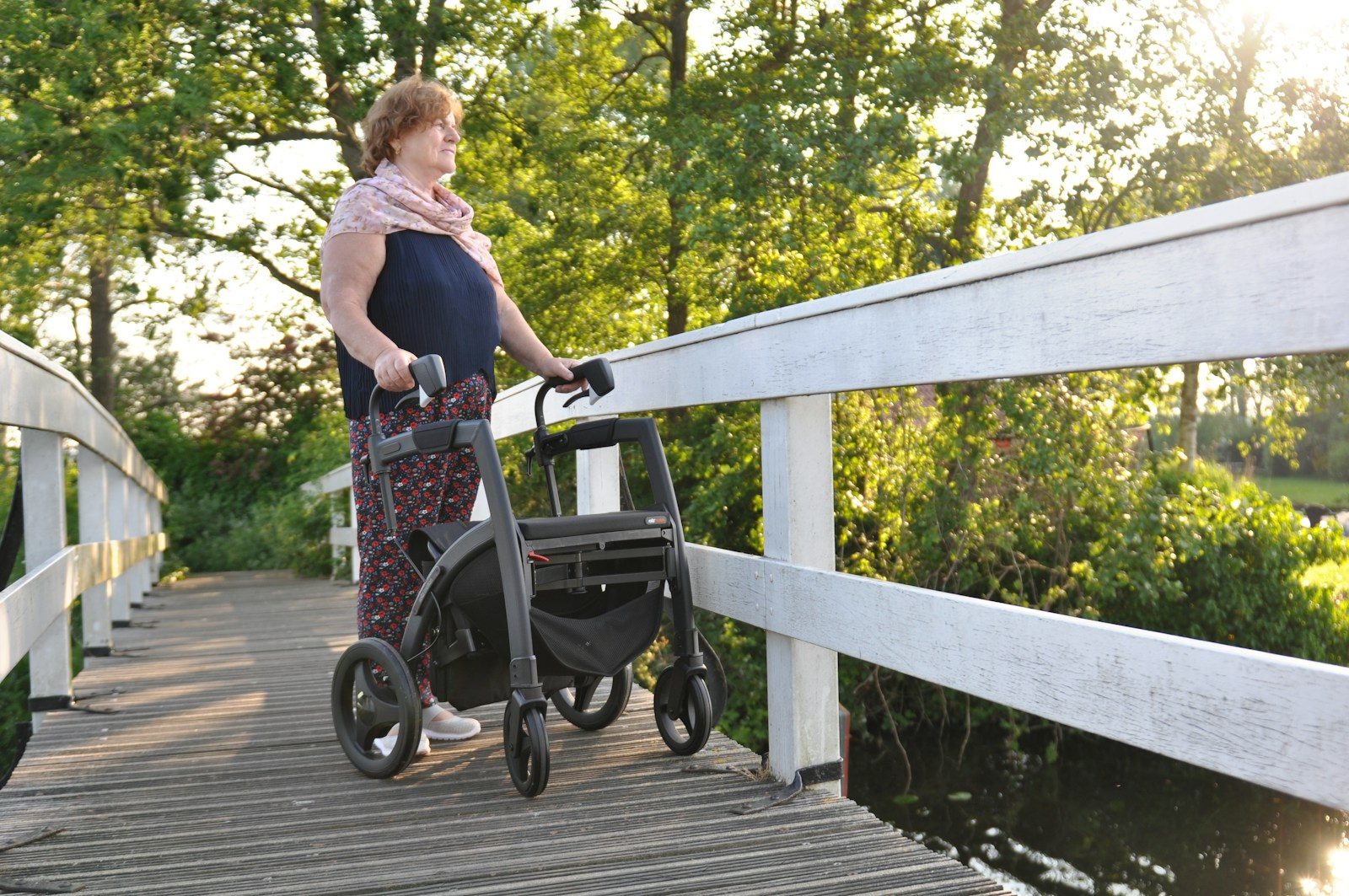
For patients with uncontrolled epilepsy, the threat of an unexpected seizure is a constant source of profound anxiety. While the physical hazards of an acute episode are obvious, the hidden reality of epilepsy care is often defined by social isolation, systemic stigma, and the terrifying prospect of nocturnal events occurring completely unobserved.
For years, wearable technology promised to solve this crisis by acting as a digital lifeline. However, first-generation dedicated medical monitors have frequently fallen short of clinical utility. These specialized, visually conspicuous devices often exacerbate social stigma by inadvertently disclosing a patient’s medical condition to peers, colleagues, or the public. Worse yet, they have been plagued by notoriously high false alarm rates (FARs). This constant stream of false positives quickly induces “alarm fatigue,” leading exhausted family members and caregivers to disable the alerts or ignore them entirely, rendering the technology useless when a true emergency occurs.
Class I Multicenter Evidence for the EpiWatch App
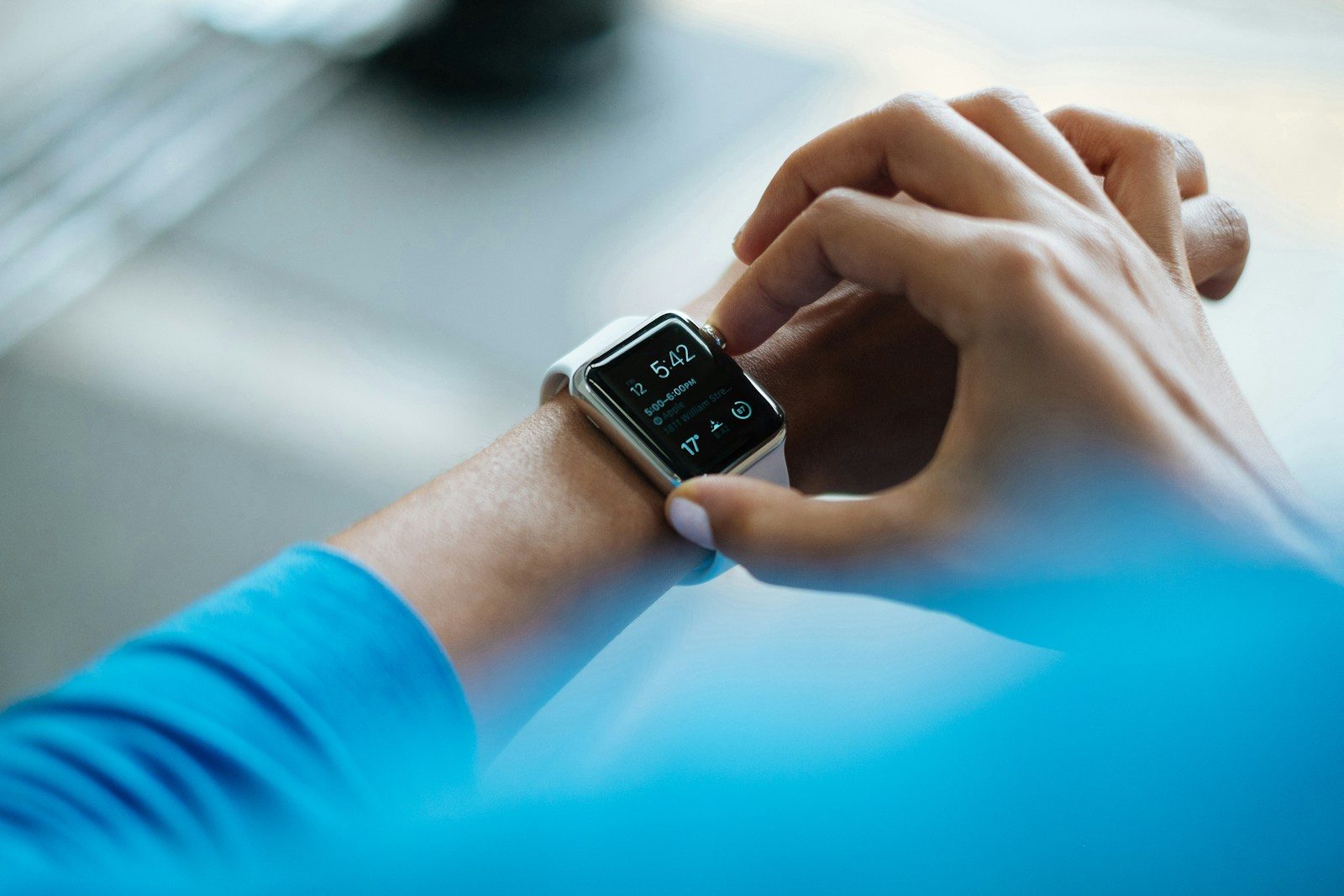
New peer-reviewed data published in Neurology Open Access (2026) marks a major turning point in epilepsy management. The landmark Phase III Trial of EpiWatch for Tonic-Clonic Seizure Detection in Children and Adults provides Class I diagnostic evidence for a novel software-based solution running on a standard, mass-market consumer wearable device. By shifting the diagnostic paradigm from specialized hardware to an advanced algorithm running on the ubiquitous Apple Watch, investigators have demonstrated that high-sensitivity seizure detection can coexist with a dramatically lower false-alarm rate.
Why It Matters
Mitigating SUDEP Risk Without Alarm Fatigue
The primary clinical imperative driving the development of seizure detection wearables is the prevention of Sudden Unexpected Death in Epilepsy (SUDEP). Uncontrolled tonic-clonic seizures (TCSs) are the single greatest risk factor for SUDEP, particularly when they occur in patients who live or sleep alone.
The Pathophysiology of SUDEP
The postictal phase immediately following a TCS is a window of extreme physiological vulnerability. Characterized by diffuse electroencephalographic (EEG) suppression, flaccid immobility, and profound respiratory dysfunction, patients frequently experience transient apnea that can rapidly deteriorate into terminal cardiorespiratory arrest. Because postictal immobility prevents patients from shifting position, victims of SUDEP are frequently discovered face-down in their bedding, suggesting that a significant portion of these tragic deaths are caused by accidental airway obstruction.
Crucially, epidemiological data show that individuals who share a bedroom experience a threefold reduction in SUDEP risk. This dramatic survival advantage emphasizes a vital clinical reality: timely caregiver intervention, such as repositioning the patient, clearing the airway, or administering emergency rescue medications, can prevent a postictal respiratory pause from becoming fatal.
The Barrier of Alarm Fatigue
Recognizing this window of opportunity, the International League Against Epilepsy (ILAE) has actively recommended wearable devices for automated TCS alerting. However, implementation has historically failed due to poor user adherence driven by high false alarm rates. Human factors research indicates that when a safety alert has a positive predictive value (PPV) below 0.5, meaning a false alarm occurs more frequently than a true event, caregivers fall victim to the “cry wolf ” effect and increasingly ignore or silence the system.
The EpiWatch Phase III trial directly addresses this fundamental barrier by achieving an unprecedentedly low false alarm profile without sacrificing clinical sensitivity.
- Clinical Sensitivity: The app achieved an overall sensitivity of 98% (95% CI, 95%–100%), successfully capturing 46 out of 47 panel-verified tonic-clonic seizures across the participating centers. The single missed event occurred only because a caregiver stepped in early and firmly held down the participant’s watch-bearing arm, physically dampening the accelerometric signals required by the algorithm.
- Unprecedented FAR: Over 16,189 hours of continuous monitoring, the device recorded a mere 56 false alarms. This yields a false alarm rate of just 0.08 per 24 hours (95% CI, 0.02–0.12), which translates to a single false alarm every 12.4 days.
- Comparison to Existing Technology: When contrasted with prospective data from existing dedicated medical wearables, EpiWatch’s false positive profile represents a massive leap forward, proving to be an entire order of magnitude lower than standard devices on the market.
| Seizure Detection Wearable | Validated Testing Environment | Clinical Sensitivity | False Alarm Rate (FAR) | Median Detection Latency |
|---|---|---|---|---|
| EpiWatch (Krauss et al., 2026) | Inpatient Epilepsy Monitoring Unit | 98% | 0.08 / 24 hours (1 every 12.4 days) | 31.5 seconds |
| Embrace | Inpatient Epilepsy Monitoring Unit | 98% | 0.83 / 24 hours | 37.4 seconds |
| SeizureLink | Inpatient Epilepsy Monitoring Unit | 94% | 0.67 / 24 hours | 9.0 seconds |
| Brain Sentinel | Inpatient Epilepsy Monitoring Unit | 76%–100% | 1.4–2.5 / 24 hours | 7.7 seconds |
By pushing the false positive rate down to a negligible level, this software-based approach removes the primary logistical reason caregivers abandon automated monitoring, providing a highly reliable and sustainable protective net against SUDEP.
Who It Affects
Broad-Spectrum Diagnostic Utility Across Lifespans
A key strength of the Phase III EpiWatch trial is its rigorous, multicenter design, which validated the technology across an expansive and highly diverse patient demographic. Conducted across six specialized epilepsy monitoring units (EMUs)—including four pediatric and two adult centers—the study enrolled 242 participants spanning an age range from 5 to 76 years.
Pediatric vs. Adult Consistency
In many prior wearable validation studies, pediatric populations have been the Achilles’ heel of automated seizure detection. Children naturally exhibit much higher baseline rates of high-amplitude, repetitive, and erratic physical movements during normal waking activities, such as playing video games, clapping, or throwing tantrums. Consequently, alternative devices have historically suffered from substantially elevated false alarm rates when deployed in younger cohorts compared to adults.
The EpiWatch algorithm completely bucked this trend. It achieved consistent, high-tier diagnostic accuracy across all age brackets:
- Ages 5–12: 100% Sensitivity; FAR of 0.071 / 24 hours
- Ages 13–21: 95% Sensitivity; FAR of 0.098 / 24 hours
- Ages 22 and older: 100% Sensitivity; FAR of 0.079 / 24 hours
Statistical sensitivity analyses confirmed that neither age, sex, nor race had any significant modifying effect on the accuracy or low false alarm profile of the algorithm. This cross-demographic reliability makes it a versatile tool for pediatricians, child neurologists, and adult epileptologists alike.
While the study demonstrates broad applicability, the trial design establishes precise clinical boundaries that providers must heed before prescribing the application:
- Lennox-Gastaut Syndrome (LGS): Patients with LGS were explicitly excluded from the trial. Because LGS presents with a complex, heterogeneous mixture of multiple non-convulsive and tonic seizure types, the core EpiWatch algorithm—which was trained strictly to isolate the distinct motor features of generalized or focal-to-bilateral TCSs—is not indicated for these patients.
- Rett Syndrome: Patients with Rett syndrome were excluded due to their characteristic, continuous stereotypic upper extremity hand movements. These persistent non-epileptic movements deviate significantly from standard baseline data, and the algorithm was not trained to filter them.
- Age Limits: The software is currently validated and indicated strictly for patients aged 5 years and older.
What Changes
Shifting to Invisible, Prescription-Driven Care
The clinical validation of this platform marks an immediate, practical shift in how healthcare providers can prescribe and implement seizure monitoring.
1) The End of Cosmetic Medical Stigma
Historically, recommending a seizure monitor meant asking a patient to wear a visually distinct, stigmatizing medical appliance. For adolescents and young adults, the fear of public disclosure and social ostracization frequently led to a complete refusal to wear the equipment.
By securing FDA 510(k) clearance as a software-only prescription application downloadable directly onto a standard consumer smart watch, this approach completely de-stigmatizes seizure tracking. The patient appears to be wearing nothing more than a standard consumer accessory. This seamless integration into daily life vastly improves long-term, real-world user compliance.
2) High-Fidelity Performance During Sleep
Nocturnal monitoring has always been a major vulnerability in epilepsy home care, yet it represents the period of highest risk for unattended SUDEP. The Phase III data reveal that the app was 100% sensitive during sleep, successfully capturing every single nocturnal TCS event. Furthermore, every single false alarm triggered from a sleep state was directly associated with actual underlying non-TCS seizure activity. This means that a sleep-state alert is a highly reliable indicator of clinical distress, eliminating meaningless nighttime false alarms for families.
3) Capturing Non-TCS Motor Seizures
While the app is explicitly calibrated to identify true tonic-clonic events, 37.5% of the recorded “false alarms” were actually triggered by other focal epileptic seizures that featured pronounced motor signs, such as unilateral stiffening, localized clonic shaking, or automated hyperkinetic movements. From a practical perspective, detecting these events is highly valuable, as these focal motor seizures can still result in accidental falls, injuries, or significant postictal confusion.
4) Automated Latency Within the Golden Window
In an acute convulsive event, seconds save lives. The median duration of a typical TCS ranges from 62 to 92 seconds, while dangerous postictal generalized EEG suppression typically sets in within 36 to 42 seconds following the termination of motor activity. Clinical consensus guidelines state that automated monitors must detect a seizure and transmit an alert within 60 seconds of onset to allow for a meaningful caregiver intervention. The EpiWatch application easily satisfied this criterion, demonstrating a median detection latency of just 31.5 seconds from clinical onset.
5) Practical Clinical Implementation Protocols
To effectively bring this technology into standard practice, providers should adopt the following operational protocols:
- Prescription and Setup: The software is available by prescription on Apple’s App Store under the name “EpiWatch – Seizure Monitor”. It can be paired with relatively inexpensive, older, or refurbished models (Series 4 or newer), making it highly accessible.
- Wrist Placement Rules: Providers must instruct families to place the watch on the wrist contralateral to the patient’s known seizure focus. If the focus is unknown or completely generalized, placement is determined entirely by patient or caregiver preference.
- Connectivity Requirements: Families must be counseled that while the local detection algorithm runs natively on the watch, transmitting the automated text or app alert to a designated caregiver’s smartphone requires active Wi-Fi or cellular access.
- Caregiver Counseling: Caregivers must be educated on the rare risk of a false negative if they aggressively hold down or restrain the patient’s watch-bearing limb during a convulsion, as this physical dampening defeats the accelerometric sensors.
Elevating the Standard of Epilepsy Care
The validation of the EpiWatch platform via multicenter Class I evidence bridges a critical gap in neuro-therapeutics. By combining a high 98% clinical sensitivity with a remarkably low false alarm rate of 0.08 per 24 hours, this technology effectively solves the dual crises of cosmetic social stigma and caregiver alarm fatigue.
For the millions of families navigating the unpredictable dangers of uncontrolled epilepsy, integrating this consumer-facing, clinically validated app into a comprehensive treatment plan provides a vital, evidence-based strategy to protect patients, reassure caregivers, and actively reduce the threat of SUDEP.
References
- Krauss GL, Elizebath R, Shah S, Wheless JW, Sperling MR, Depositario Cabacar DF, Gaillard WD, Parikh NB, Chiacchierini R, Crone NE. Phase III Trial of EpiWatch for Tonic-Clonic Seizure Detection in Children and Adults. Neurol Open Access. 2026;2:e000111. doi:10.1212/WN9.0000000000000111.
- Sveinsson O, Andersson T, Mattsson P, Carlsson S, Tomson T. Clinical risk factors in SUDEP: a nationwide population-based case-control study. Neurology. 2020;94(4):e419-e429.
- Ryvlin P, Nashef L, Lhatoo SD, et al. Incidence and mechanisms of cardiorespiratory arrests in epilepsy monitoring units (MORTEMUS): a retrospective study. Lancet Neurol. 2013;12(10):966-977.
- Beniczky S, Wiebe S, Jeppesen J, et al. Automated seizure detection using wearable devices: a clinical practice guideline of the International League Against Epilepsy and the International Federation of Clinical Neurophysiology. Clin Neurophysiol. 2021;132(5):1173-1184.
One story a day
The story of the day, in your inbox
One health journey each morning — no advice, no alarm, just company for the road.