Comparative Modeling Reveals Steep Upward Trajectories in Uterine Cancer Through 2050
While mortality rates for most major solid tumors, including breast, lung, and colorectal cancers, have steadily declined over
 Written and medically reviewed byRayan SalihContributing writer · PharmD, RPh
July 29, 2026 · 8 min read
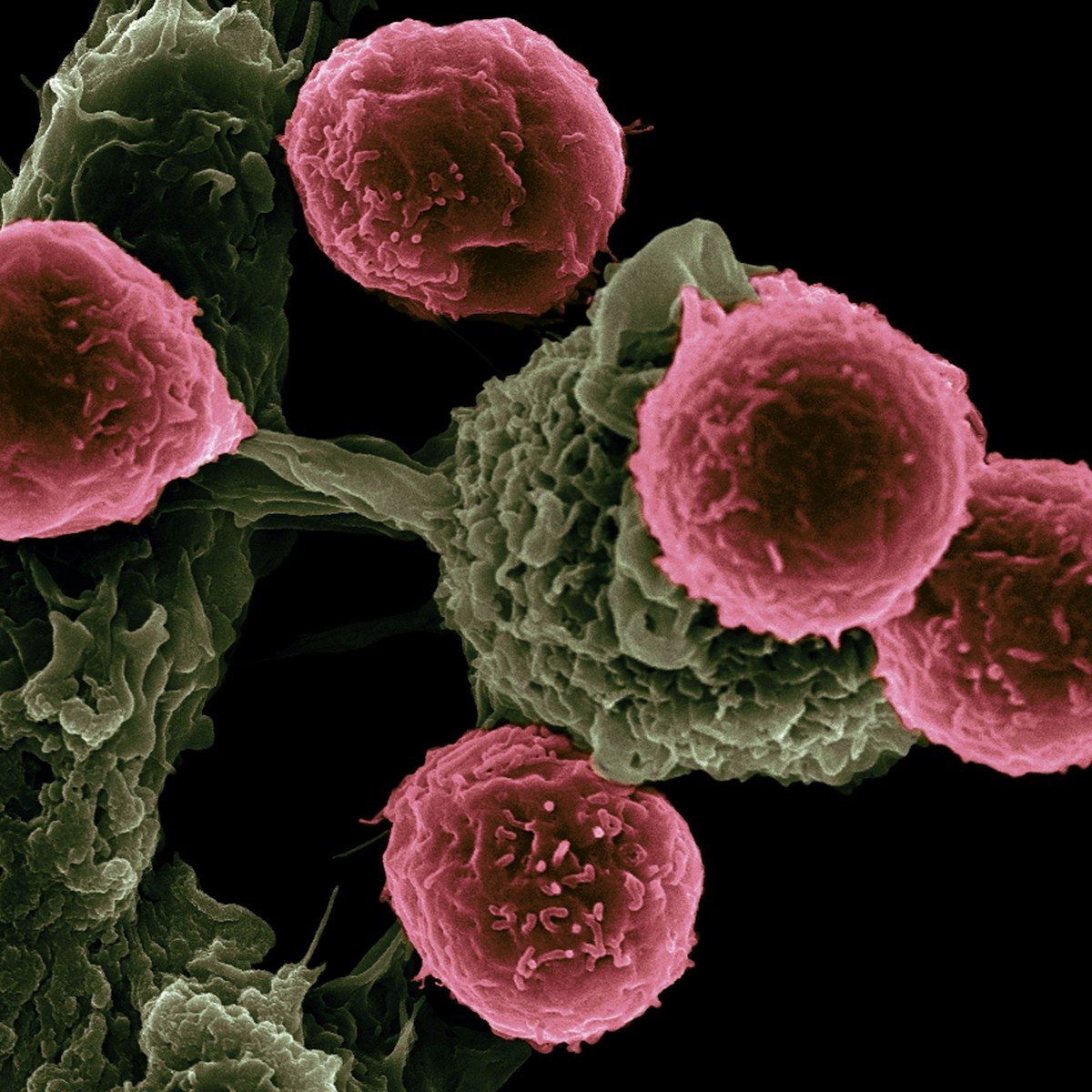
While mortality rates for most major solid tumors, including breast, lung, and colorectal cancers, have steadily declined over recent decades due to screening advancements and therapeutic breakthroughs, uterine cancer stands out as a stark and troubling exception. It remains the fourth most common cancer among women in the United States, yet it carries the unique and alarming distinction of being one of the few malignancies where both overall incidence and mortality rates continue to climb.
Recent Research
To project the future trajectory of this disease and provide actionable forecasts for cancer control strategies, the National Cancer Institute’s (NCI) Cancer Intervention and Surveillance Modeling Network (CISNET) Uterine Cancer Working Group published a landmark study in Obstetrics & Gynecology. Utilizing three distinct, independently developed mathematical simulation models calibrated to robust population-level data, the authors project the burden of uterine cancer through the year 2050.
The findings present an undeniable call to action for gynecologists, primary care providers, oncologists, and healthcare leaders alike. Below is an in-depth analysis of why this modeling matters, who is most affected, and what clinical and structural changes must occur to alter this trajectory.
Why It Matters
Unprecedented Validation Through Multi-Model Consensus
Simulation modeling is a cornerstone of health policy, yet single-model projections are frequently criticized for sensitivity to underlying mathematical assumptions and localized inputs. To overcome this limitation, the CISNET consortium deployed a comparative modeling approach using three structural frameworks:
- Uterine Cancer Model (UTMO – Columbia University): A state-transition microsimulation model tracking monthly individual patient trajectories starting at age 18. It explicitly incorporates pre-invasive Endometrial Intraepithelial Neoplasia (EIN) and utilizes age-period-cohort (APC) methodologies.
- Duke University Uterine Cancer Natural History Model (DU-CAM – Duke University): A biologically driven, annual multistage clonal expansion model starting at birth. It simulates normal-to-cancer cellular mutations, premalignant clonal expansion, and growth rates directly linked to contemporaneous, time-varying body mass index (BMI) and reproductive history distributions from national surveys.
- Mount Sinai Uterine Cancer Model (MUSIC – Icahn School of Medicine at Mount Sinai): A state-transition microsimulation model tracking monthly cohorts from age 35, featuring unique structural depth in post-diagnosis recurrence and stage-specific progression health states.
All three models were calibrated using Surveillance, Epidemiology, and End Results (SEER 18) data spanning 2000 to 2018 (comprising 152,114 non-Hispanic White cases and 21,650 non-Hispanic Black cases) and adjusted for changing historical trends in obesity and hysterectomy rates.
Despite their structural differences, all three models independently arrived at the same conclusion: uterine cancer incidence and mortality will increase substantially and continuously over the next three decades.
“The successful parallel modeling of the natural history of a cancer to identical, observed population-level targets demonstrates that different modeling approaches can produce well-calibrated simulations… providing broader flexibility for evaluating screening and prevention strategies.”
The Escalating Burden: 2018 Baseline vs. 2050 Projections
For women aged 40 to 84 years, the models demonstrate an unmistakable surge in age-adjusted disease burden across populations:
| Demographic & Metric | Observed SEER Baseline (2018) | Projected Range (2050) |
|---|---|---|
| Non-Hispanic White Incidence (per 100,000 woman-years) | 60.0 | 76.1 – 81.8 |
| Non-Hispanic Black Incidence (per 100,000 woman-years) | 61.3 | 90.3 – 107.2 |
| Non-Hispanic White 5-Yr Mortality (per 100,000 woman-years) | ~8.5 (2017 baseline) | 11.3 – 12.3 |
| Non-Hispanic Black 5-Yr Mortality (per 100,000 woman-years) | ~18.0 (2017 baseline) | 28.2 – 35.7 |
These projections demonstrate that current clinical workflows and preventive measures are insufficient to contain the compounding effects of population metabolic shifts, changing reproductive demographics, and organ-at-risk availability.
Who It Affects
uterine Cancer
Uterine cancer (primarily endometrial cancer) is the most common gynecologic malignancy in the United States and one of the few solid tumors with rising incidence and mortality rates. Over 67,000 new cases are diagnosed annually in the U.S.. Incidence has grown by 0.6% to 1.0% per year, largely driven by metabolic trends and demographic shifts. Unopposed estrogen exposure is the principal driver of endometrioid carcinomas. Primary risk factors include obesity, diabetes, metabolic syndrome, nulliparity, early menarche, late menopause, polycystic ovary syndrome (PCOS), tamoxifen therapy, and genetic syndromes like Lynch syndrome. Disease subtypes include low-grade endometrioid carcinomas (Type I) and aggressive non-endometrioid carcinomas or sarcomas (Type II). Postmenopausal bleeding is the cardinal symptom in roughly 90% of cases, offering a critical diagnostic window. Significant racial inequities persist; Black women experience twice the mortality rate of White women despite similar overall incidence, driven in part by a higher prevalence of aggressive non-endometrioid tumors.
Severe and Widening Racial Disparities
While the projected increase in uterine cancer incidence affects all demographics, the burden falls disproportionately on non-Hispanic Black women.
In 2018, baseline incidence rates between non-Hispanic White women (60.0 per 100,000) and non-Hispanic Black women (61.3 per 100,000) were nearly equivalent. However, by 2050, the models project an explosive divergence:
- Non-Hispanic White incidence will increase by 27% to 36%.
- Non-Hispanic Black incidence will surge by 47% to 75%, reaching up to 107.2 cases per 100,000 woman-years in the MUSIC model.
The disparity in incidence-based mortality is even more striking. By 2050, the projected 5-year incidence-based mortality for non-Hispanic Black women (28.2 to 35.7 deaths per 100,000 woman-years) will be nearly three times higher than that of non-Hispanic White women (11.3 to 12.3 deaths per 100,000 woman-years).
Projected 2050 Incidence-Based Mortality (per 100,000 woman-years)
- Non-Hispanic White: 11.3-12.3
- Non-Hispanic Black: 28.2-35.7 (3x higher)
The Histologic Catalyst: Endometrioid vs. Non-Endometrioid Subtypes
Understanding why Black women face a dramatically worse trajectory requires analyzing histologic subtypes. The study stratified disease natural history into three distinct groups:
- Endometrioid Carcinoma (EM): The most common subtype, classically associated with hyperestrogenism, metabolic syndrome, and obesity. Typically detected early with favorable 5-year survival rates.
- Non-Endometrioid Carcinoma (Non-EM): Includes aggressive histologies such as uterine serous carcinoma, clear cell carcinoma, and carcinosarcoma. These tumors carry a higher propensity for extrauterine spread at initial presentation and inherently poor survival outcomes.
- Uterine Sarcomas: Mesenchymal tumors representing a smaller overall percentage but exhibiting aggressive clinical behavior.
Non-Hispanic Black women are disproportionately diagnosed with aggressive Non-EM carcinomas and sarcomas. The modeling reveals that much of the projected rise in Black mortality is driven by steep increases in these high-grade, non-endometrioid tumors. While White women primarily experience a steady increase in endometrioid disease (which carries a lower risk of death), Black women face a compounding threat of rising overall incidence paired with a higher concentration of lethal histologic phenotypes.
Shifting Birth Cohorts and Population Dynamics
The models account for several population-level risk drivers:
- Obesity Prevalence: Estimated using National Health and Nutrition Examination Survey (NHANES) data, rising BMI acts as a potent promoter in premalignant transformation and endometrial proliferation.
- Hysterectomy Trends: Hysterectomy removes the organ at risk. Historical declines or stabilization in inpatient hysterectomy rates mean a larger proportion of aging women retain an intact uterus into their fifth, sixth, and seventh decades, expanding the population at risk.
- Reproductive History Shifts: Trends toward earlier menarche, delayed childbearing, lower parity, and later menopause prolong uncapped estrogen exposure on the endometrium across successive birth cohorts.
What Changes
Clinical, Structural, and Policy Imperatives
The stark projections provided by this comparative modeling study necessitate immediate shifts in clinical practice, healthcare delivery, and research prioritization.
1. Overhauling Early Diagnostic Workups & Triage
Historically, postmenopausal bleeding (PMB) has served as the primary clinical red flag for endometrial cancer. However, non-endometrioid cancers often present without classical early bleeding or may develop rapidly without significant pre-invasive thick endometrial stripes on transvaginal ultrasound (TVUS).
- Lowering Diagnostic Thresholds: Clinicians must maintain a heightened index of suspicion for non-endometrioid disease in high-risk populations. A “normal” ultrasound endometrial thickness should not automatically rule out pathology in Black postmenopausal patients presenting with uncharacteristic pelvic symptoms or persistent spotting.
- Eliminating Diagnostic Delays: Health systems must address structural barriers that lead to delayed endometrial sampling. Studies indicate Black women experience longer intervals between initial symptom presentation and definitive tissue diagnosis, contributing to advanced stage III/IV presentation.
2. Integrating Primary Prevention into Metabolic Care
With obesity serving as a major driver of endometrioid disease, the rapid integration of modern anti-obesity pharmacotherapy (such as GLP-1 and dual GLP-1/GIP receptor agonists) into routine medical care represents a significant opportunity.
- Metabolic-Oncology Synergies: Future modeling applications will evaluate whether population-wide uptake of anti-obesity therapeutics can alter projected cancer trajectories. Primary care physicians and endocrinologists should recognize endometrial health as an explicit secondary benefit of weight management.
- Targeted Progestin Therapy: Proactive use of progestin-releasing intrauterine devices (e.g., levonorgestrel-releasing IUDs) or oral progestins in high-risk patients with atypical hyperplasia/EIN or severe metabolic risk factors offers localized primary protection.
3. Re-evaluating Surgical Management of Benign Disease
Decisions regarding surgical management for common conditions like uterine leiomyomas (fibroids) directly impact population-level organ-at-risk denominators.
Fibroids are significantly more prevalent in Black women, who frequently undergo uterine-sparing procedures or medical management. As conservative management of benign gynecologic disease increases, clinicians must remain vigilant regarding long-term endometrial monitoring in patients retaining an intact uterus throughout their menopausal transition.
4. Refining Stage-Specific and Molecular Subtyping
The modeling by Columbia (UTMO) and Mount Sinai (MUSIC) highlights a projected shift toward a higher proportion of Stage III diagnoses by 2050. To combat this:
- Routine Biomarker Profiling: Universal molecular classification (including POLE mutations, Mismatch Repair Deficiency \[MMRd/MSI-H\], and p53 expression) must be implemented at initial biopsy to rapidly identify high-risk non-endometrioid features and guide aggressive upfront therapy.
- Equitable Clinical Trial Design: Therapeutic trials for novel targeted agents and immunotherapies must prioritize enrollment of diverse populations to address the unique biological drivers of non-endometrioid disease in high-risk groups.
Conclusion
The findings from the NCI CISNET Uterine Cancer Working Group deliver a clear signal: without meaningful intervention, uterine cancer will claim a growing number of lives over the next quarter-century, with non-Hispanic Black women bearing an intolerable share of the burden. By translating these comparative modeling insights into clinical action through early diagnostic vigilance, targeted metabolic risk reduction, rapid molecular subtyping, and healthcare equity initiatives, the medical community can work to bend the curve of these projected trajectories.
Reference
- Rouse KJ, Hazelton WD, Frotscher A, et al. Comparative Modeling of Recent and Projected Trends in the Incidence and Mortality of Uterine Cancer. Obstet Gynecol. 2026;147(4):585-595. doi:10.1097/AOG.0000000000006194
- Siegel RL, Giaquinto AN, Jemal A. Cancer statistics, 2024. CA Cancer J Clin. 2024;74(1):12-49. doi:10.3322/caac.21820
- Bassette E, Ducie JA. Endometrial Cancer in Reproductive-Aged Females: Etiology and Pathogenesis. Biomedicines. 2024;12(4):886. Published 2024 Apr 17. doi:10.3390/biomedicines12040886
- Salehiniya H, Allahqoli L, Momenimovahed Z. Risk factors for endometrial cancer in the world: a narrative review of the recent literature. Clin Exp Obstet Gynecol. 2024;51(7):169. doi:10.31083/j.ceog5107169
One story a day
The story of the day, in your inbox
One health journey each morning — no advice, no alarm, just company for the road.