Extending Mental Health Interventions Beyond Therapy Settings
Why It Matters Many common therapies are time sensitive and include strategies that are typically practiced outside of
 Written and medically reviewed byDr. Abu BakarContributing writer · PharmD, PhD (Pharmacology)
March 2, 2026 · 13 min read
Why It Matters
Many common therapies are time sensitive and include strategies that are typically practiced outside of sessions. Evidence-based, well studied, and widely implemented cognitive behavioral therapies such as Acceptance and Commitment Therapy, Dialectical Behavior Therapy, Mindfulness-Based Stress Reduction, and cognitive-behavioral models for anxiety and depression typically involve weekly or bi-weekly sessions where individuals learn to apply skills to their daily lives. But it can be very challenging for people to apply the skills and strategies that they learn in the comfort of an office, especially skills like grounding and self-soothing that are intended to be used during overwhelming or crisis situations. Embedding real-time support into existing traditional therapies allows individuals and families to get the help they need in real-time to prevent a situation from worsening.
In the near-term: Education and support aimed at reducing the progression of serious distress and promoting optimal functioning. This might involve teaching an individual with a fluctuating psychology techniques such as deep breathing, cognitive restructuring, grounding, calling a support person, or following a problem-solving steps approach to get through difficult moments. The goal in the immediate moment is for the individual to attend school, complete homework, go to work, stay connected with family and friends, and get adequate sleep. Support strategies can make a huge difference in safety and functioning, and even a few minutes earlier, in a slightly different form, can be enough.
1) Digital augmentation strengthens skill practice between visits
Digital interventions are becoming part of the daily lives of people with mental health, somatic and addiction problems. Moreover, therapists can use digital tools to support their work, like sending reminders, following a training program, doing short exercises or having brief check-ins with clients. Many people with mental health problems are able to learn effective coping skills, but fail to use these skills when stress is high, because stress is distracting and impairs memory. Well-designed digital interventions can promote adherence to treatment most efficiently. Therapists can then focus on what they are best at: treating and helping their clients. By repeating short reminders, ‘if then’ plans or training modules, interventions can be trained into people’s habits.
Homework coaching features within CPT® make homework more realistic and tangible. For example, instead of assigning patients homework such as “practice relaxation everyday” the clinician can guide the patient through a 2 minute relaxation exercise and CPT® can confirm completion of the exercise and track how often it is practiced between sessions. This immediate feedback and tracking provides an ideal feedback loop for both clinician and patient. Additionally, homework features in CPT® support a stepped care approach, beginning with less intensive interventions and stepping up to more intensive ones as needed.
2) What 2) Wearables and passive data can spot patterns that patients may miss
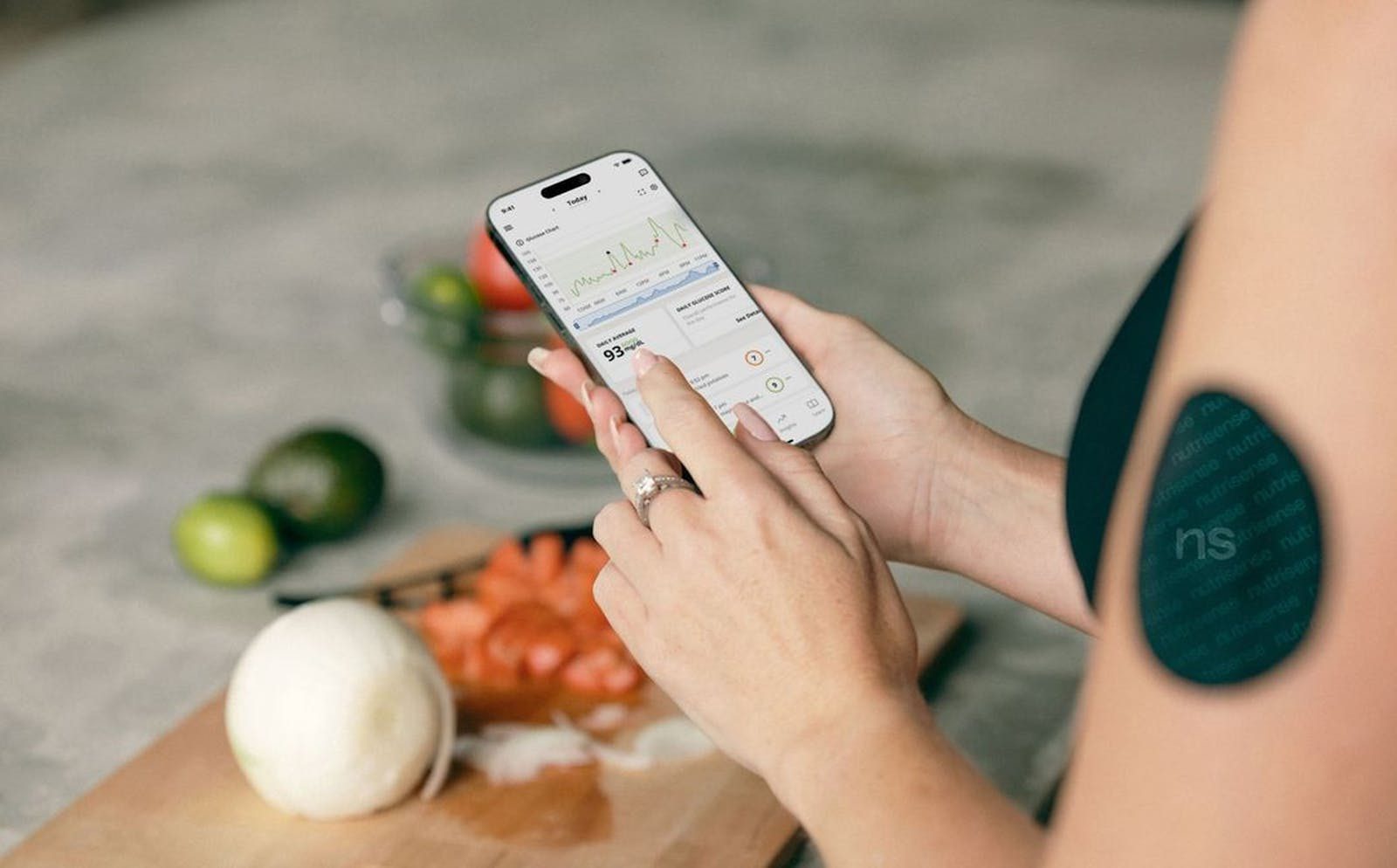
Wearable signals such as heart rate, sleep and activity can give an early indication of worsening stress, low mood or dysregulation. Wearable signals are not a substitute for clinical assessment and should not be used for diagnosis, but can act as an individual’s personal warning signs (such as an earlier sleep time, increased restlessness or reduced movement indicating that it’s going to be a worse week for that person). Used alongside brief self report, they can give patients and clinicians an early indication of emerging patterns.
For individuals in ongoing, episodic or high risk situations, continuous monitoring can be very useful. Some individuals will experience brief periods of rapid change, such as a panic attack, a bout of irritability, a craving for a substance or urge to engage in self harm. Early identification and response with intervention can decrease the severity of a subsequent crisis. Monitoring can also help patients and providers alike avoid unexpected system visits and hospitalizations by accurately tracking the situation, establishing a workflow, and following up with the patient in a timely and consistent manner.
3) AI prediction & real time support: AI can extend the capabilities of a worker. AI can provide real time support to decision making and potentially improve construction productivity. The extent to which safety is impacted will depend on how this technology is implemented.
Several new AI-based mental health and wellness tools are being developed to identify times of potential distress or relapse and intervene in a proactive manner to try to prevent a crisis. These tools would look at aggregate data such as daily check-ins and usage patterns to determine when a individual is at risk of going into distress. They can also look at sleep and other health related data to understand an individual’s habits, and determine when the individual is most likely to need support. Most importantly, messages can be tailored for each individual and sent at the exact time they need it, not at the same time every day as is the case with typical reminders.
It is crucial to build safety, transparency and accountability into any digital tool from the outset. Current systems can predict events and alert staff before they occur, but it is pointless if those alerts are wrong (causing alert fatigue) – health care staff are already running at full stretch seeing large volumes of patients. Therefore, necessary considerations include: threshold settings (pre-set or adjustable); appropriate triggers for escalation to clinical staff; and explanations of what the tool is measuring, and what it is not measuring – all clearly communicated to support informed decision making by both patients and clinical staff.
4) Payment models and clinical guidance need to catch up to value-based care aims
The majority of reimbursement models are still structured around a visit-centric model that does not support reimbursement for outcome-between-visits (iOBV). As a result, the day-to-day care that drives outcomes is not funded. Clinicians who are engaged by symptom streams, updating a digital care plan, acknowledging an alert, receive very little reimbursement for the huge clinical value that they are providing on a daily basis. As a result, most interventions stay in the pilot phase and do not achieve scale or sustainability.
Developing clear criteria for evaluation will be crucial for the further growth of wellness apps. Health systems and payers who want to incorporate wellness apps into their clinical practice will need more than the label ‘medical’ to tell them apart from recreational leisure activities. They need a minimum set of criteria for issues such as user privacy, user education and clinical documentation. These standards will help protect patients and aid clinicians using wellness apps in the longer term.
5) Privacy, consent & data governance are NOT Optional
Digital mental health interventions rely on the protection of trust in the way information about the individual is collected and used. This means that individuals have adequate, informed and comprehensive consent to the collection of information about them (for example, their self-reported mood and levels of psychopathology) and to its use (for example, to track progress, to help deliver active components of the intervention, to provide feedback to the individual, for quality assurance, for evaluation and research). Individuals using digital mental health interventions must have the ability to understand how their information will be used in ways that matter to them. They must have meaningful choice about use of features such as social networking and have the ability to opt out of aspects of the intervention without negative consequences.
Security and appropriate access controls for data and systems should be considered from both a safety and privacy perspective. Systems should ensure data is stored securely, there are appropriate role based access permissions to the data (where relevant this should also extend to integration with the EHR) and that any output from the system is appropriately managed. Design of workflows for health workers should balance the need for appropriate confidentiality with the need for timely decision making in high risk situations.
Who It Affects
All ages of patients require care for symptoms which are acute and transitory. Patients with anxiety disorders, depressive disorders, trauma related disorders, bipolar disorders, substance use disorders, chronic stress, and sleep problems are examples of the types of patients for whom such support would be indicated. Many patients have a mental health disorder and a medical disorder, at the same time, and could benefit from support in managing stress, understanding and using prescribed medication, and making healthy lifestyle choices.
1) Children, adolescents, and caregivers
While Session time is for teaching strategies and skills to the child to use in various situations, parents and caregivers need support and strategies for different routines, events, and holiday related situations. Children may display challenging behaviors and have outbursts at home and during school transitions such as arrival and dismissal. Families may experience conflicts that escalate into bigger issues. Caregivers may become frustrated and feel overwhelmed with managing the child’s behaviors and struggle to remember to apply strategies that were taught in Session. The program offers real time prompts and brief caregiver coaching modules to support and empower caregivers in providing a consistent and loving environment for the child, preventing situations from escalating, and meeting the child’s individual needs.
Focus on school-related stress wherever/whenever it occurs. Support a teen dealing with peer pressure, test anxiety, dating or cyber-harassment or other stressors with an on the spot coping strategy and brief check-in to promote safe behavior and reduce avoidance. For those working in school settings (e.g. school nurses and counselors), having a coordinated digital platform can facilitate the smooth transition of care between school and home.
2) People with severe or persistent mental illness
For those living with persistent symptoms of mental illness, having more structure and earlier detection of change can be very helpful. People first hearing of mental illness may think that individuals can simply “get on with it” and that needing support is a sign of weakness. Others may notice changes in sleep, activity, routines etc. that signal that they could benefit from some extra support. Digital tools can be very useful in supporting individuals with mental illness to take their medication on time, attend appointments as requested and complete coping plans. However, it is essential that the use of digital tools is not overemphasised and does not cause individuals to feel monitored all the time or evokes extreme distress.
Recovery oriented design is as important as the technology itself. Technology used in care and support of people with mental health problems should support autonomy, dignity and recovery goals (such as work participation, social contact and independent living). The tools should feel natural and practical to use and should not encourage close monitoring of the individual.
3) People with periodic or episodic conditions (eg, pain, sleep problems) and those experiencing panic and other trauma related symptoms.
These kinds of sudden and acute situations typically call for in the moment interventions. Panic looks like sudden spikes in emotion and a misinterpretation of body sensations or thoughts as threatening or life endangering. Calming and focusing the person with a few deep breaths, or short guided imagery can help them come back to the present moment, and relieve overwhelming feelings of emotions. Trauma triggers are often sudden and unpredictable, but teaching a person a few simple grounding techniques to help them come back to the present moment can reduce their feelings of disconnection, as well as stop self-destructive behaviors people engage in in an attempt to numb themselves.
Where possible, illustrate crisis escalation pathways and/or escalation protocols for high risk users. For users identifying as high risk for self harm/ severe instability, include a safety plan in digital prompts, clear language about next steps in case of a crisis, and clinician involvement as appropriate.
4) Mindfulness, Meditation, and Relaxation Techniques for individuals struggling with chronic stress, burnout, and substance use.
Stress is a major health determinant at all levels, whether occasional or chronic, and has effects on both mental and physical health. Interventions that are brief but effective, such as introducing sleep hygiene, taking regular micro breaks, and engaging in stress reducing activities can potentially reduce long-term harm. For substance use, cravings are typically of short duration and timely coping strategies are most effective at reducing relapse risk. The tool helps individuals to delay, distract from and connect to supports for craving, and when used evidence informed has the potential to be clinically meaningful as part of or in addition to mental health and/or addiction treatment.
5) Clinicians, health systems, and payers
Future visions for clinical practice suggest that in the near term clinicians will work as hybrid care coaches and/or supervisors. Clinicians will review summaries of treatment in action between sessions (e.g., symptoms, adherence, sleep, triggers) to plan care. However, these summaries have the potential to greatly expand clinician workload unless the tools are developed and implemented in thoughtful ways. Thus, there is a critical need for tools and resources to support provider training on how to review summaries of treatment in action, set up and respond to data-driven alerts, and maintain appropriate boundaries with clients during review of remotely collected information.
To maximize value in the healthcare system, health systems require practical workflows for administration, care coordination and communication with patients and clinicians. Developers of mobile applications for healthcare must ensure that their products can integrate into current workflows (including EHR systems), have adequate documentation and meet service-level objectives such as query latency. Payers require evidence-based criteria for coverage and pricing to determine the value to patients and healthcare systems beyond the count of application downloads.
What Changes
- Care becomes more continuous, more personalized, and more connected to everyday environments. Instead of therapy being something that happens only inside a clinic, support becomes something that can appear during a commute, at bedtime, during a family argument, or right before a high stress meeting. 1) Care becomes more continuous Patients receive timely prompts and support between visits, making skills usable in real moments rather than only in the therapy room. This may include short exercises, structured coping plans, reminders linked to personal triggers, and check ins that guide self reflection. For some patients, this continuity improves confidence because they feel less alone when symptoms rise. Remote monitoring can support earlier adjustments to care plans. Clinicians may identify deterioration sooner and intervene with brief outreach, medication review, or an extra session. For health systems, this can support prevention focused care rather than crisis driven care. 2) Clinical roles evolve Clinicians may blend therapy with oversight of digital tools, requiring new training and updated workflows. Key competencies include understanding device limitations, interpreting symptom streams, and integrating digital feedback without losing the human relationship that drives therapeutic change. The therapeutic alliance still matters. Digital tools should support that relationship, not replace it. Team based models may expand. Some systems may use care managers, peer specialists, or coaches to handle routine check ins and escalate when needed. This can extend specialist capacity, but only if roles are clearly defined and supervision is strong. 3) Reimbursement and guidelines must adapt Payment models and guidance will need to recognize clinically meaningful support that happens between visits. Sustainable adoption requires practical billing pathways, coverage policies, and quality standards. Guidelines should clarify which functions require clinician oversight, how risk is managed, and what outcomes matter most, including functioning and safety. Evaluation should focus on outcomes, not just engagement. A tool that is used frequently but does not improve daily functioning is not truly effective. Strong programs measure symptom change, quality of life, adherence, safety events, and equity of access. 4) Privacy and equity considerations intensify Programs must address data security, informed consent, and unequal access driven by device cost, connectivity, language, and digital literacy. Equity planning is not an add on. It should include low bandwidth options, multilingual content, culturally appropriate examples, and accessibility features for disability. Systems should also plan for patients who do not want wearables or continuous monitoring, offering alternative supports. Patient choice reduces harm and improves engagement. The best implementations allow users to customize frequency, adjust notifications, pause tracking, and choose what to share. When people feel in control, they are more likely to stay engaged. 5) Practical considerations for clinicians and systems Implementation should start with a clear clinical goal such as reducing emergency visits, improving coping practice, supporting caregiver consistency, or shortening episodes of dysregulation. Once the goal is clear, the tool can be selected based on whether it needs passive monitoring, active coaching, or both. Safety critical monitoring requires higher standards for accuracy, reliability, and response planning. Measurement validity and transparency are foundational. Wearable signals can correlate with stress, but they are influenced by exercise, illness, caffeine, medications, and individual differences. Tools should provide interpretable outputs, explain uncertainty, and avoid presenting risk scores as facts. Clinicians should have access to summaries that are easy to review, not endless raw data. Consent and escalation pathways must be explicit. Patients should know what happens if a high risk alert occurs, who is contacted, and what response times to expect. Systems must avoid implying emergency coverage when none exists. Clear messaging protects patients and reduces legal and ethical risk. 6) Looking ahead The next phase will focus on real world evaluation, stronger standards, and better interoperability. Tools that share clear summaries with electronic health records, while protecting privacy, can reduce clinician burden and improve continuity. Standards for safety, data protection, and clinical effectiveness will help separate high quality interventions from products that are not ready for care delivery. Workforce readiness will determine impact at scale. Digital tools can extend scarce expertise, but they should not be treated as replacements for trained clinicians. Investment in training, supervision models, and realistic workflows will decide whether digital augmentation improves outcomes or simply adds complexity.
References:
One story a day
The story of the day, in your inbox
One health journey each morning — no advice, no alarm, just company for the road.