Impact of Hysterotomy Location on Uterine Wound Repair
In a cesarean delivery, the uterus is repaired after the baby is delivered.
 Written and medically reviewed byDr. Abu BakarContributing writer · PharmD, PhD (Pharmacology)
February 19, 2026 · 6 min read
TheBrief**
In a cesarean delivery, the uterus is repaired after the baby is delivered. The uterine muscle is sewn back together. Several key factors are known to affect how well this wound heals.
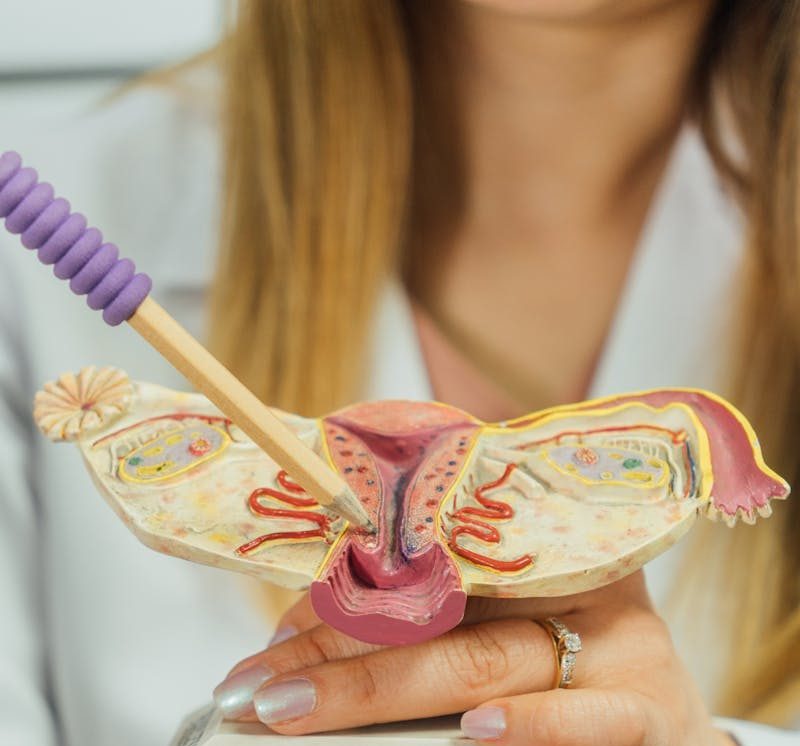
The location of the uterine incision plays a major role. The cut may be made high on the muscular part of the uterus, called the corpus. It may also be made lower in the thinner segment near the cervix. Different tissue types are involved depending on the location.
The upper uterus contains thicker muscle and a richer blood supply. The lower segment contains thinner muscle and may extend onto cervical tissue. These differences influence scar strength and healing quality.
When a high incision is made, greater blood flow may affect bleeding and repair. When a very low incision is made, thinner tissue may be involved. Healing characteristics vary in each case.
A low transverse incision on the lower uterine segment is usually preferred. This approach is associated with better healing. It is also linked to a lower risk of tearing in a future pregnancy.
Closure Technique and Scar Strength
The way the uterine wound is closed also affects healing. The uterus is typically sutured in layers. Evidence suggests that careful layered closure produces stronger scars.
A double layer closure is often compared with a single layer closure. Thicker and more robust scar tissue has been observed with double layer repair. Single layer closure became popular because it is faster. However, thinner scars have been reported with this method.
A higher chance of forming a niche has also been associated with single layer closure. A niche is a small defect or pocket in the scar. These defects may affect long term outcomes.
It is also recommended that the inner lining of the uterus not be sewn into the suture. This approach is sometimes described as an endometrium-free technique. When the lining is excluded, fewer healing problems have been observed.
If the endometrial lining is caught in the stitch, incomplete healing may occur. Small pockets or weak areas may form in the scar. These changes can affect future uterine function.
In summary, incision location, closure method, labor conditions, and infection risk all interact. Together, these factors determine how well a cesarean scar heals. The strength of the repair influences both recovery and future pregnancies.
Why It Matters**
Strong uterine healing is essential for maternal safety. Immediate complications can be reduced when a solid scar is formed. Risks such as bleeding and wound infection may be lowered.
If the uterine muscle is not properly reapproximated, excessive hemorrhage may occur. Heavy bleeding from the incision site can follow. Infection risk may also increase.
Bacteria may more easily invade poorly repaired tissue. Uterine or pelvic infection can develop after delivery. Conditions such as endometritis or pelvic abscess may result.
Short term recovery may also be affected. Longer hospital stays may be required when healing is poor. Additional treatments or procedures may become necessary.
Greater pain and higher rates of fever may be reported. Blood transfusions may be needed if bleeding is significant. These complications can delay a return to normal activity.
Abnormal bleeding may persist if the wound does not heal well. Problems with the uterine lining may develop. Anemia and fatigue may follow.
Long Term Risks
Long term consequences must also be considered. Cesarean delivery rates remain high worldwide. As a result, more women will carry uterine scars in the future.
A poorly healed scar can create problems in later pregnancies. One major concern is uterine rupture. A weak scar may tear under stress in a future pregnancy.
Uterine rupture is considered a life threatening emergency. Severe bleeding can occur. Emergency surgery is often required.
Placenta accreta spectrum is another serious risk. In this condition, the placenta attaches too deeply into the uterine wall. This often occurs at the scar site.
Abnormal or incomplete healing may disrupt normal tissue boundaries. The placenta may invade into muscle rather than remain superficial. Normal separation after birth may not occur.
Massive hemorrhage can follow. Surgical removal of the uterus may be required to control bleeding. Research has linked abnormal collagen and chronic inflammation at prior scars with higher accreta risk.
Other complications may develop over time. Scar pregnancy may occur when an embryo implants within the scar. Niche formation may cause abnormal bleeding or pelvic pain.
Endometriosis or adenomyosis may develop near an old scar. Fertility problems have been reported in some cases. Secondary infertility has been linked to cesarean scars.
These risks affect both mother and baby. Newborn care is improved when maternal recovery is smooth. Breastfeeding and bonding depend on maternal well-being.
When best practices in uterine repair are followed, future pregnancy outcomes may improve. For this reason, scar healing techniques remain a public health priority.
Who It Affects**
Women undergoing cesarean delivery are directly affected. Proper healing of the uterine repair is relied upon after every C-section. Complications may arise when healing is inadequate.
Quality of life may be affected. Future reproductive plans may also be influenced. Repeat surgery may be required in some cases.
Planned cesareans may be recommended in later pregnancies if the scar is very thin. These decisions are often based on prior healing outcomes.
Newborns may be indirectly affected. Maternal bleeding or infection may delay bonding. Feeding and early care may be disrupted.
Short term effects on the infant may occur. Slower weight gain or jaundice risk may increase if early feeding is delayed. In severe cases, emergency maternal treatment may interrupt newborn care.
Healthcare providers are also impacted. Obstetricians and surgeons must understand optimal incision and repair methods. Anesthesiologists and surgical teams contribute to timing and infection prevention.
Postpartum nurses monitor for bleeding and infection. Awareness of uterine repair risk factors is required. Educators must update training programs to reflect new evidence.
Healthcare systems and policymakers are involved as well. Surgical guidelines may need revision as evidence evolves. Protocols may specify preferred closure techniques.
Checklists may include reminders about incision placement and layered suturing. Quality improvement projects may monitor compliance and outcomes. Resource use may be affected when better healing reduces complications.
Families and communities feel the effects. Faster recovery supports maternal caregiving and family stability. Complications may create emotional and financial strain.
Informed decision making can be supported when incision and repair techniques are clearly explained. Childbirth planning and postoperative care choices may be influenced. Maternal and child health outcomes are shaped at both individual and societal levels.
What Changes**
Refine Surgical Technique and Training
Surgical technique should be reviewed and refined. A proper low transverse incision in the lower uterine segment should be favored when possible. Very high or excessively low cuts should be avoided.
Layered closure approaches should be considered. Two or three layer closure that excludes the endometrium has been associated with stronger scars. These methods can be emphasized in training programs.
Mentorship and skill workshops may support careful technique. Tissue alignment and appropriate suture tension should be reinforced. Outcomes such as scar thickness on ultrasound may be tracked over time.
Address Labor and Infection Factors
The condition of the uterus at surgery should be considered. Prolonged labor or ruptured membranes may affect tissue quality. Additional care in repair may be required in these cases.
Antibiotic prophylaxis should be administered according to guidelines. Known intrauterine infection should be treated promptly. Aseptic technique must be maintained in the operating room.
Postoperative wound care should be vigilant. Risk factors such as gestational diabetes should be managed carefully. Blood sugar control may support improved healing.
Update Guidelines and Encourage Research
Institutional and professional guidelines may need revision. Double layer closure and endometrium excluding techniques may be recommended when supported by evidence. Surgical checklists can include reminders about incision placement and suturing steps.
Audits and quality improvement initiatives can monitor adherence. Outcomes can be reviewed regularly. Standardized practices may improve safety across hospitals.
Collaboration and research should continue. Data on cesarean techniques and scar healing can be collected and shared. Multidisciplinary follow up may benefit patients with prior thin scars.
Through protocol updates, education, and ongoing evaluation, stronger healing may be achieved. Fewer complications may result for future mothers and babies.
One story a day
The story of the day, in your inbox
One health journey each morning — no advice, no alarm, just company for the road.