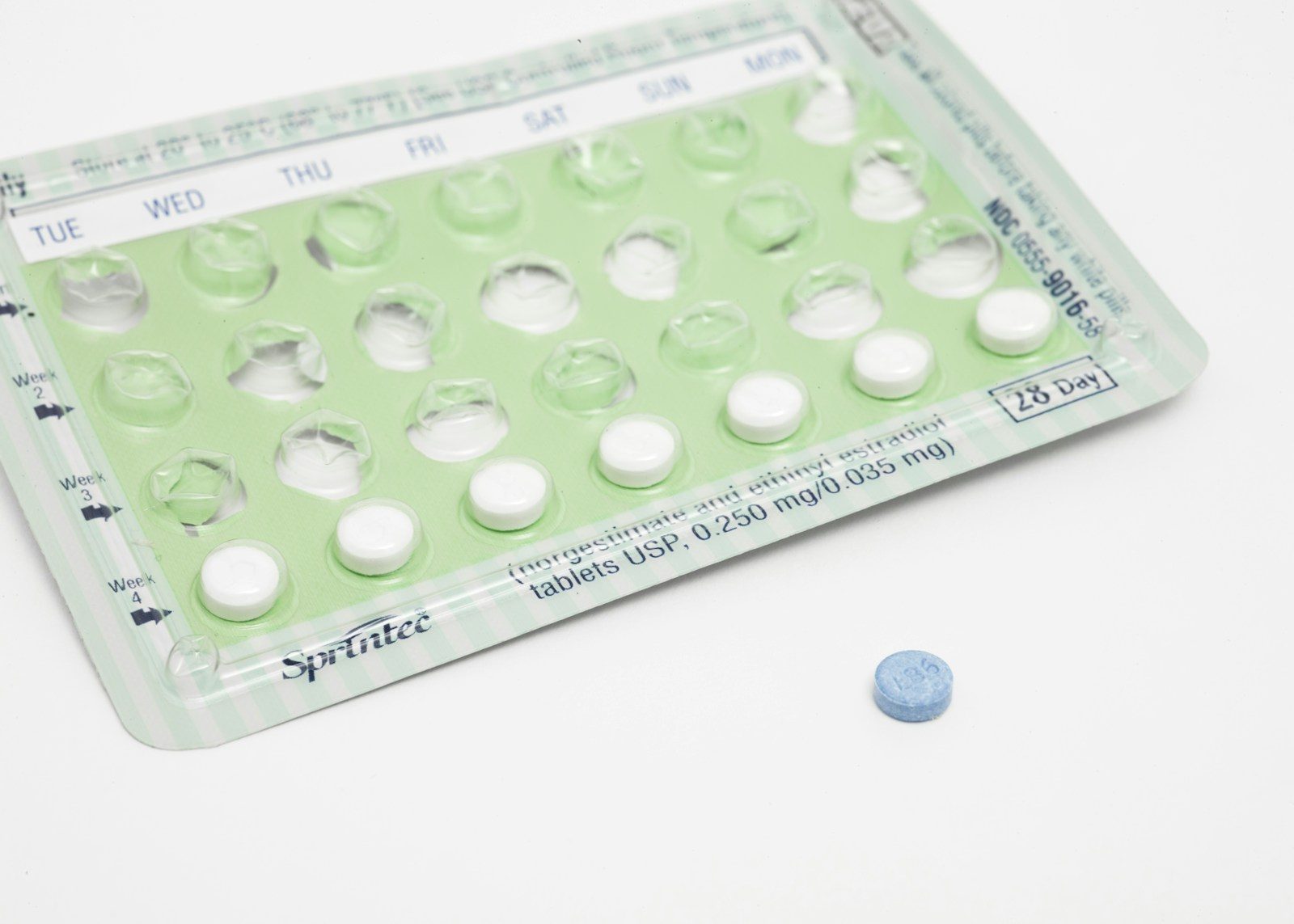
New Non-Surgical Contraceptive Implant Administered via Tiny Needles
A novel non-surgical implant for family planning has been developed.
 Written and medically reviewed byRayan SalihContributing writer · PharmD, RPh
February 23, 2026 · 6 min read
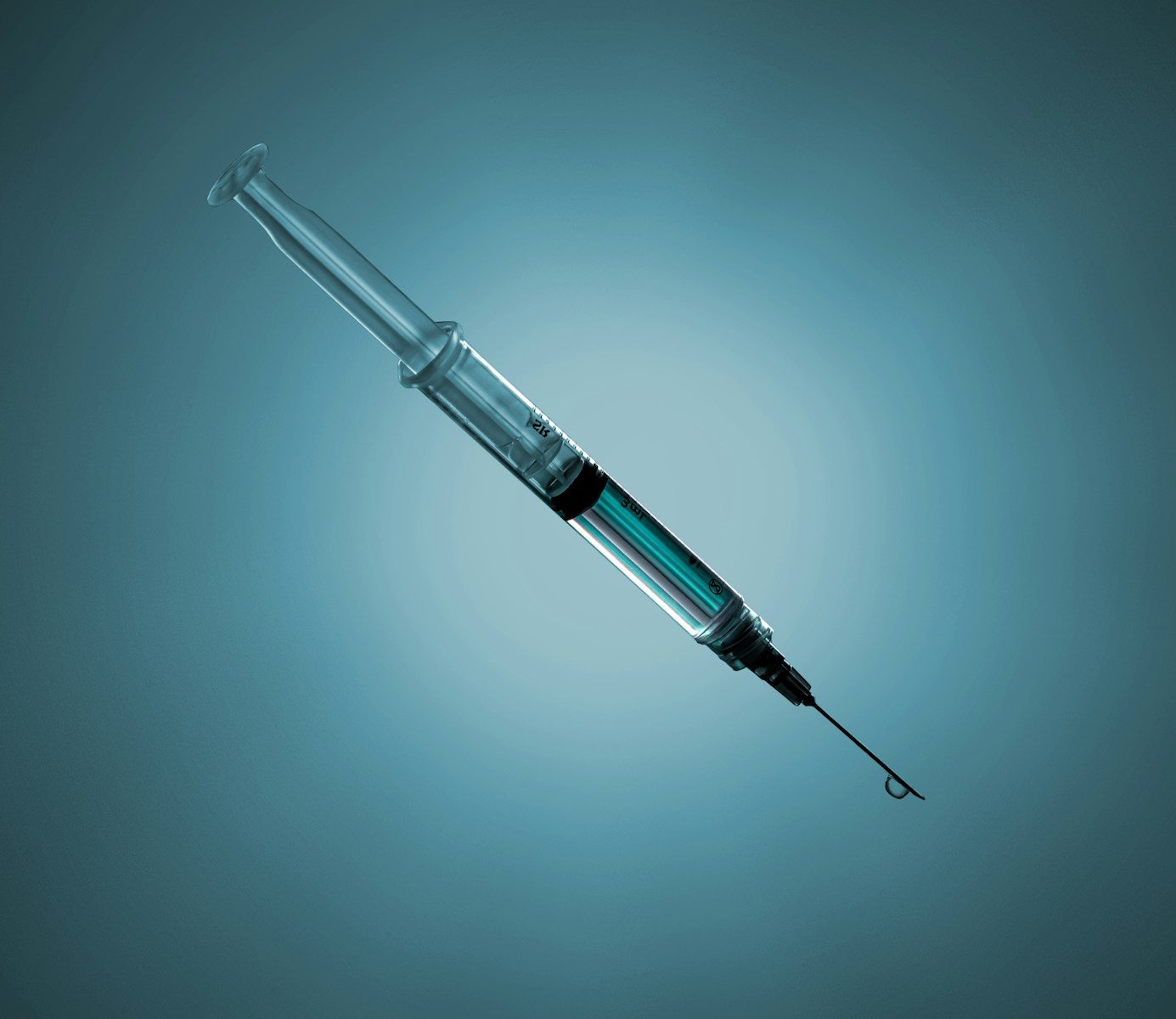
A novel non-surgical implant for family planning has been developed. This new implant can be delivered via small needles or syringes to provide an alternative to current methods. The implant can be administered to a woman through a small-gauge needle by a healthcare provider, or even self-administered by the woman. The novel implant is formed via recent advances in long-acting drug delivery technologies, and is delivered as self-aggregating injectable microcrystals that form a solid implant in the body.
We have developed a new approach to formulating microcrystals of active drugs into stable drug depots that self assemble within the body to form an implant. This approach requires minimal or no conventional excipients and no parenteral devices other than a needle to form an implant of manageable volume that can be injected through a small gauge needle. The implant is designed to provide long- term reversible contraception for women in developing countries that lack access to surgical facilities for implantation of current metal implants.
This technology has already been shown to work with levonorgestrel, a well established hormone with a safety and efficacy record. In a series of preclinical studies using animal models, the device has been shown to provide sustained drug release for several months and to be mechanical stable, biocompatible, induce low local tissue reaction and be well accepted by patients. This is a credible alternative to existing methods for a new non-surgical long-acting contraceptive.
Why It Matters
Addressing Persistent Gaps in Contraceptive Access
Although access to contraceptives exists but is not equitable in and across countries due to a host of structural, geographical, health system, and cultural barriers, a new innovation is promising to increase access to the most effective form of birth control: the contraceptive implant. Long-acting reversible contraceptives (LARCs) — including the subdermal implant, a matchstick-sized rod that is inserted into the arm by a doctor and can provide five years of continuous contraception — are the most effective form of birth control available, but many women are unable to use them because they require a trained health provider to administer a minor surgical procedure. Now, thanks to a new device and technique, the implant can be injected into the arm by the user herself, or by a minimally supervised health worker.
Balancing Duration, Convenience & Acceptability
Contraceptive delivery methods are designed to achieve a balance between duration of action and ease of use. Daily oral contraceptives have a short duration of action but require daily ingestion and can be discontinued by women due to side effects, negative perceptions of use, or lack of access to timely ingestion. Short-acting injectables offer the advantage of fewer clinic visits than long-acting injectables or implants, but require multiple visits to administer over every few months. In contrast, surgical implants offer a long duration of use (typically 1 to 3 years) but require a skilled provider for insertion in a sterile setting, and a follow-up visit to remove the device.
The new injectable implant model addresses a major unmet need for a long-acting contraceptive that is as easy to use as current implants, but with less pain, less bruising, and less anxiety related to the needle size. The smaller needle for this technology not only reduces pain, but also makes it easier for women to self-administer, which has been shown to improve acceptability of reproductive health commodities.
Implications for Healthsystems and Costs
From a health system perspective, DAI’s innovation has the potential to relieve pressure on clinics and health providers. Long-acting family planning injectables can now be used independently by women or administered by community health workers rather than physicians. This is particularly critical in low-resource and resource-poor rural settings where shortages of trained health providers can mean that millions of women lack access to family planning services.
In addition to the clinical and programme outcomes unintended pregnancies have significant economic costs for health care delivery and broader social and economic impacts on individuals and their families over the long term. Effective contraception use, particularly long-acting methods such as the injectable implants, is a strategic intervention to reduce unintended pregnancies and their long-term costs to maternal and child health care.
Safety, Reversibility & Patient Confidence
Safety and reversibility are relevant issues for contraceptive methods. Unlike conventional contraceptive injectables made of polymer micro-particles or micellar aggregates that are difficult to retrieve after injection, the self-assembling implant is rigid enough to be removed at any time. On the basis of preclinical studies, the device induces favorable tissue reactions, which should gain acceptance among users and providers.
Who It Affects
Individuals Seeking Long-Term, Low-Burden Contraception
This development could be of interest to women who are looking for effective and safe long term contraception that doesn’t require any action from them from time to time. Women who want long term contraception options but are fearful, have had bad experiences with previous methods or lack access to methods that could suit them will be interested to know of this development. The small-needle required for the injection could also make it especially suitable for adolescents and young women who place a high value on privacy and autonomy.
Communities in Low-Resource and Underserved Settings
Potential benefits may be greater in less developed countries. While DMP offers the potential of long-term contraception delivered simply by skilled providers in a basic clinic setting for women, greatest benefits may be derived in populations where surgical implant services are restricted by a lack of skilled providers, inadequate facilities, and long distances to service delivery points. In these countries, community health workers who already administer injectable contraceptives to women in their communities can administer DMP, further decentralizing contraceptive delivery.
Healthcare Providers and Healthsystems
Administration of the patch to female patients also has advantages for the healthcare provider. The patch is easy and quick to administer to patients, allowing more patients to be treated in less time. Alternatively, the patch can be used to counsel those patients who require most the benefit of hormonal contraception, while more quickly administering the patch to others. The simplified administration process may also reduce the risk of medical error, as well as provider liability and training issues.
Policymakers, Funders, and Public Health Organizations
For those pursuing reproductive health equity at the policy and public health level, IseeTech offers technology that can be of significant use. The global goals for accessing a variety of contraceptive methods as well as scaling up of quality self-care interventions will be met with a non-surgical, long-acting and easy to use solution. For Donors and Implementing partners, IseeTech products are a low cost, non- invasive solution that can be scaled up easily within family planning programs without major investment in infrastructure.
What Changes
- The introduction of a non-surgical, long-acting injectable contraceptive could meaningfully expand the contraceptive method mix. Adding an option that combines long duration, minimal invasiveness, and potential self-administration addresses persistent gaps between short-acting and surgical methods and empowers individuals to select options aligned with their needs and preferences.
- Healthcare delivery models may evolve as a result. Providers and health systems would need to invest in patient education focused on self-administration, recognizing and managing side effects, and understanding when follow-up care is needed. This shift mirrors broader trends toward self-care in healthcare and could strengthen patient autonomy when implemented thoughtfully.
- The success of this technology could catalyze further innovation beyond reproductive health. Demonstrating that long-acting implants can be delivered through small needles challenges conventional design constraints and may inspire similar approaches for other medications, including treatments for chronic disease, infectious disease prevention, and mental health.
- This advancement reinforces the importance of aligning biomedical innovation with public health priorities. By addressing practical barriers such as needle size, viscosity, and administration force, this contraceptive technology responds directly to real-world constraints faced by patients and providers alike. If translated successfully into clinical use, it could mark a significant step forward in making effective, long-acting contraception more accessible, acceptable, and equitable worldwide.
References
- https://pubmed.ncbi.nlm.nih.gov/40144331/
One story a day
The story of the day, in your inbox
One health journey each morning — no advice, no alarm, just company for the road.