Overcoming the Post-BTKi Therapeutic Impasse in Mantle Cell Lymphoma
The clinical management of mantle cell lymphoma (MCL) represents one of the most persistent challenges in aggressive B-cell
 Written and medically reviewed byRayan SalihContributing writer · PharmD, RPh
July 10, 2026 · 7 min read
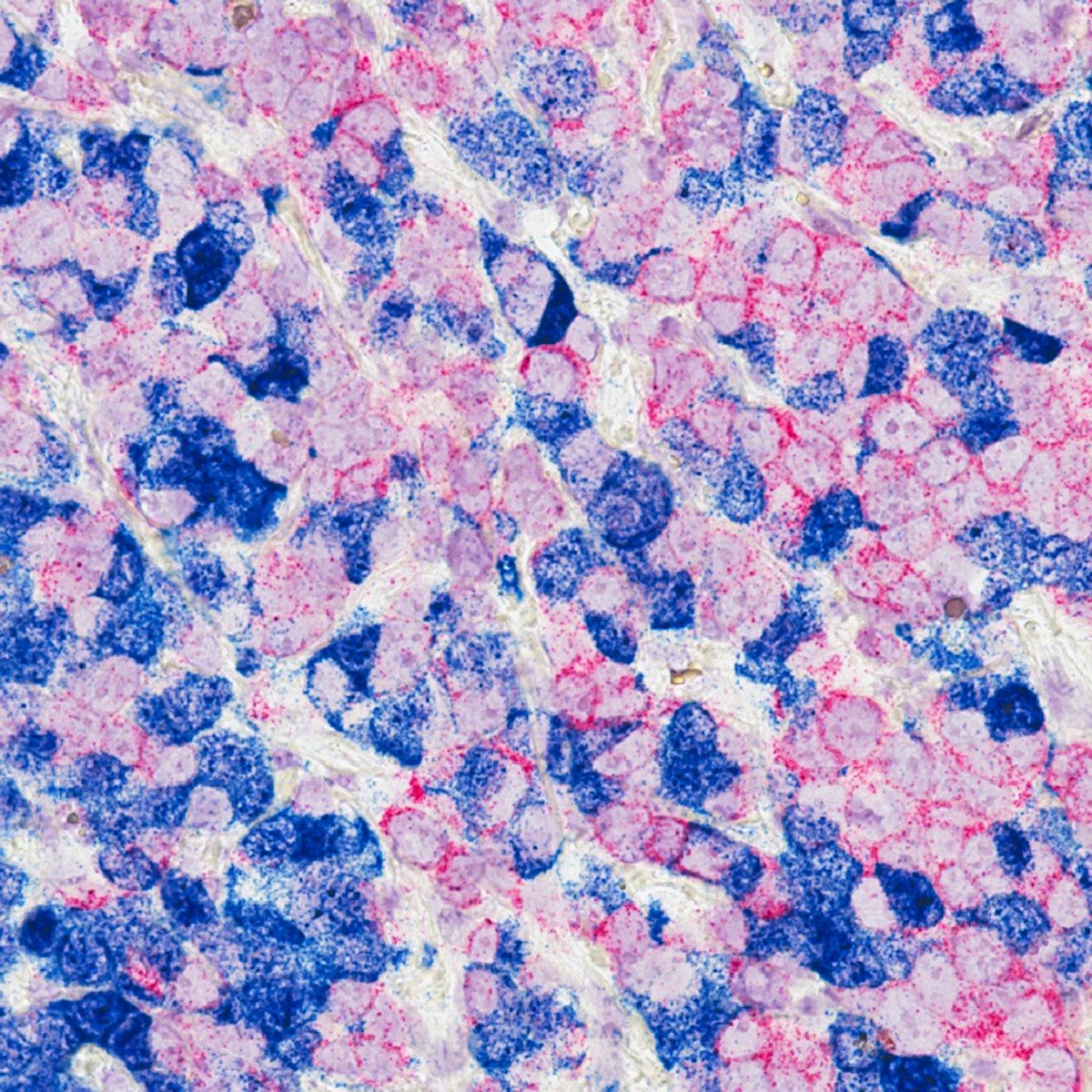
The clinical management of mantle cell lymphoma (MCL) represents one of the most persistent challenges in aggressive B-cell non-Hodgkin lymphomas. Characterized by a relentless pattern of short remissions followed by recurrent relapses, MCL routinely leaves oncology care teams searching for viable later-line strategies. While the integration of front-line chemoimmunotherapy and covalent Bruton tyrosine kinase (BTK) inhibitors has markedly extended initial progression-free intervals, the therapeutic reality remains harsh: nearly all patients eventually develop resistance, progress, and face an extremely poor prognosis.
Deep Clinical Insights into Sonrotoclax Monotherapy
For years, the clinical options following covalent BTK inhibitor failure have been constrained by a narrow therapeutic index. Non-covalent BTK inhibitors and cellular therapies, such as Chimeric Antigen Receptor T-cell (CAR-T) therapy, have offered lifelines, yet logistical, toxicological, and financial barriers limit their universal utility. Meanwhile, the off-label use of venetoclax—the first available B-cell lymphoma 2 (BCL2) inhibitor—has yielded modest single-agent longevity, often restricted by cytopenias and a rigid tumor lysis syndrome (TLS) monitoring protocol.
The publication of the global phase I/II study led by Eyre et al. introduces a major pharmacologic advancement into this paradigm: sonrotoclax (BGB-11417). As a next-generation BCL2 inhibitor designed with superior selectivity, greater potency, a shorter half-life, and no drug accumulation compared to venetoclax, sonrotoclax monotherapy achieved profound, rapid, and durable responses in a heavily pretreated post-BTKi population. This post breaks down the trial’s results across three critical dimensions: why these findings matter for advanced lymphoma care, who stands to benefit most, and what operational adjustments must be made at the clinic level.
Why It Matters
High-Yield Single-Agent Potency and a Faster Kinetic Path
When a patient’s MCL becomes refractory to BTK inhibitors, the disease kinetics often shift into a rapidly proliferative phase. Clinicians are forced to choose between intensive cellular therapies and standard oral agents that have historically delivered a suboptimal duration of response (DOR). Sonrotoclax alters this landscape by demonstrating that a highly optimized, selective oral BCL2 inhibitor can exert powerful single-agent control without requiring continuous treatment delays.
Exceeding Historic Survival and Efficacy Benchmarks
The BGB-11417-201 trial was rigorously powered against a strict historical control overall response rate (ORR) benchmark of 30%, derived from modern post-BTKi datasets. Sonrotoclax definitively shattered this threshold. In the efficacy-evaluable cohort (n=103) receiving the recommended phase II dose of 320 mg once daily, the independent review committee (IRC) confirmed an ORR of 52.4% (P < .0001).
Furthermore, the complete response (CR) rate reached 15.5%, indicating deep clonal clearance. This single-agent activity provides the first prospective validation that maximizing BCL2 inhibition can reliably arrest the disease process even after the BTK pathway has been completely exhausted.
Distinctive Pharmacokinetics and Response Velocity
The molecular architecture of sonrotoclax offers clear advantages over first-generation BCL2 inhibition. Preclinical models have shown that it possesses greater potency against wild-type and mutant BCL2, while its shorter half-life prevents cumulative drug retention in healthy tissues.
In the clinical setting, these traits translate into an exceptionally rapid onset of action. The median time to response (TTR) was a swift 1.9 months, meaning the majority of responding enrollees achieved objective tumor cytoreduction at their very first scheduled imaging assessment. For an aggressive malignancy in which a patient might otherwise progress during the initial weeks of a new therapy, this rapid rate of response is a critical measure of therapeutic utility.
Durability and Potential as a Clinical “Bridge”
Achieving a response is only half the battle; sustaining it is where late-line oral regimens frequently falter. Sonrotoclax monotherapy demonstrated impressive longevity, with a median response duration of 15.8 months and a 12-month overall survival (OS) rate of 67.4%.
As highlighted by the journal’s editorial review, this durable single-agent signature positions sonrotoclax as a versatile tool. Beyond its role as a continuous, standalone treatment, its rapid kinetics and manageable safety profile make it an ideal “bridging therapy” to stabilize active tumor burden while a patient undergoes the complex, multi-week process required for CAR-T cell production.
Who It Affects
Broad-Spectrum Benefits Across Ultra-High-Risk Subgroups
A major limitation of traditional later-line therapies is that their efficacy declines sharply when they encounter negative molecular biomarkers or advanced structural disease. Sonrotoclax demonstrated striking equity of response, maintaining its therapeutic benefit across populations with severe prognostic features.
Efficacy in the Face of TP53 Mutations and Blastoid Histology
Disruptions in the TP53 tumor suppressor pathway and alternative morphologic variants (such as blastoid or pleomorphic histologies) represent the most daunting challenges in modern hematologic oncology, frequently mediating universal resistance to standard chemoimmunotherapy and covalent BTK inhibition.
Sonrotoclax directly overcame these historical barriers. Among enrollees harboring confirmed **TP53 mutations, the ORR-IRC was a remarkable 59.1%**, exceeding the overall cohort response rate and including multiple patients achieving complete remissions. For individuals with a high proliferative index (≥ 30% Ki-67 expression), the response rate remained steady at 47.2%.
Navigating Multi-Agent BTKi Refractoriness
The trial cohort mirrored the deeply pretreated, advanced-stage patients encountered in real-world clinical practices. Over 78% presented with stage IV disease, 66.1% possessed intermediate or high simplified MIPI scores, and the median number of prior systemic lines was 3 (ranging up to 8 prior regimens).
Significantly, 87% of the cohort were officially classified as entirely refractory to their immediate prior line of therapy. Sonrotoclax achieved a 50.0% response rate in patients who had previously failed both a covalent BTK inhibitor and the non-covalent agent pirtobrutinib. This proves that BCL2 dependence remains an active therapeutic vulnerability even after multiple generations of BCR-pathway antagonists have failed.
What Changes
Redefining Dosing Schedules and Safety Management
The introduction of sonrotoclax into clinical practice updates the operational approach to BCL2 inhibition, modernizing safety management and scheduling for specialized outpatient clinical teams.
The Move to a Simplified Twice-Weekly Outpatient Ramp-Up
Due to the high tumor-clearing potency of BCL2 inhibitors, the risk of treatment-induced tumor lysis syndrome (TLS) has traditionally necessitated complex, resource-intensive dose-escalation schemes. In its initial phase, the sonrotoclax protocol mandated a highly controlled daily dose ramp-up over 4 weeks to carefully mitigate this risk.
Through close pharmacological and intra-trial safety analyses, the study team determined that this escalation could be substantially streamlined to improve administrative efficiency and patient convenience. The trial successfully implemented a simplified twice-weekly ramp-up schedule (allowing two dose steps per week over a 4-week span). This optimized structure achieved identical total drug exposure without increasing the clinical or laboratory incidence of TLS, representing an important shift that will allow community oncology centers to safely manage the initiation phase entirely within an outpatient setting.
A Distinctive and Manageable Adverse Event Footprint
Healthcare providers must remain vigilant for hematologic toxicities associated with sonrotoclax, consistent with the class effects of potent, target-directed anti-lymphoma therapies.
- Hematologic Toxicities: Neutropenia was the most frequent treatment-emergent adverse event (TEAE), occurring in 35.7% of patients across all grades, with 19.1% experiencing grade ≥ 3 events. Thrombocytopenia and anemia were both noted at a flat rate of 24.3%.
- Infectious Complications: Serious TEAEs occurred in 37.4% of the study population, with pneumonia as the most common individual complication (15.7% at any grade; 10.4% at grade ≥ 3).
- The TLS Reality: Overall, TLS occurred in 7.0% of the target cohort, consisting primarily of 6 transient laboratory events and only 2 clinical presentations. Crucially, all cases resolved swiftly with standard hydration and antihyperuricemic prophylaxis, and not a single patient required permanent discontinuation of treatment due to TLS.
Preserving Patient-Reported Quality of Life
A major triumph of the sonrotoclax data is its favorable impact on a patient’s daily functional status. Longitudinal analyses utilizing validated patient-reported outcome instruments (including the NFLymSI-18 and EQ-5D-5L scales) demonstrated that physical disease-related symptoms and baseline nausea scores were actively maintained throughout therapy.
Furthermore, significant, measurable increases in health-related quality-of-life indices were observed at weeks 4, 12, and 24 after patients reached their stable target dose. This underscores that the treatment provides objective tumor reduction without imposing an unmanageable burden of treatment-related side effects.
Strategic Implications for Clinical Practice
The prospective data established by the BGB-11417-201 trial provide clear strategic directions for medical oncologists and lymphoma care coordinators:
- Integrate Early in the Relapse Cascade: Subgroup analyses revealed that sonrotoclax achieved its maximum efficacy—yielding an enhanced ORR of 61.0% and a CR rate of 19.5%—when deployed in patients who had received ≤ 2 prior lines of systemic therapy. This suggests that, rather than reserving BCL2 inhibition as a final effort, using sonrotoclax immediately after initial covalent BTKi failure yields the greatest clinical benefit.
- Utilize the Dosing Flexibility: Implement the simplified twice-weekly ramp-up schedule with confidence. Ensure that patients are adequately hydrated and receive appropriate antihyperuricemic prophylaxis (such as allopurinol or rasburicase), and schedule standard laboratory checks 4 to 8 hours post-dose during the first 4 weeks to maintain a proactive safety net.
- Anticipate the Combination Paradigm: Single-agent sonrotoclax represents a strong foundation, but the future of MCL management is combinatorial. Healthcare providers should actively monitor the ongoing phase III CELESTIAL-RRMCL trial (NCT06742996), which is currently evaluating the synergistic potential of combining sonrotoclax directly with the potent covalent BTK inhibitor zanubrutinib.
In summary, sonrotoclax monotherapy successfully moves the needle in relapsed/refractory mantle cell lymphoma. By providing rapid, durable tumor control across standard high-risk molecular subgroups through a well-tolerated, simplified oral dosing framework, it represents a major therapeutic advance for a population facing an immediate unmet need.
Reference
- Eyre TA, Song Y, Hermine O, et al. Phase I/II study of sonrotoclax (BGB-11417) monotherapy in patients with mantle cell lymphoma previously treated with anti-CD20 therapy and a bruton tyrosine kinase inhibitor. J Clin Oncol. Published online July 1, 2026. doi:10.1200/JCO-26-00550
One story a day
The story of the day, in your inbox
One health journey each morning — no advice, no alarm, just company for the road.