Protecting Infants From Measles During Outbreaks: Guidance for Parents and Clinicians
Measles can become an infant emergency fast, because babies have the least protection when the virus starts moving
 Written and medically reviewed byDr. Abu BakarContributing writer · PharmD, PhD (Pharmacology)
June 14, 2026 · 9 min read
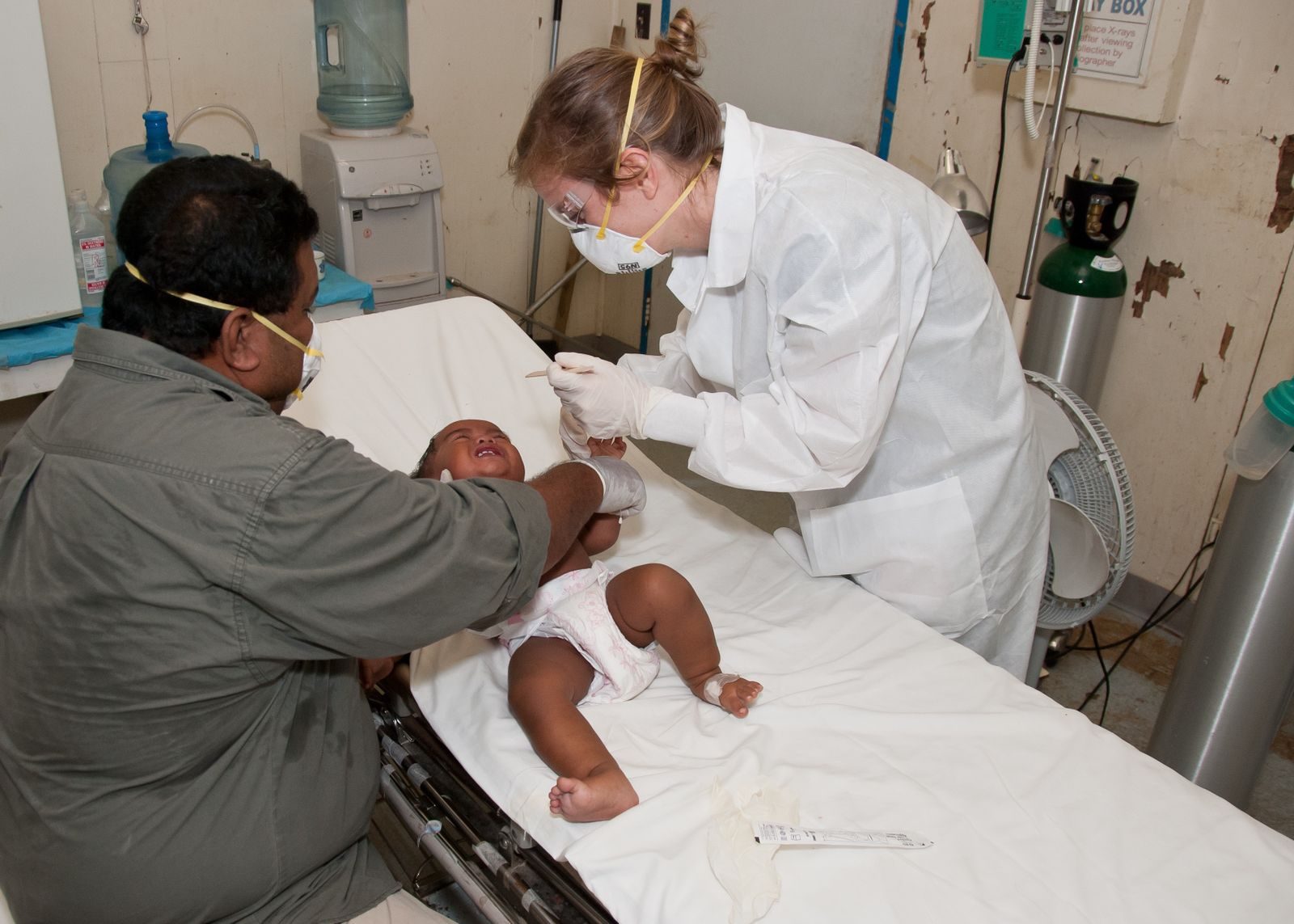
Measles can become an infant emergency fast, because babies have the least protection when the virus starts moving through a community. The disease is highly infectious, and it is now common for the media to report that lack of immunizations, coupled with importation from foreign sources, results in measles cases breaking out among populations that were insufficiently vaccinated. It is common for countries or regions with lower incidence to delay administration of the first dose of measles, mumps, and rubella (MMR) vaccine till 12-15 months of age, making them susceptible to the disease in the first year of life due to loss of maternal antibodies and community immunity. A quick and efficient strategy needs to be implemented. The key elements to consider include clear guidance for parents, simple procedures for practitioners, and rigorous screening, testing, and isolation procedures from the healthcare system, which should start immediately once contact is made.
Why It Matters
Measles spreads with unusual efficiency, which is why outbreaks can grow faster than families expect.This virus is airborne; it may live for up to two hours outside the infected body and infect those individuals who did not even have direct contact with the infected child. In the medical field, infection can occur if people are breathing the same air within the next two hours from the moment the ill individual left. As people can be contagious even without a developed rash, this disease may travel unnoticed around households, waiting rooms, daycare facilities, and even emergency departments.
For infants, the consequences are much more significant than many people imagine. First symptoms of measles can include high temperature, cough, runny nose, and conjunctivitis followed by the appearance of a skin rash starting at the head moving down to other parts of the body. However, fever and rashes are only some of the symptoms. Infants and small kids are prone to dehydration, diarrhea, ear infections, pneumonia, hospitalization, and rarely but possible encephalitis that causes severe damage to the nervous system. All of these risks exist even in previously healthy kids. This is why preventing measles in infants goes far beyond making your child suffer for a week at home.
In addition, outbreaks also point out where routine immunization has failed. Measles re-emerges in instances where there is reduced vaccine uptake in certain regions, as well as where pockets of unvaccinated individuals accumulate. Moreover, importation may also result in significant transmission of the disease among areas with compromised levels of immunity. The continued public health data indicate that although many regions have implemented successful immunization campaigns, importations may lead to significant outbreaks among those regions. In such cases, the responsibility and burden immediately fall upon the pediatrician, nurse, emergency care staff, public health professionals, and parents who must act swiftly and without hesitation.
Although maternal antibodies are effective, they cannot be relied upon to provide complete protection throughout the first year of life. There are studies that show that the babies who have been born to mothers vaccinated against measles tend to get lesser amounts of antibodies compared to those who were born to immune mothers, and that such protection tends to wane early. There have been findings indicating that about 6 months after birth, almost all infants tend to lose their maternal antibodies, while for some, it tends to occur even earlier. Similarly, getting vaccinations early may result in reduced long-term antibodies for some children if the initial vaccine was administered at an early age (less than 9 months).
Thus, the problem does not lie in the fact that there are no clear guidelines for the treatment of measles among infants. The problem is that these decisions have to be made in a timely manner. The doctor must find out when the infection occurred, whether exposure was sufficient, whether the patient is ready to receive MMR vaccine, whether immune globulin should be used, and how to prevent further exposures to the disease at the facility. Ultimately, infant measles management in the context of an outbreak comes down to being proactive and communicating clearly.
Who It Affects
Infants who have yet to reach the vaccination age are the ones who cause concern. In low incidence areas, the MMR vaccine series commences when infants are 12 to 15 months of age. However, until that time, the protection of these children is partially dependent on maternal antibodies provided before birth as well as their immune surroundings. Infants under six months of age have a particularly high risk of contracting measles in an epidemic area, as they cannot be vaccinated at all. Babies six to eleven months of age are candidates for early vaccines, although they require regular vaccines in addition.
Parents and caregivers experience such risks in their everyday decisions. For example, during a measles outbreak, parents will have to rethink traveling, attending indoor events, welcoming visitors who have not received all their immunizations, sick siblings arriving from school or day care centers, and going to an area where many people have gathered. In case there is a risk that your infant has come into contact with the virus, the first thing you must do is call your pediatrician or urgent care facility before taking your child there. The reason for doing so is that a baby below two years old cannot wear face masks effectively.
What healthcare providers require is a pathway to deal with such outbreaks, and not just information on how to prevent such occurrences. An exposed baby requires immediate protection because time is of the essence for that specific case. According to the current guideline, MMR is an ideal post-exposure intervention in case it can be administered in the first 72 hours following the first contact with an individual who is not immune. The other option that works well under similar conditions is immune globulin and should be used up to six days post-exposure. This treatment method is highly recommended for certain contacts. For babies aged 6 to 11 months old, MMR is a possible solution when all the conditions allow. For children below 6 months, immune globulin is recommended.
Hospitals, clinics, and public health teams carry the operational load once measles is suspected. They need rapid triage, safe patient flow, confirmatory testing, immediate contact with public health authorities, access to immune globulin, and staff who know how to use airborne precautions correctly. Current advice stresses quick isolation, air-borne infection precautions, N95 masks for healthcare workers entering the room, and quick alerting, as the exposure process begins prior to knowing the test results. There must be a plan to deal with outbreaks in the child-care facilities, schools, and community in which they live, as the parents cannot just make things up.
what changes
The first change is speed. Any contact with a confirmed measles case should be treated as urgent. Families should contact a pediatrician or health department right away. They should not walk into a clinic or emergency department without calling first unless the child has a life-threatening emergency. Making a call ahead ensures that the center will have sufficient time to allow them to access their most secure entry point, room, and even procedures involving staff members, hence reducing the probability of spreading the virus to the unborn, immune-compromised individuals, and infants who are yet too young to receive vaccinations.
The second change is using early MMR more strategically, but not casually. Infants 6 through 11 months old should receive one early MMR dose before international travel if they do not already have evidence of immunity. During certain outbreaks, local or state health authorities may also recommend an early dose for infants 6 through 11 months old who live in or visit affected areas, especially when sustained community transmission is reaching young infants. Such an early dose may contribute significantly to short-term immunity, but it is not a replacement for the series dose. In case your child receives the MMR vaccine before their first birthday, he/she will require two more doses after that. The explanation behind such a cautious strategy is as follows: while an early vaccination may protect from the disease in case of an outbreak, doses administered too early may yield a weaker immune response.
The third change is being precise about post-exposure options. If an exposed infant is old enough for vaccine and can receive MMR within 72 hours of the first exposure, that is often the preferred path. If the infant is younger than 6 months, has a reason not to receive vaccine, or is another highly vulnerable close contact, immune globulin can be used within 6 days. Immune globulin is not a vaccine and does not create long-term immunity. It provides temporary protection only, typically lasting several weeks, and is often administered in order to reduce the chance of getting infected or ill. The MMR vaccine and the immune globulin should not be used together. When immunoglobulins are used, careful scheduling must be done due to the possibility of affecting the vaccine’s effectiveness.
The fourth change is acting on suspicion before confirmation. When measles is reasonably possible, clinicians should not wait for the lab result to begin infection-control steps. If a baby has fever, cough, nasal discharge, red eyes, and rash following an identified exposure, then such a patient must be managed as a suspected case. The latest advice from the CDC recommends that these patients be isolated immediately in a place where air-borne transmission is prevented and tests are conducted promptly with a respiratory sample using RT-PCR and a serum test for measles IgM. In this case, because of the narrow post-exposure period, management procedures may have to be initiated prior to confirmation of the diagnosis.
The fifth change is giving families home-care advice that is calm, practical, and accurate. There is no specific approved antiviral treatment for routine measles care. Most treatment is supportive: fluids, rest, fever relief when advised by a clinician, and close monitoring for worsening illness. Breathing difficulty, dehydration, or clear clinical worsening should prompt urgent reassessment. If measles is confirmed, infected patients should remain isolated for four days after rash onset, and healthcare settings should continue airborne precautions during care. Antibiotics are not used routinely for measles itself, but they may be needed if a secondary bacterial infection develops.
One added point worth remembering is vitamin A. Current measles guidance supports two doses of vitamin A, given 24 hours apart, for children with measles because it can reduce eye complications and mortality, especially where deficiency is more common. In lower-deficiency settings, vitamin A is still considered part of supportive management in selected children, but it should be used under clinical supervision. It does not prevent measles, it does not replace vaccination, and high-dose self-treatment can be harmful. For families, the practical message is simple: if vitamin A is appropriate, the baby’s clinician should direct it.
The longer-term change is not really new at all: protect babies by raising immunity around them. Community-wide vaccination remains the strongest defense against measles, and clinicians still play a central role in helping parents make timely vaccine decisions. Outbreak response works best when public health teams, hospitals, and outpatient clinics are ready with safe triage, rapid vaccination, immune globulin access, testing, and communication that answers questions without alienating families. Good measles response is fast, respectful, and practical. It protects the baby in front of you, but it also protects the next baby who has not yet been exposed.
References
- Centers for Disease Control and Prevention. Clinical Overview of Measles. CDC. 2026. Available from: https://www.cdc.gov/measles/hcp/clinical-overview/index.html [\[cdc.gov\]](https://www.cdc.gov/measles/hcp/clinical-overview/index.html)
- Centers for Disease Control and Prevention. Measles Prevention and Treatment Overview. CDC. 2026. Available from: https://www.cdc.gov/measles/media/pdfs/2026/05/measles-prevention-and-treatment-overview.pdf [\[cdc.gov\]](https://www.cdc.gov/measles/media/pdfs/2026/05/measles-prevention-and-treatment-overview.pdf)
- Centers for Disease Control and Prevention. Measles Vaccination. CDC. 2026. Available from: https://www.cdc.gov/measles/vaccines/index.html [\[cdc.gov\]](https://www.cdc.gov/measles/vaccines/index.html)
- Science M, Savage R, Severini A, et al. Measles Antibody Levels in Young Infants. Pediatrics. 2019;144(6):e20190630. Available from: https://pubmed.ncbi.nlm.nih.gov/31753911/ [\[pubmed.ncb…lm.nih.gov\]](https://pubmed.ncbi.nlm.nih.gov/31753911/)
One story a day
The story of the day, in your inbox
One health journey each morning — no advice, no alarm, just company for the road.