A Gender Gap in Advanced Pulmonary Embolism Care
Recent analyses reveal a troubling gap in pulmonary embolism care.
 Written and medically reviewed byDr. Abu BakarContributing writer · PharmD, PhD (Pharmacology)
February 20, 2026 · 6 min read
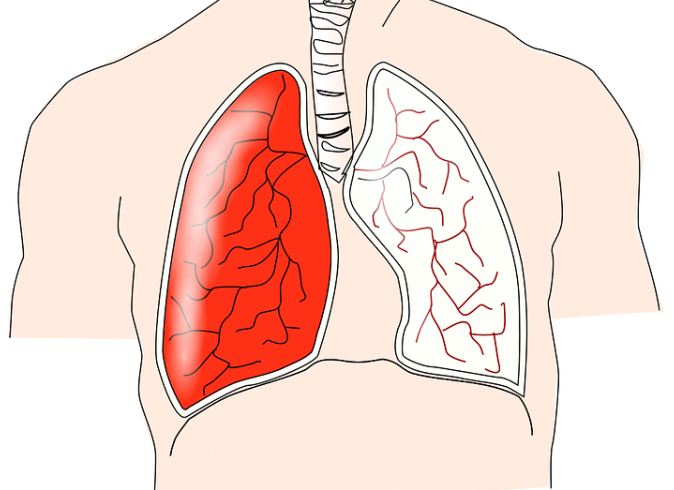
Recent analyses reveal a troubling gap in pulmonary embolism care. Women with PE receive advanced catheter based therapies, such as thrombectomy, less often than men. This gap persists even as these procedures become central to treatment for selected high risk patients.
Pulmonary embolism can be fatal. Blood clots block flow through the lungs and strain the right side of the heart. Prompt treatment saves lives. For patients with high risk or intermediate high risk PE, thrombectomy and other catheter based interventions can quickly remove clot and improve circulation.
Clinicians often consider thrombectomy when systemic thrombolysis is unsafe or when rapid clot removal may stabilize hemodynamics. Guidelines now include these approaches for carefully selected patients. Access to these therapies increasingly shapes survival and recovery.
When eligible women receive thrombectomy at lower rates than men, serious concerns follow. The issue raises clinical and ethical questions. Treatment decisions should reflect objective risk, not patient sex.
Health systems must review how they diagnose and triage PE. They should examine referral patterns, team activation, and decision making processes. Only then can they ensure that advanced therapies are offered based on measurable need.
Why It Matters
Pulmonary embolism can progress quickly. A patient may move from stable to unstable within hours. Timely access to proven therapies often determines survival.
For patients with massive or submassive PE, rapid clot removal can reduce right ventricular strain. It can improve oxygenation and lower short term mortality. It may also reduce long term complications.
Catheter directed and mechanical thrombectomy techniques have advanced rapidly. Many centers now integrate them into formal PE response pathways. As these procedures become standard for selected patients, access becomes a determinant of outcome.
The disparity in treatment rates is not a minor statistical finding. It likely reflects multiple interacting factors. These factors can undermine equity in acute care.
Symptom presentation may differ between patients. Clinicians may interpret symptoms differently. Risk assessment may vary across providers. Imaging and echocardiography use may lack consistency. Multidisciplinary team activation may depend on informal processes rather than structured criteria.
Structural barriers also matter. Geography, hospital resources, and transfer systems influence who receives advanced therapy. When any of these factors delay escalation, outcomes can worsen.
Disparities in advanced PE care also compound broader cardiovascular inequities. Women already experience documented differences in care for acute cardiac conditions. Lower access to thrombectomy adds another layer of risk.
Underuse of advanced therapy may increase long term complications. Chronic thromboembolic pulmonary hypertension can follow unresolved clot burden. Persistent functional impairment can limit quality of life and ability to work.
Addressing inequity benefits both individuals and populations. It improves acute survival and protects long term cardiopulmonary health.
Who It Affects
Women with pulmonary embolism face the most direct impact. Those who meet objective criteria for advanced therapy may experience slower escalation of care. Some receive fewer referrals to specialized response teams. Others undergo procedural intervention less often than men with similar profiles.
Even small delays matter in acute PE. Patients with right ventricular dysfunction, elevated cardiac biomarkers, or persistent hypoxia require careful evaluation. Timely consideration of catheter directed therapy can shape recovery.
When escalation remains inconsistent, complications rise. Patients may develop hemodynamic instability or require prolonged oxygen support. Some progress to chronic thromboembolic pulmonary hypertension.
These differences affect hospital length of stay and need for rehabilitation. They also influence functional status after discharge.
Long Term Consequences
The burden does not end at discharge. Survivors of significant PE may develop persistent shortness of breath. Many report reduced exercise tolerance and anxiety about recurrence. Some struggle to return to work.
Incomplete clot resolution can impair right ventricular recovery. When treatment delays contribute to residual strain, recovery may extend for months. For some patients, limitations persist for years.
Women often carry caregiving responsibilities. Prolonged recovery affects household stability and income. Recurrent visits, imaging, and anticoagulation monitoring increase financial strain.
Correcting disparities in advanced treatment improves more than survival statistics. It protects long term quality of life and social stability.
The Role of Clinical Decision Making
Treatment gaps may stem from modifiable system or cognitive biases. Research in cardiovascular medicine shows that women sometimes receive less aggressive intervention. This pattern persists even after adjusting for age and comorbidities.
Implicit bias can shape risk perception. Differences in symptom description may influence urgency. Assumptions about bleeding risk or frailty may alter recommendations.
Women may present with subtler symptoms. Fatigue or mild shortness of breath may replace dramatic chest pain or collapse. If clinicians underestimate severity, escalation slows.
Structured risk stratification reduces reliance on subjective impressions. Objective imaging and biomarker criteria create measurable thresholds for action.
Emergency physicians, hospitalists, intensivists, cardiologists, and interventional radiologists all share responsibility. Pulmonary Embolism Response Teams must evaluate candidates under consistent standards.
Clear activation criteria matter. Informal consultation pathways introduce variability. Patients who do not match a stereotypical profile of severe PE may not trigger multidisciplinary review.
Standardized tools improve consistency. They incorporate hemodynamic status, imaging findings, biomarkers, and clinical risk factors. Routine assessment of right ventricular function strengthens classification.
Laboratory protocols also help. Troponin and natriuretic peptide testing, when indicated, support accurate risk stratification. Transparent documentation clarifies why clinicians choose anticoagulation alone or escalate to thrombectomy.
Regular audits of treatment patterns by sex identify deviations from guidelines. Feedback loops encourage improvement.
Interprofessional education strengthens awareness. Case reviews and simulation exercises can expose blind spots. Documentation templates that require recording risk category and rationale promote accountability.
Geographic and Structural Barriers
Access to thrombectomy varies by location. Urban tertiary centers often offer rapid interventional support. Rural hospitals may require interfacility transfer.
Transfer delays reduce the window of benefit. Women in underserved areas may face additional barriers, including transportation challenges and limited insurance coverage.
Health systems must examine referral networks and transfer agreements. Telemedicine consultations can extend specialist input to smaller facilities. Early identification and efficient transfer save time and lives.
Disparities in thrombectomy access reflect broader equity challenges. Addressing them requires coordinated action at bedside, institutional, and policy levels.
Standardized risk assessment, transparent decision pathways, and adequate resource allocation improve fairness. Monitoring outcomes by sex ensures accountability.
Equitable access to advanced treatment signals high quality, patient centered care.
What Changes Are Needed
Closing care gaps requires deliberate action.
First, institutions should implement clear, evidence aligned protocols. These protocols must define objective criteria for response team activation. They should standardize imaging and echocardiography use. Electronic decision support tools can prompt consistent evaluation across shifts.
Second, multidisciplinary PE response teams should operate under structured workflows. Teams must capture demographic data and review recommendations by sex and race. Routine audits highlight disparities early.
Third, health systems must measure and monitor. They should track imaging use, team activation rates, thrombectomy recommendations, time to intervention, and outcomes. Data must be stratified by sex, age, race, and geography.
Fourth, training should address cognitive bias directly. Education must emphasize consistent application of risk scores and imaging thresholds. Simulation and case based learning reinforce equitable practice.
Fifth, systems should strengthen transfer agreements. Hospitals without thrombectomy capability need formal, tested pathways to referral centers. Telemedicine consultation can support real time decision making.
Sixth, researchers and guideline developers must apply an equity lens. Clinical trials should report sex specific outcomes. Guideline committees should encourage disparity monitoring as new indications emerge.
Seventh, clinicians should communicate clearly with patients and families. They must explain risk category and treatment options in patient centered language. Empowered patients can ask informed questions about escalation and alternatives.
Ensuring equitable access to thrombectomy for pulmonary embolism is both a clinical obligation and a quality benchmark. Objective risk, not demographic factors, should drive care. When systems standardize evaluation and monitor outcomes, they move closer to that goal.
References:
https://pmc.ncbi.nlm.nih.gov/articles/PMC12542450/ https://pmc.ncbi.nlm.nih.gov/articles/PMC11922161/ https://www.acc.org/latest-in-cardiology/articles/2023/08/15/10/28/sex-differences-in-acute-coronary-syndrome
One story a day
The story of the day, in your inbox
One health journey each morning — no advice, no alarm, just company for the road.