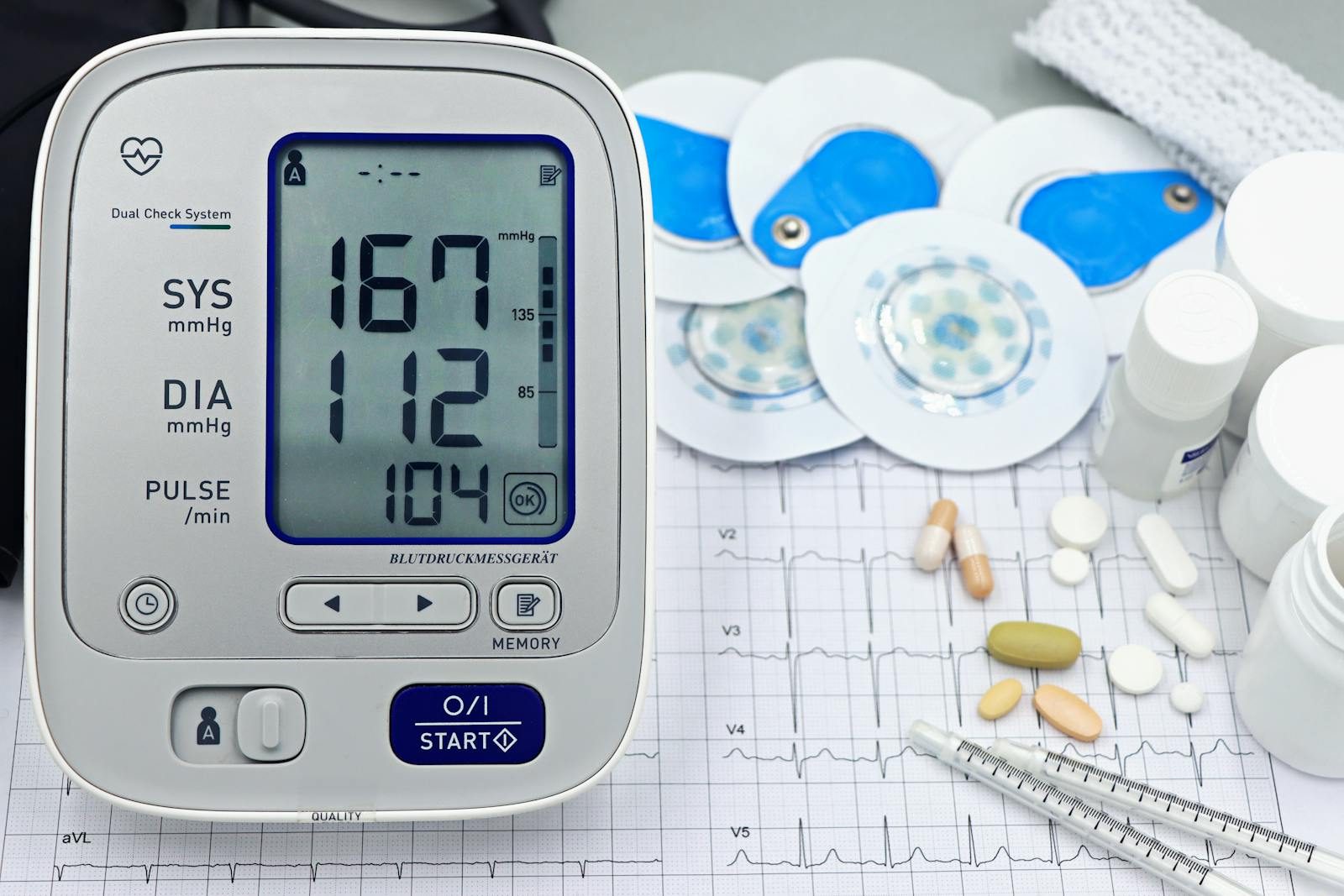
Rise In Primary PCIs Hasn’t Reduced Acute MI Mortality
Although an increase in the number of primary percutaneous coronary interventions (PCI) performed in many countries has not
 Written and medically reviewed byDr. Abu BakarContributing writer · PharmD, PhD (Pharmacology)
March 5, 2026 · 12 min read
Although an increase in the number of primary percutaneous coronary interventions (PCI) performed in many countries has not been accompanied by a decrease in short-term heart attack mortality, PCI for ST elevation myocardial infarction is one of the most effective interventions available for patients with acute myocardial infarction (AMI). When provided promptly and effectively to the appropriate patient, it is life-saving. However, real-world population outcomes from a rapidly expanding PCI service differ from the ideal outcome of the intervention in several important ways. How patients are triaged for PCI, how fast they are transported to the cath lab, how quickly the PCI service system is activated and managed, and how patients are managed in the intervals after discharge from the cath lab are all critical determinants of outcomes for the population as a whole. Cross-country comparisons demonstrate that simply performing more PCIs, without a concomitant improvement in several additional key factors, is unlikely to save lives. Treatment speed, optimal patient selection, experienced PCI teams, good critical care, and effective secondary prevention programs are also critical for saving lives.
Why It Matters
Reperfusion of the occluded coronary artery has long been a central tenet of myocardial infarction treatment and even early reperfusion can save lives and reduce death from worst complications. The push for early reperfusion has driven the expansion of 24 hour cath lab coverage, outlay of cost to create regional cardiovascular networks, and even how ambulances are routed through cities. But as the number of people experiencing myocardial infarction treated with primary PCI has increased to levels never before possible, it is time to question some of the underlying beliefs driving clinical practice.
We need to emphasize patient-centered outcomes rather than PCI volume. Health systems are beginning to measure and reward quality of the number of PCIs performed, but more importantly the quality of the outcomes for individual patients in terms of survival, functional status, and quality of life. Don’t get distracted by the areas of major vulnerability for your cardiovascular program in delays prior to hospitalization for heart attack, inconsistent emergency room diagnosis of heart attack, inconsistent use of intensive care for patients with heart attack, inconsistent use of evidence-based medicines for heart attack patients, and low rates of cardiac rehabilitation.
— Jay S. Raval, MD, President, American Heart Association, Chair, Department of Cardiothoracic Surgery, University of Mississippi Medical Center
It is also important to note that the demographics of the patient who presents with an Acute Myocardial Infarction (AMI) has changed over recent years and this altered case mix may possibly have an effect on perceptions of outcomes using new technology and techniques to treat visible heart disease. Most very unwell patients are older with significant co-morbidity. AMI patients are more likely to have diabetes, chronic kidney disease, obesity, hypertension, heart failure and multiple prior coronary artery bypass grafting and angioplasty procedures. These patients have been shown to have a worse use of intensive care unit (ICU) resources, a longer hospital stay and higher readmission rates than matched patients without co-morbidity. As a result the risk of any cardiac intervention is increased. Additionally, there is a rising proportion of patients who present to hospital with cardiogenic shock, out-of hospital cardiac arrest, delayed diagnosis of AMI and increasingly complex multivessel coronary artery disease who all have a poorer prognosis than their matched counterparts.
PCI carries benefits and risks, and these must be balanced against the multiple trade-offs involved in decision-making. First, the absolute risks and harms of PCI—major bleeding from antiplatelet and anticoagulant agents, vascular complications from the PCI procedure whether through access site or device, stroke, contrast-induced acute kidney injury, procedure-related arrhythmias—must be understood by both patients and clinicians. Patients and clinicians must also appreciate the need for repeat revascularization, the duration of dual antiplatelet therapy, and even the need for coronary bypass surgery in some cases. The net mortality benefit of PCI will be diminished if increasingly frail patients are treated for atherosclerotic cardiac disease, and further decreased in low- and middle-income countries where much of the world’s PCI is performed in centers with less experienced personnel and limited support.
The cost of maintaining a PCI program is very expensive and is capped. There are tremendous upfront and ongoing costs for staff, training, technology and process improvements. All of these compete for funds that could be spent on prevention and chronic disease management programs. Cardiac construction and capital costs are substantial, shifts including nights and weekends are required to maintain same day discharge protocols, and expensive shifts must be staffed 24/7/365. The payoff for interventions that have plateaued may not be as good as or better than other cancer screening interventions, blood pressure control, diabetes prevention and management interventions and smoking cessation programs, as well as EMS, post acute rehab and other improvements in quality of care.
Who It Affects
In this card game the patients are the main stakeholders and it is those with a clear diagnosis of STEMI who will gain the most from PCI. They need to turn up early in the morning, and be appropriately prepared in an optimally equipped PCI centre, for swift reperfusion. In this way, the re-establishment of blood flow can prevent serious complications such as arrhythmias and mechanical complications of acute MI, with reduction of infarct size. However, the degree of benefit is likely to be reduced in late presenters, atypical patients and those with co-morbidity, even when PCI is technically successful.
With an increasing number of patients with complex chronic disease being diagnosed with AMI, the simple “technical fix” of PCI is not enough to predict good or poor outcomes. Traditionally, factors such as diabetes, kidney disease and chronic lung disease have been shown to predict worse outcomes in patients with AMI. Other factors, such as previous stent placement or coronary bypass surgery, anemia and frailty have also been shown to affect outcome. Patients with complex medical co-morbidities are particularly at risk for complications of PCI such as shock, bleeding and renal injury. For many patients, a thoughtful approach to decision making regarding the potential risks and benefits of PCI, as well as the intensity of antithrombotic therapy, is necessary. For patients with multivessel disease, a thoughtful strategy for managing all affected coronary segments is also indicated. A focus on ensuring the highest quality of intensive care hospitalization, optimal pharmacotherapy and rehabilitation after discharge for patients with complex chronic disease is therefore increasingly important.
Family members and caregivers also play important roles in managing their loved one’s condition. Knowing the heart attack warning signs, the early signs of illness, and the critical steps taken to save as much heart muscle as possible as their loved one experiences a heart attack, can literally save a life. Many deaths and complications occur as a result of delays to the first call for help – often made by a family member or caregiver. Family members are also critical in supporting the individual in taking medication as prescribed, following up with their physician, adopting a healthy lifestyle, and attending cardiac rehabilitation.
PCAT, PSPAT and ACET cover all clinicians and interventional teams involved from the initial referral from the Emergency Medicine teams through to the successful completion of an increasingly complex and urgent PCI in rising volumes. They also provide important hemodynamic support, arrhythmia management, renal protection, bleeding and transfusion care in the Intensive/Critical Care Unit and Step Down area. Patients require early mobilisation to reduce their bed days. Primary PCI teams also require on going technical and theoretical expertise to manage complications and improve patient outcomes.
As PCI expands to more indications and patients, health systems and payers must confront the high fixed costs of performing PCI as well as the need for adequate staffing, training, and quality assurance. Maintaining 24 hour PCI readiness at smaller hospitals is a particular challenge. As PCI procedure volume expands, there is a risk that resources will be diffused to low volume programs without adequate backup, and patient outcomes will not be improved. Conversely, limiting access to PCI in urban centers may deprive patients in rural areas of timely necessary interventions with resultant high mortality. Payers are forced to pay for expensive interventions in the acute setting while supporting preventive, primary care and rehabilitation efforts that diminish the burden of disease for all patients with CVD.
The trends in AMI mortality are of special interest to leaders in public health because they can provide some insight into the performance of emergency care systems as well as the health status of the general population. While there are several trends that are having a positive effect on AMI mortality and hospital survival (e.g., a decrease in tobacco use among most populations), other major public health issues (e.g., obesity, diabetes, uncontrolled hypertension, tobacco use by certain populations, physical inactivity) are increasing the incidence and severity of MI. Thus, optimal strategies to address MI will involve a range of interventions from prevention to the acute emergency setting, through hospital-based interventions, and on to post-discharge rehabilitation.
- Refocus on timeliness and systems of care: Shortening the time from symptom onset to effective treatment—through public education, pre-hospital ECGs, and streamlined transfer protocols—matters as much as increasing procedure counts.
- Targeted use of primary PCI: Prioritize sending patients who are most likely to benefit to high‑expertise centers, while developing safe, protocolized alternatives (such as early pharmacologic reperfusion and rapid transfer strategies) where appropriate.
- Strengthen post‑procedural care and prevention: Expand cardiac rehabilitation, optimize secondary prevention (lipid control, blood pressure, smoking cessation), and improve medication adherence to convert acute interventions into long-term survival gains.
- Align incentives and quality metrics: Shift reimbursement and performance measurement from raw procedure volume toward time-to-treatment, operator and center outcomes, patient‑reported outcomes, and equity of access.
What Changes
The Cardiovascular Specialists at Heart Centers are having to explain to their patients and their families that simply doing more PCI (angio-plasty with stenting) is unlikely to improve outcomes.
There are likely to be a number of factors that may contribute to the persistent “missing link” between the increasing numbers of coronary procedures and the decreasing coronary mortality. A number of “shifts” in the case mix of patients who present with acute myocardial infarction may contribute to this “missing link”. The population that is admitted with acute myocardial infarction is becoming older and they have an increasing prevalence of risk factors for cardiometabolic diseases. As a result, the patient with acute myocardial infarction often has severe coronary disease and multiple co-morbid conditions that result in a poor prognosis for any outcome, despite the best technology for reperfusion of the infarcted myocardium.
The second problem, however, is that even for those performing large volumes of procedures, the issues of access and timing remain. The delays before a patient is brought to a PCI centre – the patient themselves realising they are having a heart attack, the ambulance triage and the hospital to hospital transfer – all have a larger than expected effect in reducing the marginal benefit of performing a procedure. Volume does not capture the “door-to-device” time or the time from onset of symptoms to reperfusion.
Thirdly, the experience of the surgeon operator and of other centre staff is important. Results following complex interventions such as re-plantation and subsequent micro-surgery improve with increasing volume of procedures performed by the operator and by the centre. Results are initially poor because, as volume performs more procedures, experience is gained and results optimised. It is possible that, when a large number of different procedures are performed at a small number of centres with low volume, the average result could be worse than optimal. This is why “maximising success” is an important policy. Donor kidneys from further afield should be transferred to the centre of highest skill as quickly as possible after retrieval. Conversely, centres closer to donor retrieval sites can be used to optimise the result of recipients from further away.
Continuing care after the acute period of revascularisation also affects long-term survival of patients with AMI. Follow-up, adherence to guideline-directed medical therapy and participation in cardiac rehabilitation are underused as are resources required to offset the effects of socioeconomic determinants that interfere with long-term medical therapy.
Clinical and policy implications
For clinicians, the bottom line is that PCI is only one piece of the overall system of care for patients with heart disease, and that there are numerous opportunities for improving the quality of care along the continuum from faster diagnosis to better prehospital evaluation and activation, transfer agreements, multidisciplinary planning for complex cases, and shared decision making with patients for either symptoms that may or may not require PCI, for patients who are at high risk for the procedural complications, and for patients with other comorbid conditions.
For those who make policy and pay the bill, this information is useful both in the short term (what to do in the next few months to improve care for patients having heart attacks?) and in the longer term (how to spend money over several years to improve health and reduce heart attack burden?). The answer to both questions is the same: make sure investment is in proven strategies that shorten delay to best therapy, ensure right staffing and training for optimal care of heart attack patients at centers that can provide complete transfer of care for the most complex patients. This means payment strategies that reward providers to deliver high quality, good outcomes, and equitable care – not just volume.
But viewed from the standpoint of the communities and public health leaders who need to stretch limited resources to cover the greatest health needs, the real winner of this round may be prevention. Smoking cessation programs, hypertension control efforts, and increasing access to weight management and diabetes care programs to prevent heart disease in the first place may save more hearts than increasing capacity for stenting and other interventional procedures.
Looking ahead
Integration and measurement will be where the future gains are. The biggest payoffs in heart failure care will come from linking effective prehospital strategies to the PCI centers and post-discharge rehabilitation programs that can provide the best long-term risk-factor modification. But even more important will be progress in measuring success, not just in terms of the volume of procedures performed but also in terms of timeliness of performance and their impact on survival whether in terms of heart failure readmissions or in terms of patient-centered measures of recovery.
Strong workforce policies and policies around depth of expertise, ongoing training, and referral practices will be needed to manage the most complex cases. Technology and pharmacology are advancing, but those gains will only translate into better treatment for subpopulations if there are strong systems of care in place, and attention is paid to safety and long-term effects.
While increasing the volume of primary PCI performed is important, quality is far more important than quantity. Simply performing more PCIs without consideration of timing, appropriate patient selection, skill of the operator performing the procedure, and seamless transition from ICU to the hospital floor back to discharge planning will not result in improved in hospital or 30 day mortality for acute MI patients. The next major improvement will occur as we develop a smarter system of care.
References:
One story a day
The story of the day, in your inbox
One health journey each morning — no advice, no alarm, just company for the road.