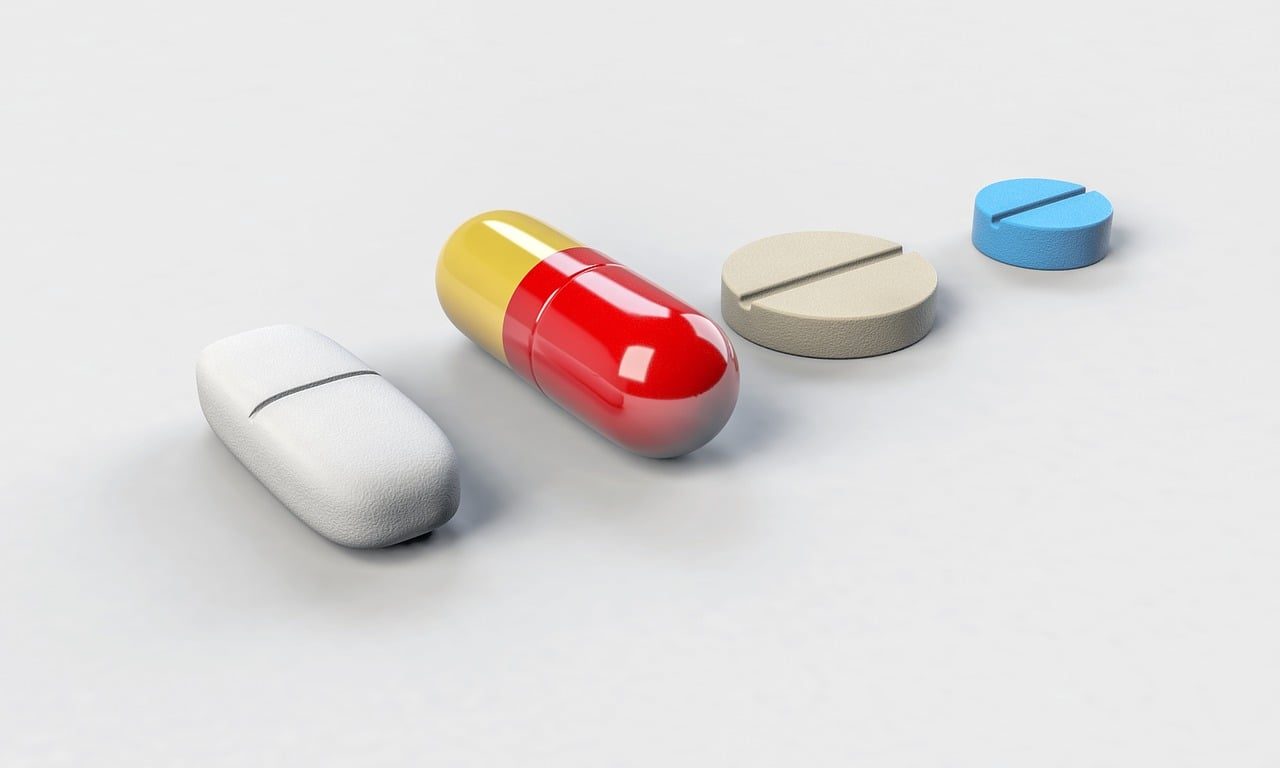
Subcutaneous Opioids May Reduce IV Reliance in Emergencies
There are few things more distressing in emergency medicine than the care of a patient in acute pain,
 Written and medically reviewed byDr. Abu BakarContributing writer · PharmD, PhD (Pharmacology)
February 20, 2026 · 12 min read
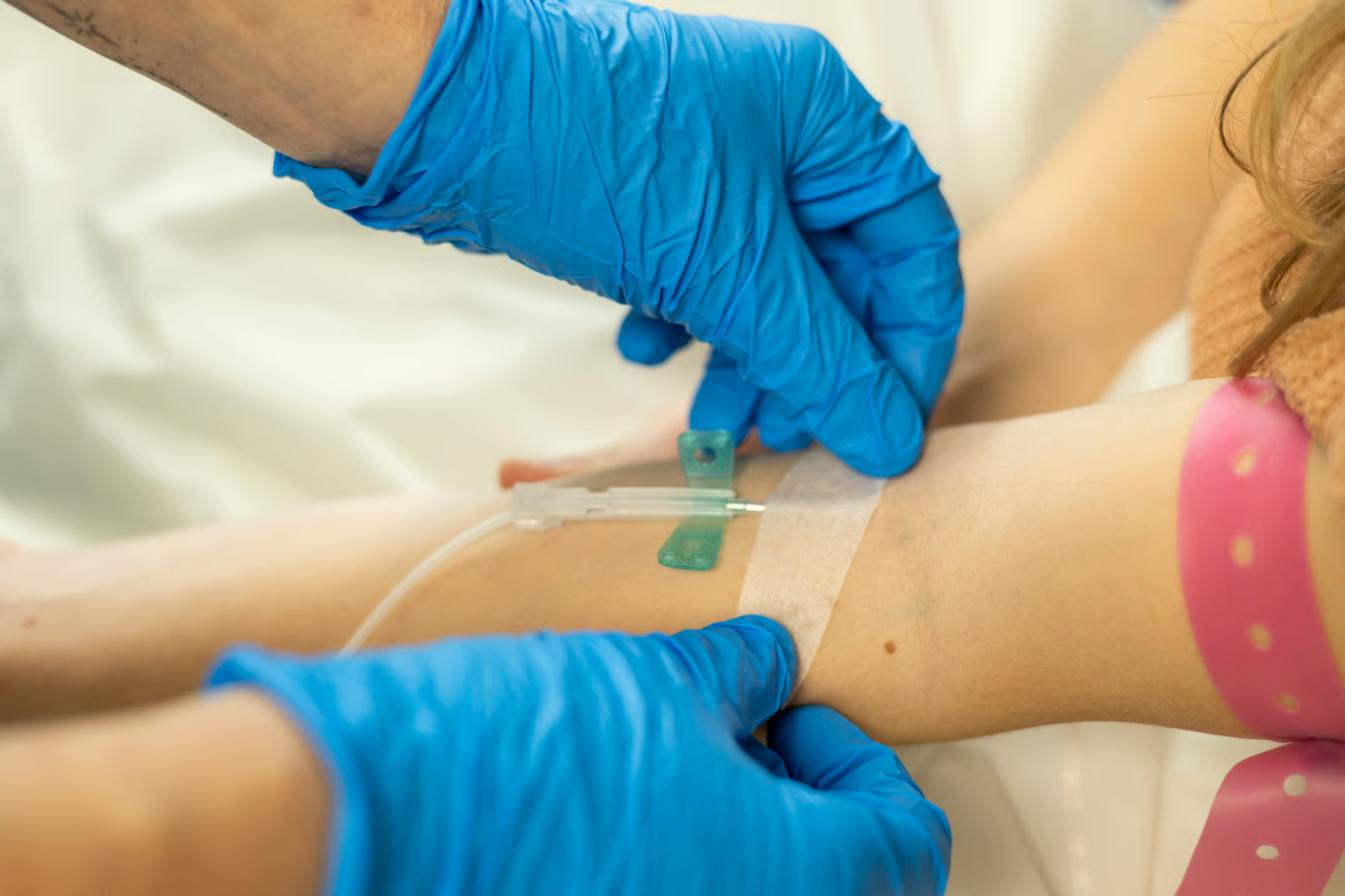
There are few things more distressing in emergency medicine than the care of a patient in acute pain, and effective pain management is therefore a central goal for emergency physicians. For severe pain, IV opioids are the standard of care; but as advanced emergency practitioners, we must also consider administration of these medications via the subcutaneous route.
Why it matters
Speed and access
In resuscitation situations time is crucial and pain relief needs to be given as quickly as possible. However, finding a vein can be very difficult because of patient’s dehydration/shock/obesity/state of collapse/ previous damage to veins from repeated access for other reasons. Administering medication via the subcutaneous route does not require the use of a large needle and in many situations an injection can be given more quickly than setting up an IV. This is especially important to people who are not experienced in venipuncture. Speed in emergency medicine and critical care can save lives and bring relief to overworked staff in the busy ED as well as the prehospital environment.
Resource efficiency
Some IV catheters, some IV flushes, an infusion pump and vital sign monitors may be needed for intravenous treatment. For subcutaneous single dose injections, minimal equipment is required. For continuous subcutaneous treatment, simple to use infusion devices such as syringe drivers or gravity infusions are available. In lower resource settings, for mass casualties, in rural settings and in community care, the subcutaneous option is the more appropriate route.
Safety and complications
As with any method of access there are some risks involved with administering medications and fluids through an IV. Most of these risks can be minimized with proper technique, assessment of the vein, and positioning of the client. However, there are some risks that cannot be completely eliminated such as phlebitis and infiltration, accidental arterial puncture, transmission of infection, and damage to small fragile veins. Subcutaneous injections do not risk damaging the veins and generally have fewer potential complications than IV access. Although local site reactions can occur, these are typically mild and of short duration. However, systemic effects of opioids such as respiratory depression and sedation can still occur, so the nurse must still monitor the client for these signs. The subcutaneous method of administration provides a safe and practical alternative when IV access is not possible.
Opioid stewardship
Management of pain in patients with acute medical conditions presents many challenges to providers, especially when trying to assure that patients have adequate pain control without exposing them to opioids. SC administration of medications in the emergency department setting is one method of pain management and can be utilized as part of a multimodal pain approach and as part of opioid stewardship efforts. Precise dosing to the individual patient’s needs and potentially administration of continuous low-dose SC infusions could reduce the need for multiple IV boluses. Departmental strategy for SC administration of medications, dosing, and monitoring of patients receiving these medications can be utilized as part of a comprehensive plan for opioid stewardship.
Evidence base and clinical context
Most of the high quality evidence concerning the use of subcutaneous administration of opioids is derived from palliative care and oncology research. However, as the field evolves there is an increasing body of evidence relevant to emergency medicine. Although the amount of research in this area is currently small it is growing rapidly. As a result, subcutaneous opioids can be used for the treatment of moderate to severe pain and generally have a similar onset of action for clinical situations where such a time frame is relevant. For immediate life-threatening pain that requires immediate titration for precise control, IV remains the first line approach. However, for a variety of acute pain situations in which immediate IV access is not available or is delayed, subcutaneous opioids represent an effective alternative.
Who it affects
Patients
The solutions are initially targeted at patients with acute severe pain for whom it is slow or difficult to administer effective analgesia via the intravenous route. This group of patients may include the elderly, intravenous drug misusers, hypovolaemic patients and patients in a state of peripheral vasoconstriction. They would benefit from a rapid reduction in pain and avoidance of the adverse effects associated with pain-induced stress. Patients with chronic pain generally require long-term treatment with opioids on an oral regimen. However, there are many difficulties associated with managing oral opioids, and the subcutaneous route provides an alternative route for such patients.
Clinicians
Healthcare workers such as frontline emergency physicians, nurses, paramedics and ambulance officers will be affected by administration of opioid products to adult patients such as naloxone for opioid overdose, benzodiazepine overdose or anaphylaxis for administration of opioid products. Subcutaneous administration of opioid products such as naloxone is a relatively simple skill to teach and administer as a subcutaneous injection. It is faster and easier to administer subcutaneously compared to IV or IM. It can save valuable time and alleviate frustration of struggling to insert difficult to place IV cannulas. While administration of a subcutaneous injection is relatively simple, education of healthcare workers on appropriate dosing of opioid products administered subcutaneously, local skin care and management of local reactions and assessment and management of opioid related effects is required.
Systems and administrators
Future scenarios in which large numbers of patients present to hospitals and emergency medical systems for treatment include mass casualties. Administration of medication to patients requiring subcutaneous injections may need to be performed by individuals other than nurses and physicians. Hospitals and emergency medical systems will need to develop procedures, supplies, and documentation for such administration. Small-gauge needles and syringes and infusion drivers will be required in addition to those currently used for parenteral administration. From a practical standpoint, subcutaneous administration of medication may be less expensive than administration by IV and may be easier to accomplish in settings with limited resources. When planning for mass casualties, consideration should be given to the use of subcutaneous administration when IV access is not available.
Public health
With more medications administered subcutaneously, there may be moderate public health benefit in using the skin injection route to decrease the need for repeated high-dose intravenous (IV) opioid boluses during clinical emergencies. This approach is, however, no panacea for the North American opioid crisis, which will require a multifaceted approach incorporating non-opioid analgesics, regional analgesia, and evidence-based strategies for safe discharge with appropriate opioid levels.
What changes
Protocol development and guidelines
Providers who are implementing the use of subcutaneous administration of various opioid preparations in the hospital setting would benefit from well developed protocols for this process. Hospitals will need at least the following criteria outlined for administration of these agents subcutaneously: indications for administration by this route, initial dosing, dosing increases, frequency of vital signs, criteria for return to IV administration, and criteria for discharge from the hospital. Safety checks (e.g. pre administration assessment of patient’s respiratory status and level of consciousness, reassessment of patient after administration) also need to be addressed.
Training and competency
Training programs for education and administration of parenteral nutrition should include practical skills and problem solving scenarios such as deciding the appropriate needle gauge and site, preparing and administering single dose and continuous infusion parenteral nutrition medications, accurately documenting dose amounts and patient response, and identifying and treating local site reactions. The use of didactic instruction in conjunction with simulation or a short workshop can be a very effective teaching method. Training on subcutaneous (SC) injections is also a valuable skill set for inclusion in paramedic and prehospital education programs.
Medication selection and dosing
Not all opioids are equivalent for all routes of administration. While some agents such as morphine, hydromorphone and oxycodone have greater popularity for use via the subcutaneous route, the dosing for any agent administered subcutaneously needs to take into account the specific pharmacology of that agent. The initial subcutaneous boluses would be based off of established parenteral conversion ratios, then up-titrated based on the onset of action of the specific agent. Provided the infusion is adequately titrated, the subcutaneous continuous infusion should achieve a steady-state concentration comparable to that which could be achieved with intravenous administration. Administer initially at a low dose and then increase as necessary based on pain and level of sedation.
Monitoring and safety measures
When considering the feasibility of administering opioids subcutaneously, it is important to recognize that even though the mode of administration changes, potential overdose, oversedation, systemic and un-intended effects of opioids will still exist. PAT will still be required to monitor respiratory rate and levels of sedation, have access to reversal medications, as well as protocols for escalating care. PAT must also monitor site checks for signs of local reactions (i.e. swelling, pain) at the infusion site.
Patient communication and discharge planning
Provision of information and education to patients and their carers regarding their expected management, the route of administration of the subcutaneous opioid and the local side effects. Patients and their carers should be able to tell oral medication management at home, how to monitor for effectiveness and side effects, when to seek help, and safe use of analgesia. Follow-up and liaison with the primary care team and/or specialist palliative care team as appropriate.
Supply and equipment
DE supplies will need to be restocked with supplies for single dose subcutaneous injections (small gauge disposable syringes and needles) and for continuous administration (lightweight syringe drivers and tubes) and pipettes etc. In general, the savings in terms of fewer cannulations and morbidity will far outweigh the initial cost of the equipment.
Quality improvement and data collection
Integrate subcutaneous administration into current practice. Some data elements to consider in quality improvement include time to first analgesia, change in pain scores, percentage of successful IV cannulation on first attempt, local site complications, amount of opioid administered and any adverse events. Analysis of these data can help improve practice protocols and demonstrate improved patient and department comfort, safety and efficiency.
Research and unanswered questions
Although the use of alternative routes of administration of opioids for symptom control in palliative care patients has been well described, alternative administration methods are less well studied in acute emergency settings. In addition to studies that evaluate the effectiveness and acceptability of subcutaneous versus intravenous administration of opioids for the management of common emergencies that require opioid analgesia, studies are needed that describe the pharmacokinetics of the opioids in severely ill or unstable patients. Further research is also required to explore the use of subcutaneous opioid administration in prehospital care and in mass disaster situations. Those settings up new practice should consider making links with research groups to help capture data for both audit and research purposes.
Conclusion
The administration of opioids subcutaneously in the setting of emergency medicine for pain control is a readily available but under-recognized option. Subcutaneous administration of opioids can help to decrease delays in administering pain medication when IV access is difficult, decrease the risk of complications associated with attempting to establish difficult IVs, and be a useful method for opioid stewardship in conjunction with other multimodal agents.
Facilitating uptake of this intervention includes development of guidelines, professional healthcare training, patient monitoring and treatment quality. For many individuals and healthcare systems, subcutaneous opioids will offer an important treatment option that improves palliation, simplifies emergency care without compromising safety.
Future prospects
The role of subcutaneous opioids in emergency medicine is likely to increase as evidence accumulates. While much evidence supporting the administration of subcutaneous opioids exists within the palliative care and oncology literature, the majority of available evidence in emergency medicine is based upon less than ideal study designs. Future research within the emergency department setting comparing intravenous to subcutaneous administration for specific indications of acute pain will guide future practice. Future studies should also assess time to effective pain relief, both patient and provider satisfaction, adverse effects, and cost-effectiveness in order to create practice guidelines and provide appropriate indications for the use of subcutaneous opioids. Second, improvements in drug delivery technology make subcutaneous administration simpler and more practical. Small, simple to use devices for subcutaneous infusion are becoming available. This includes wearable and programmable syringe drivers that are easy to use, program and provide accurate dosing. As such devices become more available, affordable and longer lasting, it is anticipated that their use in the ED and prehospital setting will increase. For disaster planning, vehicles can be equipped with pre-filled and pre-labeled disposable infusion sets that do not require an existing IV for administration. Third, the formulation of available pharmacologic agents for subcutaneous administration could be optimized – including current opioids as well as other medications – with the aim of improving absorption, reducing local irritation, and having more predictable effects including onset and duration. Fourth, opioids could be safely incorporated into the Electronic Health Record with automated prompts and tools to assess level of sedation and pulses oximetry readings. This would alert potential adverse effects related to opioids whether administered by the IV or SC route. However, once patients are on subcutaneous opioids, digital monitoring of their medication can allow nurses to safely increase doses in emergency situations as needed. Moreover, from a global health perspective, administration subcutaneously is the only method that does not cause discomfort to the patient and thus can be used in limited resource settings where normal IV administration supplies are not available. Health organizations around the world are increasingly emphasizing the need for equitable access to adequate pain relief as a fundamental right of medical care. By scaling up safe methods of subcutaneous administration, nurses in rural clinics and in humanitarian settings can meet this challenge. 6. Sixth, prehospital emergency medical services will jump at the chance to administer pain relief medications to their patients when they find out how easy successful IV placement can be. Administering opioids subcutaneously will enable paramedics and EMTs to deliver early pain relief to trauma patients, patients with injuries which require splinting, patients with burns and other emergencies before they ever arrive at the hospital. Techniques for successful IV placement are few and subcutaneous pain relief administration will facilitate the prehospital provider’s ability to deliver overall better patient service while reducing the chance of some of the severe stress-related adverse effects that can occur as a result of withholding adequate pain relief to a patient in distress. 7. Seventh, models of education (didactic and clinical) will change to include the administration of subcutaneous analgesia. The presentation highlights the future integration of subcutaneous administration in existing platforms of education and training for future clinicians, such as emergency medicine training programs, nursing education and paramedic certification programs. This increased exposure will lead to increased acceptance and utilization of these administration methods within the departments of emergency medicine. Long-term data on opioid stewardship outcomes will elucidate the true value of subcutaneous opioids, guiding providers and public health goals alike. While data suggests subcutaneous administration of opioids to patients in the ED will become more common and accepted, as evidence demonstrates less cumulative opioid exposure, fewer complications associated with IV access, and higher patient satisfaction without increased adverse effects, it is not meant to replace all administration via the intravenous route. Baritors and nurses need these healthcare workers to administer medication and treatment. The healthcare system is moving towards a more patient-centered approach to healthcare. This approach to healthcare incorporates elements of comfort, efficiency and safety when administering treatment for pain management, including the cautious use of opioids. As more research emerges and more technologies become available, there will be increased acceptance of subcutaneous injections in emergency pain management in the years to come.
References:
One story a day
The story of the day, in your inbox
One health journey each morning — no advice, no alarm, just company for the road.