The Mechanisms of Resistance: A Deeper Dive into Multimodal Escape in Multiple Myeloma
The newest class of myeloma immunotherapies target a surface protein called GPRC5D.
 Written and medically reviewed byRayan SalihContributing writer · PharmD, RPh
March 16, 2026 · 10 min read
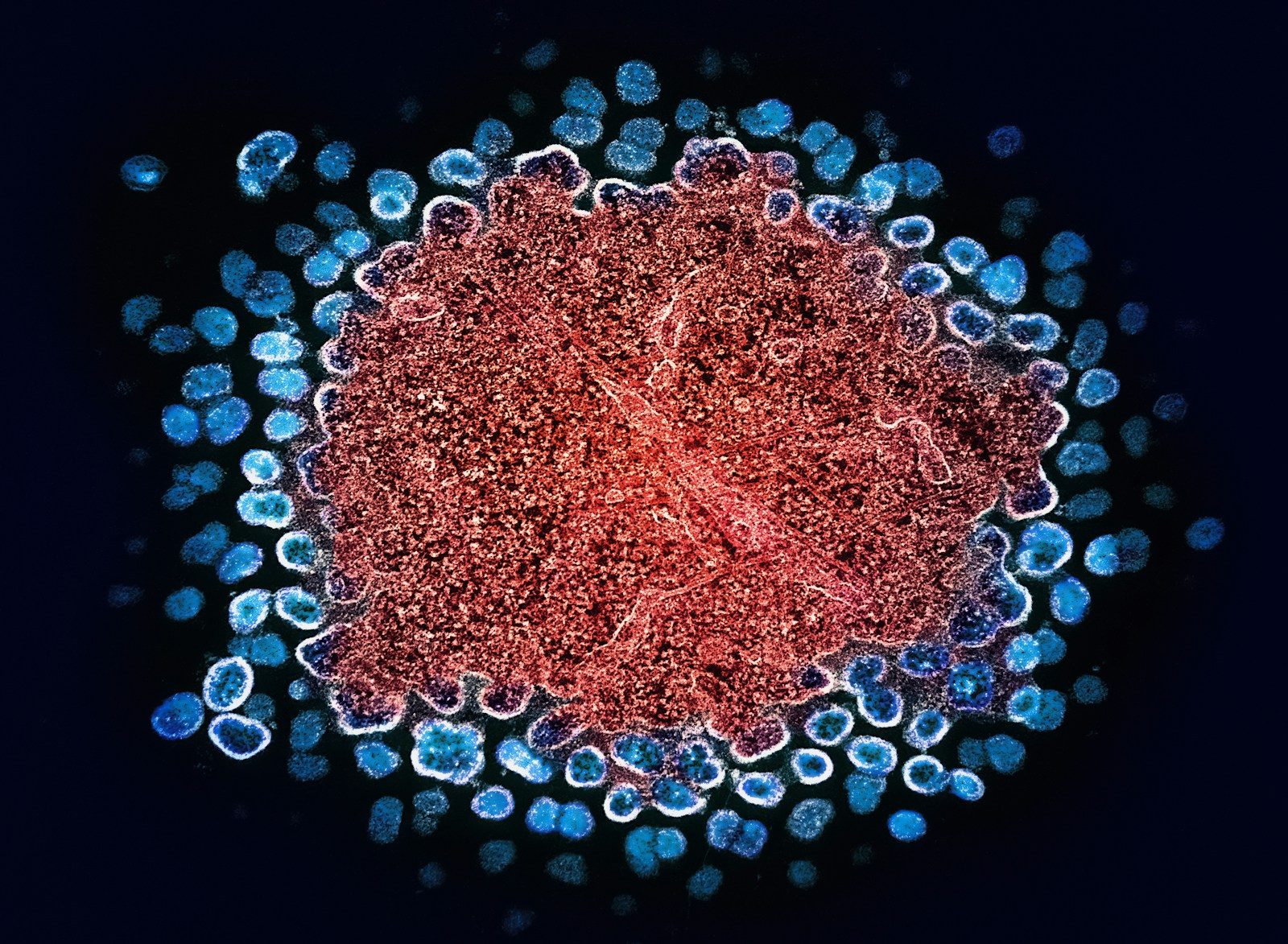
The newest class of myeloma immunotherapies target a surface protein called GPRC5D. But as scientists scramble to test these emerging treatments, the first reports are emerging of cancer cells that manage to dodge them. The latest worry: tumors that develop resistance to multiple myeloma treatments.
Why It Matters
Multiple myeloma is a cancer of the plasma cells that, over the past decade, has evolved from a uniformly fatal disease to one with an increasing number of active therapies targeting at multiple pathways including the activation of the immune system to target the plasma cells against a single tumor marker expressed on the surface of the malignant cells. GPRC5D (G protein-coupled receptor class C group 5 member D) is a surface protein target. It is expressed in almost all cases of myeloma but is expressed at very low levels in the majority of normal tissues and thus potential therapies against this molecule are currently in early clinical trials in the form of bispecific antibodies, antibody–drug conjugates (ADC), and chimeric antigen receptor T‑cell (CAR T) therapies.
Antigenic Escape
However, targeting a single protein is unlikely to be successful in the long term, as the tumour will evolve to escape from that therapy through antigenic escape, and may even employ multimodal strategies to decrease tumour recognition by immunotherapies utilizing a portfolio of different mechanisms, including decreased or lost expression of the targeted protein, conformational modifications, release of tumour-derived antigen into the tumour microenvironment, and recruitment of immunosuppressive cells.
Relapse and Next Steps
There are serious clinical consequences of losing GPRC5D as a therapeutic target for patients with this mutation, i.e. a patient who goes into remission on a GPRC5D-targeted agent will inevitably relapse when their disease is no longer dependent on GPRC5D. These consequences have repercussions throughout the entire patient treatment pathway, subsequent therapy release, payer value determinations and next-generation research.
Diving Deep
Antigenic drift was identified in 68.4% of samples from 21 relapse patients. However, talquetamab, the anti-GPRC5D T cell-engager (TCE), encounters resistance to treatment that is not single but multimodal, and mediated by three distinct genomic and epigenetic mechanisms.
1. Biallelic Deletions: Complete Antigenic Loss
B cell targeting in MM can follow the simple loss of the target gene. We found that MM patients have focal to large biallelic deletions at the GPRC5D gene locus. These deletions lead to a loss of expression of this surface protein from the surface of MM B cells. Patient MM-20 had a large focal 104 kb biallelic deletion at the GPRC5D gene locus that was detected by whole-genome sequencing (WGS) at relapse but not pre-therapy. Flow cytometry found nearly absent membrane expression of GPRC5D on the surface of MM cells from this patient. The biallelic deletion was also found in the scRNA-seq of the MM B cells of this patient, indicating that the loss of this transcript led to B cell destruction.
2. The “Double-Hit”: Deletions and Mutations
Several CAN-causing mutations also inactivate tumor suppressor genes by deleting a single copy of the gene and simultaneously inactivating the remaining allele through SNVs or indels, thereby precluding expression of any functional wild-type protein at the surface of the cell. These mutations typically target conserved motifs within the GPCR family.
For efficient sorting of GPRC5D to the plasma membrane, specific motifs within its ECT are crucial. Many individual mutations within these motifs (such as Gln146Ins, Glu146, Leu174 or Tyr257) result in misfolded GPRC5D that is retained in the ER. Using the K562 cell line we demonstrate that these misfolded mutants of GPRC5D co-localise to ER resident proteins and are not surface expressed. Cells bearing misfolded GPRC5D are resistant to killing by TCE.
3. Epigenetic Silencing: The Invisible Shield
A further mechanism of resistance could be epigenetic silencing of essential genes for dexpramipexole action. Here we show that in MM-10 resistance is mediated by a bimodal “hit”. A truncating frameshift mutation inactivates one PRSS1 allele, and the second PRSS1 allele is silenced via promoter/enhancer silencing. As a first glimpse into chromatin changes at the time of relapse we performed scATAC-seq, and found a loss of accessibility at the gene body as well as longer range regulatory elements.
Epigenetic silencing of the tumor suppressor gene GPRC5D may contribute to pathogenesis, particularly in myeloma with a t(11;14) translocation. Interestingly, myeloma with t(11;14) has decreased chromatin accessibility to key transcription factors at the GPRC5D gene and endogenous expression of this gene is decreased in these tumors. Myeloma cells with a B cell-like epigenetic program may be “primed” for silencing of this tumor suppressor gene.
Distinct Characteristic and Clonal Heterogeneity
By sequencing individual patients with multiple myeloma, the researchers found the cancer to be constantly evolving. Within a single patient, several subclones may be simultaneously evolving new mutations. What’s most chilling, however, is that different parts of the tumor may evade attack by anti-GPRC5D antibodies in different ways.
- Patient MM-61: Displayed nine distinct subclones at relapse, each harboring different mutations or deletions on the GPRC5D locus.
- Patient MM-03: Demonstrated a stepwise escape where the tumor first evolved to lose the BCMA antigen after anti-BCMA therapy, and then developed biallelic GPRC5D mutations (p.Asp239Asn and p.Trp237Ter) to escape talquetamab.
Clinical Implications: Rethinking Detection and Treatment
The study uncovers new mechanisms that show the limitations of currently used clinic protein-based assays for diagnosis.
The Pitfall of Standard Screening
Patterns of protein expression detected by CNA only poorly predicted protein resistance to therapeutic antibodies as detected by microscopy. The p.Asp239Asn CD37 mutation did not decrease surface expression of CD37 as measured by flow cytometry, but it did change the epitope recognized by the antibody talquetamab so that cells bearing this mutation were resistant to killing by talquetamab. Structural modeling suggested that p.Asp239Asn would interfere with binding of talquetamab to CD37 because it would break a critical ion pair that defines the CD37-talquetamab interface.
Overcoming Resistance with Specificity and Valency
Not all GPRC5D-targeted therapies are equally affected. Here, we investigate the distinct effects of the monovalent binder talquetamab versus the bivalent binder forimtamig.
- Valency matters: The bivalent forimtamig was able to overcome the resistance of the p.Asp239Asn mutant and showed partial activity against p.Tyr257Ser, whereas talquetamab’s activity was severely impaired by both.
- Sensitivity Thresholds: Some mutants, like p.Tyr257Ser, result in ultra-low surface expression, below the detection limit of flow cytometry, yet remain sensitive to high-affinity bivalent agents.
The Path Forward: Strategy and Surveillance
The myth that multimodal therapy is indicated in multimodal myeloma.
- Genomic-Based Workflows: Clinicians must move beyond antibody-based assays and incorporate genomic sequencing to detect specific epitope changes and mutations that protein scans miss.
- Strategic Dosing: To prevent the selection of low-expression escape clones, it is vital to avoid sub-therapeutic dosing or premature dose de-escalation, which might allow these resistant cells to gain a foothold.
- Multi-Targeting: Given the frequency of single-antigen loss, dual-targeting approaches (such as trispecific antibodies or CAR T cells targeting both BCMA and GPRC5D) may be necessary to eliminate emerging resistant clones.
Who It Affects
Patients
The clinical utility of targeting GPRC5D is unknown at present, but potential benefit is likely to be greatest for patients with relapsed or refractory disease. Patients with a history of relapse have already received the most established therapies including proteasome inhibitors and immunomodulatory drugs. Furthermore, strategies targeting anti-BCMA antibodies are also becoming less effective as all lines of myeloma therapy are ultimately transgressed by the disease. For these patients a fresh therapeutic avenue could translate to durable remission and relief from disabling and distressing myeloma related symptoms.
Clinicians: Hematologists and Oncologists
Hematologists and oncologists will need to re-tool their treatment pathways as antigen loss occurs. An in depth understanding of disease biology and more frequent tumor marker levels at time of progression, potential for a biopsy or a circulating tumor DNA assay will be crucial. Multiple strategies of next generation sequencing throughout and at end of treatment will be necessary to monitor for antigen loss. Additionally, Advanced Practice Providers and Nurses will play a bigger role educating patients to their role in monitoring for immune-related toxicities and implementing rapid changes in therapy.
Healthsystems, Payers, and policymakers
The healthsystems and payers will feel the operational and economic impacts of these new therapies. CAR T cell products will require novel manufacturing and delivery strategies. Bispecific antibodies are likely to require out-patient dosing and prolonged follow up over several months to years. Since the durable responses are expected to be short, cost-effectiveness will change. Policy makers and hospital administrators will need to invest in strategies to test algorithms and protocols, and to evaluate and administer these treatments by multidisciplinary teams. While developing these strategies, efforts will also be needed to ensure access to these expensive therapies for underserved populations.
What Changes
- Clinicians should plan for dynamic testing: antigen expression must be reassessed at relapse to inform whether a GPRC5D‑directed agent remains appropriate.
- Treatment sequencing will shift toward combination or multi‑target strategies to reduce the chance of escape and preserve future options.
- Health systems will need protocols for rapid therapy switching, expanded diagnostic capacity, and education about unique toxicities linked to new targets.
- Payers and policymakers will need updated frameworks for coverage that account for repeat testing, combination regimens, and the real‑world durability of benefit.
Practical Considerations
From a clinical point of view a few common sense considerations apply. Firstly it would be helpful to know the baseline levels of the tumour antigens and how these decline on treatment. It is obvious that a treatment is likely to be much more effective if given when the target is most abundant, rather than after the tumour has had the opportunity to downregulate the target antigen. Secondly one has to weigh up the advantages of very “targeted” therapy against the potential risk to the patient of selectively driving the tumour to escape. This consideration would apply whether or not a patient is entered into a clinical trial and would help in deciding whether to use a highly active single-target approach or a more general approach, such as combinations or multi-antigen targeting using multi-gene expression cassettes.
Patient Input and Experiences
Patient experience and safety is critical for research and treatment development. Side effects to GPRC5D-targeted therapies are expected to differ from those of other myeloma therapies. There is potential for dermatologic and mucosal toxicities and immune-mediated syndromes similar to those experienced with other cell-engaging therapies (e.g. AML with CD19-directed therapies). Some reactions can be severe and include fever, fluctuating blood pressure, and changes in neurological function. Many of these toxicities can be managed on an outpatient basis with staff trained in early identification of side effects and management. However, patients and families will face the challenge of undergoing multiple rounds of intensive therapies over many years. This will require significant support and will be emotionally and logistically challenging. There is a particular need for assistance in arranging travel, time off from work and family, and assistance with authorization of treatment and denial of treatment by insurance companies. Assistance in appealing denial of treatment by insurance companies is also necessary.
Research and Development
The challenge of antigenic escape is becoming increasingly important for R&D of cancer immunotherapies. Bispecific antibodies can target two tumour antigids at once, CAR T cells can be made to recognise several targets, or even have modular or ‘switchable’ configurations to allow targeting of different antigids if the tumour escapes by mutation. Furthermore, the immunomodulatory agents currently entering clinical trials can be combined to alter the tumour microenvironment so that future immunotherapies with immune effectors, which directly kill tumour cells, will remain effective even when antigen levels fall below those originally detected.
Health Policy
Policy and access issues are starting to surface. Durable benefit helps justify the cost of very expensive therapies. Multimodal antigenic escape will limit the duration of response to CD19 CAR T. All of these issues are going to be intensely scrutinized by the payers for coverage policies, prior authorization strategies and outcomes-based contracting strategies. Furthermore, these are issues of equity. Patients in rural hospitals or underfunded cancer centers may not have access to repeat testing to determine relapse from CD19 negative expansion, or even a second slot in the production line for next-generation CAR T.
Future Impact
To address multimodal antigenic escape in melanoma several steps should be taken including implementing re‑biopsy or circulating biomarker policies at time of progression at centers of care for individual patients and incorporating those data into shared decision making. Clinical trials and melanoma registries should collect data on measures of resistance, duration of response in the real world and patient‑reported outcomes in addition to overall response rates. Payers and manufacturers should consider adaptive payment methodologies whereby the price of a drug is tied to long‑term patient benefit. Finally, the FDA should provide flexible approval pathways that reward development of multiple antigen targets.
The new class of therapeutics targeting GPRC5D will benefit a sizeable proportion of myeloma patients. Multimodal antigenic escape, however, predicts that targeted approaches will have only short-lived benefits unless combined with predictive strategies to anticipate the tumor’s future evolution. We translate these insights into building smart clinical pathways to anticipate the tumor’s future evolution, and improve monitoring and next-generation multivalent therapies to enable longer duration of remission in what was considered an “invincible” disease.
Future strategies will need to combine sharper diagnostic surveillance and informed sequencing with multi-target therapies, and universal access with long-term benefits.
One story a day
The story of the day, in your inbox
One health journey each morning — no advice, no alarm, just company for the road.