THP Noninferior To TCbHP For pCR In HER2+ Early Breast Cancer
The comparison of management of HER2-positive early breast cancer suggests that the addition of carboplatin to any backbone
 Written and medically reviewed byRayan SalihContributing writer · PharmD, RPh
April 7, 2026 · 3 min read
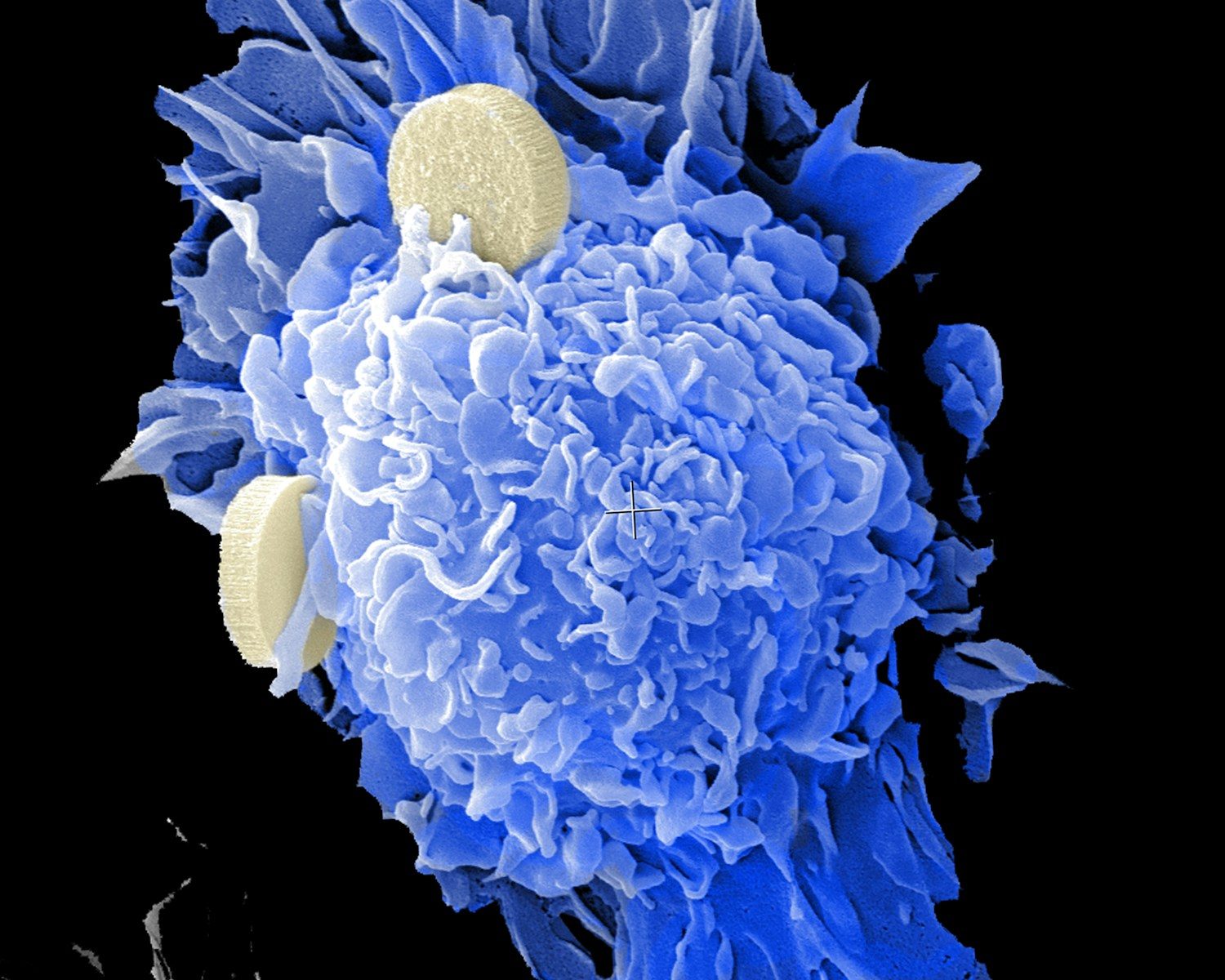
The comparison of management of HER2-positive early breast cancer suggests that the addition of carboplatin to any backbone of a taxane plus the two anti-HER2 agents trastuzumab and pertuzumab (THP) may improve outcomes but at increased toxicity. The less toxic THP regimen achieves comparable rates of pathological complete response (pCR) to the more intensive TCbHP neoadjuvant chemotherapy regimen. Patients and their physicians can now make informed choices weighing increased toxicity against potential additional benefit.
Recent Research
OMalley et al report results from the randomized phase III neoCARHP trial. Patients with early HER2-positive breast cancer received either a chemotherapy regimen that includes trastuzumab and pertuzumab (THP) or a combination of taxane, trastuzumab, and pertuzumab that included carboplatin (TCbHP). The mean pCR rate for THP was 64.1% (mITT n = 766) and for TCbHP it was 65.9%, a negative difference of -1.8%, which was within the limit of -10% predefined for noninferiority.
Why It Matters
Achieving a pathological complete response (pCR), i.e., the absence of invasive cancer in both the breast and the lymph nodes at time of surgery, is an important early surrogate endpoint in HER2-positive disease. A pCR after administration of neoadjuvant therapy is associated with excellent long-term survival for many patients with HER2-positive breast cancer. This issue will significantly alter the clinical practice by improving pCR rates while decreasing toxicity.
Past Therapy Options
For patients with HER2-positive breast cancer treatment has progressed to the combination of chemotherapy and two HER2-targeted agents resulting in improved patient outcomes and increased pCR rates. The use of carboplatin in the neoadjuvant setting for certain subtypes such as triple-negative and HR-positive/HER2-positive has been shown to result in greater tumor kill. However, due to associated increased risks of bone marrow suppression and other toxicities, it is often necessary to reduce the dose of either pertuzumab or trastuzumab, delay or skip a planned treatment, or even schedule additional clinic visits. The challenge remains to determine if similar pCR rates can be obtained while avoiding the use of carboplatin and thereby avoiding the additional toxicity.
While the focus is on toxicities of novel therapies, it is also important to consider the overall effect on the system. Less toxic cancer drugs translate to less need for patients and their oncologists and their teams to focus on supportive medications, the need for administration of growth factor support and blood transfusions and the frequency of monitoring in the laboratory. This translates to less pressure on infusion centers and outpatient based oncology practices. There is also less potential for complications from treatment that require urgent care or hospitalization of patients on these novel therapies. All stakeholders, including payers and health systems, will be very keenly aware of this less expensive short-term management of patients and oncologists despite the increasing cost of the drugs themselves.
What the data says
The trial is designed to allow the Investigator to select a taxane for the treatment of patients with anthracycline- and taxane-pretreated metastatic breast cancer. The selected taxane can be either docetaxel, paclitaxel or nab-paclitaxel and administered every three weeks at standard dose and schedule.
- Hormone Receptor (HR) Status: Patients with HR-negative tumors, who typically respond more vigorously to chemotherapy, achieved high pCR rates of 78.2% with THP and 77.8% with TCbHP. In HR-positive cases, pCR rates were 55.8% and 58.8%, respectively.
- Taxane Selection: Subgroup analyses showed that THP remained noninferior regardless of whether patients received nab-paclitaxel (67.6% pCR), docetaxel (62.0%), or paclitaxel (60.0%).
- Clinical Consistency: Noninferiority was consistently observed across various stages (Stage II vs. III) and nodal statuses (positive vs. negative), suggesting that the THP regimen is a reliable alternative for a broad range of HER2-positive breast cancer presentations.
Rethinking the Safety and Tolerability Profile
THP is considered safe. TCbHP regimen with carboplatin had a high incidence of severe toxicity and treatment discontinuation in our Institution.
One story a day
The story of the day, in your inbox
One health journey each morning — no advice, no alarm, just company for the road.