Ultra‑Hypofractionated Radiation Therapy for Locally Advanced Breast Cancer
Shorter, higher‑dose radiation therapy schedules are being explored for people with locally advanced breast cancer, and early experience
 Written and medically reviewed byDr. Abu BakarContributing writer · PharmD, PhD (Pharmacology)
April 19, 2026 · 6 min read
TheBrief**
Shorter, higher‑dose radiation therapy schedules are being explored for people with locally advanced breast cancer, and early experience suggests that ultra‑hypofractionated radiation can be delivered safely in carefully selected cases. This approach matters because it may reshape how treatment is planned, reduce the day‑to‑day burden of care, and improve access and affordability for patients who already require complex, multidisciplinary treatment over many months.
Why It Matters**
Radiation therapy continues to play a critical role as an essential component of curative therapy for many people suffering from locally advanced breast cancer. This technique is often employed following surgery to reduce the likelihood of cancer recurrence in the breast tissue, chest wall, or adjacent lymph nodes. The administration of radiation in small amounts on a daily basis over a period of between five and seven weeks has traditionally been the norm for a long time..
The approach of ultra-hypofractionation reduces the required timeline by giving more radiation per visit over a much shorter course of therapy. This may make a big difference to individuals who feel exhausted, stressed, and worried at this point in their lives. The fewer visits required also reduce missed days at work and the expenses related to travel and hotel accommodation while undergoing the process of radiation therapy.
However, it is not just about personal benefits; the effect is even greater on a health systems’ level. Often, radiotherapy facilities are working at their full capacity. The ability to have appropriate patients receive less therapy means having a possibility for the clinics to serve more people within the current framework. This can be particularly beneficial in areas that do not have enough radiation units or personnel.
Payment models do not necessarily align with these efficiencies. Many of these programs compensate for radiation therapy using a payment system based on the number of sessions involved. It would make more sense to shorten sessions, which in turn will lower the overall cost of radiation, but this could reduce revenue from the payment models used at present. This inconsistency could be one reason why ultra-hypofractionation is not yet fully adopted even though it would benefit all stakeholders.
The major challenge in terms of clinical safety is the delivery of higher radiation doses in each session. There could be some side effects of this form of radiation that do not manifest immediately. Examples of delayed side effects include thickened skin, fibrosis, pain, lymphedema, or any change in the appearance of the breast or chest walls, among others. Other side effects might include damage to surrounding organs, such as the heart and lungs.
The case for locally advanced tumors is more complicated since the tumors are usually large, often involve regional lymph nodes, and larger areas may require irradiation. Local control is crucial; at the same time, one needs to keep the risks of long-term complications low. When introducing ultra-hypofractionated regimens into practice, a very careful consideration of both the benefits and potential hazards associated with it is necessary.
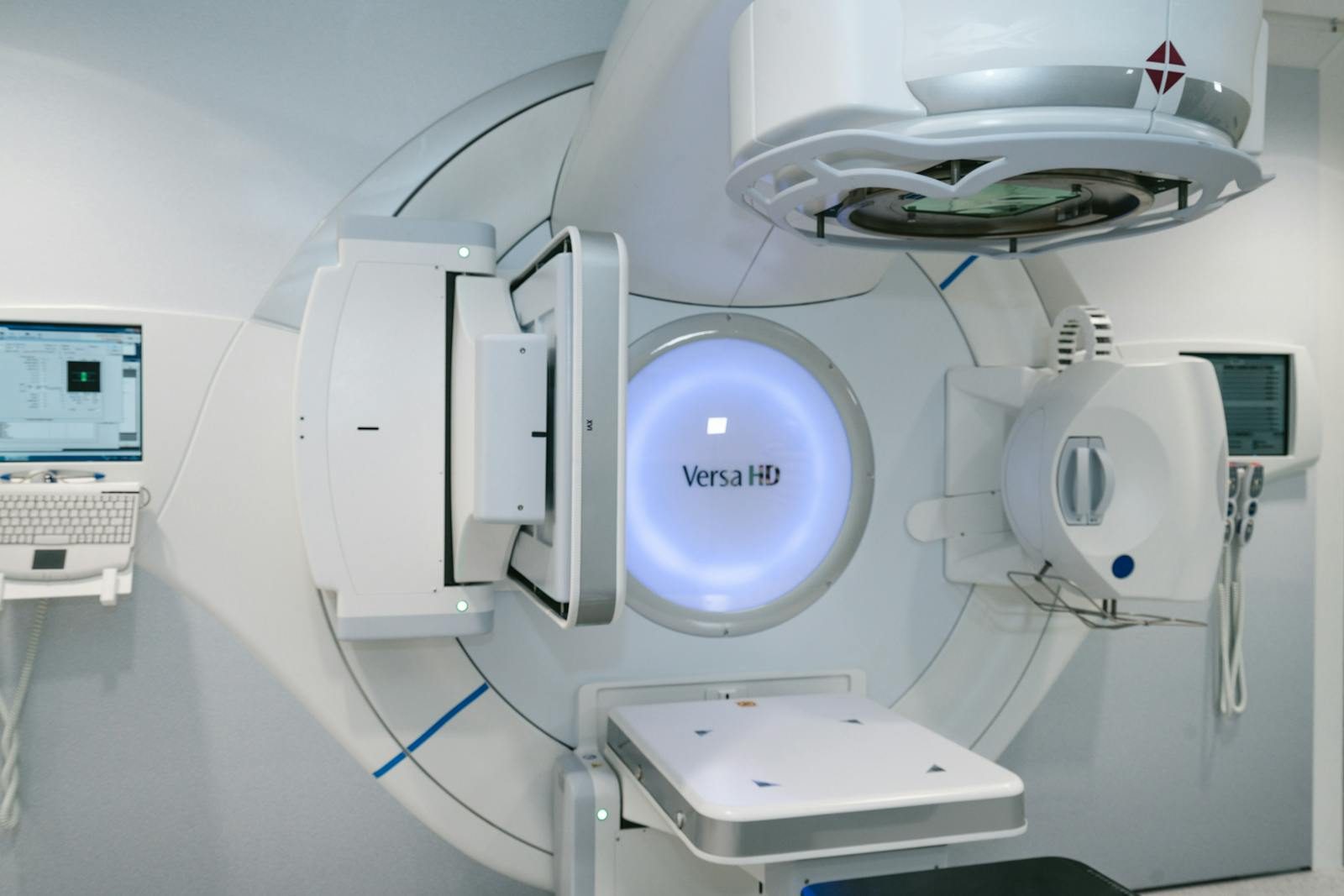
Recent advancements in radiation oncology enable us to administer higher doses of radiation without harming the patient. Thanks to the latest technology, it is possible to treat the target area better and reduce exposure to normal tissues. At the same time, greater precision is necessary since now each dose administered to the patients will be much higher.
Who It Affects**
Patients with locally advanced breast cancer belong to a diverse group of people. While some need a mastectomy due to the size and location of the tumor, other patients may have extensive lymph node involvement. Treatment options for this type of cancer typically involve a mixture of different therapies such as chemotherapy, radiation, surgery, and targeted drugs. Timing and radiation fraction are critical for the whole course of care.
For those who struggle with practical issues related to their visits, shorter regimens of radiation therapy may prove highly beneficial. Patients with inconvenient geographic location or transport availability, patients with busy working or family life, will appreciate a less extended course of radiation therapy.
Several patient-specific considerations exist when clinicians elect the ultra-hypofractionated paradigm. Radiation oncologists must consider tumor characteristics, treatment targets, previous radiation exposures, reconstruction planning, and comorbidities that could make the patient more susceptible to radiation toxicity. Aesthetic goals and function preservation become increasingly relevant, especially for patients predicted to have long lifespans following treatment.
Collaboration among all team members will become more critical. Surgeons and medical oncologists should coordinate treatments such that surgery, systemic therapy, and radiation complement one another and do not work against the other for post-operative healing. Oncology nurses, radiation therapists, and social workers are essential for educating patients on treatment, symptom management, and providing practical assistance as treatment schedules evolve.
Institutions and health insurers will be equally involved. Hospitals and outpatient clinics will be required to modify scheduling practices, train their staff, and improve their quality assurance programs. Health insurance carriers may be required to reassess their coverage policies based on patient value rather than the quantity of treatments administered. Guideline organizations and government agencies may be tasked with reviewing new evidence and updating their guidelines.
What Changes**
- Patient experience may improve through fewer visits and less disruption to daily life. Shorter radiation courses can ease physical fatigue and emotional strain by reducing the continuous schedule appointments. For many patients, this translates into better quality of life during treatment.
- Decision-making in clinical settings becomes much more complicated. Doctors have to explain all the pros and cons, as well as potential risks, which may differ depending on short-term and long-term side effects. Informed shared decision-making and informed consent become especially important for the patient to realize their place in the general treatment process.
- Operations and financial aspects can change. There will be more patients that can be treated by current means because of radiation. However, some changes in reimbursement strategies may be needed to avoid de-incentivizing centers.
- Monitoring and follow-up become even more important. Follow-up and patient-reported outcome measures, especially regarding pain, functioning, aesthetic changes, and lymphedema, must be incorporated when utilizing shorter regimens.
- Patient selection is key. Not all patients suffering from locally advanced disease will qualify for such treatment. Tumor size, involvement of lymph nodes, anatomy, reconstructive plans, and pre-existing conditions will play a role in patient selection.
- Workforce readiness becomes important. High-dose radiotherapy requires a great deal of planning, proper imaging, and validation. Workforces must feel comfortable with immobilization, contouring, and image guidance techniques.
- Equity must remain at the forefront of any discussion. Shorter courses of treatment may increase equity of access but will require equal distribution across diverse health systems. Health care organizations must be vigilant that such technology doesn’t create additional barriers for patients in rural settings.
- Future policy and research directions will define future progress. Outcome data accumulated over longer periods of time may influence guidelines as well as reimbursement models. Research will refine the techniques, help identify appropriate patients, and optimize patient-reported outcomes measurement tools.
References
- Brunt AM, Haviland JS, Wheatley DA, et al. One versus three weeks hypofractionated whole breast radiotherapy for early breast cancer treatment: the FAST-Forward phase III RCT. NIHR Journals Library (Health Technology Assessment); NCBI Bookshelf (National Library of Medicine). 2023. Available from: https://www.ncbi.nlm.nih.gov/books/NBK597546/
- Brunt AM, Haviland JS, Sydenham M, et al. Ten-Year Results of FAST: A Randomized Controlled Trial of 5-Fraction Whole-Breast Radiotherapy for Early Breast Cancer. J Clin Oncol. 2020. Available from: https://pmc.ncbi.nlm.nih.gov/articles/PMC7526720/
- Sayan M, Abou Yehia Z, Ohri N, Haffty BG. Hypofractionated Postmastectomy Radiation Therapy. Adv Radiat Oncol. 2020. Available from: https://pmc.ncbi.nlm.nih.gov/articles/PMC7809517/
- ClinicalTrials.gov (National Library of Medicine). Ultra-Hypofractionated vs Moderate Hypofractionated Radiotherapy for Regional Lymph Nodes in High Risk Breast Cancer (HARVEST-PRO) (NCT07527689). 2026. Available from: https://clinicaltrials.gov/study/NCT07527689
One story a day
The story of the day, in your inbox
One health journey each morning — no advice, no alarm, just company for the road.