Mayo Clinic Florida First to Use Impella 5.5 as a Bridge to Heart Transplant
Mayo Clinic Florida is the first center to use the Impella 5.
 Written and medically reviewed byDr. Abu BakarContributing writer · PharmD, PhD (Pharmacology)
July 18, 2026 · 7 min read
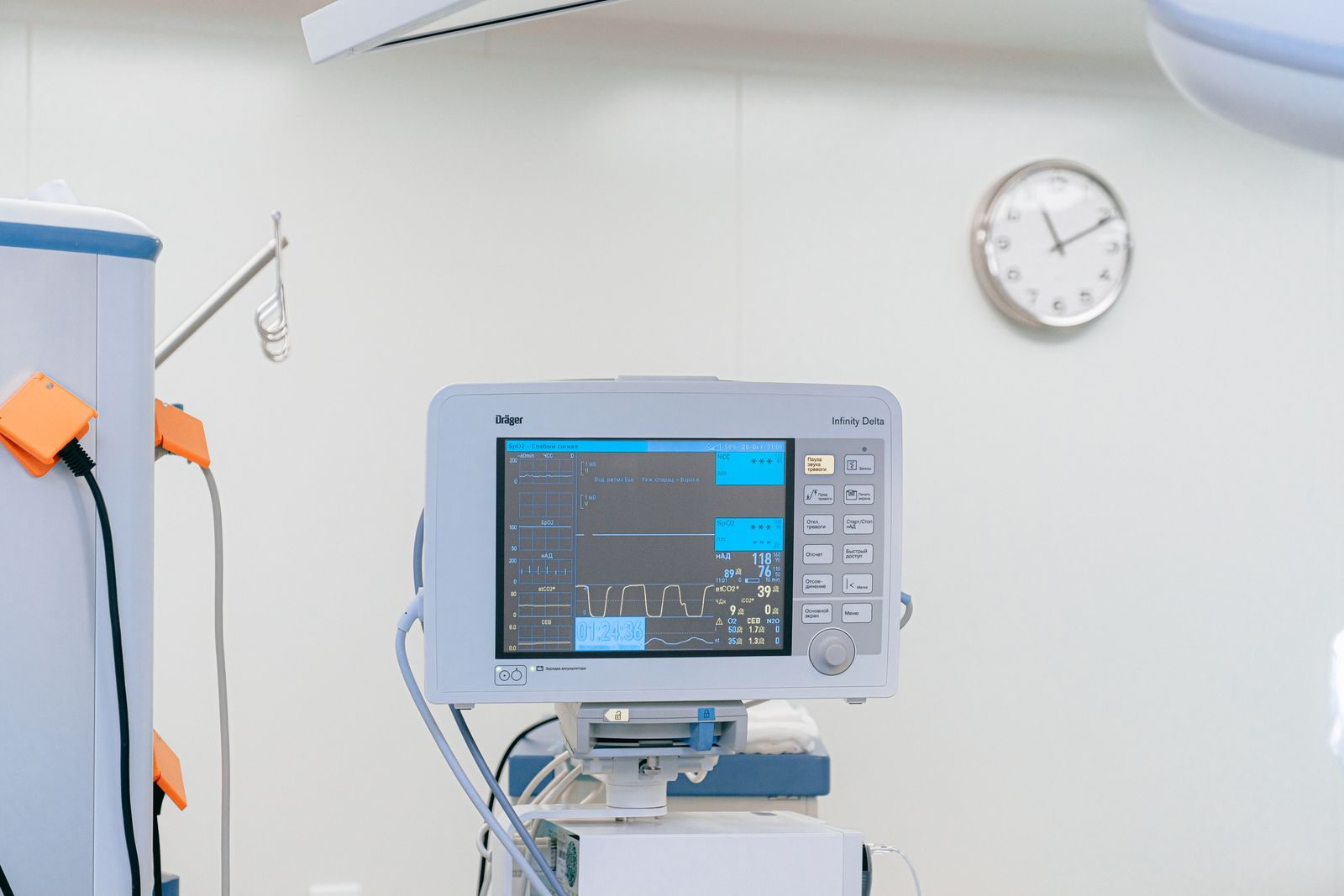
Mayo Clinic Florida is the first center to use the Impella 5.5, a temporary catheter-mounted heart pump, specifically to bridge patients to heart transplant. The device performs the functions of the left side of the heart and assists in maintaining the flow of blood throughout the body. It allows the patient to be more active and stable until a suitable heart can be found for transplantation. The use of this pump to act as a bridge to transplantation is a new idea that may revolutionize certain aspects of patients’ management in the transplant queue.
Why It Matters
Patients with end-stage heart failure who need a transplant often face a race against time. Their hearts are so weak they risk falling into cardiogenic shock, where organs don’t get enough blood. Patients with heart failure in the late stage have usually been stabilized with the help of technologies such as left ventricular assist devices (LVADs) or extracorporeal membrane oxygenation (ECMO). Both methods of stabilizing patients have advantages and disadvantages. LVAD is a technology that provides long-term support but involves major surgical procedures. On the other hand, ECMO involves keeping the patient sedated in ICU for a few days or even weeks.
This new approach matters because even subtle changes in pre-transplant care can improve outcomes. Early reports and studies show that patients on Impella 5.5 support can recover organ function and participate in rehab programs, which strengthens them before surgery. For example, one multi-center analysis found nearly all patients bridged with Impella 5.5 reached transplant successfully, with very few needing urgent LVAD surgery or dying on the waitlist. Hospitals using this pump report shorter ICU stays and better readiness for surgery. These improvements hint that the Impella 5.5 can keep very sick patients safer and more resilient while they await a donor heart, potentially saving more lives.
Who It Affects
The Impella 5.5 bridge to transplant primarily targets patients with advanced heart failure on the transplant list. These patients often deteriorate quickly, and some may not be stable enough to wait for a donor organ on their own. The device is especially useful for those who are expected to need support for only days or a few weeks, rather than a permanent solution. It may also help patients who have a chance of partial heart recovery and might avoid transplant altogether if given time to recover.
For patients, the new pump offers hope of more strength and independence while waiting. Instead of lying in bed on ECMO, patients on the Impella can sit up, walk around, and even do supervised exercise, all while still getting strong heart support. This can build stamina and improve lung and muscle function before the big surgery. Data suggest that better physical condition going into transplant leads to smoother recoveries afterward.
Clinicians – including heart failure doctors, surgeons, and ICU nurses – are also directly involved. They need to work together to decide who should get the Impella pump and when to move on to other options like an LVAD or the transplant itself. Managing an Impella requires careful monitoring of blood pressure, pump flow, and anticoagulation (blood thinner levels). Teams must balance the benefits of keeping a patient awake and mobile with the risks of bleeding or clotting.
Hospital systems and payers (insurance or government health services) also feel the impact. A temporary pump changes ICU and staffing needs. Some patients may leave the ICU sooner and spend time in a step-down unit or rehab floor, freeing up ICU beds. But the pump requires special expertise – doctors and staff trained to insert and manage it, imaging support for placement, and rehab teams who can help patients walk while on support. Hospitals must weigh the cost of the device and procedure against potential savings from shorter ICU stays and fewer complications.
What Changes
Introducing the Impella 5.5 as a bridge to transplant means several key changes in patient care and system planning:
- Shorter-term, less invasive support becomes more realistic. Doctors can temporarily stabilize circulation using the Impella 5.5 without committing a patient to a permanent LVAD. This bridge pump is smaller than an LVAD and can be inserted through a blood vessel (often the upper arm artery), so it avoids open-chest surgery in the short term. It fills the gap between emergency life support (like ECMO) and long-term devices. Because the Impella can run for days or weeks, it gives teams time to find a donor heart while the patient is on support.
- Improved mobility and pre-transplant rehab. One of the biggest benefits for patients is that the Impella pump allows them to stay awake and active. Patients can sit up in bed, walk around the floor, and work with physical therapists, even on the day after placement. Studies show that patients with an Impella can engage in more rehabilitation, which strengthens their muscles and lungs before surgery. Better fitness going into transplant often leads to a smoother recovery afterward. In fact, some reports suggest that patients on Impella support often have shorter ICU stays after their transplant.
- Patient selection and new protocols. Transplant teams need clear criteria for who should get Impella support. Patients with heart failure but without severe other organ damage (like kidneys or brain) are the best candidates. Doctors will need to balance the benefits with the risks: for example, a patient with severe bleeding disorders or active infection might not be a good Impella candidate. Teams will also need updated protocols for anticoagulation (blood thinners) while on the pump, since clotting can damage the pump or cause a stroke if a clot dislodges.
- Coordination and training across teams. Hospitals must organize specialized care teams. A successful Impella bridge involves heart surgeons, interventional cardiologists, critical care nurses, perfusionists, and physical therapists all working together. The pump is often placed in a hybrid operating room or catheterization lab using imaging guidance. Staff training is key: everyone from surgeons and cardiologists to nurses and technicians must know how to insert, operate, and monitor the pump safely. Rehabilitation teams are also essential, helping patients move and build strength safely while on support.
- Practical trade-offs and risks. No device is risk-free. Even though the Impella 5.5 is smaller than many alternatives, it can still cause complications. Patients need blood thinners to prevent clots, which raises the risk of bleeding. There is a risk of hemolysis (breaking of blood cells) or platelet damage from the pump, which requires close monitoring. Infections at the insertion site or elsewhere can also occur. If a patient on Impella 5.5 worsens, the team must act fast to move to a more durable support (like an LVAD) or proceed quickly to transplant if a donor heart becomes available.
- System-level and policy implications. If more transplant centers adopt this strategy, several system-wide shifts could happen. There may be fewer immediate LVAD surgeries in very sick patients, since an Impella can serve temporarily. That might change the profile of patients who ultimately get LVADs, and how centers schedule their operating rooms. Health insurers and payers will need to consider how to cover the costs of the pump and its care. Some studies suggest that although the pump is expensive, its use can cut overall ICU time and complications, which may help offset costs in the long run.
What’s next: Adoption of Impella 5.5 support will likely grow gradually. Centers that already have experience with catheter-based pumps and robust transplant programs are the most probable early adopters. Over time, clinical protocols will standardize patient selection criteria, anticoagulation strategies, and rehab plans. Ongoing studies and registry data will compare this approach with ECMO and LVAD bridges. Key outcomes will include survival to transplant, functional status on discharge, and quality of life after transplant. Transplant list policies may also evolve to recognize patients supported on devices like the Impella.
Bottom line: Using the Impella 5.5 as a bridge to transplant is a promising option for people with end-stage heart failure. It provides strong, short-term support and lets patients stay more active while waiting for a donor heart. Early reports show high success rates in getting patients to transplant alive and well, with good short-term outcomes. But this approach also adds complexity – from training staff to managing costs and risks. Its benefit won’t come automatically. What will matter most is careful implementation, ongoing tracking of outcomes, and making sure the patients who need it most get access to this technology without overwhelming the system.
References
- Jonna S, Olaizola G, Raavi L, et al. Impella 5.5 as Heart Transplant Bridge Facilitated Rehabilitation and Improves Post-Transplant Outcomes: Retrospective Cohort Study. PubMed (ASAIO Journal). 2025. https://pubmed.ncbi.nlm.nih.gov/40397685/
- Rekhtman D, Iyengar A, Song C, et al. Impact of Prolonged Impella 5.5 Support on Post-Transplant Outcomes: An Institutional Study. PubMed Central (Clinical Transplantation). 2026. https://pmc.ncbi.nlm.nih.gov/articles/PMC12933511/
- Reza J, Mila A, Ledzian B, et al. Incremental Cost-Effectiveness of Extracorporeal Membrane Oxygenation as a Bridge to Cardiac Transplant or LVAD Placement. PubMed Central (JTCVS Open). 2022. https://pmc.ncbi.nlm.nih.gov/articles/PMC9510879/
- Funamoto M, Kunavarapu CC, Kwan MD, et al. Single Center Experience and Early Outcomes of Impella 5.5. Frontiers in Cardiovascular Medicine. 2023. https://www.frontiersin.org/journals/cardiovascular-medicine/articles/10.3389/fcvm.2023.1018203/full
One story a day
The story of the day, in your inbox
One health journey each morning — no advice, no alarm, just company for the road.