When To See A Doctor For Heavy Menstrual Bleeding?
Heavy menstrual bleeding is a very common symptom for which many women seek the advice of a gynecologist….
 Written and medically reviewed byDr. Abu BakarContributing writer · PharmD, PhD (Pharmacology)
March 13, 2026 · 14 min read
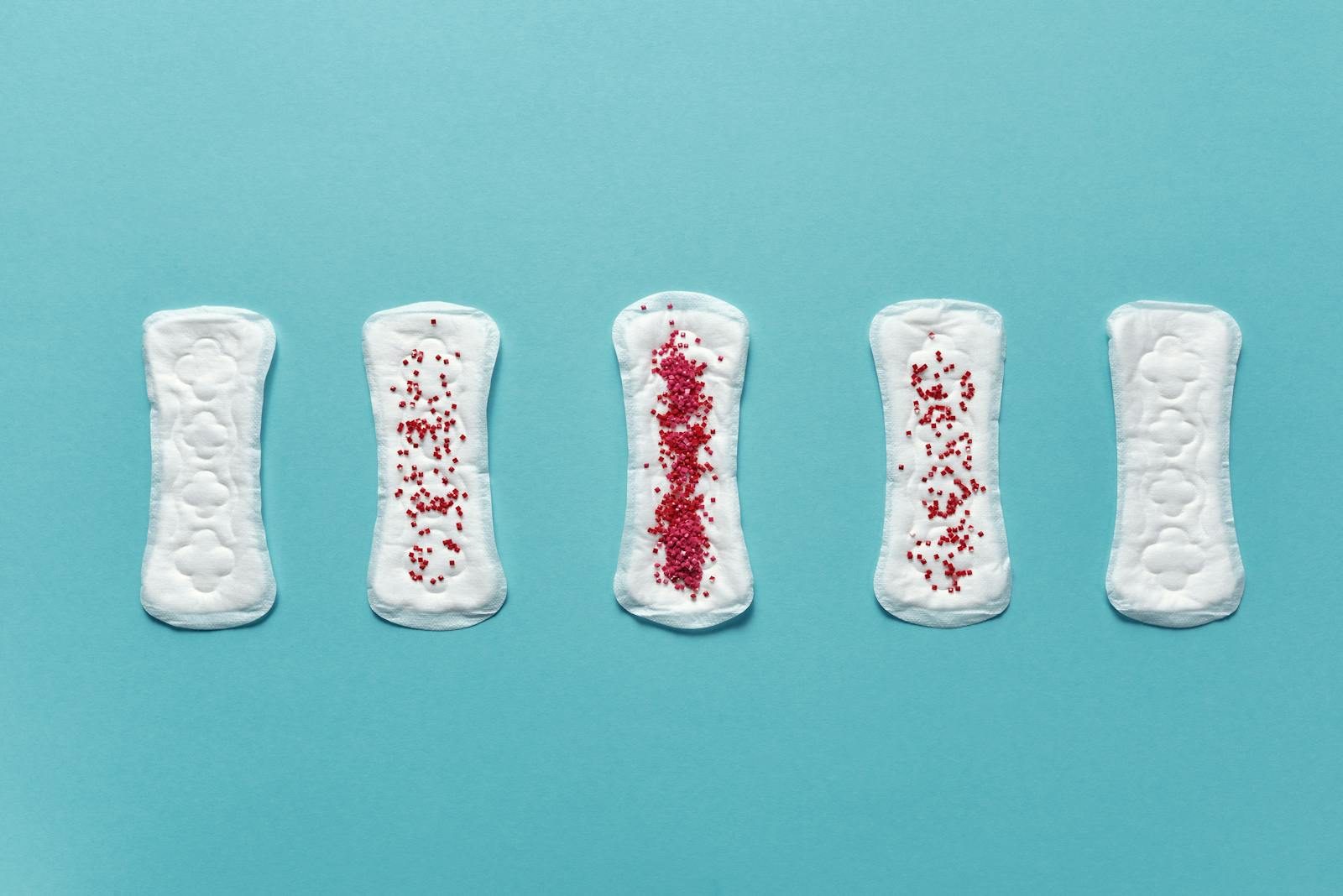
Heavy menstrual bleeding is a very common symptom for which many women seek the advice of a gynecologist. However, it can be difficult to determine what in fact constitutes “heavy” bleeding. One common description of heavy menstrual bleeding is that it soaks through all protective garments in a short period of time, lasts longer than 7 days, forms large blood clots, or affects a woman’s quality of life. Unlike some symptoms, heavy menstrual bleeding is not a disease itself. Rather, it is a symptom that has a variety of potential underlying causes, ranging from hormonal imbalance causing changes in a woman’s cycle to growths of the uterus. Other possible reasons for heavy menstrual bleeding include side effects of current medications, bleeding disorders, and complications of pregnancy. Knowing the cause of a woman’s heavy menstrual bleeding is important for several reasons. It can help to ensure that a woman does not suffer from potential long-term complications such as anemia. It can also impact a woman’s quality of life and guide her in achieving future reproductive goals.
Why It Matters
Health impact
Heavy bleeding is one of the main causes of iron deficient or anaemic women and many are unaware of the condition until it is too late. It can take months to develop iron deficient or anaemic blood but in the meantime women can start to feel unwell with tiredness, weakness, headaches, reduced exercise tolerance or poor sleep at night. Many women mistake these symptoms for stress and hard work but all that is required is an iron supplement or a simple hospital procedure to correct the problem and alleviate the symptoms.
In more severe cases patients can experience dizziness on standing, shortness of breath on light exercise and palpitations and should be urgently referred to a hospital hematologist for evaluation.
Some conditions that require early diagnosis other than watchful waiting are accompanied by heavy bleeding. Examples of these conditions include fibroids and polyps and other conditions affecting the ovares and uterus lining such as adenomyosis and thyroid disease. In addition, disorders of ovulation may cause heavy bleeding. Less commonly, heavy bleeding may be the first sign of a bleeding disorder. It is also a women’s first sign of bleeding problems that occur in pregnancy, such as early pregnancy loss and ectopic pregnancy. Heavy bleeding, even when it is not affecting a woman’s health can make her life far from ideal.
Daily life, mental load, and fertility planning
Heavy bleeding can be a painful and debilitating condition for women. It can also cause them a lot of frustration, because heavy bleeding can keep women from going to work or school, disrupt their sleep, and take a constant toll on supplies. Women with heavy bleeding carry extra pads and tampons with them, fear going for a run or a walk, or going to a party, concert, or movie. Many are anxious before their period and wake up to large clots or to having soaked through the bed. Life is lived with a lot of fear and anxiety because you don’t know what each day will bring. You have to miss out on lots of activities and events with the women who don’t have heavy bleeding.
Abnormal bleeding can make it hard for women with subfertility trying to conceive to identify optimal opportunities for conception, and may indicate ovulatory dysfunction. However, in some cases heavy bleeding may be caused by uterine lesions such as uterine polyps or submucosal fibroids that alter the shape of the uterine cavity. While such lesions do have the potential to affect a woman’s fertility, treatment of the bleeding can allow for effective management of symptoms as well as improved conception planning.
Why health systems pay attention
From a systems perspective, bleeding makes very heavy demands on the health care system for evaluation of and management of episodes of very heavy menstrual bleeding, through a sequence of clinical visits, tests, imaging and procedures. Early and accurate diagnosis can prevent costly, unnecessary diagnostic evaluation, and lead to effective, conservative management of bleeding. Patients can quickly deteriorate to become severely anemic, requiring urgent care and transfusions, or even surgical intervention. Simplification of care pathways, access to appointments, and adequate provision of effective management can reduce long-term cost while improving patient care.
Who It Affects
Common life stages
Heavy bleeding during menstruation is a problem that can affect any woman who menstruates. Heavy bleeding occurs at specific times during a woman’s life. For example, during the first few years after a girl starts menstruation, she may experience heavy bleeding and irregular cycles due to the fact that ovulation has not yet occurred on a regular basis. Later, in the late 30s and 40s, women may experience heavy bleeding due to the changes that are occurring as they approach menopause. Heavy bleeding can also be caused by other conditions, such as fibroids and adenomyosis.
Cycles after delivery and breastfeeding can experience some changes in their bleeding. Remember, new heavy bleeding is NOT something to be ignored. Some irregularity is allowed with the re-establishment of your cycles, but very heavy bleeding, prolonged bleeding or pain with bleeding suggests an evaluation for a condition such as retained products of conception or infection, particularly in the setting of a recent pregnancy.
Medical and medication-related risk
Heavy bleeding that may get worse over time can occur in women with other conditions of the uterus. Some of these conditions actually cause heavy bleeding. In addition to causing heavy bleeding, fibroids can also cause heavy bleeding by increasing the surface area of the uterus that bleeds and by disturbing the normal contractions of the uterus. Other growths, called polyps, that occur on the surface of the uterus can cause heavy bleeding or spotting. Another condition, called adenomyosis, can cause heavy bleeding and severe pain due to the effect of glandular tissue on the uterine muscle.
While factors such as age, environment, and reproductive history are frequently attributed to causing heavy or prolonged menstrual bleeding, other, less obvious potential causes may exist, including: Medications or medical conditions that a woman may not even be aware that she has. Some medications like blood thinners can cause increased menstrual bleeding. Anti-inflammatory medications and some supplements/herbal products can have a role in increasing the risk of bleeding, depending on the dose. Disorders of the thyroid gland and other endocrine disorders can cause ovulation problems that can lead to prolonged or heavy menstrual bleeding.
Bleeding disorders and family patterns
Bleeding disorders such as coagulopathies should be considered in cases of early, severe or persistent heavy bleeding. Patients and parents/guardians of children with bleeding disorders may notice heavy bleeding at an early age, easy bruising, nosebleeds, gum bleeding and gum infection after dental work. Many of these symptoms are obvious, but some, such as a mother or sister with excessive menstrual bleeding are not. It is helpful for health care providers to be familiar with bleeding disorders and their management. When surgery is planned for a patient with a history of heavy bleeding, consideration should be given to the effect of preoperative and postoperative medications on bleeding. Patients and health care providers should also consider precautions that should be taken to avoid bleeding.
What Changes
So, when is bleeding “heavy enough” to seek help from a clinician? This can be a tricky question to answer for women, who are often expected to know instinctively what constitutes “normal”. In reality, the answer is different for each person and depends on a range of factors. In this webinar, Dr Lee Hamilton discusses what makes for “normal” bleeding, and how women can determine whether they need medical assessment.
- Soaking through a pad or tampon in about an hour for several hours in a row.
- Needing double protection or changing protection during the night.
- Bleeding longer than seven days or having frequent bleeding that shortens the time between periods.
- Passing large clots or clots that are increasing in size or frequency.
- New or worsening cramps, pelvic pressure, or pain with sex along with heavier bleeding.
- Symptoms of anemia such as fatigue, dizziness, shortness of breath on exertion, fainting, or chest pounding.
If bleeding is affecting your life and you don’t know how to measure it, contact us for an assessment. Other symptoms that indicate you need to be evaluated for bleeding include:
If bleeding is very heavy, you feel faint or think you may be pregnant- Seek Urgent Care. If you are soaking multiple pads an hour, feel lightedous, have severe one-sided pelvic pain, shoulder pain, fever- Get same-day evaluation as pregnancy-related bleeding and significant blood loss can be emergencies.
Bring a clear history because it shapes testing
- Start date, end date, and days of heavy flow.
- How often protection is changed and whether you wake at night to change.
- Clots (size and frequency) and flooding episodes.
- Pain pattern, pelvic pressure, and any bleeding between periods or after sex.
- Current medications and supplements, including blood thinners and over-the-counter products.
- Pregnancy possibility, contraception method, and fertility goals.
- Symptoms that suggest anemia or a bleeding tendency, plus any family history.
A simple record of your cycle can be very useful in helping to make a diagnosis and avoiding unnecessary tests. It is helpful to record details such as the first day of your next period, the length of your menstrual cycle, any episodes of bleeding between your regular periods. Even if you are not planning a family it is useful to share this information with your doctor and/or nurse.
Is this irregularity a return to your normal (whomever normal may be for you) or is something entirely different going on? Even if you don’t know exactly when you ovulate in the best of times, you should be able to tell if there is a significant deviation from your normal cycle pattern.
What clinicians consider during assessment
Causes of abnormal uterine bleeding are generally classified into two groups of structural and non-structural causes. Structural causes of abnormal uterine bleeding include: polyps, fibroids, adenomyosis, and other abnormalities of the uterine lining which are present but not functioning properly. Non-structural causes of abnormal uterine bleeding include: ovulation defects, coagulopathies, effects of medications, and other abnormalities of the uterine lining which are present and functioning properly but result in abnormal bleeding.
- A pregnancy test when pregnancy is possible.
- A complete blood count to check anemia, and often iron studies when symptoms suggest low iron.
- Additional tests based on history, such as thyroid testing or screening for bleeding disorders when indicated.
We start by finding out a little bit about you and then carrying out a few tests to determine your problem.
Typically a pelvic ultrasound is performed at the initial visit in order to look for any unusual anatomical features. Other studies such as a saline infusion ultrasound, hysteroscopy or other imagings can be performed if the initial study is not diagnostic or if symptoms persist.
You can be any age when you need to have an endometrial sampling. But this test is commonly recommended for women 45 years of age or older with postmenopausal bleeding (new heavy bleeding). Women of any age with risk factors such as heavy bleeding, irregular periods for a long time, obesity, etc. may need an endometrial sampling to rule out a serious disease even after other treatments have failed to solve the symptoms.
Non-surgical treatments are often effective
Most cases of preterm labor can be medically managed with medications. The choice of which specific regimen is best depends on the individual circumstances, including the underlying cause of preterm labor, the maternal medical history, and her preferences regarding the continuation or delivery of her pregnancy.
- Iron support and anemia treatment Treatment of heavy bleeding must include support of the anemic patient. Oral iron is often the first choice for iron deficiency anemia, but in severe cases of anemia or in patients in whom oral iron is not tolerated, intravenous iron is a very effective alternative. Replacing iron deficiency, even before all of the bleeding has stopped, can alleviate fatigue and improve physical function.
- Anti-inflammatory pain relievers and for controlling bleeding (NSAIDs) Some women use these medications to decrease their bleeding and pain. These can be very dangerous for women with stomach or kidney disease or bleeding disorders, and must be started before bleeding begins.
- Tranexamic acid; Infertility – Studies have suggested that tranexamic acid decreases blood loss in women with heavy menstrual bleeding, but does not impair fertility. It is generally recommended for use on bleeding days, which is how some women prefer to take it. However, the medication is contraindicated in patients with coagulation disorders.
- Hormonal Balance Often, women with heavy menstrual bleeding find that hormonal therapy can be very effective in treating the condition and normalizing the menstrual cycle. Combination oral contraceptives, cyclic or continuous progestins, and other hormonal preparations may be recommended. Many women also find relief with the levonorgestrel-releasing intrauterine device (IUD) for both control of bleeding and birth control.
- Targeted therapy for specific underlying causes Some causes of bleeding such as hormonal or endocrine causes are amenable to treatment that can result in resolution of bleeding symptoms over time i.e. in some cases women can experience a change in their bleeding patterns and improve their health status as they receive treatment for conditions such as thyroid dysfunction, ovulatory dysfunction and polycystic ovary syndrome (PCOS).
When procedures enter the discussion
Once bleeding has stopped, when a treatable cause of bleeding exists, and when anemia is significant and quality of life impacted, a variety of procedures that can be used to control bleeding in patients with bleeding disorders.
These may include surgical procedures, endoscopy, or other techniques, and are used in addition to standard treatment with clotting factor concentrates to control bleeding.
Many procedures aimed at treating fibroids can preserve the uterus and allow a woman to retain her ability to bear children. For some women, uterine-sparing procedures like Polypectomy or myomectomy can even help to reduce their menstrual flow. Some fibroids, especially those that protrude into the uterine cavity, can be removed with hysteroscopic surgery. Often, this procedure is enough to stop the bleeding and typically results in a short recovery period.
Alternative management: endometrial ablation Endometrial ablation is an alternative approach to manage women with heavy menstrual bleeding where pregnancy is not desired. It is important to note that ablation does not preserve fertility and that pregnancy after the procedure is generally discouraged due to substantial risks to mother and infant. As a result, appropriate counselling of women and adequate contraception are mandatory.
Definitive surgery for uterine bleeding is a major surgical procedure intended to stop all uterine bleeding. While most women with symptoms of uterine bleeding are candidates for hysterectomy, shared decision making includes discussing recovery time and chance of surgical complications. The patient must also weigh these risks and effects against those associated with less invasive options. The woman will become sterile. She should consider her potential recovery time. She should consider her chances of surgical complications. She should compare these chances with the risks and effects of less invasive alternatives. She should consider the long-term outcomes associated with this surgical approach.
Safety notes and shared decision-making
There is no single ‘best’ treatment for heavy bleeding with HMB as the choice would depend on the individual woman’s health profile, risk factors and objectives. Some hormonal options would not be suitable for a woman with high cardiovascular risk or a history of migraine or other medical conditions. For women with heavy bleeding with HMB, tranexamic acid is likely to be helpful for most women and a decision to take it would need to be made with consideration of her own risk of blood clotting. Similarly, use of NSAIDs for heavy bleeding with HMB would need to be considered in light of her individual risk of gastrointestinal or kidney problems.
The physician should inform the patient and their family members of the benefits and risks before starting treatment, and have a plan in place for managing symptoms (e.g., iron deficiency symptoms). In addition, a plan for follow-up (e.g., when the anemia will be rechecked) and clear thresholds for a sooner clinic visit should be established as part of shared decision-making.
Access barriers and practical steps that help
Long waits for gynecology appointments and additional out of pocket expense for effective treatments for these indications can delay care for the financially constrained. However, these intervals can be averted by providing a primary care evaluation, anemia screening, and initiating medical management for these indications while gynecology appointments are being arranged for subsequent care.
Tools can be introduced to improve the quality of care for women before they see the specialist. Keeping a period log, recording incidents of any flooding, recording levels of fatigue or dizziness could all help clinicians to understand the degree of severity and provide the appropriate level of care before the specialist appointment. While there are many digital tools that can track information which can be downloaded onto mobile phones, many women find a paper notebook as effective if used consistently.
Bottom line
Heavy menstrual bleeding is a common symptom which is easily treatable. So why put yourself through months of unpleasant and distressing symptoms when they can be discussed and treated within a few appointments? Be aware of changes in your bleeding pattern, an increase in bleeding, or heavy bleeding for more than 7 days. Look out for signs of anaemia including tiredness, palpitations, dizziness, poor appetite, poor concentration, or cold hands and feet. An assessment of medical needs will inform individualised plans to control bleeding, alleviate symptoms and address any associated health concerns. Very often, treatment of heavy menstrual bleeding can prevent the need for surgery and preserve future options for pregnancy.
References:
https://www.cdc.gov/female-blood-disorders/about/heavy-menstrual-bleeding.html
One story a day
The story of the day, in your inbox
One health journey each morning — no advice, no alarm, just company for the road.