Cardio-Oncology: Protecting the Heart While Fighting Cancer
Cardio-oncology is an emerging field that brings cardiologists and oncologists together to prevent and treat heart and vascular problems
 Written and medically reviewed byDr. Abu BakarContributing writer · PharmD, PhD (Pharmacology)
August 9, 2026 · 7 min read
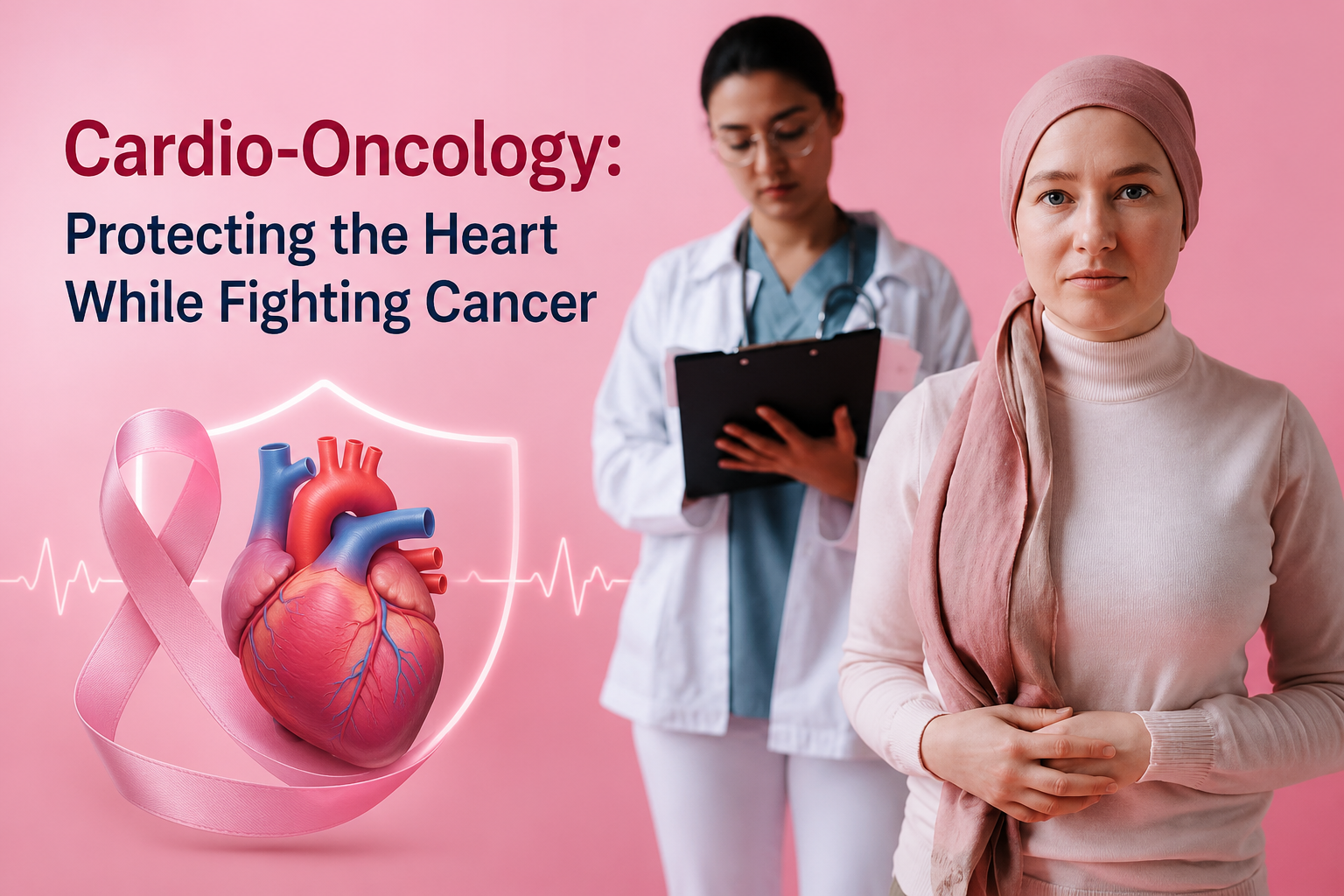
Cardio-oncology is an emerging field that brings cardiologists and oncologists together to prevent and treat heart and vascular problems caused by cancer therapies. As more people survive cancer, clinicians must balance aggressive treatments with protecting patients’ long-term heart health. Finding this balance matters for patients today and affects how healthcare systems deliver coordinated care. By coordinating these specialties, cardio-oncology aims to help patients beat cancer without trading off their heart health.
Why It Matters
Cancer treatments have improved dramatically, and this is a great success, although it has also created other problems. Various drugs and radiation used in the treatment of cancer may also cause heart problems that may occur while being treated or even many years after being exposed to these treatments. These complications could reduce the quality and length of life in those who were cured of cancer.
Cardio-oncology matters because it reframes treatment success.Cardio-oncology is important since it changes the paradigm of successful treatment. Not only must the tumor shrink, but the patient must live long enough and be healthy without developing comorbities. That means that everything should be done in a coordinated way all the way from the beginning to the end of the treatment process. The collaboration between oncologists, cardiologists, family physicians, and other specialists is needed with common strategies for screening, prevention, and treatment of heart problems. The healthcare system also has to integrate information, testing, and appointments to make sure that the patient doesn’t get lost in the process.
Who It Affects
Active cancer patients and survivors are at the heart of this issue. Anyone treated with certain powerful therapies is at risk. Drugs like anthracyclines (a type of chemotherapy) and many targeted or immune-based treatments, as well as radiation to the chest, can stress or damage the heart. Older adults and people with existing heart problems are especially vulnerable, but younger and otherwise healthy patients can also be affected. For example, children who survive cancer may face heart problems years later from the treatments they received.
Many different clinicians play a role in cardio-oncology. The oncologists are responsible for prescribing the cancer treatment, whereas cardiologists take care of monitoring and treating heart complications associated with therapy. General physicians and advanced practice nurses assist in overall management of health conditions and chronic risk factors. Nurses, pharmacists, and rehab therapists are involved in preventive care and education as well.
Health systems, insurers, and policy makers also have stakes. For instance, health systems and insurance agencies need to know how to fund the programs and keep track of the results. There is also a decision to be made regarding which screenings and preventive drugs will be covered by the insurance agency. Policy makers and health agencies can promote such efforts by establishing education programs that reward integrated care approaches. Rural or community hospitals do not always have the specialists, which complicates things further.
What Changes
- Baseline heart health check: Before starting therapy, do a full cardiovascular evaluation. This often means reviewing a patient’s heart history, checking blood pressure, and getting baseline heart imaging (like an echocardiogram) or blood tests (such as troponin or natriuretic peptide) if needed. This helps identify who is most vulnerable to treatment-related heart damage.
- Closer monitoring during treatment: Watch the heart closely while cancer therapy is underway. Doctors often schedule regular heart scans and blood tests to catch any early warning signs. By spotting changes early, they can adjust the cancer treatment or begin heart protective medications sooner, reducing harm to the heart without compromising cancer care.
- Multidisciplinary care teams: Many hospitals set up dedicated cardio-oncology clinics or formal consultation pathways so patients can see oncology and cardiology specialists together. When such clinics don’t exist, clear referral plans and telemedicine can help connect patients with the right experts. This team approach makes sure no aspect of care is missed.
- Heart-protective strategies: When risk is identified, doctors take steps to protect the heart. This might include adjusting chemotherapy doses, switching to less-toxic drugs, or prescribing heart-friendly medications like ACE inhibitors or beta-blockers. These decisions are tailored to each patient, balancing the need to fight cancer with the goal of preserving heart function.
- Long-term follow-up: Cancer survivorship plans should include heart health too. Follow-up visits can focus on staying active, eating well, managing blood pressure and cholesterol, and watching for any heart-related symptoms. Patients should know which symptoms to report and when to check in with a cardiologist. Continuous monitoring helps ensure survivors stay strong and healthy.
Putting It Into Practice
In real life, there will be practical considerations in cardio-oncology. Oncologists frequently have to make life-and-death decisions. It is not easy to stop or alter treatment because of potential heart problems. This is why risk stratification and quick communication are important. Clinicians require plans that can be acted upon quickly. A call or an electronic order can determine whether effective cancer therapy can be continued or heart damage prevented.
For the patient, things get confusing. The person is already dealing with cancer. More problems with the heart increase anxiety. Communication is important. It will help if the clinician explains to the patient why heart monitoring is necessary, what symptoms to look out for and how heart problems may influence the cancer management. Shared decision making is crucial. The patient must be informed about trade-offs and participate in decisions concerning both conditions.
Rehabilitation and lifestyle interventions may be areas that have been ignored. Rehabilitation methods such as exercise, diet, and risk factor modification can aid in helping the patient recover their strength. Combining rehabilitation within cancer treatment requires organization and sometimes innovation in financing because regular rehabilitation is not designed for cancer patients.
System Challenges and Policy Considerations
There are several practical impediments to the more widespread uptake of integrated cardio-oncology care models. Firstly, there are insufficient avenues for training and professional development. There are very few fellowship programs, and many practitioners get their knowledge through on-the-job experience. Secondly, the reimbursement system does not incentivize time spent at multidisciplinary case conferences and survivorship care planning. Thirdly, access is very uneven. Large urban academic centers may have established such programs, while rural and community hospitals lack specialized practitioners and resort to referrals that are not always efficient.
This is where policy-makers and health system leaders can play a role in helping matters. They could facilitate funding of demonstration projects involving multidisciplinary clinics, pay for joint visits and case conferencing and fund telemedicine services. Quality measures, such as registries focusing on monitoring cardiac outcomes in patients who underwent cancer therapy, would be useful in this process.
Where the Field Is Headed
Cardio-oncology will transition from an ad hoc consultation system into a structured care pathway. More structured risk assessment methods that incorporate both risk factors and biomarkers will be used to aid prevention. Moreover, telemedicine technology and remote monitoring will make follow-up of patients easier, especially when they are at a great distance from specialized centers. Finally, there will be increasing interest in designing oncology trials in which the cardiovascular outcome is included. Such approach will result in clear evidence for balancing the therapeutic and cardioprotective effect of treatment.
Innovations in the field of pharmaceuticals and medical devices will have their influence as well. Safer medications and radiation, as well as cardioprotective drugs, will decrease the level of cardiotoxicity in the future. Nevertheless, more effective prediction methods and interventions will help to prevent adverse events before they occur.
Bottom Line
Cardio-oncology is not a niche specialty. It is a practical response to a changing reality. More people are surviving cancer. Many will live long enough to face treatment-related heart disease unless clinicians and systems act now. Integrating cardiology and oncology means better planning, clearer communication, and coordinated care that protects both the heart and the gains made against cancer. For clinicians, policymakers, and health systems, the work is urgent and achievable. For patients, it promises care that looks beyond the immediate crisis to long-term health and quality of life.
Referenes
- Lyon AR, López-Fernández T, Couch LS, et al. 2022 ESC Guidelines on cardio-oncology developed in collaboration with the European Hematology Association, European Society for Therapeutic Radiology and Oncology, and International Cardio-Oncology Society. European Heart Journal. 2022. Direct URL
- National Cancer Institute. Cardiotoxicity. Division of Cancer Prevention, National Cancer Institute. 2026. Direct URL
- Armenian SH, Lacchetti C, Barac A, et al. Prevention and Monitoring of Cardiac Dysfunction in Survivors of Adult Cancers: American Society of Clinical Oncology Clinical Practice Guideline. Journal of Clinical Oncology. 2017. Direct URL
- Gilchrist SC, Barac A, Ades PA, et al. Cardio-Oncology Rehabilitation to Manage Cardiovascular Outcomes in Cancer Patients and Survivors: A Scientific Statement From the American Heart Association. Circulation. 2019. Direct URL
One story a day
The story of the day, in your inbox
One health journey each morning — no advice, no alarm, just company for the road.