COVID-19 Vaccines May Not Impact Fertility, Large Study Indicates
The latest COVID-19 vaccines rolled out about two years into the global public health crisis have stoked fear
 Written and medically reviewed byRayan SalihContributing writer · PharmD, RPh
February 23, 2026 · 5 min read
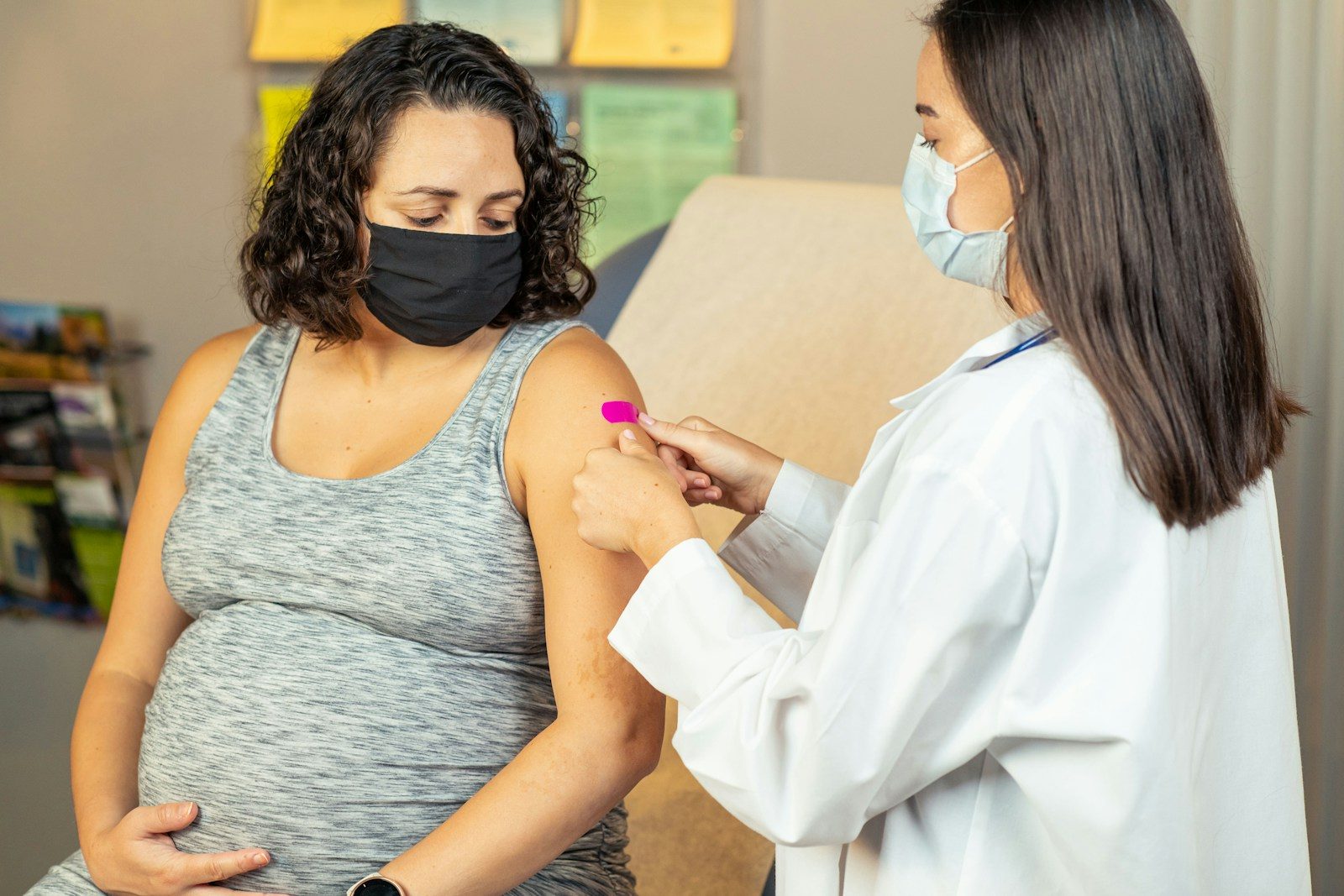
The latest COVID-19 vaccines rolled out about two years into the global public health crisis have stoked fear that they could make it so that people are unable to have children. Social media and some mainstream outlets picked up on the baseless claims almost immediately, and they have stuck around ever since. But concerns about the vaccines’ potential impact on fertility have been squashed by a team of scientists in Sweden. Their research found no correlation between the current COVID-19 vaccines and decreased childbirth rates, good news for millions of women and the doctors who treat them worldwide.
Evidence Against Fertility Concerns
In a national register-based study on COVID-19 vaccination and childbirth, a team of researchers including first author Dennis Nordvall, Thomas Schön, and colleagues from other Swedish institutions studied data from various national Swedish registers. They found no correlation between vaccination programs and a decrease in birth rates that was not spurious.
One of the many scientific contributions to combating our current “misinformation pandemic” has just been published, relating to our “pandemic” of SARS-CoV-2. The good news for women is that there is no association between vaccination and infertility. This finding, based on high-quality data from a registry-based national study conducted in a well-organized healthcare system, can be a valuable antidote to the many false and misleading pieces of information that are beginning to surface in online forums and in conversations with friends and family.
Why It Matters
However, this may have important implications for individuals, clinical practice, and public health policy.
In order for women to make informed decisions regarding their reproductive health and rights in the face of immense public pressure, it is crucial to assess the evidence linking COVID-19 vaccination to low fertility or adverse pregnancy outcomes and find it to be lacking. Here, we report the results of a large nationwide cohort study that includes almost 60,000 women, finding no associations between COVID-19 vaccination and reduced fertility or adverse pregnancy outcomes. These results provide evidence to dispel long-held misconceptions and alleviate fears within the public and media regarding the safety of COVID-19 vaccination for women’s fertility and pregnancy. Importantly, the findings provide crucial evidence that women can take measures to prevent severe cases of COVID-19, which can render them unable to care for ensuing children, while still enabling them to plan for future children.
Misinformation Concerns
New research provides more proof that COVID-19 vaccines do not affect fertility for women or men. Findings from these studies can help healthcare providers and patient educators combat misinformation that has prevented many individuals and families from getting the vaccines they need to stay healthy. Not only do the studies confirm that COVID-19 vaccines do not cause fertility issues in women and men of reproductive age, but also that COVID-19 vaccines can prevent severe illness from COVID-19 in pregnant women, who are generally at greater risk of serious illness due to other health conditions than the general female population.
The article also examines the broader social and economic factors affecting birth rates globally during the pandemic in comparison to pre-pandemic trends. By clarifying that vaccines have no role in current trends, the article provides a foundation for policy makers, health planners, educators, administrators, researchers, and journalists covering issues related to family planning and reproductive health.
For Healthcare Providers
While healthcare professionals of all disciplines grapple with vaccine hesitancy, some professionals are on the front line to protect expectant mothers and their infants from the potential harm of COVID-19. For obstetricians and gynecologists (OB/GYNs) and pharmacists, the battle against misinformation about COVID-19 vaccines for this vulnerable population will be particularly challenging.
- Evidence-Based Advocacy: Armed with this study, clinicians can offer concrete, data-backed reassurances that vaccination does not impair fertility.
- Risk Mitigation: Vaccination has been shown to lower the risks of severe illness, hospitalization, and adverse pregnancy outcomes (such as preterm birth) associated with contracting COVID-19 during pregnancy.
- Building Trust: Providing clear and transparent information based on large-scale studies helps strengthen the patient-provider relationship, fostering trust in medical recommendations.
Who it affects
Women of childbearing age
There has been considerable interest and concern regarding the potential reproductive effects of the COVID-19 vaccines in women of childbearing age, though this concern affects and concerns these women for whom pregnancy consideration is relevant. Our findings provide reliable information to help guide these women’s decision-making regarding potential risk or concern of unverified fertility effects.
Healthcare Providers
The spread of the coronavirus is putting healthcare providers under immense pressure, but those working on the front line are not all medical staff. Teachers, community workers, social media managers, parents, and lawyers all have a role to play in halting the spread of the virus. But healthcare providers, especially those specializing in obstetrics and gynaecology, have a particularly challenging job—balancing patients’ and clients’ expectations with public health guidance based on the latest evidence. In this post-pandemic world, doctors, nurses, and midwives need to be able to direct their patients and clients to the most up-to-date research and evidence, while countering misinformation and misconceptions shared on social media.
Policymakers & Payors
Future studies would benefit from applying these data to women of reproductive age in vaccination campaigns and interventions for women’s health. Data and findings can be applied by policy makers and public health officials. Future interventions should incorporate these elements. In the US, vaccinations are often covered by payors as part of preventative care measures in the Affordable Care Act. These findings can be used for evidence-based clinical decision making.
Debunking common myths about vaccines and their long-term effects is crucial, especially as they relate to reproductive health. Providing the public with accurate information on vaccinations is crucial for policymakers and public health officials, so that the public can make informed decisions in conjunction with their health care provider.
General Public
The findings of this study should also be disseminated to the general public and the wider online community of participants of ‘public discussion’ forums, such as online discussion groups that comprise members of the general public, media, health practitioners and consumers of health information who are interested in vaccination and public health issues. Through this web site the research will be made available to the wider community and disseminated through various social networking sites that a percentage of the general public utilise to obtain health and medical information.
Debunking some of history’s most blatant scientific misconceptions in order to turn the U.S. into a more scientifically literate country.
What changes
- Clinicians should utilize the latest findings available to provide the most up-to-date evidence-based reassurances to patients about the safety of COVID-19 vaccines concerning fertility.
- Health education campaigns must be enhanced to counteract misinformation, emphasizing the benefits of vaccination for both mother and child.
- Public health officials and policymakers need to prioritize comprehensive strategies addressing vaccine hesitancy, especially in vulnerable patient populations.
- There should be ongoing monitoring of birth rates and reproductive health trends to further inform public health policies and ensure equity in access to healthcare resources.
References
- https://www.cidrap.umn.edu/covid-19/large-study-finds-covid-19-shots-don-t-affect-fertility
- https://pmc.ncbi.nlm.nih.gov/articles/PMC8156131/
One story a day
The story of the day, in your inbox
One health journey each morning — no advice, no alarm, just company for the road.