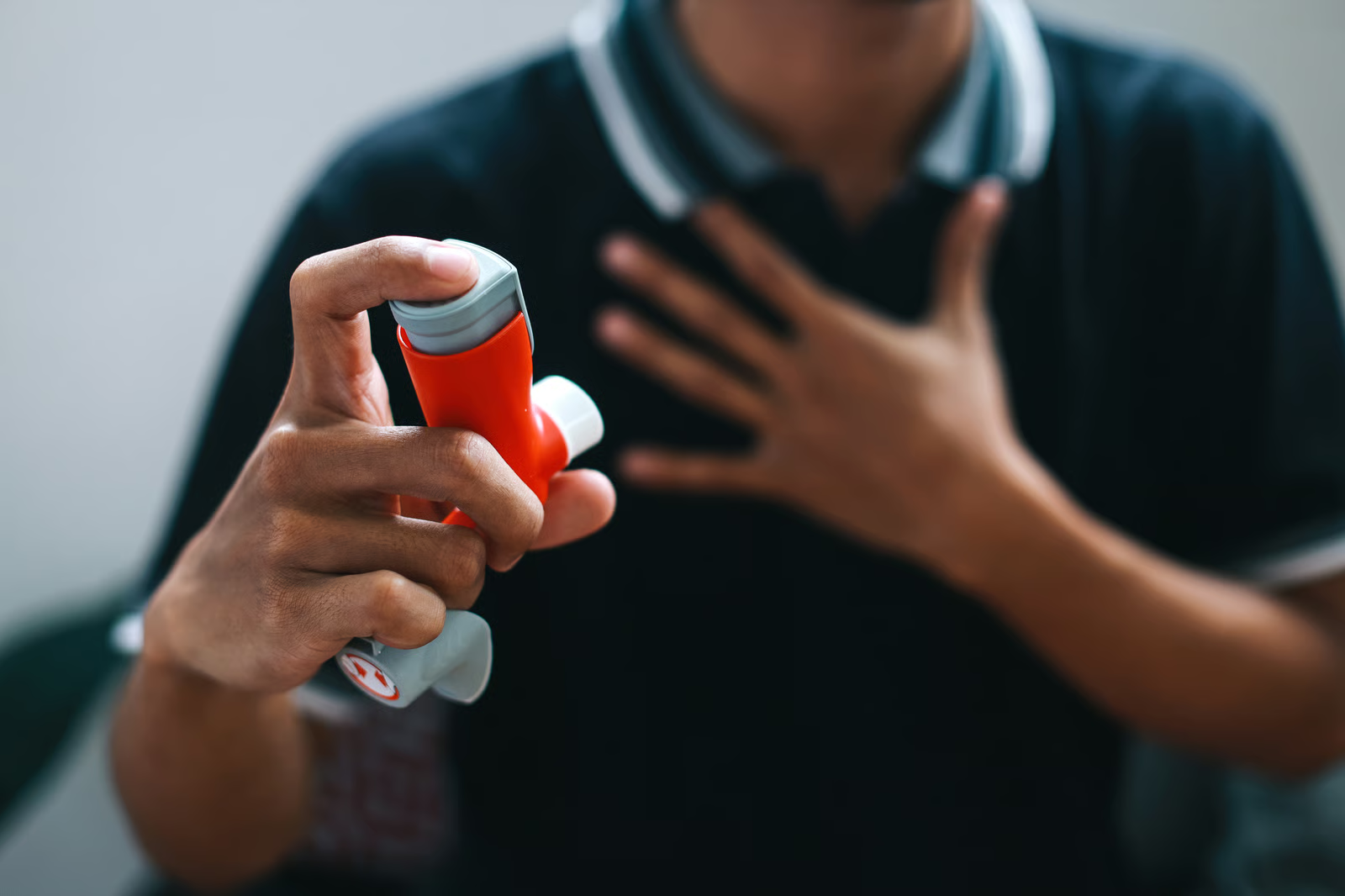
Early Air Pollution and Home Dampness May Increase Childhood Asthma Risk
Exposure to air pollution and dampness in the home in early life may increase risk of childhood asthma….
 Written and medically reviewed byRayan SalihContributing writer · PharmD, RPh
February 24, 2026 · 3 min read
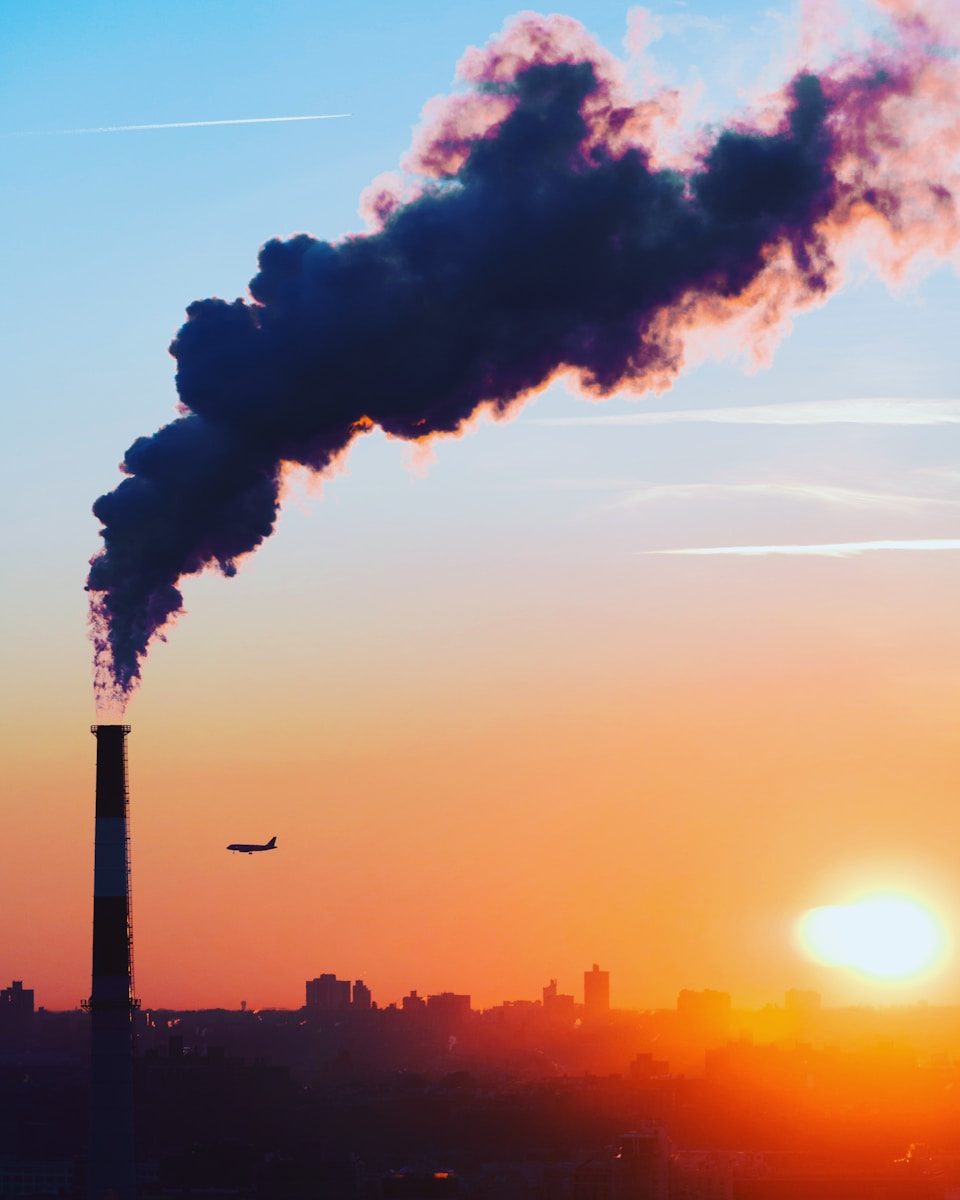
Exposure to air pollution and dampness in the home in early life may increase risk of childhood asthma. Globally there has been a rapid increase in the prevalence, morbidity and mortality due to asthma in children over the last 40 years. Asthma is now one of the most common chronic childhood diseases worldwide and understanding the role of the environment in modulating risk is increasingly important as urban pollution and climate change continue to rise. New longitudinal studies have significantly changed our view of asthma from being seen primarily as a genetic or allergic disease to a disease influenced by the exposome; the sum of all environmental exposures from conception onwards.
The Silent Architect of Pediatric Disease
While hepatoblastoma is a rare physical malignancy, asthma is a common environmental disease affecting millions around the world. Recent advances in molecular epidemiology have identified the first 1,000 days of life as a critical window for studying the development of asthma and other respiratory diseases. Symptoms of asthma can be triggered by many things, including the presence of nitrogen dioxide (NO2), a fine particulate matter with poor air quality and mold from damp and water damaged housing. While symptoms of these exposures may disappear, there are real long-term risks to the health of children who experience them. Researchers are working on better treatments for kids with asthma.
Why It Matters
The Compounding Toll of Modern Living
Childhood asthma is a serious public health problem that affects children and their families and places a significant burden on our health care system in terms of hospitalizations for asthma and missed days of school. But the effects of childhood asthma do not stop there. Children with asthma are at risk for a lifetime of poor health. There are two environmental exposures that have been shown to trigger asthma and make its symptoms worse: air pollution and home dampness. To control childhood asthma, effective prevention and control strategies must be put in place.
The Mechanics of Air Pollution
We know that air pollution can have serious effects on the respiratory health of city dwellers. Children growing up in polluted cities are especially vulnerable to airborne pollutants which can cause symptoms of asthma. Small particles less than 2.5 micrometers in diameter can penetrate deep into the lungs causing oxidative stress and systemic inflammation. For a child with swollen and branching airways, this can have life long consequences causing irreversible damage to lung function resulting in life long breathing problems.
The Indoor Threat – Dampness & Mold
However, most of the asthma triggers in homes are under our control. For example, dampness in homes creates the conditions for mold growth. And, in addition to mold, dampness promotes the growth and multiplication of dust mites and cockroaches, two other common asthma allergens. These allergens can become airborne and easily inhaled into the lungs. Mold also produces not only the typical mold spores, but also volatile organic compounds (VOCs), two very powerful asthma allergens. Additionally, indoor air interacts with outdoor air and, if indoor air has high humidity, it can trap pollutants from the outdoors and increase exposure to them. Smoking at home and dampness are two modifiable factors that increase the risk and severity of asthma and for this reason warrant public health interventions and policies aimed at improving indoor air quality and housing conditions.
The Economic & Systemic Burden
All factors contributing to childhood asthma, including environmental causes and their impact on public and clinical policies and programs, housing and indoor air quality should be addressed. Although the impact of asthma is felt most acutely by those with the disease and their families, it does extend into most patient budgets and into the entire health care system. The greatest economic burden of asthma falls on those with the most severe disease. Patients with severe asthma, whether in western or developing countries, account for approximately 50% of the total cost (both direct and indirect) of all individuals with asthma. Addressing these issues is necessary for effective cost containment and for the management of patients with severe asthma.
Who It Affects
Childhood asthma affects children of all socioeconomic statuses and racial/ethnic groups; however, there are particular populations for whom there are unique risk factors that affect their biology or geography, potentially increasing the risk of developing asthma symptoms.
One story a day
The story of the day, in your inbox
One health journey each morning — no advice, no alarm, just company for the road.