FDA Approves Pylarify TruVu to Expand PSMA-PET Imaging Access for Prostate Cancer
The Food and Drug Administration has approved the use of Pylarify TruVu, which is an updated version of
 Written and medically reviewed byDr. Abu BakarContributing writer · PharmD, PhD (Pharmacology)
April 23, 2026 · 8 min read
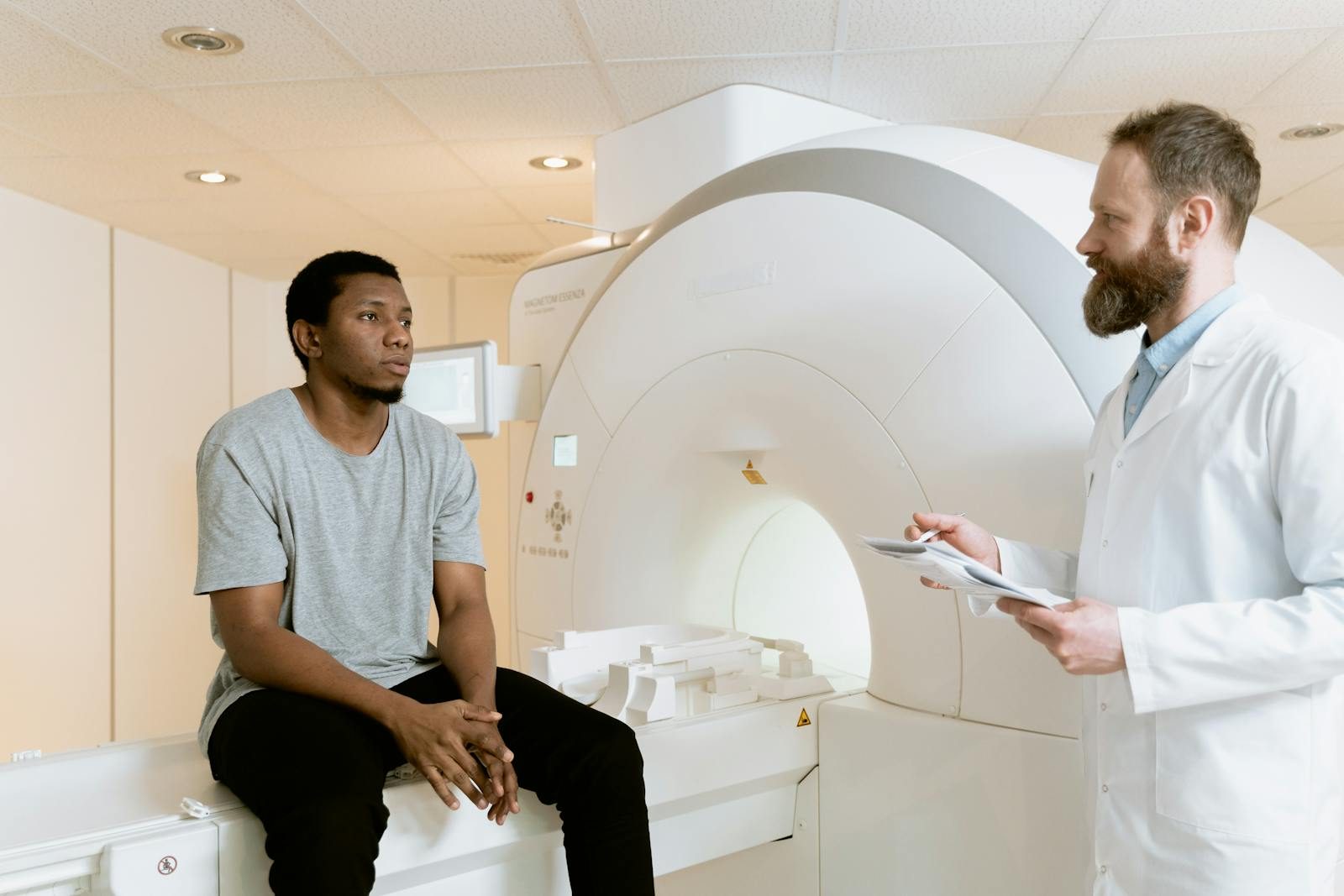
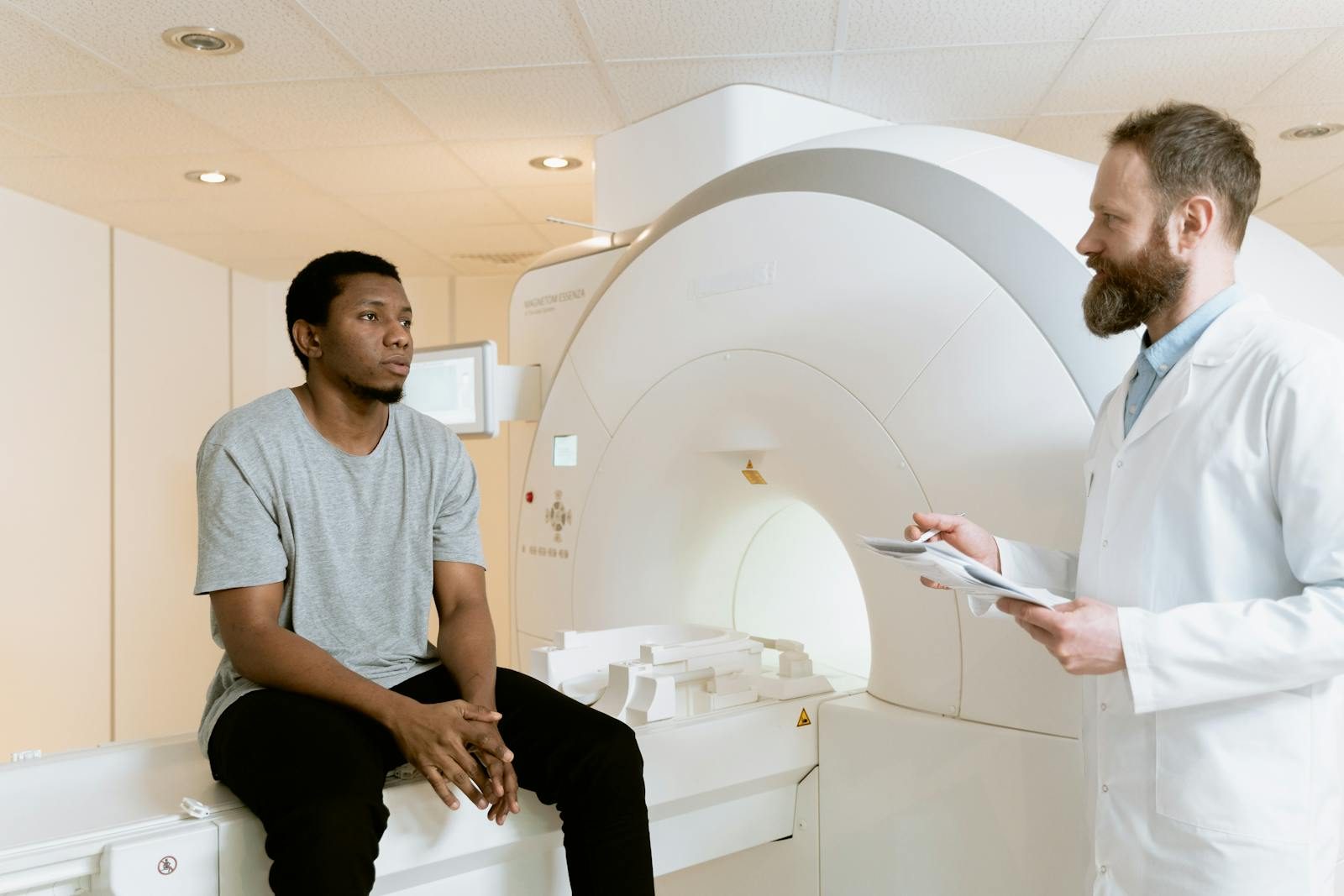
The Food and Drug Administration has approved the use of Pylarify TruVu, which is an updated version of the widely used PSMA-PET diagnostic marker known as Pylarify. The difference between the two is that the latter is made using a new formula that does not alter its intended purpose but makes it more practical to manufacture on a large scale. From a clinical standpoint, the most exciting news about this development is related to accessibility, since the ability of this substance to withstand high levels of radiation may improve the efficiency of its production and transportation, resulting in fewer supply issues. In other words, this diagnostic tool will no longer be difficult to obtain in regional hospitals.
Why It Matters
The utility of PSMA-PET for the detection and staging of prostate cancer has advanced rapidly from being considered nice to have to often practice changing. Through its ability to detect prostate-specific membrane antigen located in prostate cancer cells, PSMA-targeted PET allows for the identification of lymph node metastases, bone lesions, and other soft tissue involvement that would otherwise go undetected using traditional techniques such as CT, MRI, and bone scans. The importance of this increased sensitivity is particularly critical when the consequences are more severe.
In high-risk cases where the patient has just been diagnosed, better staging may completely change the whole management plan. With the help of PSMA PET imaging, unexpected distant or nodal disease is picked up, which allows the clinician not to consider any surgery, extend radiation, and use systemic therapies sooner. Conversely, in the case of localization of the tumor supported by imaging, the patient is ready for definitive treatment. Clinically, this implies the reduced number of “surprises” during the course of therapy, where the team realizes later on that the disease had spread farther than expected. When there is a history of previous treatment, PSMA PET/CT becomes particularly useful in cases where the PSA starts to rise, and the dilemma is: “Where is the cancer now?” An increase in PSA after prostatectomy or radiotherapy is concerning and puzzling for both patients and physicians, as conventional imaging tests may not show anything at all for a considerable amount of time. PSMA PET/CT is usually able to detect small volume lesions earlier, thereby assisting in determining whether salvage therapy is warranted and feasible in such circumstances.
The health care system will also take into account the effects on workflow, as an increase in supply can lead to an increase in demand. With an increasing availability of the PSMA-PET scan, the referring physician is likely to order more PSMA scans, particularly for staging and biochemical recurrence. This would result in an expected chain of events that require an expansion of reading capabilities and reporting in the radiology and nuclear medicine departments.
Finaly, reimbursement and coverage play an important part in deciding whether expanding production means more availability. While increased supply is helpful, it will ultimately mean nothing unless payers reimburse the procedure, and facilities are able to code for and bill the procedure. Innovations have been delayed not due to their clinical utility, but rather the process behind implementing such innovation into practice.Pylarify TruVu, in essence, is an opportunity to determine whether increased production means better access to this new technology for all.
Who It Affects
Patients with suspected metastatic disease who are candidates for initial definitive therapy are a primary group covered by the approved indication. These are often men with newly diagnosed prostate cancer who have higher-risk features and need accurate staging before choosing surgery, radiation, or combined approaches. A more precise map of disease helps align treatment intensity with actual risk. Men with suspected recurrence based on rising PSA are the other key group explicitly included. In clinic, this is one of the most common and challenging scenarios. PSA trends can suggest recurrence long before conventional imaging can locate it. PSMA-PET can shorten the time from “we think it is back” to “we know where it is,” which can reduce uncertainty for patients and help teams choose a targeted plan sooner. These referring physicians would definitely be affected as well, particularly urologists, medical oncologists, and radiation oncologists, who have to make decisions at critical times. With the increased availability of PSMA-PET, there might be changes made in the diagnostic approach that these physicians adopt. For instance, some of these physicians may choose to use PSMA-PET early on during the diagnostic process for patients diagnosed with high-risk prostate cancer or in recurrent cancer cases where the PSA levels start rising.
The nuclear medicine and radiology departments will be among the first to notice changes in the process. The increased number of scans impacts not only the way scans are scheduled and performed, but also their acquisition protocol, the management of radiopharmaceuticals, the patient preparation, as well as the turnaround time of reports. Standardization of reporting and interpretation is also required in this situation. Indeed, PSMA uptake can happen in cases that are not cancerous as well as in healthy tissue, which means experience comes in handy here.
Multidisciplinary Tumor Boards and Care Coordination Teams may also experience more of what could be termed “imaging-driven decision-making.” PSMA PET scans often lead to complex decisions about whether or not to apply an oligometastatic approach to the patient’s disease, if the radiation field needs to be widened, or if systemic treatment is needed sooner rather than later. All of these decisions cannot simply be left to be made based on the imaging findings alone. The manufacturers, producers of PET, and distributors represent key stakeholders since the application of TruVu will be implemented operationally rather than clinically. The plan here would be to increase the yield of production batches produced within a plant with appropriate cyclotron equipment in place. This will have positive implications, as it will extend the distribution network and help address the challenge of being available only at specific centers. Practically, it means that patients won’t have to travel far to get a scan.
In addition, payers and policymakers will be involved because as the supply increases, utilization will increase. The coverage policy will have a significant effect on whether increased supply leads to increased access. With more scans being done, there will be an interest in the number of times the use of PSMA-PET led to a change in the patient’s treatment plan.
What Changes
- The most noticeable difference is the more reliable availability, which has an impact on how patients navigate their treatment process. The design that allows for stability even when the radioactivity concentration is high enables the manufacturer to produce bigger batches. These big batches will allow more doses to be produced per batch, greater capacity to distribute across multiple locations, and reduced downtime resulting from low daily production. This could benefit the clinician by minimizing waiting times for their patients, especially those needing imaging studies prior to treatment.
- Expect referral patterns to grow as availability improves, which will push imaging services to scale responsibly. When access increases, ordering behavior usually follows. Health systems should prepare for a higher volume of PSMA-PET referrals, especially for initial staging of high-risk disease and evaluation of biochemical recurrence. This is not only a scheduling issue. It is also a staffing and quality issue, because consistent interpretation and timely reporting are essential if PSMA-PET is going to improve outcomes rather than simply add complexity.
- Departments may need to tighten protocols for preparation, acquisition, and reporting to keep the service reliable. As volumes rise, small inconsistencies become big problems. Clear checklists for patient instructions, standardized uptake timing, and consistent imaging parameters help reduce variability. On the reporting side, structured templates can improve clarity for referrers by highlighting key findings, likely significance, and practical recommendations such as correlation with prior imaging or follow-up when uncertainty remains.
- Clinical teams should also plan for the “what next” moment, because PSMA-PET often uncovers findings that require thoughtful response. More sensitive imaging can identify small lesions that create real decision points. A single small node or bone focus might shift a plan from local therapy to combined-modality care. It can also raise questions about whether a patient fits an oligometastatic approach. Health systems benefit when they build explicit pathways that connect PSMA-PET results to agreed next steps, such as tumor board review, referral triggers, or standardized salvage radiation evaluation.
- Interpretation caution remains essential, even with high-performing PSMA-targeted imaging. A positive PSMA-PET signal does not automatically equal prostate cancer in every situation, and a negative scan does not fully rule it out, especially at very low PSA levels or with certain tumor biology. Results should be integrated with PSA kinetics, Gleason score or grade group, timing since prior therapy, and any available pathology. When findings are unexpected or would dramatically change management, clinicians may consider confirmatory evaluation or follow-up imaging when appropriate.
- Radiation exposure is usually modest for diagnostic PET, but patient communication should be clear and practical. Many patients are understandably concerned about radiation, especially if they have already had multiple scans. A simple explanation helps: the goal is to obtain more accurate information that can prevent unnecessary procedures and guide targeted treatment. Informed consent discussions should be straightforward, focusing on benefits, risks, and how results will be used in decision-making.
- Over time, broader access to PSMA imaging may strengthen the shift toward more personalized prostate cancer care. PSMA is not only a diagnostic target, it is also part of a larger ecosystem of PSMA-directed strategies. As imaging becomes more available, clinicians can better match patients to treatment intensity, refine radiation planning, and monitor disease patterns with greater precision. The key is discipline: using better detection to make smarter decisions, not simply more interventions.
Reference**
- U.S. Food and Drug Administration. PYLARIFY TRUVU™ (piflufolastat F 18) injection: Prescribing information (Revised 03/2026). FDA; 2026. https://www.accessdata.fda.gov/drugsatfda\_docs/label/2026/220089Orig1s000lbl.pdf
- Fendler WP, Eiber M, Beheshti M, et al. PSMA PET/CT: joint EANM procedure guideline/SNMMI procedure standard for prostate cancer imaging 2.0. European Journal of Nuclear Medicine and Molecular Imaging. 2023;50(5):1466–1486. https://pmc.ncbi.nlm.nih.gov/articles/PMC10027805/
- Weiner AB, Agrawal R, Valle LF, Sonni I, Kishan AU, Rettig MB, et al. Impact of PSMA PET on prostate cancer management. Current Treatment Options in Oncology. 2024;25(2):191–205. https://pmc.ncbi.nlm.nih.gov/articles/PMC11034977/
- Subramanian K, Martinez J, Huicochea Castellanos S, Ivanidze J, Nagar H, Nicholson S, et al. Complex implementation factors demonstrated when evaluating cost-effectiveness and monitoring racial disparities associated with \[18F\]DCFPyL PET/CT in prostate cancer men. Scientific Reports. 2023;13:8321. https://pmc.ncbi.nlm.nih.gov/articles/PMC10205741/
One story a day
The story of the day, in your inbox
One health journey each morning — no advice, no alarm, just company for the road.