When To Start Prostate Cancer Screening In Men: Considerations
Screening for prostate cancer has become routine, but guidelines for screening are evolving.
 Written and medically reviewed byDr. Abu BakarContributing writer · PharmD, PhD (Pharmacology)
March 21, 2026 · 12 min read
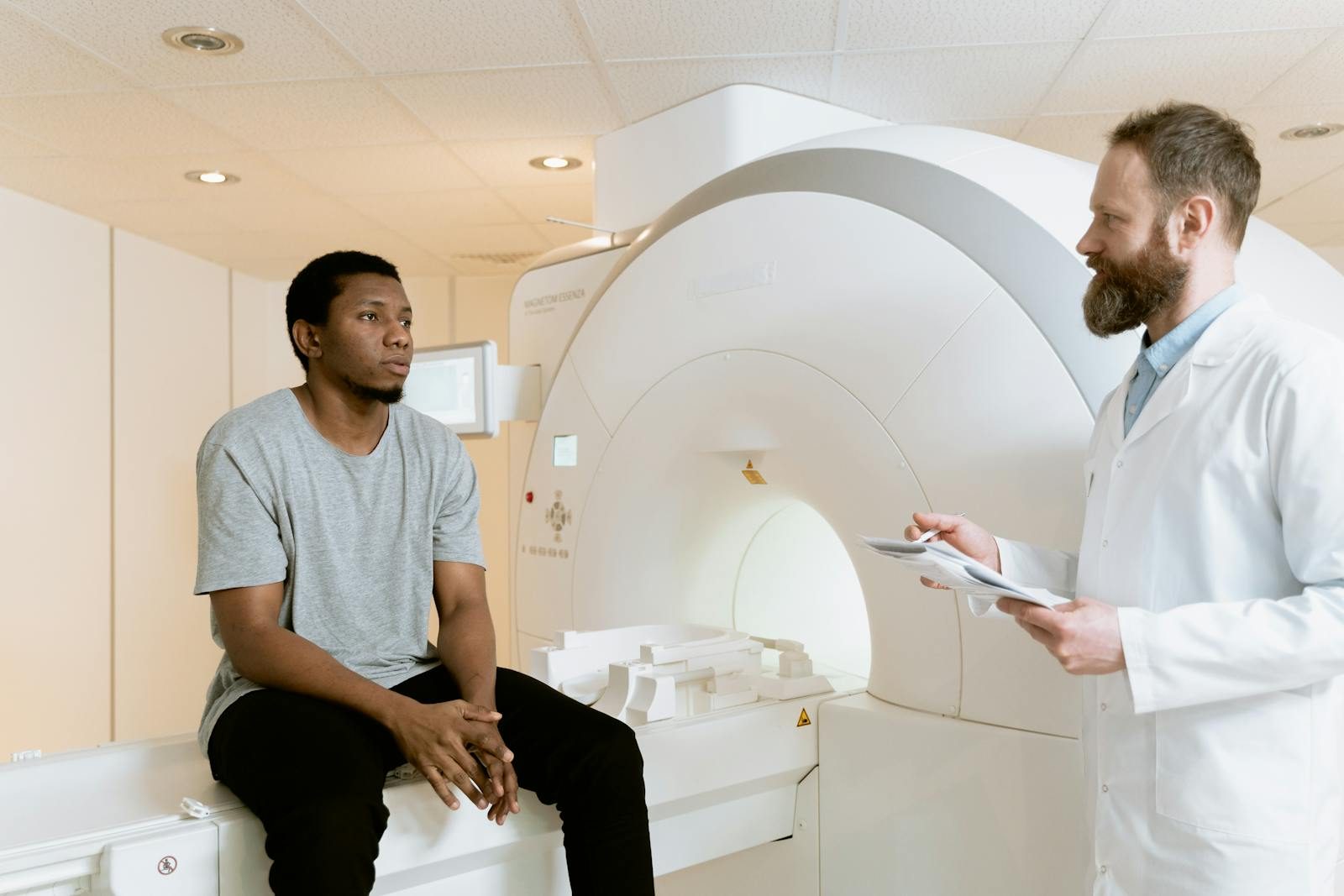
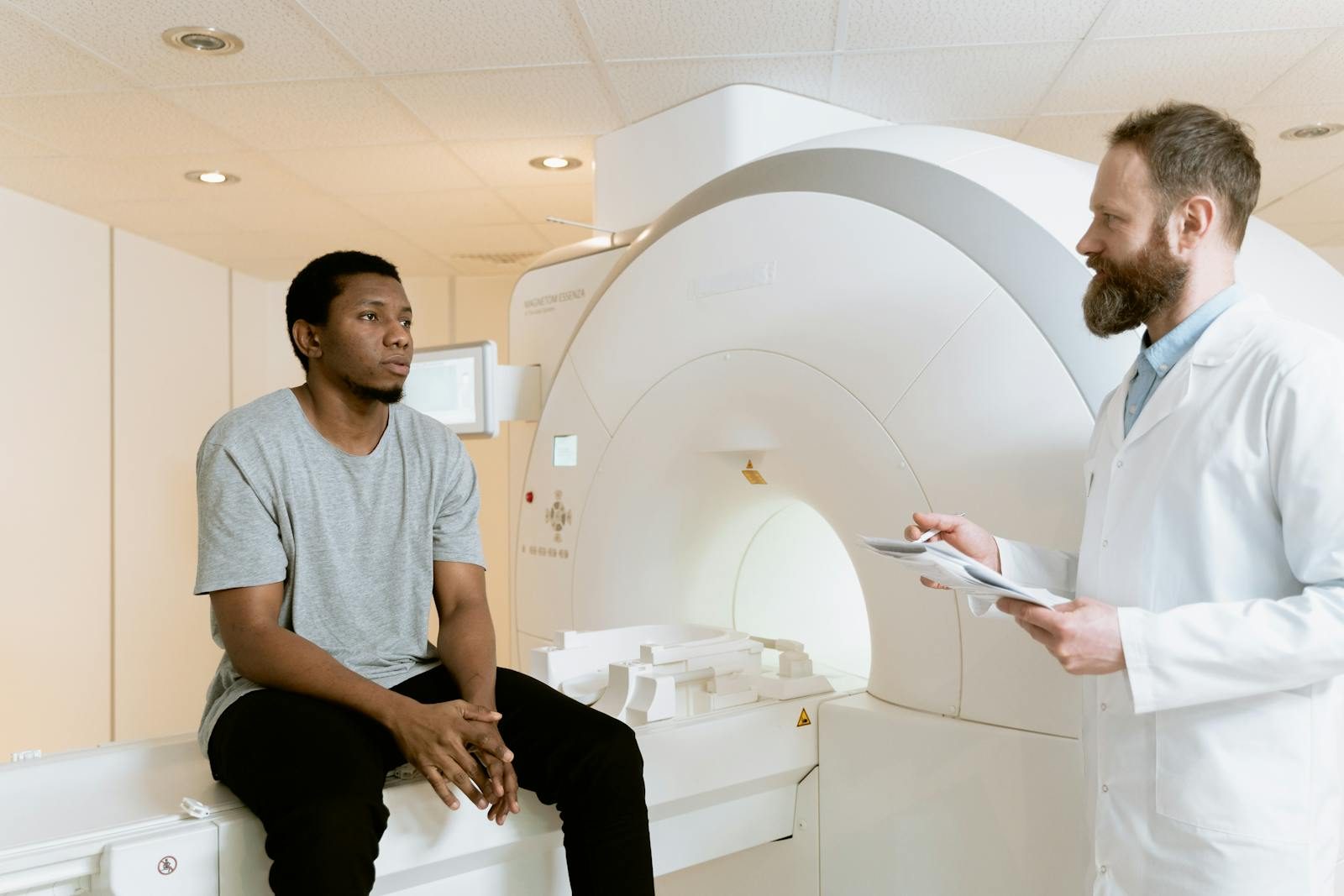
Screening for prostate cancer has become routine, but guidelines for screening are evolving. The routine offer of prostate-specific antigen (PSA) testing or Digital Rectal Exam (DRE) to all men at a certain age is a common approach. However, there are potential benefits and risks to screening, including detection of cancers early in life, diagnosis of cancers that may never cause symptoms (overdiagnosis), the risk of unnecessary biopsy, and potential complications from treatment for those with short life expectancy or indolent disease.
Why It Matters
Unlike many cancer screening trials, for many men, the “right” decision depends on their individual risk factors and personal values. For example, while PSA can uncover prostate changes years before symptoms occur, it may also identify aggressive, treatment-effective prostate cancers early in life, saving lives. Alternatively, it can also identify slow-growing cancers that are unlikely to cause harm during a man’s lifetime, opening the door to years of anxiety, repeated testing, painful biopsies, and unwarranted treatments.
The PSA test is useful for screening for prostate cancer but not cancer-specific. High PSA levels can also be seen in men with benign prostatic hyperplasia (BPH), prostate infection (prostatitis), or recent sexual activity or vigorous exercise (such as bicycle riding). An isolated elevation of PSA does not necessarily mandate a biopsy. An appropriate stepwise evaluation can help to prevent unnecessary biopsies while maintaining the goal of early cancer detection.
There is a problem of overdiagnosis with prostate screening. Many of the cancers detected are slow growing and men are unlikely to die of the disease. They may be unaware of the cancer and it would never cause symptoms. But the cancer is found on screening and treated with intent to cure. Life changing surgery or radiotherapy with unpleasant side effects follow. The worst harm of the blood test is the test itself. It is the way the results are reported in isolation of context that causes harm.
For healthcare systems the amount of prostate cancer screening they choose to do is important for determining staffing levels, budget and patient flow. Increasing the amount of screening will down-stream to require more follow-up tests, urology consultations, MRI’s and biopsies, among other services. Reducing screening down-stream will require less in the immediate term, but may lead to a greater chance of finding cancers at a later stage when they may be more serious. Therefore finding a balanced screening policy will require not only clear guidelines on how to screen, but also an adequate and streamlined system of follow-up tests and treatment for the men who require them.
For some men, advances in detection technologies and screening policies could mean better health outcomes as a result of informed shared decision making with their provider. For other men, however, potential cancer screening harms may outweigh benefits due to barriers related to cost, distance to provider’s office, specialty physician availability and a lack of continuity of care.
What the evidence means in plain language
Screening some men for prostate cancer could save lives, but the number of lives potentially saved will be modest and won’t be apparent for years. That’s why many recent clinical guidelines are urging a shift in screening policies, including shared decision-making for middle-aged men, earlier screening of certain high-risk men, and ceasing routine screening of most men at a certain age.
Why “timing” matters more than ever
It is possible to monitor prostate cancer too early and obtain a lot of false alarms or too late and miss the diagnosis of more aggressive disease in the higher risk patient. Our aim is to start monitoring at a time point that allows individualised management plans to be developed. Repeated measurements and the use of risk prediction tools will be used to distinguish transient changes in PSA from more meaningful change in risk.
Who It Affects
Decisions about prostate cancer screening—when to offer it and whether to accept it—involve all men and the clinicians who care for them; but the benefits and harms are not equally distributed. We believe that men at average risk can make decisions about screening primarily on the basis of their values and preferences. Men at higher-than-average risk for this disease should consider these issues earlier and have a more individualized decision-making process.
Men at higher-than-average risk
There are some men who are at greater risk for developing an early onset of prostate cancer, or more aggressive prostate cancer. These men include:
- Family history: A first-degree relative with prostate cancer, especially if diagnosed at a younger age or if multiple relatives are affected.
- Genetic risk: Inherited mutations linked to prostate cancer risk may justify earlier and more structured screening plans, often alongside genetic counseling.
- Race and ancestry: Some groups face higher incidence and mortality and may benefit from earlier, more deliberate screening conversations.
- Baseline PSA that is higher than expected for age: A higher PSA in the early 40s can indicate higher lifetime risk and may support closer monitoring.
Compared to his 50s, a younger man with a strong family history may benefit from a more individualised approach and not delaying screening until what has been considered the standard age for PSA testing. Establishing a baseline PSA in a man in his early 40s allows for stratification of long-term risk and guidance for subsequent screening intervals.
These tumours are best treated with radiotherapy rather than surgery.
Men with significant co-morbidity are often counselled not to have a prostate cancer screening test because by the time pre-existing disease would be detected it is likely to be serious and there would be a long interval before signs or symptoms develop at which time potentially curative therapy might be indicated. In these men, there is little to be gained from detection of prostate cancer and a symptom-based approach to the evaluation of urinary symptoms is generally recommended.
Clinicians and the care pathway
Screening for prostate cancer typically begins with a discussion between the man and his primary care physician about the results of his PSA level. This discussion is usually led by the clinician, perhaps a generalist such as a family physician or internist, along with any other men in the man’s life who will be involved in his decision making, such as his spouse or partner. The clinician will explain the limitations of the test, as well as the risk factors that may predict more severe disease. He or she will discuss the options for follow-up testing and treatment and help the man and his partner(s) make a values-based decision as to whether or not he should proceed with further evaluation including biopsy. The clinician will also help the man gather information to make an informed decision.
Abnormal results or increased risk for prostate cancer are evaluated by the patient’s urologist, as well as by radiologists and/or pathologists. Our specialists are available for consultation and to evaluate patients for MRI and targeted biopsy when indicated. We strive to make a timely and accurate diagnosis to ease patient anxiety and optimize treatment and outcomes.
Health systems, payers, and public health leaders
How coverage and care design affect screening practice. Insurance may cover payment for PSA testing, but not for other tests like prostate MRI or valid biomarkers, and thus encourage unnecessary biopsies. Or, even an acceptable test for screening may not serve its purpose and cause more harm if follow-up is not available in a timely fashion.
Recently attention has focussed on media and policy makers as influencers of public understanding and expectations concerning prostate cancer screening. Simple messages that suggest that PSA screening is always good or always bad for men misrepresent the complexity of the evidence. Public health messages about screening need to better support shared decision making, by more accurately framing the benefits and risks and communicating the timing of screening for individual risk groups. Not all detected cancers need to be treated immediately.
What Changes
There has been a marked shift in the approach to the screening of men for prostate cancer. The approach to screening all men at risk of prostate cancer is being questioned. Instead, there is a move towards offering an initial screening test at an appropriate age for individual men, shared decision making for men who are offered screening and for those who are under surveillance for areas of abnormal prostate tissue, and “smarter” surveillance for men with abnormal screening tests.
1) Start individualized conversations early
PSA screening conversations should start a lot earlier than midlife for many men. For some men at increased risk, conversations about PSA screening can even start before age 40. Offering a PSA test to a man who wants a long-term baseline in around age 40 can serve as a reference point for future tests. This first test can give the man and his clinician an idea of long-term risk and then make decisions about how often to repeat the test in the future.
For the average-risk man, most clinicians feel that the major screening decision is made in the midlife window. This is the time when screening is most likely to be beneficial for the man with a reasonable life expectancy who would be a good candidate for therapy if a clinically significant cancer were detected.
For the higher risk men, an earlier and more structured approach to managing the risk of cancer detection should be considered compared to the average risk men. For some of these men, discussion of the risks and benefits of early detection could occur as early as the 40 year old interval, more frequent intervals between PSA tests in the earlier decades if the baseline PSA is found to be elevated for age, and a plan for follow up of test results if abnormal.
2) Focus on trends, not single values
One PSA number doesn’t tell the whole story, but tracking the trend is helpful. Numbers can fluctuate, but by running multiple tests under similar conditions, you can help prevent a small spike from becoming a problem.
- Repeat PSA before referral when the rise is mild or could be explained by a temporary factor.
- Review for reversible causes such as infection, inflammation, recent ejaculation, or recent prostate manipulation.
- Use age-appropriate interpretation since PSA tends to rise with age and prostate size.
PSA velocity should be used with caution and not serve as the sole indicator for a biopsy. Rapid increase in velocity should be confirmed and in conjunction with other risk factors for prostate cancer.
3) Use risk stratification to avoid harm
Screening needs to step it up. Currently screening categorizes all men into one level of risk. I think that age, family history, race/ancestry, baseline PSA, overall health and life expectancy should be considered when determining an individual’s risk.
Elevated PSA levels require further evaluation and are often managed using risk models that can obviate the need for a biopsy. The decision to use such risk models depends on a number of factors including patient specific characteristics as well as the availability of additional diagnostic tests.
- Percent free PSA in select situations to refine risk.
- PSA density when prostate size is known.
- Validated blood or urine biomarkers that help estimate the chance of clinically significant cancer.
- Risk calculators that combine multiple factors to estimate biopsy risk.
This approach serves to reduce unnecessary biopsies, to identify those patients who require immediate evaluation and to provide a sense of risk to counsel the patient and his family.
4) Prioritize access to modern diagnostics
The increasing use of prostate MRI prior to biopsy is rapidly changing the screening to diagnosis pathway for prostate cancer. Like other cancers, MRI is being used more commonly for the localization of lesions to guide precise sampling, improving the accuracy of biopsy, and potentially reducing detection of men with clinically significant prostate cancer as well as over diagnosis of men with prostate cancer who have low risk disease that does not require treatment.
Using MRI to inform decision making pathways has the potential to reduce harm in two ways. First, men classified as low suspicion on MRI may be spared from an immediate biopsy in select circumstances. Second, when biopsy is necessary, MRI targeted biopsy has the potential to increase the detection rate of clinically significant cancer and decrease the volume of tissue necessary for diagnosis.
Validated biomarkers not only have the potential to stratify individual risk for progression, but can also allow for the non-invasive diagnosis of individuals who require down staging from a major surgical procedure in order to potentially curative active surveillance, as well as up staging patients who may avoid repeat biopsies. Additionally, biomarkers will aid in timing of repeat biopsies and follow-up monitoring in order to distinguish treatment failure from indolent disease.
5) Typically after a cancer is found, further studies are conducted in an attempt to delineate the degree of disease, determine the
Finding prostate cancer does not mean right away jumping into treatment. Increasingly, men with low-risk prostate cancer are choosing active surveillance. Active surveillance is an oncologic treatment strategy that involves the surveillance of men with early-stage, localized cancer, and is typically facilitated by and monitored by serial measurements of PSA, imaging, and/or biopsy. Monitoring protocols will vary based on a man’s risk factors as well as the local surveillance protocol.
We clearly explain the concept of active surveillance to our patients so that “watching” their cancer does not instill fear. Rather, we emphasize that active surveillance is a planned treatment approach that prevents over-treatment of the cancer, while allowing for timely curative-intent therapy in the unlikely event of disease progression.
6) Use a practical, patient-friendly conversation framework
Shared decision making will fail if benefits and harms of treatment are not explained clearly and in every day language. A Framework for Discussion of these could look something like this.
- What screening can do: Find aggressive cancer earlier in some men.
- What screening cannot do: Guarantee prevention of death from cancer or eliminate uncertainty.
- What an abnormal test means: Often not cancer, and usually requires repeat testing and risk assessment.
- What comes next if cancer is found: Options may include surveillance as well as treatment.
For patients who would like a short list of questions to consider when making a decision Patients often appreciate a short list of questions to guide the decision.
- “What is my personal risk based on my family history and health?”
- “If my PSA is high, what are the next steps before biopsy?”
- “If cancer is found, how likely is it that I would need treatment right away?”
- “How might screening or treatment affect my daily life?”
7) Support systems-level solutions
Screening will only be effective if there is timely and appropriate follow-up. Improving follow-up within health systems can save the lives of women and girls by ensuring that appropriate actions are taken at every stage of screening and diagnosis.
- Who repeats PSA and when
- Criteria for MRI or biomarker testing
- Referral thresholds to urology
- Expected timelines for abnormal results
- Communication protocols so patients understand what is happening
Equity MUST BE BUILT INTO SCREENING PROGRAMS and not an afterthought. Outreach, follow-up testing coverage, transportation, and telehealth check-ins.
References:
One story a day
The story of the day, in your inbox
One health journey each morning — no advice, no alarm, just company for the road.