Grip Strength in Schizophrenia and Current/Remitted Depression
Measuring Grip Strength is easy and cheap to do. Results are available within minutes.
 Written and medically reviewed byDr. Abu BakarContributing writer · PharmD, PhD (Pharmacology)
March 24, 2026 · 12 min read
Measuring Grip Strength is easy and cheap to do. Results are available within minutes. As a measure of Grip Strength has been shown to be a useful indicator of health in people with schizophrenia and those with current or remitted depression, incorporating Grip Strength into an individual’s battery of tests of mental health could act as an early ‘red flag’ to indicate a person with schizophrenia or depression who may have reduced muscle function (sarcopenia), early signs of frailty, increased risk of future disability, poor quality of life and handicap in normal activities of daily living. The results could also alert health care staff of physical health issues in people with mental health problems. The results could also highlight the benefits of exercise, nutritional and healthy living to overall health, of different psychotropic medications on physical health and the importance of physical and mental health rehabilitation.
Why It Matters
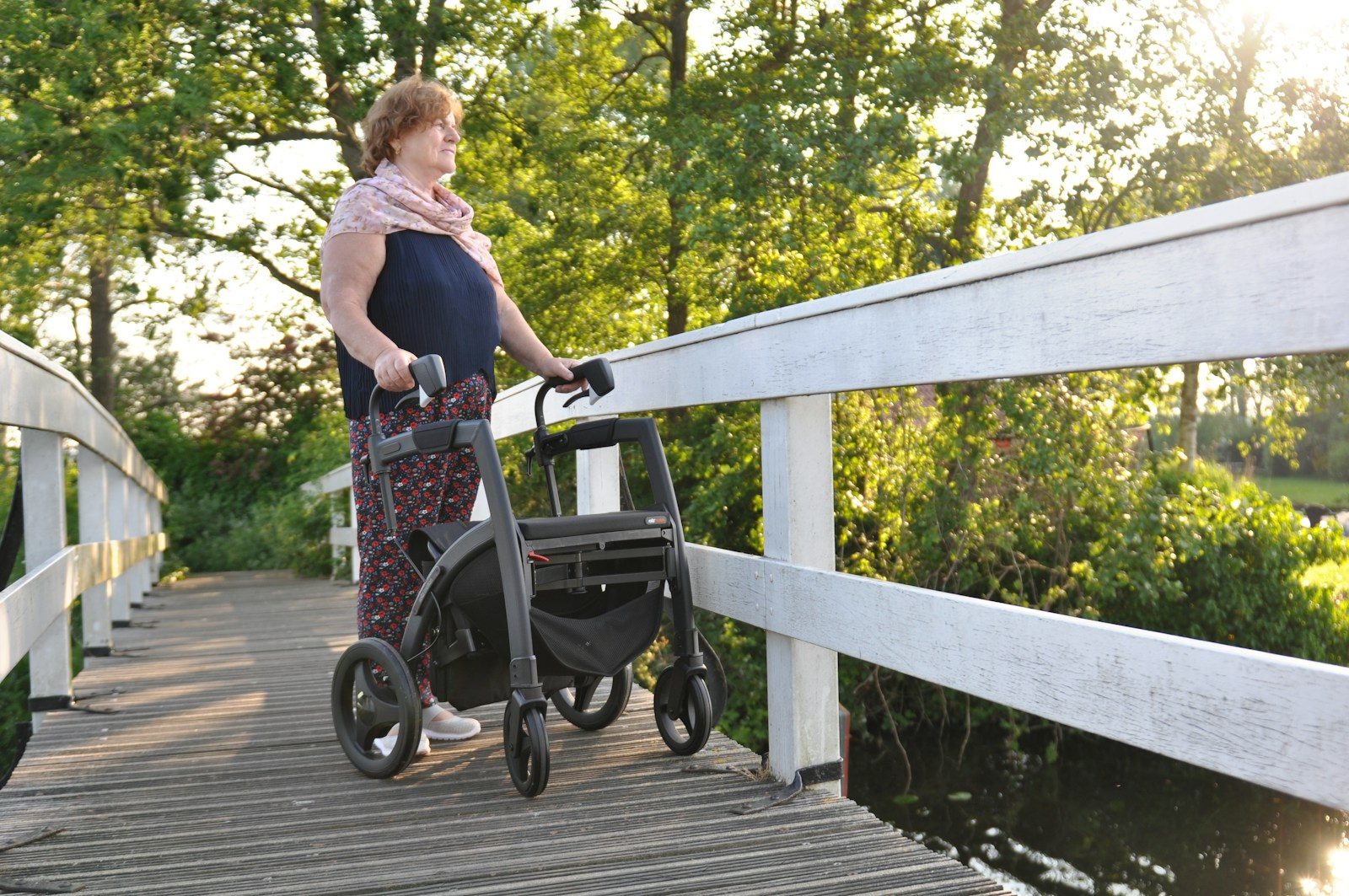
Grip strength is not just an indicator of hand function, it is also an indicator of upper muscle function and overall physical reserve. Daily activities such as dressing and meal preparation, grocery shopping, opening jars, and using a walker or cane to walk around the house all require grip strength. Low grip strength signals decreased physical reserve and decreased ability to recover from illness. In addition, people with low grip strength are at increased risk of falls, hospitalizations and long periods of disability.
A low muscle strength is an additional health disadvantage for people with serious mental illness. Research studies have found that people with schizophrenia and other serious mental illnesses are also at increased risk for a range of smoking-related illnesses such as cardiovascular disease, diabetes and obesity in addition to their existing risk for these conditions. In addition to activity tolerance, muscle strength affects energy and fatigue. Given that people with serious mental illnesses already may feel intimidated by exercise, low muscle strength can further limit participation in physical activity and in exercise programs. Ultimately, physical deconditioning can lead to decreased energy which in turn leads to even less physical activity and less participation in fitness programs. Many individuals with serious mental illnesses are unable to carry out daily tasks without assistance.
Measuring a person’s strength of grip provides the clinician with an objective measure of health that contrasts with the self reported views of the patient. For example, patients with depression often underreport their physical ability and overreport feelings of fatigue in the absence of objective physical findings. People with schizophrenia also may have difficulty articulating signs of physical decline and may therefore fail to recognize the need for a medical evaluation. A single hand grip strength measurement can be monitored over time as one would monitor weight, blood pressure, waist circumference, etc.
What grip strength may be telling you
Low grip strength can result from a variety of causes; most are treatable. However, many people do not realise that a sedentary lifestyle, inadequate protein intake or low levels of vitamin D can all result in low grip strength. Grip strength can also be decreased in people who have untreated pain, who are not getting adequate sleep, who are taking sedative or weight gaining medications, or who have cardiometabolic disorders such as diabetes. In people with schizophrenia, those with predominantly negative symptoms are generally less active than those with predominantly positive symptoms. Finally, in people with depression those who are low in motivation, have a reduced appetite and/or poor sleep may rapidly decondition.
The Grip Strength test is also a measure of frailty and sarcopenia in older people. However grip strength can be of relevance to the physical activity levels of younger adults. While frail older age is often thought of as a natural and inevitable component of ageing, recent research suggests that frail older age is the end result of decades of physical decline that begins in middle age in some individuals. However, this decline may not be inevitable and can be detected and amenable to intervention before rapid changes in muscle strength and function occur in individuals with a history of long-term mental illness who are inactive, have poor metabolic health and social disadvantage.
It is a highly subjective aspect of pain which is difficult to measure objectively. There is ongoing debate regarding the development of a clinically useful assessment tool.
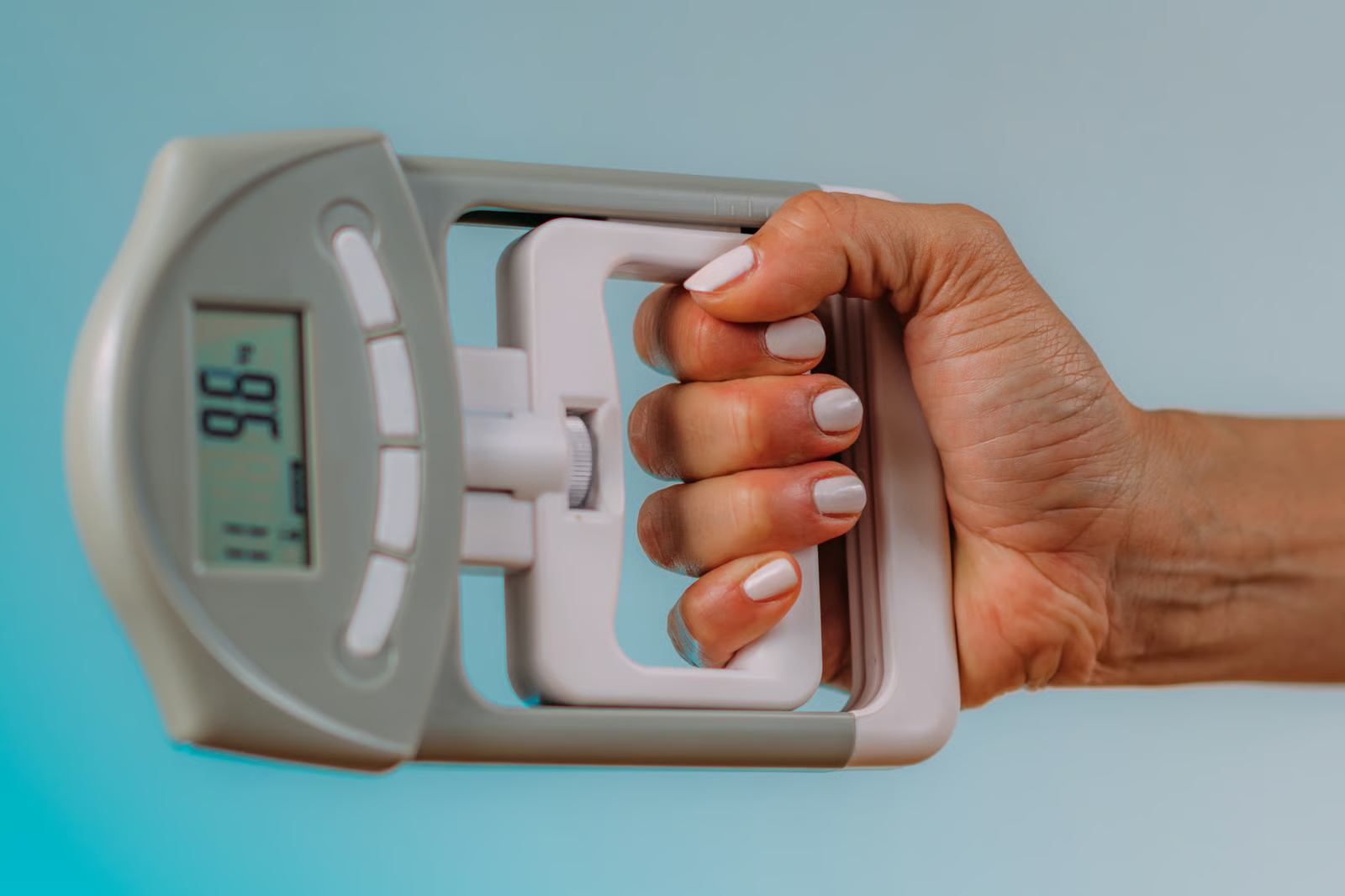
A good measurement approach is important to ensure reliable measurement and effective subsequent action. A handheld dynamometer is the most common method of measuring grip strength. Hand grip strength measurement has a simple clinical approach, that would be to measure both hands, repeat the measurement 2-3 times per hand and record the best result. It is also useful to record whether the patient is sitting or standing and whether they are right or left handed. Results should be interpreted against the available normative data, broken down by age and sex where available, and also related back to the patient’s previous measurements to look for any trends.
One number does not tell the whole story. An older adult with a low SF36 Physical Function score may indicate risk for frailty, whereas a young adult with a low SF36 score may be inactive, taking medication with side effects, malnourished, or have an acute or chronic physical illness that has not received proper treatment. Hand dynamometry measurements can serve as a trigger for discussion of physical function and as a prompt for referral for further evaluation as appropriate.
Why this matters specifically in depression, including remission
In addition to potentially lowering strength due to genetic traits, depression can also lower strength through the way that people with depression behave, and through the stress pathways found in the body. Generally, people with depression are less active, don’t get as restful sleep, eat differently, and experience more stress, which can lead to muscle loss or decreased muscle function. Even after symptoms of depression have remitted, individuals may be found to have below optimal physical conditioning. Many people report having less energy and decreased confidence in their physical abilities even after they are no longer experiencing symptoms of depression, which can hinder their return to work and/or caregiving roles.
After apparently coming through major depression some people lack the energy and stamina needed to deal with the demands of daily life. A few simple tasks can seem insurmountable, while stress and anxiety can increase and, apart from leisure activities, social participation can be reduced to little more than meeting friends and family to eat and drink. The risk of relapse can thus remain high. But helping people to build strength and do the things they enjoy can be a vital part of their recovery from unipolar depression. Greater energy can help improve sleep. Greater control can help overcome feelings of powerlessness. Greater mastery can help overcome physical limitations that are currently preventing engagement with work, therapy and relationships.
Who It Affects
Use of grip strength to identify declining physical function in individuals with schizophrenia. Schizophrenia is commonly associated with long-term functional disability. Many individuals with schizophrenia are sedentary. Physical health complications associated with schizophrenia (e.g. metabolic complications induced by certain antipsychotic medications such as increased appetite and weight, changes in glucose and lipid levels, sedation) may further decrease daily physical movement and decrease muscle quality over time. Assessing grip strength may allow clinicians to identify declining muscle quality in individuals with schizophrenia prior to severe and irreversible muscle quality loss.
People with current depression are found to have lower grip strength. Several causes of depressed grip strength include inactive apathy, fatigue, and changes in appetite leading to a decrease in protein intake. Individuals with depression can become less active in weeks to months as they feel too exhausted to move due to the mood episode. As individuals with depression recover from an episode of depression, they commonly report an improvement in their mood, but are left with significant decreases in physical capabilities due to their long period of inactivity.
For people with a history of depression, remission from the illness does not necessarily mean that there is no ‘physical footprint’ of the illness. They may not be as active as others for a variety of reasons including; fear of relapse, the lack of a routine, poor sleep and/or medication side effects. Even after successful treatment of the illness, some people may be experiencing low-grade fatigue. Measuring grip strength can help clinicians make a decision about whether or not a person with a history of depression could benefit from a structured approach to reconditioning. Is physical recovery as simple as assuming recovery of the illness once the mood symptoms have lifted?
Groups at higher risk of low grip strength
Some populations are more likely than others to experience weakness and decreasing physical function. For example, older adults, individuals with longer or more complex illness trajectories, individuals with multiple diagnoses, those who lack safe opportunities for physical activity, and individuals experiencing poverty and food insecurity are all populations that are at risk for decreased muscle function. Smoking and substance use, as well as uncontrolled chronic inflammation or untreated endocrine illnesses, can also impact muscle function.
Those that care for and treat patients (including clinicians and care teams) can all benefit from knowing grip strength to make better and quicker decisions. This measure is useful to any healthcare professional including: Psychiatrists, primary care physicians, and nurse practitioners/physician assistants, psychologists and social workers, and occupational therapists and physical therapists. As a quick physical measure, grip strength can help ensure that physical aspects of patients with mental health illnesses are not overlooked, even in brief in-patient or office visits.
In addition to early detection of illness, family members with weakness, as well as others who help support them, such as nurses and home health care workers (occupational therapists, PTs, home health care aides), and families/caregivers (spouses, children, other relatives) who help with activities of daily living will also benefit from the app. Data from the app can help families and caregivers make changes to support safe walking, home exercises, healthy meal planning, and fall prevention strategies. The person with weakness may have little awareness of decline in ability and/or have difficulty following a strict daily routine.
What Changes
Screening for future disability: Include grip strength in physical health monitoring in mental health care. Measure on intake, following major changes in medications, every year for stable patients, and during any relapse or hospitalization for mentally ill adults. Measuring grip strength as part of vitals or metabolic screening will alert clinicians to patients at risk of future disability, decreased mobility and frailty.
Integrated care pathways
Use grip strength results for more than a number! Apply results to provide specific next steps for participants.
- If grip strength is low or dropping over time, assess activity level, nutrition, sleep, pain, and medication side effects.
- If weakness is accompanied by slow walking, frequent falls, or difficulty with daily activities, refer to physical therapy or occupational therapy.
- If weight gain, high blood sugar, or lipid abnormalities are present, coordinate lifestyle medicine support and metabolic monitoring.
- If food insecurity is suspected, connect the patient to social services and nutrition support.
No need for action should not mean no action is taken. A series of simple responses should be outlined based on available resources. For example, in a low resource setting, a simple home based strength programme and walking routine would be the first line of management, while in a well-resourced system, referral to supervised resistance training, rehabilitation and dietetic services would be more appropriate.
Medication and side-effect management
When prescribing or reviewing medication (specifically antipsychotics and antidepressants) consider the physical function of the young person. Measure grip strength as sedation, reduced activity and rapid weight gain have been shown to reduce grip strength in young people. Reducing medication, reposing dose at times of the day that are less likely to affect sleep, or supporting young people to increase in activity (structured where possible) can help to reduce decline in grip strength.
Strength training can be usefully integrated into healthy lifestyle care for mental health, supporting treatment of psychiatric disorders. International guidance for adults recommends that adult men and women engage in regular physical activity, such as aerobic exercise, as well as muscle-strengthening activities and exercises which involve lifting, pushing, and pulling heavy loads. Where a person with a serious mental illness is new to physical activity, exercises can start gently incorporating bodyweight, using light weights or resistance bands, and then be progressively more structured towards specific goals.
Practical intervention options that work in real life
Another lift to add to your repertoire. When working with clients it’s important to keep the strength training very simple, consistent and client-centered. The following are examples of this in action.
- A twice-weekly strength routine lasting 15 to 30 minutes, focusing on major muscle groups (sit-to-stand, wall push-ups, band rows, step-ups).
- Short walking breaks through the day to reduce long sitting time.
- Protein-aware meal planning, especially for patients with low appetite or limited food access.
- Sleep and daily routine support, since fatigue and irregular schedules reduce adherence.
- Group-based or peer-supported activity, which can improve motivation and reduce stigma.
Safety and individualization are important considerations in this program. Patients with medical conditions such as heart disease, uncontrolled diabetes, severe obesity, balance problems, or chronic pain may require some individualization of the program and closer medical monitoring. Physical therapy input may also be helpful for patients with a history of falls, dizziness, or significant functional limitations.
Implementation details for health systems
Making widespread screening effective is much easier if roles are clear and processes are straightforward. Health systems can benefit from some clarity on these issues.
- Train nurses, medical assistants, or therapy staff to perform standardized measurements.
- Record results in the electronic health record in a consistent location.
- Track change over time, not just single readings.
- Link results to referral pathways and patient education handouts.
- Build partnerships with community programs so referrals are realistic and accessible.
Our policy and reimbursement strategies should not categorify these various fields of health care. Many of our patients are treated with combinations of medication, and psycho- and physio-therapies, further augmented by nutritional counseling, and social services. The most successful rehabilitation and recovery strategies for mental health include a variety of treatment approaches and a reimbursement strategy that recognizes the efficacy of these lifestyle treatments in bringing about recovery and preventing long-term disability.
What comes next
Monitoring and setting goals for patients is less about isolated values and more about understanding trends and setting realistic targets. By taking repeated grip strength measurements over time, both patients and healthcare providers can see if a patient is trending up, trending flat or trending down and make decisions together that will benefit them the most – deciding together the best frequency, intensity or duration of treatment for that individual.
Rather than focusing on documenting an association it would be more useful for our field of research and practice to better understand the “how” associated with enhancing physical activity levels among persons with schizophrenia and depression. Future research and interventions might identify the specific form or components of strength training (e.g. weight training, body weight resistance training, plyometric, progressive muscle relaxation etc) which are most efficacious in enhancing physical activity and then identify methods of sustaining motivational to engage in physical activity despite episodes of relapse and/or worsening of depression symptoms. The development of research-based programs to promote physical activity for persons with schizophrenia and depression also needs to be translated to real world interventions delivered in gym’s, community centers, churches, YMCAs, etc as well as via tele-rehab. Interventions that are delivered via peers also would be useful to enhance physical activity levels of persons with schizophrenia and related mental health and medical disorders.
· Grip strength is a low cost indicator of importance of schizophrenia and current or remitted depression. It can help link to care pathways to close the gap between mental and physical health, identify early risk and point to interventions that help support patients’ independence, recovery and long-term health.
References:
https://pmc.ncbi.nlm.nih.gov/articles/PMC13000739/ https://www.ncbi.nlm.nih.gov/pmc/articles/PMC4558471/ https://www.ncbi.nlm.nih.gov/pmc/articles/PMC5491569/ https://www.ncbi.nlm.nih.gov/pmc/articles/PMC8328881/
One story a day
The story of the day, in your inbox
One health journey each morning — no advice, no alarm, just company for the road.