Motif Neurotech Gets FDA IDE To Study Brain Implant In Depression
Motif Neurotech has won FDA permission to start clinical testing of a tiny brain implant for treatment-resistant depression….
 Written and medically reviewed byDr. Abu BakarContributing writer · PharmD, PhD (Pharmacology)
May 9, 2026 · 6 min read
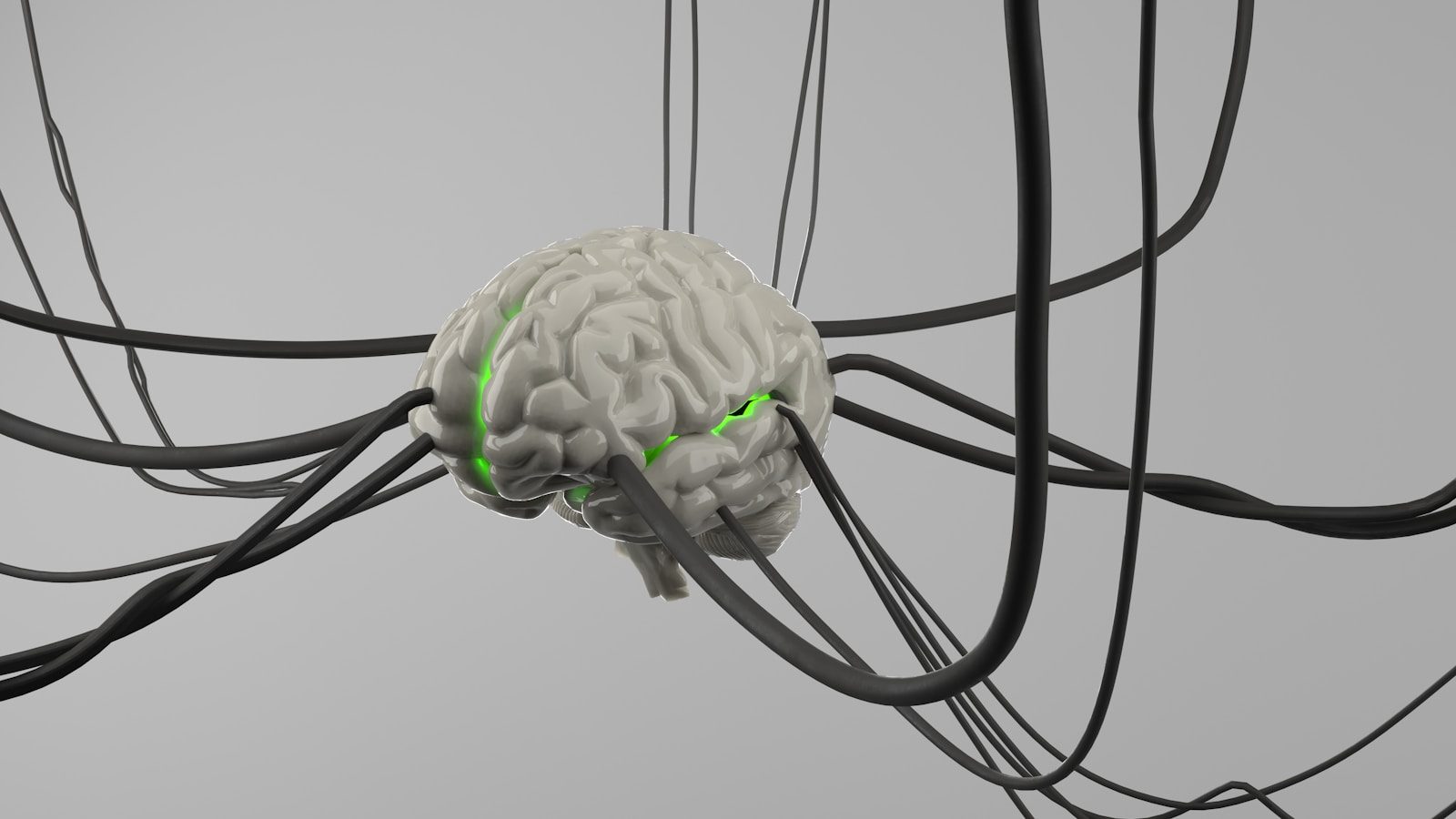
Motif Neurotech has won FDA permission to start clinical testing of a tiny brain implant for treatment-resistant depression. The device, called the Digitally programmable Overbrain Therapeutic (DOT), is about the size of a blueberry and sits in the skull above the brain’s protective lining. It delivers gentle electrical stimulation to circuits involved in mood regulation. The implant is wirelessly powered and designed for a quick outpatient procedure, after which patients could control stimulation at home with a wearable controller.
Why It Matters
Chronic and severe depression is one of medicine’s toughest challenges. Many people cycle through several antidepressants, therapy, and even brain stimulation treatments (like ECT and TMS) without full relief. An estimated third of patients with major depression don’t respond to standard therapies, leaving millions with a disabling illness. For these patients, targeting the brain’s electrical circuits offers a new approach. Existing brain stimulation methods are already used for other disorders, but a small wireless stimulator for depression is new.
The FDA approval for testing of Motif’s device marks a great breakthrough. The wireless device can be implanted in the dura within 20 minutes using outpatient procedures, thus not requiring brain surgery. The device has been made such that the patient will be able to have his/her treatments conducted at home using a special kind of headgear, much like how diabetics get their readings from their continuous glucose monitor.
Nevertheless, IDE approval represents just the initial phase of the research. In this clinical trial, roughly 10 people will participate in a one-year investigation. Complications, including infections and side effects associated with neurological processes, as well as information regarding depression and cognitive impairment, will be meticulously documented. Not all neurotechnologies are successful in their operations. While electroconvulsive therapy is useful for most patients, it is also risky and socially controversial. Deep brain stimulation was considered a breakthrough innovation, although expensive and complicated. Even with TMS, patients have to visit specialists every day for several weeks.
Beyond individual patients, this development could affect healthcare systems. Hospitals will need protocols and staff for implanting and adjusting the device. Insurance companies will want evidence that it prevents costly outcomes (like repeated hospitalizations or nursing home placement) before paying for an expensive device. Regulators and ethicists will also watch closely. Because Motif’s system aims to record brain signals to personalize treatment, questions about data privacy and security will be front and center.
Who It Affects
This technology is aimed at adults with depression that has not improved after multiple treatments, also known as treatment-resistant depression. In the U.S., roughly 9 million adults are treated for depression each year, and about 2.8 million (nearly 30%) may fall into this hardest-to-treat category. These people often face severe disability and higher risk of suicide. For them, a device that helps rebalance brain circuits could be life-changing—if it proves both safe and effective.
Clinicians will also be affected. Psychiatrists will need to identify eligible patients and refer them for evaluation. They will have to explain the potential benefits and risks in simple terms: that this is experimental therapy and a cautious approach. Neurologists and neurosurgeons will handle the implantation and initial programming. Nurses, therapists, and technologists will support patients in adjusting the device and tracking progress. All providers involved must coordinate closely to manage patient care effectively.
Health systems and payers must prepare as well. Hospitals and clinics may need to invest in specific equipment and training for the outpatient procedure. Neurology and psychiatry departments might collaborate to run combined clinics. Insurance companies will watch the early data carefully. Will this implant reduce other healthcare costs enough to justify its price? If early cases show hospital or ER visits dropping, payers might see value in covering it. However, advanced brain treatments have often been expensive and available only at major centers.
What Changes
- However, if the Motif device is proven both effective and safe, it will provide an additional choice for the treatment of depression. Of course, the Motif cannot become an alternative to antidepressants and psychological therapies; however, it may serve as the final solution when no other treatments worked. In this case, doctors will be provided with another means to treat patients. For some people, it can become a replacement for surgery or hospitalization.
- Compared to current procedures, this implant is much less invasive. It can be placed under local anesthesia in about 20 minutes, and patients go home the same day. In the future, patients will wear a special cap at home to receive regular stimulation sessions. This convenience could encourage people who avoid hospital treatments to get therapy. It may broaden the group of patients willing to try brain stimulation.
- Over the long term, this technology could shift how we treat depression. Because the Motif device is planned to record brain activity, clinicians could one day use those signals to tailor therapy more precisely. For example, if sensors detect when a patient’s mood circuits are turning down, the system could boost stimulation automatically. This closed-loop approach is akin to an insulin pump for diabetes. It would mean treatments are data-driven, not just adjusted by patient self-report.
- These changes bring important questions. Insurance plans will need to decide how to cover this treatment—perhaps as part of a bundle for chronic mental health care. Regulators will need to define safety standards and quality measures for brain implants. Systems will have to protect neural data with the same care as genetic or other health records. The cost of the device and its reimbursement policy will determine the accessibility of this treatment method. Even though the procedure may prove to be effective, high costs may limit its availability in many medical facilities. Clinicians and health leaders should watch the progress of trials carefully. Key things to monitor are: In conclusion, although the FDA trial for Motif appears promising, it is only a beginning. While a small implantable stimulator will not be a panacea for treatment-resistant depression, it may well prove to be a useful new weapon in the fight against this serious medical condition. At present, however, all that can be done is to carefully assess whether the device can help provide relief from symptoms that have proved resistant to existing therapies.
- Safety outcomes: Watch for any surgical or device complications, and any unintended changes in mood, cognition, or behavior. The initial study will test safety over 12 months and track all adverse events.
- Evidence of benefit: Beyond clinical scales, look for real improvements: patients sleeping better, interacting with family, returning to work, and reporting better quality of life. It’s not enough to see a small numerical change in a depression score if it doesn’t translate to day-to-day improvements.
- Device longevity and maintenance: Learn how long the implant stays charged and whether patients need frequent reprogramming sessions. The first trial will note any device malfunctions or the need to remove or replace the implant.
- Data handling and ethics: Understand how the brain data are used. Ensure that privacy protections are in place. Patients should know exactly what monitoring is happening. Consent must be thorough so patients realize this is experimental and that unknown risks exist.
- Access and equity: Think ahead about training more providers and setting up clinics outside major centers. Consider financing models that do not limit this therapy to only wealthy urban patients.
References
- Clark, S. C. (2026, April 28). Brain-computer interface based on Rice research wins FDA approval for first clinical trial. Rice News, Rice University.https://news.rice.edu/news/2026/brain-computer-interface-based-rice-research-wins-fda-approval-first-clinical-trial
- Motif Neurotech. (2026, April 27). Motif Neurotech receives FDA approval to begin first clinical trial of its therapeutic BCI for treatment-resistant depression. Business Wire (republished by BioSpace).https://www.biospace.com/press-releases/motif-neurotech-receives-fda-approval-to-begin-first-clinical-trial-of-its-therapeutic-bci-for-treatment-resistant-depression
- McIntyre, R. S., Alsuwaidan, M., Baune, B. T., Berk, M., Demyttenaere, K., Goldberg, J. F., … Maj, M. (2023). Treatment-resistant depression: definition, prevalence, detection, management, and investigational interventions. World Psychiatry, 22(3), 394–412.https://pubmed.ncbi.nlm.nih.gov/33528865/
- National Institute of Mental Health. (n.d.). Brain stimulation therapies. National Institute of Mental Health (NIMH). https://www.nimh.nih.gov/health/topics/brain-stimulation-therapies/brain-stimulation-therapies
One story a day
The story of the day, in your inbox
One health journey each morning — no advice, no alarm, just company for the road.