Gut Microbe R. gnavus Could Underlie Lupus and Lupus Nephritis
A gut bug known as Ruminococcus gnavus, or gut bug Ruminococcus gnavus, or simply gut bug R.
 Written and medically reviewed byDr. Abu BakarContributing writer · PharmD, PhD (Pharmacology)
March 12, 2026 · 14 min read
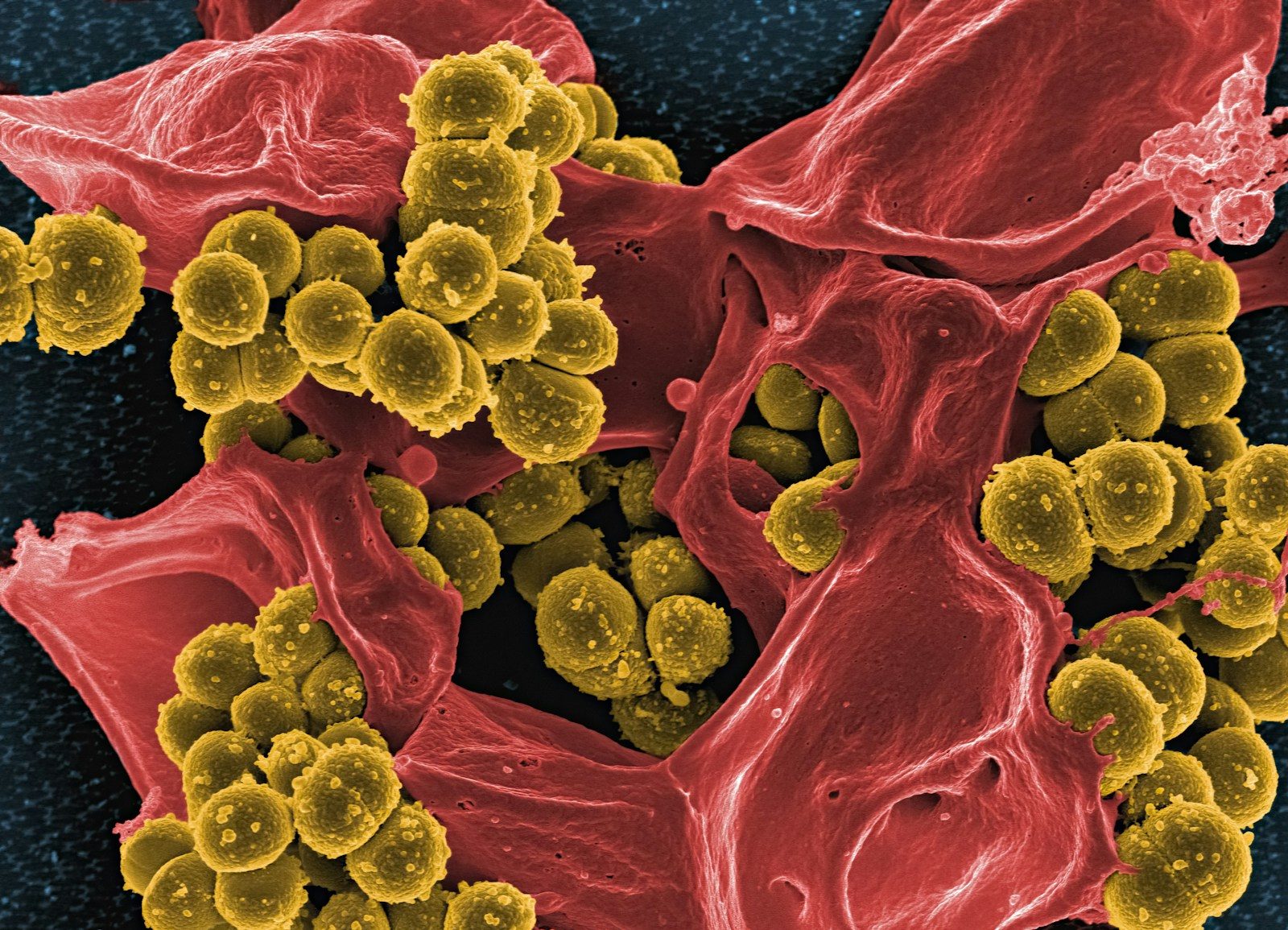
A gut bug known as Ruminococcus gnavus, or gut bug Ruminococcus gnavus, or simply gut bug R. gnavus, has been found to be associated with lupus and lupus nephritis. While more research is needed to determine whether R. gnavus might cause lupus, these findings do suggest that our microbiome could be involved in causing or worsening autoimmune diseases. New research in humans and mice has made a few key observations about the relationship between R. gnavus and lupus, including growth transients in certain R. gnavus strains that coincide with lupus flares, the bug’s ability to trigger immune responses that contribute to lupus, and involvement in nephritis. The findings look promising for future diagnostic and therapeutic possibilities based on a person’s unique microbial signature, which could be used to gauge their risk of developing lupus or monitor the severity of disease.
Why It Matters
Lupus is a chronic disease that causes your body’s autoimmune system to attack normal tissue. When lupus affects the kidneys it can result in major and irreversible kidney damage. So patients and healthcare providers try to prevent kidney injury in patients with lupus. Renal involvement in lupus is often associated with chronic disability, poor quality of life, recurrent hospitalizations and progression to end stage renal disease. The cost of care changes dramatically from managing medication and doctor visits to expensive dialysis and transplantation, and ongoing management of the patient on immunosuppressive therapy.
The microbiome has recently been recognized to play a role in lupus, since the gut is where the immune system learns how to behave, and the intestinal barrier plays a critical role in controlling inflammation. In healthy individuals, microbes resident in the gut promote immune tolerance, and also serve to maintain an intact intestinal barrier that confines microbial components to the lumen and prevents their translocation to the mucosa. In contrast, a shift in the balance of the normal resident microbes (dysbiosis) contributes to sustained inflammation, impaired immune regulation and increased gut permeability in individuals with lupus. The consequence of this ‘leaky gut’ is that bacterial components can come into contact with immune cells, where they are recognized as pathogenic and induce lupus-causing inflammation.
R. gnavus, a joint infection agent, is associated with active disease and has a distinctive immune profile. While R. gnavus was found in modest levels in most lupus patients, there was a marked expansion of R. gnavus in patients with active lupus nephritis. Not all R. gnavus strains are likely created equal, and several studies have found associations between the immune response to R. gnavus and different strains. The bacterial cell-wall components, notably lipoglycans, induce antibody responses in lupus patients and correlate with markers of active disease.
Recent research has suggested there may be a link between R. gnavus and a lupus flare. A new study finds that over a longer period of time, R. gnavus outbreaks do correspond to flares of lupus. The research, which followed 26 people with lupus over the space of several years, found that their gut bacteria was less predictable than that of healthy individuals. Tests of stool samples discovered that at the time of a flare-up, the R. gnavus content shot up. With lupus flares often completely unpredictable, any insight into possible risk factors can arm people with the ability to try to prevent them, or at least treat them more effectively when they do come.
Studies in animal models that may explain how lupus-associated R. gnavus strains induce immune activation. In our mouse studies, using lupus-derived R. gnavus strains caused intestinal alterations in permeability associated with immune activation. Levels of markers of intestinal barrier disruption, particularly those in the zonulin signaling pathway were found increased in the intestinal tissues of the mice. Changes in intestinal permeability induced by R. gnavus were found reversible with the intestinal permeability blocking zonulin pathway antagonist, larazotocin. The results support the concept that one organism or a few strains of it can induce persistent disruptions in the gut barrier that induce increased systemic immune activation.
R. gnavus and its parts have been shown to induce lupus like symptoms. Here we propose a new set of potential targets for lupus outside of the immune system. Present day therapy and monitoring of patients with lupus and lupus nephritis involves immunomodulatory / immunosuppressive medications and patient symptoms as well as lab parameters such as complement levels, anti-dsDNA, proteinuria and renal function. The microbiome may also be useful in monitoring for disease flares as well as potentially segregating lupus into “endotypes” that are induced by microbial components. Monitoring the microbiome can also potentially allow for individualized intensity of therapy to avoid excessive immunosuppression when disease risk is low.
The potential of new treatments derived from the microbiome also has implications for the health system and payers. As microbiome-based therapies emerge, resources devoted to IBD treatment and management will need to be re-directed. Validated microbial biomarkers predicting clinical flare could guide a system that focuses more on outpatient monitoring, earlier therapy and prevention. However, the potential of these new therapies will only be realized with accurate, reliable and accessible testing options, and wise testing, testing implementation, and testing consequences.
Addressing equity and safety concerns in the field of microbiome research is critical. The potential exists for this emerging field to exacerbate disparities and be misused. The current challenges related to access to and interpretation of results from comprehensive microbiome testing across platforms, laboratories and clinicians have the potential to leave patients and families outside of specialty medical centers behind in this rapidly evolving field. Well-meaning patients and providers are turning to unregulated probiotics and dietary supplements, off-label antibiotics, and poorly supervised fecal microbiota transplant, all of which can have serious adverse effects particularly in patients taking immunosuppressive medications for severe lupus. This advice is given on the basis of evidence and in light of current clinical guidelines.
Who It Affects
The research conducted in our lab focuses on persons with lupus, particularly those with lupus nephritis or at risk for developing kidney disease. Lupus is a common illness, affecting nearly two million people in the U.S. today. It predominantly affects women: 90 percent of those diagnosed with lupus are female, and the illness typically begins in young adulthood. As a result, a single serious kidney complication can immediately set back years or even decades of health and life planning for a patient. But small gains for a patient with active nephritis, such as fewer flares or improved kidney function, can translate into longer, healthier years.
Yet another layer of confusion for patients and families is that this area of research, while promising for understanding lupus, sounds pretty “ready for prime time” when in fact it is not yet ready for mainstream clinical use. Therefore, patients and their families may be wondering whether they and their children should be on special diets, be taking probiotics, avoiding certain foods, or asking for a test of their “lupus microbiome.” While there is some evidence that the microbiome (the entire collection of microorganisms living within and around us) may play a role in causing and perpetuating lupus, and clearly is impacted by the illness, there are yet no proven “biologic” treatments for the microbiome and most evidence about specific diets and supplements is anecdotal and unpublished. Patients and their healthcare providers should be very wary of anything sold over the counter that claims to affect the lupus microbiome, and should definitely not use any such products without first discussing them with their physician, especially if they are taking immunosuppressive medications. Patients should also be wary of special diets that are claimed to be beneficial for people with lupus and it is best to discuss such claims with your healthcare providers before changing diet or taking supplements.
The impact of microbial markers on rheumatology practice, if validated as disease predictors for flares or following organ transplantation, will be substantial. Rheumatologists will utilize future microbiome derived signals as independent or supplementary markers to guide clinical decision making along with traditional disease activity indices, disease activity markers (e.g., complement, autoantibodies), and other prognostic indicators. In addition to guiding patient management, future microbial signals that predict disease flares or organ transplantation related disease will require validation of thresholds for closer monitoring, change in therapy, or further evaluation of the microbiome.
As a nephrologist, you would be impacted by research on lupus because kidney outcomes are a major endpoint for research in lupus and a major driver of morbidity. Patients with lupus nephritis are often jointly managed with rheumatologists in terms of the immunosuppressive regimens as well as the monitoring of proteinuria and renal function, and shared decision making regarding renal biopsy. You could use microbiome markers as an additional tool in your practice to decide whether or not to intensify therapy, to taper immunosuppression, or to more closely monitor a patient for a renal flare.
Future generations of primary care physicians will be critical in counseling and disease prevention, particularly in the areas of antibiotic stewardship and a healthy gut. Primary care physicians and PAs will reinforce safe behaviors and identify patients at risk of worsening dysbiosis. Additionally, primary care physicians can educate their patients who take nutritional supplements regarding the potential effects of these products on lupus and its complications. Primary care physicians and PAs can also be aware of early signs of infection in immunosuppressed patients. Furthermore, primary care physicians can educate patients with lupus on dietary patterns that reduce the risk of developing cardiovascular and metabolic diseases.
As the human microbiome receives increasing attention in scientific research, laboratories and microbiologists will be under pressure to deliver accurate and reproducible analyses, and to provide detailed, comparable results reports. While some assays will primarily differ in sequencing approach (e.g. 16S versus metagenomics), other differences in methodology will also need to be addressed. Beyond the sequencing step, additional considerations for clinical use include standardization of sample processing and potential contamination, as well as establishment of clear thresholds for result reporting, and inclusion of notes to aid interpretation instead of confusion.
The stakeholders involved in these decision-making processes would include health systems, payers and regulators. As more microbiome testing becomes clinically useful, the decisions made by these parties and their coverage determinations could have a profound impact on access to these tests. Health systems, payers and regulators would also need to establish processes and systems for education, referral and monitoring. Similarly, the regulators that oversee the development of new therapies will need to consider how microbes or products of microbes could be targeted as therapeutic agents, even if the primary immune pathway is not engaged in these approaches.
What Changes
Clinicians are starting to consider the potential role of the microbiome in risk of developing lupus and in disease activity. This is being done cautiously and in an evidence based manner. Thus, the near term application is not that every patient would come in for a complete assessment of the microbiome upon their first clinic visit. Rather, clinicians are starting to realize that factors derived from the gut can play a role in disease activity and clinical flares. They could potentially be used to counsel patients regarding safe practices or to help make decisions as to whether or not to recommend patients for research studies. They also have the potential to become future markers of flare or future biomarkers to select effective therapy for individual patients with lupus.
1) What Clinicians Can Do Now
The health conscious health gastroenterologist can enhance his or her patients’ gut-aware health by avoiding ineffective or harmful tests and treatments, insisting that patients take their life-saving lupus medications as prescribed instead of supplementing with unproven products and following fad diets, avoiding unnecessary use of antibiotics, managing gastrointestinal symptoms such as constipation or diarrhea that can disrupt the body’s naturally occurring gut ecology, and education patients about safe use of existing supplements and probiotics that promote gut health.
The clinician managing patients with renal disease or heavy immunosuppression should be particularly cautious of unproven products available over-the-counter that claim to manipulate the body’s microbiome. Patients should be strongly advised not to undergo fecal microbiota transplants for medical indications.
Consider incorporating microbiome related questions into your history taking as a team. These issues can be introduced gently to the patient. It is helpful to ask if the patient has recently taken antibiotics, has changed their diet, has had repeated GI infections, or has started probiotics or other herbal products. Patients identified as being at risk for interactions with their current medications could be counseled regarding those potential interactions and considered for enrollment in ongoing clinical trials assessing pre-specified microbiome markers or interventions.
2) How Risk Assessment Could Evolve
R. gnavus could be a useful marker for predicting flares and/or developing nephritis in renal-APE. Presently renal-APE is diagnosed and monitored by clinical features and complements including urinalysis, anti-dsDNA. Future combined risk model for renal-APE could include microbiome parameters, such as R. gnavus levels or unique blood antibody profile that reacts with certain bacterial components. The ability to predict flares has advantages; however, there are potential disadvantages, especially increased complexity, and the potential to over-interpret an imperfect diagnostic marker.
The microbial markers may potentially become useful for guiding clinical decisions in the future. For future clinical application, it is necessary to share decision-making with patients and families. They need to know what the microbial signals predict or do not predict, what actions will be taken based on the signals, and what remain uncertainties; especially the risk of over-treatment or under-treatment with immunosuppressive therapy.
3) Therapeutic Possibilities and Safety Guardrails
To manipulate the human microbiome with the intent of treating lupus via microbiome-directed therapy, there is a need for evidence. For some interventions, such as dietary strategies and dietary supplements (e.g. prebiotics), and even the use of antibiotics for targeted indications, there is a need for data, some of which may be relatively risk-free. However, for interventions that are riskier and possibly more experimental such as antimicrobials that target specific microbial species or indicators of dysbiosis, those that involve the use of probiotics (which can be engineered for lupus) and bacteriophages, as well as fecal microbiota transplantation, the treatments would have to first pass the “safety filter” since most lupus patients are immunocompromised.
The gut microbiota are interacting components; altering one species is likely to have unintended consequences. Some bacteria may provide protective functions against pathogenic organisms. Even if reducing one species decreases lupus activity in the short term, there will be a need for long term safety data before clinicians or regulators will accept strategies that potentially exchange acute benefit for chronic harm by affecting metabolism, weight, cardiovascular disease risk and mental health.
4) Implementation Challenges for Real-World Care
Standardisation of testing protocols is critical to ensure that results obtained from microbiome analyses are clinically useful. We encountered variable results due to time of sampling and storage, sequencing methodology and bioinformatic approaches. A ‘positive’ result on one platform did not correlate with a ‘positive’ result on another. Future analyses will require agreed thresholds, quality controls and a standardised reporting template that includes guidance for clinicians.
As more research is conducted on the microbiome, the development of novel therapeutics raises the prospect that these advances could exacerbate, rather than reduce, existing disparities between the rich and the poor – unless steps are taken to ensure that these treatments are accessible and available to those who need them most. To this end, the medical system must establish community-based pathways to access as well as mechanisms such as conditional coverage linked to the collection of registry data to inform future studies. In addition, guidance for appropriate use of these tests and how they can benefit patients is necessary.
5) Research Priorities and Policy Planning
Given that research funding is leaning towards replication studies, mechanistic studies and clinical trials that deliver patient relevant outcomes for microbiome directed therapy, the following questions need to be addressed in future studies: 1) who will be the best beneficiaries of such an approach; 2) which strain features will be most effective; and 3) which early microbiome biomarker can best predict a kidney flare. Outcomes of interest would be measures of persistent kidney function, flare frequency, steroid exposure, quality of life, and long-term safety.
Policy makers and guideline development groups need to consider the time lag between publication of the evidence and its translation into practice. All professionals and those responsible for developing guidelines have a responsibility to ensure that advice on monitoring and treatment is not misused. Payers may wish to consider offering conditional coverage for a new technique or novel intervention, whereby they fund the testing of the new approach and in return require the collection and publication of appropriate data, robust quality control measures and clear assessment of clinical outcomes.
For patients and their families, this means a lot of hopeful optimism tempered by a healthy dose of caution. On a day-to-day basis, nothing should change and patients and their families should continue to take all medications as prescribed, keep all scheduled clinician appointments and report any new symptoms as soon as they occur. It would be unwarranted to switch to a commercially available or over-the-counter treatment for lupus by manipulating the microbiome and patients should discuss with their clinician any interest in using probiotics, special diets etc.
The gut–immune axis is likely to become an important area of focus in research and treatment of lupus in the coming years and any translation to patient care must be done responsibly. The evidence to support R. gnavus being pathogenic is still under investigation; however, it has the potential to serve as a biomarker and indicator of more overarching microbial dysbiosis. As research in lupus continues at the intersection of immunology and microbiome science, the hope is that therapies could lead to prevention of organ damage early on with safe, evidence-based, and cost-effective treatments.
References:
https://pmc.ncbi.nlm.nih.gov/articles/PMC12052470/ https://www.lupus.org/news/new-study-identifies-certain-gut-bacteria-as-potential-drivers-of-lupus-flares https://pmc.ncbi.nlm.nih.gov/articles/PMC9405438/ https://pmc.ncbi.nlm.nih.gov/articles/PMC6801612/
One story a day
The story of the day, in your inbox
One health journey each morning — no advice, no alarm, just company for the road.