Luna G3 APAP Recall: Identifying Patients at Risk
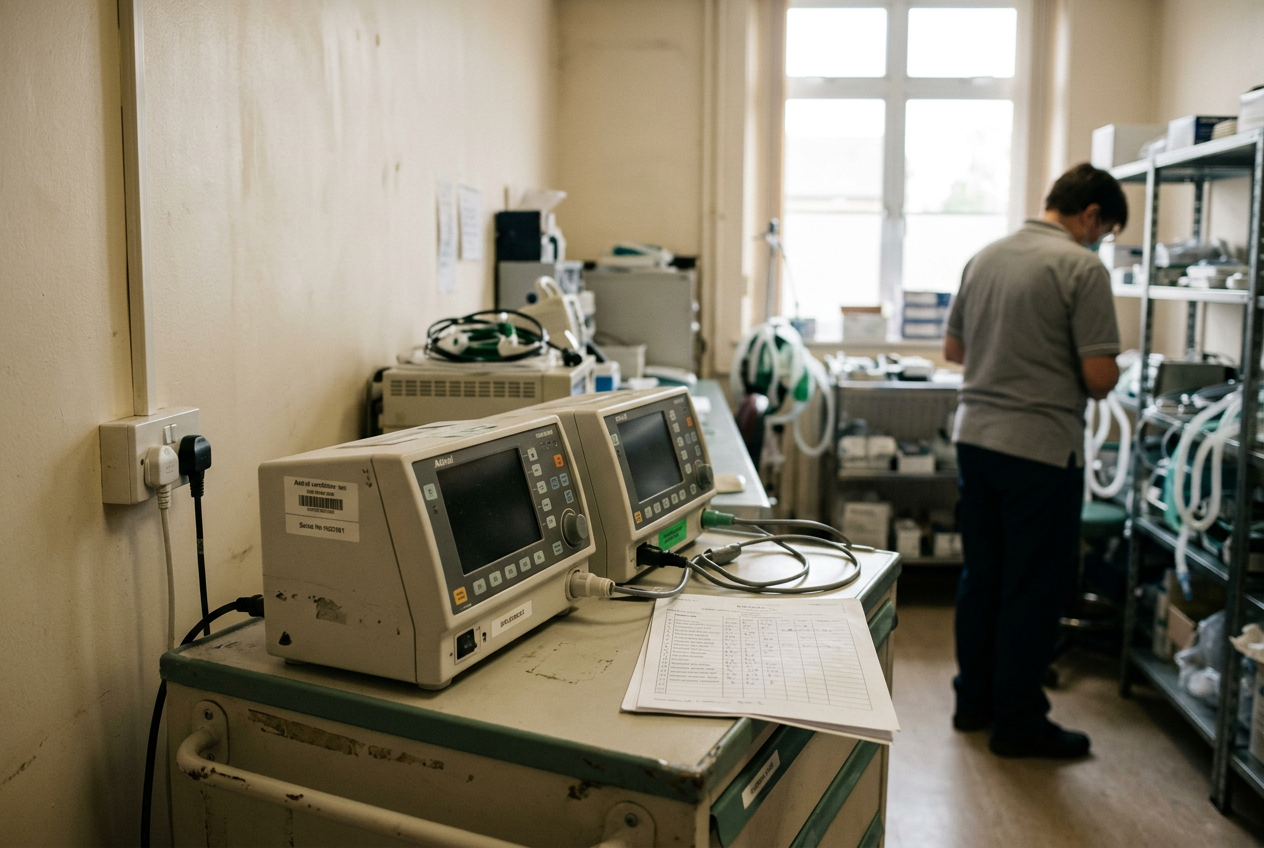
An FDA Class I recall covers Luna G3 APAP model LG3600 with specified firmware. Clinicians and suppliers need to identify exposed patients and protect continuity of positive airway pressure therapy.
 Written and medically reviewed byRayan SalihContributing writer · PharmD, RPh
September 25, 2026 · 6 min read

What the Class I recall covers
The FDA classified BMC Medical Co., Ltd.’s recall of the Luna G3 APAP model LG3600 with firmware G3.2.0076 as Class I, the agency’s most serious recall category. According to the FDA notice dated August 19, 2026, the firmware defect may prevent the device from working correctly, creating a risk for people who depend on positive airway pressure during sleep.
A Class I designation means there is a reasonable probability that use of, or exposure to, the affected product will cause serious adverse health consequences or death. It describes the potential severity of harm, not proof that every affected device has failed or that every person who used one experienced an interruption.
The immediate operational task is therefore narrower than finding every patient who has ever used a Luna device. Organizations need to determine who received or currently uses the LG3600 model, whether the unit has the firmware version named in the recall, and whether it was used during the relevant distribution or exposure period specified by the FDA and manufacturer.
Clinicians should not infer recall status from the brand name, machine appearance or treatment mode alone. Luna is a product family, while the FDA notice identifies a particular model and firmware combination. Model, firmware, serial number and distribution criteria should be checked against the recall notice and the manufacturer’s current instructions.
Building an exposure list
Durable medical equipment suppliers are likely to hold the most complete device-level records because they commonly document model and serial numbers at setup. Sleep centers, pulmonary practices, primary care clinics, health systems and payers may hold complementary information, including prescriptions, device downloads, remote-monitoring records, replacement history and messages about technical problems.
A practical search starts with structured equipment records for model LG3600. The resulting list can then be reconciled with firmware information and the affected identifiers or dates in the recall documentation. Records should distinguish current users from people whose devices were returned, replaced, transferred, lost or discontinued.
Remote-monitoring data may help identify gaps in recorded use, missing transmissions or unexpected changes in therapy data, but those findings are not proof of a firmware-related interruption. Connectivity failure, travel, mask intolerance, voluntary nonuse and other technical problems can produce similar patterns. Conversely, a device could be affected even if routine data appear normal.
The exposure list should capture enough information to support outreach and follow-up: patient contact details, prescribing clinician, supplier, device model, serial number, firmware version if available, last confirmed use, replacement status and any reported symptoms or alarms. Access should remain limited to staff performing recall response and care coordination.
Patients identified only through billing codes require device-level confirmation. A claim for automatic positive airway pressure therapy generally does not establish the manufacturer, model or firmware. Likewise, a prescription in the medical record may describe pressure settings without identifying the machine ultimately dispensed.
Communication and continuity of therapy
Patient communication should state what is known without implying that harm has already occurred. The essential points are that a particular Luna G3 APAP model and firmware are subject to an FDA Class I recall, the defect may interfere with correct operation, and device identifiers must be checked to determine whether an individual unit is covered.
Messages should also explain the next step clearly: which supplier, clinic or manufacturer contact will verify the device and how the patient will receive updated instructions. Outreach systems should document attempted calls, portal messages and letters, with escalation for people who cannot be reached.
A blanket message to stop positive airway pressure can create a separate clinical risk. Positive airway pressure is a standard treatment for obstructive sleep apnea, and abrupt loss of effective therapy may allow symptoms and sleep-disordered breathing to recur. The FDA recall notice and manufacturer’s corrective instructions should govern whether an affected unit is updated, repaired, replaced or removed from service.
Continuity planning should prioritize patients for whom interruption may have greater consequences. Relevant factors can include the severity of sleep apnea, marked daytime sleepiness, safety-sensitive work, use of PAP during hospitalization or recovery, coexisting cardiopulmonary disease, and reliance on assisted ventilation rather than routine APAP alone. These factors support clinical triage; they do not establish that the recalled device failed.
Clinicians can assess whether a patient reports the device stopping, failing to start, unexpectedly shutting down, producing unusual sounds or alerts, or no longer providing expected airflow. New morning headaches, worsening sleepiness, witnessed apneas or return of nocturnal symptoms may indicate ineffective therapy but are nonspecific. Urgent symptoms require clinical assessment rather than troubleshooting through routine recall outreach.
Replacement logistics deserve explicit ownership. Practices should know whether the supplier, manufacturer or another service partner is responsible for verification and corrective action. When a substitute device is arranged, the prescribed treatment mode and settings, humidification needs, mask compatibility and monitoring connection should be reconciled to reduce avoidable treatment gaps.
What the recall does not establish
The FDA notice identifies a potentially serious device problem; it is not a comparative clinical study. It does not, by itself, quantify an individual patient’s probability of therapy interruption or demonstrate that a reported symptom was caused by the firmware defect. No comparator group, effect estimate, confidence interval or defined clinical follow-up period is available from a recall action.
Public recall information may also lag local implementation. Device inventories, correction status and manufacturer instructions can change as the response proceeds. Health systems should retain the version and date of the notice used for each outreach round and repeat reconciliation when updated affected-product information becomes available.
Another limitation is incomplete device documentation. Firmware versions may be absent from electronic health records, while supplier files may not reflect patients who changed machines or obtained equipment elsewhere. These gaps can produce both missed cases and unnecessary outreach. Confirming identifiers directly is preferable to classifying exposure from diagnosis or billing data alone.
For policy and quality teams, useful measures include the number of potentially affected patients identified, the proportion with device status confirmed, time to first contact, time to corrective action, therapy-gap duration and unresolved cases. These process measures assess the recall response; they should not be presented as evidence of firmware-related clinical injury.
Questions clinicians ask
Does every Luna G3 device fall under the recall?
No. The FDA notice specifies the Luna G3 APAP model LG3600 with the identified firmware, not every device sold under the Luna name. Recall status should be confirmed using the model, firmware and any serial-number or distribution criteria in the current FDA and manufacturer documentation.
Should patients immediately stop using an affected device?
The recall’s Class I status warrants prompt action, but stopping PAP without a continuity plan may also carry risk. Clinicians should use the FDA and manufacturer instructions, assess the patient’s dependence on therapy and coordinate verification, correction or replacement with the responsible equipment supplier.
Can remote adherence data prove that therapy was interrupted?
No. Missing transmissions or reduced recorded use can flag records for review, but they are not specific to the firmware defect. Connectivity problems, travel, mask intolerance and voluntary nonuse can look similar, so device identifiers, patient reports and supplier findings remain necessary.
Which patients should receive the fastest follow-up?
Priority is reasonable for people reporting device stoppage or recurrent symptoms and for those with severe disease, major cardiopulmonary comorbidity, safety-sensitive responsibilities or limited therapeutic alternatives. Triage should accelerate confirmation and continuity planning without assuming that exposure caused clinical harm.
References
1. BMC Medical Co., Ltd. Recalls Luna G3 APAP Model LG3600 with Firmware G3.2.0076 Due to Firmware Defect — U.S. Food and Drug Administration, 2026 2. Medical Device Recalls — U.S. Food and Drug Administration, 2026 3. Sleep Apnea Treatment — National Heart, Lung, and Blood Institute, 2022
One story a day
The story of the day, in your inbox
One health journey each morning — no advice, no alarm, just company for the road.