Astral Ventilator Recall and Supercapacitor Failure Risk
Certain ResMed Astral 100 and 150 ventilators require correction because supercapacitor leakage may contribute to failure. Ventilator-dependent patients need prompt device checks and reliable backup plans.
 Written and medically reviewed byRayan SalihContributing writer · PharmD, RPh
September 25, 2026 · 6 min read
What changed
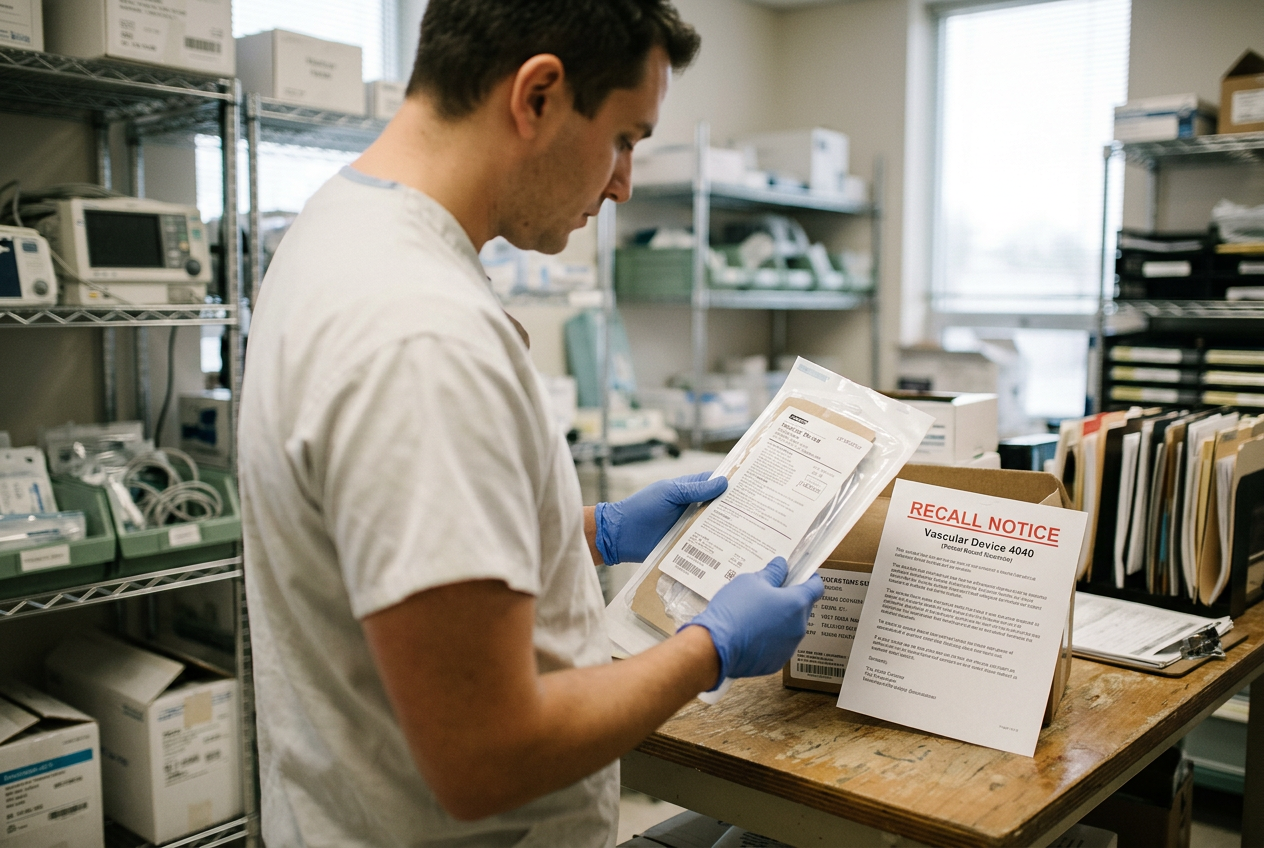
ResMed is correcting certain Astral 100 and Astral 150 ventilators because a supercapacitor may leak over time and contribute to device failure, according to an FDA communication dated July 31, 2026. The agency classified the action as a Class I recall, its most serious recall category.
That classification reflects the potential clinical consequences if an affected device fails; it does not, by itself, quantify how often failure will occur. For a person who depends continuously or extensively on mechanical ventilation, even an uncommon malfunction can become time-critical if an alternative ventilator or manual ventilation equipment is not immediately usable.
The word “recall” also does not necessarily mean every ventilator must be removed from use. FDA device recalls can involve inspection, repair, adjustment, relabeling or another correction. Clinicians and equipment providers should therefore distinguish the specific ResMed action from a blanket instruction to discontinue Astral ventilation.
The practical priorities are identification, continuity and communication. Organizations need to determine whether each Astral device is covered by the correction, complete the manufacturer’s specified action, and confirm that patients who cannot sustain spontaneous breathing have an individualized fallback if their primary ventilator stops working.
Which devices require attention
The communication applies to certain Astral 100 and Astral 150 ventilators, not automatically to every unit bearing either model name. Model alone is therefore an insufficient screen. Use the FDA notice and ResMed’s accompanying communication to verify the affected manufacturing or serial-number range and the correction required for each device.
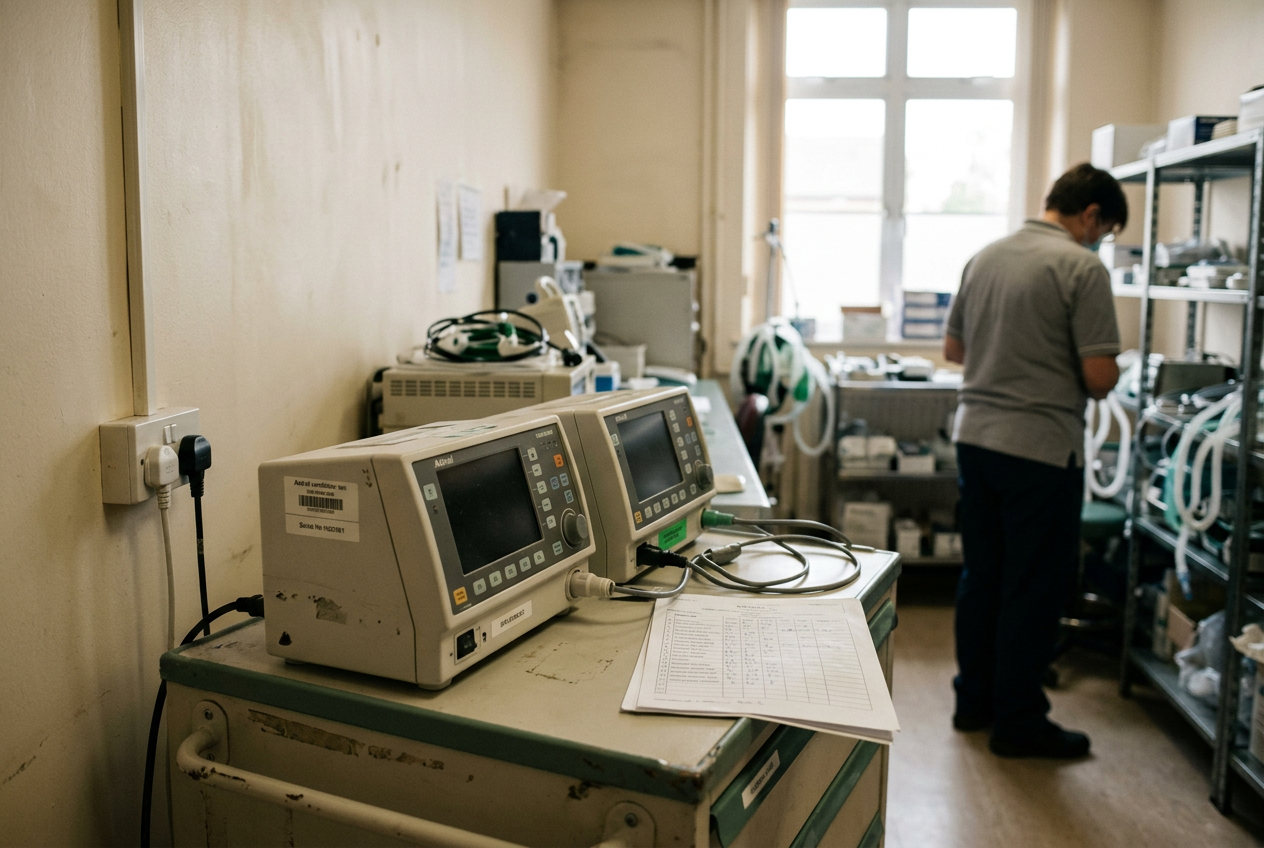
A reliable check should cover more than ventilators currently assigned to patients. Health systems, home medical equipment providers and respiratory programs may also hold devices in loan pools, transport kits, emergency stock, inpatient units, maintenance areas or warehouses. A single inventory linked to serial numbers can reduce the chance that an uncorrected unit later returns to service.
Documentation should show whether a device was reviewed, whether it falls within the affected population, what correction was completed and when it may be used again under the manufacturer’s instructions. If responsibility is divided among a prescriber, ventilation clinic, durable medical equipment supplier and home-care agency, one party should be clearly accountable for closing the loop.
No incidence estimate, denominator of distributed devices, time-to-failure analysis or comparative performance result is specified in the evidence summarized for this brief. The recall should not be interpreted as a clinical trial or population-level risk study. It is a regulatory safety action prompted by a potentially serious failure mode.
Protecting continuity of ventilation
Device verification should occur without creating a new hazard through abrupt interruption. A ventilator-dependent patient may need the affected unit until a corrected or replacement device is available, depending on the manufacturer’s directions and the clinical situation. Any transition should preserve the prescribed ventilation mode and settings and account for the patient’s interface, circuit, humidification, oxygen source and alarm needs.
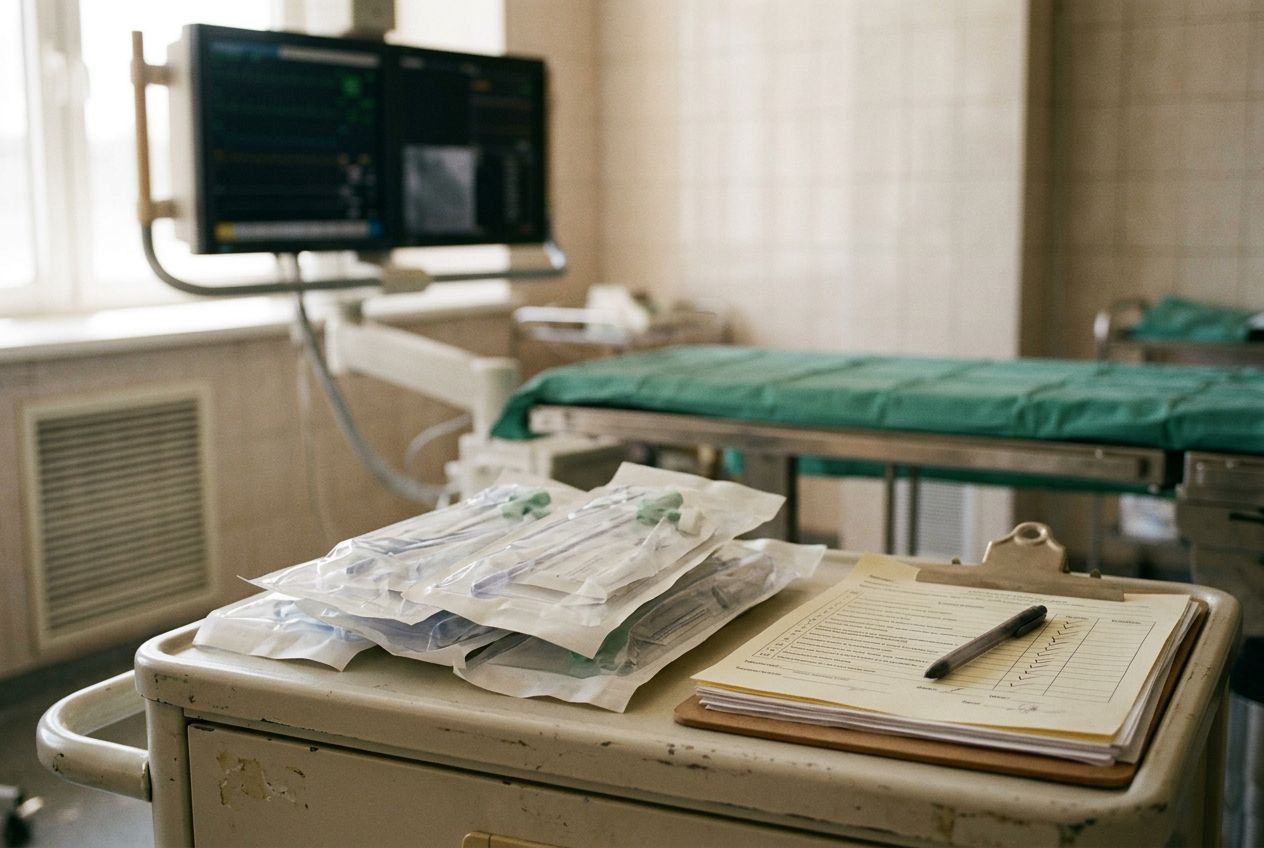
Backup planning needs to be operational rather than nominal. A second ventilator offers little protection if it is uncharged, incompatible with the circuit, stored elsewhere or unfamiliar to the caregiver expected to use it. Teams should confirm availability, readiness and accessibility, as well as a power-outage plan and an appropriate method of temporary manual ventilation when clinically indicated.
The plan should also reflect how rapidly the individual could deteriorate. Risk is different for a person using nocturnal noninvasive ventilation who can breathe independently while awake than for someone with little or no capacity for spontaneous ventilation. Dependence, comorbid respiratory failure, distance from emergency services and caregiver availability all shape the required response.
Alarm education remains important, but an alarm cannot be assumed to precede every possible failure. Patients and caregivers should know the locally agreed steps for unexpected ventilator malfunction: assess the patient first, move to the established backup method, call emergency services when ventilation cannot be maintained, and contact the equipment provider or clinical team after securing immediate safety.
Communication without unnecessary disruption
Messages should identify the affected models while emphasizing that only specified devices require the correction. Patients and caregivers need a direct way to confirm a serial number, learn whether their unit is included and arrange the correction without navigating multiple organizations.
Communication is most useful when it separates urgent clinical warning signs from administrative follow-up. New breathlessness, cyanosis, altered consciousness, inadequate ventilation or inability to maintain prescribed support requires an emergency response. A recall letter received while a ventilator is functioning normally still warrants prompt follow-up, but it does not justify disconnecting a dependent patient without an alternative.
For long-term ventilation programs, document outreach rather than infer it from a mailed notice. Higher-priority contact may be warranted for continuously ventilated patients, people living alone, households without a confirmed backup device, and those in remote settings. Accessible language, interpretation, and disability-adapted communication are part of an effective correction process.
Policymakers and service leaders should also watch for replacement bottlenecks. If many devices require attention at once, limited loan equipment, respiratory therapist capacity or transport support could delay completion. A risk-stratified schedule can prioritize those for whom device failure would have the most immediate consequences while maintaining a traceable process for every affected unit.
What the evidence does not establish
The FDA classification establishes the seriousness of the potential outcome, not the probability that any individual ventilator will fail. The available regulatory information does not support a numerical estimate of absolute risk, a prediction based only on device age or a conclusion that all Astral 100 and 150 ventilators are unsafe.
Important unknowns include how frequently leakage occurs, how risk changes over time, whether warning signs reliably precede failure and how rapidly the correction can be completed across home-care systems. Device-specific instructions may also change as the manufacturer and FDA update the action. Clinicians and suppliers should use the current FDA communication rather than archived summaries or social-media reports.
The evidence base has the limitations typical of a recall notice. It is a safety communication rather than a controlled study, and the supplied information does not provide a comparator, confidence interval, follow-up period or detailed patient outcomes. Those gaps limit risk quantification but do not remove the need to protect patients from interruption of life-sustaining ventilation.
Questions clinicians ask
Should every Astral 100 or 150 ventilator be taken out of service?
No. The correction concerns certain devices, and an FDA recall may involve an in-place correction rather than removal. Check the device identifiers against the current FDA and manufacturer instructions, and do not interrupt ventilation for a dependent patient unless a clinically suitable alternative is ready.
What should be checked first for a home-ventilated patient?
Confirm whether the primary and backup ventilators are affected, then verify that the backup is charged, compatible, accessible and familiar to the caregiver. The review should also cover emergency contacts, power loss, circuits, interfaces and the patient-specific threshold for calling emergency medical services.
Does a Class I recall mean device failure is likely?
Not necessarily. Class I describes a situation in which use of or exposure to the device has a reasonable probability of causing serious adverse health consequences or death. It communicates potential severity; it does not provide an individual failure probability or establish that every covered device will malfunction.
What should patients be told while arranging a correction?
Explain the reason for the correction, whether their serial number is affected, who will provide the remedy and how ventilation will be maintained. They should not disconnect a functioning life-sustaining ventilator without an alternative, but unexpected loss of support or signs of inadequate ventilation require immediate use of the emergency plan.
References
1. Ventilator Correction: ResMed Issues Correction for Astral Ventilator — U.S. Food and Drug Administration, 2026 2. Recalls, Corrections and Removals (Devices) — U.S. Food and Drug Administration, n.d. 3. Medical Device Recalls — U.S. Food and Drug Administration, n.d.
One story a day
The story of the day, in your inbox
One health journey each morning — no advice, no alarm, just company for the road.