Pulse Biosciences Highlights Promising PFA Results for AFib Treatment at HRS 2026
Pulse Biosciences took center stage at the 2026 Heart Rhythm Society meeting by unveiling very positive early results
 Written and medically reviewed byDr. Abu BakarContributing writer · PharmD, PhD (Pharmacology)
May 17, 2026 · 9 min read
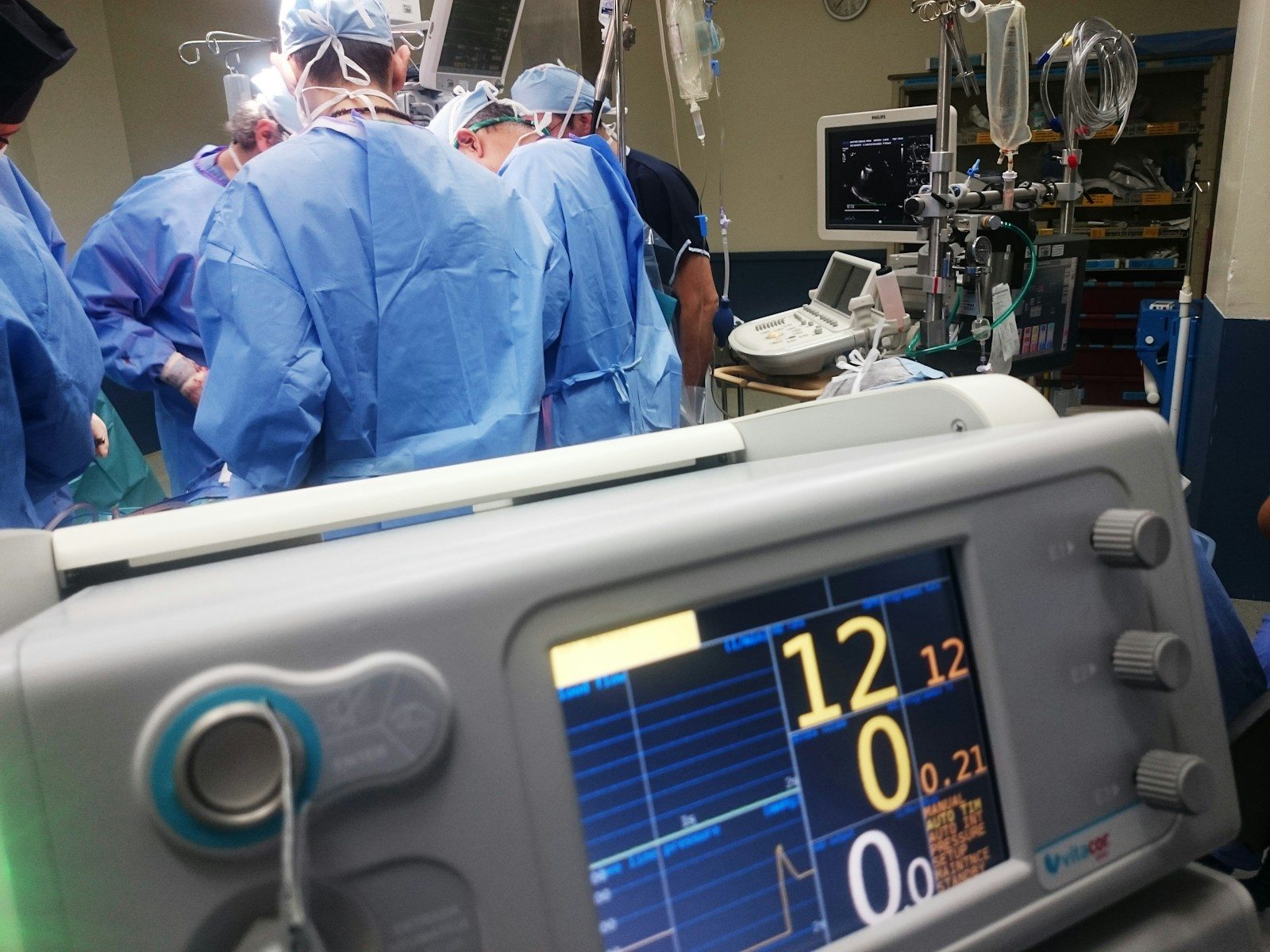
Pulse Biosciences took center stage at the 2026 Heart Rhythm Society meeting by unveiling very positive early results for its nPulse pulsed-field ablation (PFA) catheter. The small first in human study showed that nearly all treated patients had durable pulmonary vein isolation out to one year, and about 90% remained free of atrial arrhythmias at 12 months, with only a 1–2% rate of serious device related events. These findings grabbed attention because AFib care is rapidly moving toward faster, non-thermal ablation methods. Instead of the long point by point burns or freezing used today, PFA promises to zap the heart tissue quickly and safely, potentially making procedures simpler and reducing collateral damage to structures like the esophagus or phrenic nerve
Why It Matters
Atrial Fibrillation (Afib) is the most prevalent cardiac arrhythmia and one of the major indications for doing catheter ablations. Conventional methods of ablation involved creation of lesions in isolation of the pulmonary veins through radiofrequency (heat) or cryoablation (cold). This approach is reliable, but complicated. The ablation catheter has to be positioned to numerous locations in and around the veins, sometimes using balloons or multipolar catheters. Moreover, lesions are layered up and built into a lesion ring around the veins. It should also be noted that throughout the entire ablation process, the team needs to prevent possible complications like injuries to esophagus or nerves.
Pulsed Field Ablation (PFA), on the other hand, works entirely differently. This procedure involves very short and powerful electrical impulses (in the range of nanoseconds) to create pores in the heart cells’ membrane. As a result, electroporation destroys the heart’s muscle cells without producing any significant amount of heat or cold. Practically speaking, it is possible to deliver the impulse to the entire periphery of the vein at once rather than several times, as was done in conventional radiofrequency ablation. According to the Heart Rhythm Society, PFA was implemented astonishingly rapidly,with hundreds of thousands of AF ablations carried out using PFA technique worldwide. Studies show that this procedure is equally effective to the old-fashioned RF ablation, though with an added advantage of less tissue damage.
The new data matter for two reasons. First is efficacy: durable pulmonary vein isolation is the “north star” for successful AFib ablation. In Pulse’s study, 96% of patients still had all veins successfully isolated at one year. A Kaplan-Meier estimate showed 90% freedom from any atrial arrhythmia at 12 months. In other words, almost all patients stayed in normal rhythm. Early industry data and registries (like the 17,000-patient MANIFEST-17K report) show similarly high success with PFA and virtually no esophageal or pulmonary vein narrowing complications. Those results hint that PFA could combine strong effectiveness with an excellent safety profile
Second is efficiency: electrophysiology labs are under pressure to do cases quickly and predictably. PFA procedures have been markedly faster in practice. For example, one real-world study found average skin-to-skin time for a PFA pulmonary vein isolation was ~68 minutes – roughly 20–30 minutes shorter than similar procedures with cryoballoon or radiofrequency catheters. Pulse’s own data showed mean total procedure time around 60 minutes with the nPulse device. Shorter, reproducible workflows can improve lab throughput and reduce staff fatigue. If one five-second energy application can create a full circular lesion reliably, it changes scheduling and staffing: more cases can fit into a day, and fewer doctors and techs may be needed per procedure.
Together, solid one-year efficacy and faster cases could make PFA very appealing. Clinicians and the industry have noticed. Even analysts say PFA is poised to become a standard treatment. But this report is an early step. It suggests PFA might deliver the best of both worlds – durable lesions and efficient procedures – but the AFib community will watch for more data before calling it a game-changer.
Who It Affects
Patients with AFib stand to benefit first. For someone suffering palpitations, fatigue or heart failure symptoms from AFib, a quicker ablation with fewer side effects would be welcome. Pulsed-field ablation is already being used in patients who are resistant to drugs and have paroxysmal (intermittent) AFib. If durability holds up, these patients might need fewer repeat procedures and have a quicker recovery. That said, patient selection is still key. Not all AFib cases are the same. Patients with persistent or long-standing AFib often need extra lesion lines (e.g., posterior wall or mitral isthmus) beyond pulmonary vein isolation. It’s still unknown how a single-shot PFA tool will handle those complex patterns. Right now, PFA experience is strongest in paroxysmal AF, so doctors will likely weigh factors like AF type, underlying heart disease, and anatomy when deciding who is a good candidate. Shared decision-making is important: patients should be told that PFA promises faster, possibly safer procedures, but the long-term outcome data are still maturing.
Clinicians and EP lab teams will need to adapt. PFA changes the ablation choreography. Catheter positioning and energy delivery are different from RF or cryo. For one, nearly all PFA procedures require general anesthesia, because the high-voltage pulses can cause strong muscle contractions. (In one UK study, 100% of PFA cases used full anesthesia versus sedation in fewer cryo cases.) Teams will need training on the specific nPulse workflow .For example, inflating a compliant circular catheter, delivering a 5-second pulse to each vein, and verifying isolation with specialized mapping. The Heart Rhythm Society emphasizes that every new ablation system has a learning curve. Doctors must also learn to watch for PFA’s unique risks. While PFA virtually eliminates some classic problems (no esophageal burns or pulmonary vein stenosis have been reported in large series), it can cause other issues. These include transient coronary artery spasm or hemolysis in very rare cases. Medical staff will need to know how to prevent and quickly treat those events – for example, using nitroglycerin if spasm occurs. Importantly, imaging and mapping workflows may simplify; teams might spend less time mapping the veins if the device can perform a reliable single-shot isolation. Lab directors will find that shorter cases could ease scheduling bottlenecks, but they may also require rethinking staffing models. Nurses, technicians and anesthesiologists will all need education on PFA specifics, simulation practice, and possibly proctorship from experienced centers before flying solo with the new device.
Health systems and payers are another key group. Devices like the nPulse involve capital acquisition, disposable costs and later reimbursement negotiations. Insurers and hospital procurement officers will ask whether the technology reduces downstream costs through fewer repeat procedures, shorter hospital stays or fewer complications. Those economic questions will shape adoption as much as the clinical data do.
What Changes
- Simplified workflow: PFA devices like nPulse are built to create a full circular lesion with just one brief energy delivery per vein. In practice, this can drastically cut procedure time and steps. For example, one study reported average “skin-to-skin” time of about 68 minutes for PFA cases versus nearly 90 minutes for RF or cryo cases. Fewer applications and rotations mean less X-ray/fluoro time as well (some operators report under 10 minutes of fluoroscopy on average). Shorter, more consistent case durations can improve lab throughput and reduce patient anesthesia time.
- Safety profile shifts: By avoiding heat or extreme cold, PFA may dramatically reduce certain collateral injuries. Notably, large registries (e.g. MANIFEST-17K) found zero esophageal injuries or pulmonary vein stenosis after PFA, complications that are rare but serious with thermal ablation. Persistent phrenic nerve palsy was also essentially absent (only transient issues occurred in about 0.06% of cases). On the flip side, clinicians must watch for new PFA-specific issues. Some cases of coronary artery spasm or transient arrhythmias have been seen, especially if many pulses are used on complex lesion sets. There is also a risk of hemolysis (red blood cell breakdown) if too much energy is delivered at once. EP teams will need protocols to monitor and quickly address these effects (such as having vasodilators ready for spasm). Overall, experts note that PFA’s safety profile is favorable, but it is not risk-free – understanding these differences is critical before widespread use
- Costs and reimbursement: Hospitals and insurers will scrutinize the economics of adopting PFA. On one hand, faster cases and fewer complications could save money. On the other hand, the nPulse catheter and generator are specialized, which drives up supply costs. One cost analysis showed that even though PFA reduced lab time and staffing needs, the overall case cost was still higher than RF or cryo because of the expensive single-use catheters. Payers will likely require evidence that any higher procedure cost is offset by better long-term outcomes (like fewer repeat procedures or shorter hospital stays). Hospital budgets and procedure coding will have to adjust, and health systems may want to see more data on quality-adjusted life years and patient satisfaction before writing large checks.
- Robust evidence and comparisons: Finally, widespread PFA use will hinge on continued data collection. The EP community is clear that we need more than small feasibility studies – we need registries and randomized trials comparing PFA head-to-head with RF or cryo. Already, the HRS/EHRA scientific statement stresses the importance of learning each system’s nuances and sharing data transparently. As more PFA devices come out, each with slightly different catheter designs and energy waveforms, comparative studies will help doctors choose the right tool. Long-term follow-up data will be essential to confirm the promising short-term results. In practice, labs may start offering PFA in a controlled way (with proctors and data reporting) while continuing to offer standard ablation in parallel, until the evidence clearly supports one approach over the other.
Overall, the early Pulse Biosciences findings are encouraging but not definitive. The 12-month durability and efficiency seen so far exceed expectations for a first-in-human study. However, this is still a relatively small feasibility cohort from high-volume centers. The true test will be real-world results as PFA spreads: will community hospitals see the same success rates? Will insurance coverage limit or broaden use? Will rare complications emerge over time? For now, doctors should stay cautiously optimistic. The new PFA data certainly add to the excitement, but responsible practice means continuing to compare PFA with established methods. That includes enrolling patients in studies when possible, reporting outcomes to registries, and keeping patients fully informed about the benefits and uncertainties. If future trials confirm durable, safe outcomes with lower costs of care, pulsed field ablation could become a mainstream option. Until then, the field will watch Pulse’s progress and that of its competitors closely – ready to adapt if this technology lives up to its promise, but grounded in careful evidence-based decision-making.
References
- Pulse Biosciences, Inc. Pulse Biosciences Presents Positive Outcomes in Late-Breaking Updated Data from nPulse™ Cardiac Catheter System at Heart Rhythm 2026. Business Wire. 2026.https://www.businesswire.com/news/home/20260425875774
- Ekanem E, Neuzil P, Reichlin T, et al. Safety of pulsed field ablation in more than 17,000 patients with atrial fibrillation in the MANIFEST-17K study. Nature Medicine. 2024.https://www.nature.com/articles/s41591-024-03114-3
- Kühne M, Badertscher P, Andrade JG, et al. Pulsed Field Ablation for the Interventional Treatment of Atrial Fibrillation: A Scientific Statement of the EHRA (ESC), HRS, APHRS, LAHRS and CHRS. EP Europace. 2026 https://academic.oup.com/europace/advance-article/doi/10.1093/europace/euag080/8651392
- Yogarajah J, Hutter J, Kahle P, et al. Initial Real-World Experiences of Pulmonary Vein Isolation and Ablation of Non-Pulmonary Vein Sites Using a Novel Circular Array Pulsed Field Ablation Catheter. Journal of Clinical Medicine. 2024. https://pmc.ncbi.nlm.nih.gov/articles/PMC11594633
One story a day
The story of the day, in your inbox
One health journey each morning — no advice, no alarm, just company for the road.