Safety and Adherence of Biologic Treatment in Elderly Psoriasis Patients
The safety and adherence of biologic therapy in elderly patients with psoriasis is discussed.
 Written and medically reviewed byRayan SalihContributing writer · PharmD, RPh
February 23, 2026 · 2 min read
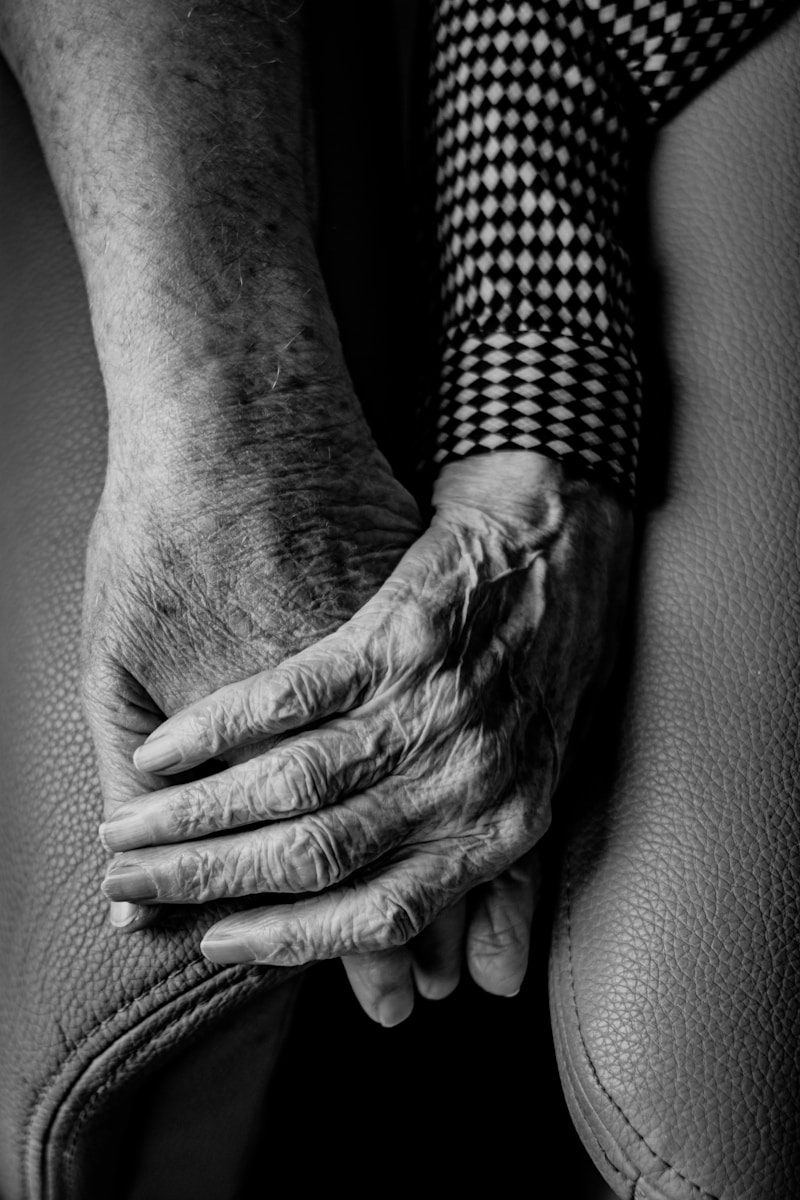
The safety and adherence of biologic therapy in elderly patients with psoriasis is discussed. The numbers of elderly patients with psoriasis are rapidly increasing and, accordingly, an increasing number of these patients are being treated with biologic agents; many of these patients will have medical comorbidities that will affect their ability to safely and adherently complete treatment.
Biologic agents have been shown to be effective for psoriasis in patients aged 65 years and older. To assess the effectiveness of these agents, a tertiary-center cohort study was conducted of 164 elderly patients with psoriasis who had started biologic therapy. Patients had severe, long-standing psoriasis and, on average, two comorbid conditions. Mean PASI was 14.5 at baseline and 0.83 at 1 year.
Why It Matters
There are millions of patients worldwide afflicted with the chronic skin condition Psoriasis. A large percentage of these patients are elderly, for whom this condition significantly impairs their quality of life. The treatment recommendations for Psoriasis have undergone drastic changes with the emergence of biologic agents which target various components of the immune system and have demonstrated efficacy in all age groups. However, concerns about safety and adherence in elderly patients with psoriasis are real, particularly because most of them are on other medications for their comorbidities and are therefore, more vulnerable to develop any adverse effects.
Understanding Safety Concerns
The safety issues of the biologics can’t be ignored. Advanced age places patients with psoriasis at greater risk of serious infection and malignancy. Many older patients may require assistance with medication, dressing and for scheduling and attending office visits due to physical limitations or cognitive impairments. As the number of older patients with psoriasis rises, it is necessary to better understand these issues as they affect the treatment of psoriasis. It also is necessary to improve patient education and support as well as the health care systems that treat this age group in order to ensure that patients can take their prescribed medication properly and receive proper care.
While data on the use of biologic agents in elderly patients are scarce, available reports suggest a good tolerance, but with possible adverse events. Adverse events were observed in 39.5% of the patients in this study. Most (27.9%) were infections. Serious life-threatening/toxic events resulting in discontinuation of the drugs studied were uncommon. An incidence of 7% of malignancies while on biologic agents warrants age appropriate cancer screening and long-term followup.
While the initial stage of rheumatoid arthritis therapy is paramount for elderly patients with the condition, it is equally important for them to continue taking their medications as prescribed on an ongoing basis. In a new study, 19% of elderly patients reported interruptions in their therapy due to reasons such as noncompliance, transportation difficulties or other health issues. Nearly one in five patients required assistance during visits to their doctor’s office or hospital, and more than 44% of patients needed help administering their biologic medications. The data reflect a host of issues faced by patients and their physicians.
Previous Research – Safety Outcomes & Adherence
Objectives: To evaluate elderly psoriasis patients ≥65 years of age who received biologic therapy in a real-world clinical setting.
One story a day
The story of the day, in your inbox
One health journey each morning — no advice, no alarm, just company for the road.