Accurate Diagnosis of Psoriasis: Essential Clinical Insights
Psoriasis is a skin condition suffered by 7.5 million Americans.
 Written and medically reviewed byDr. Abu BakarContributing writer · PharmD, PhD (Pharmacology)
February 20, 2026 · 8 min read
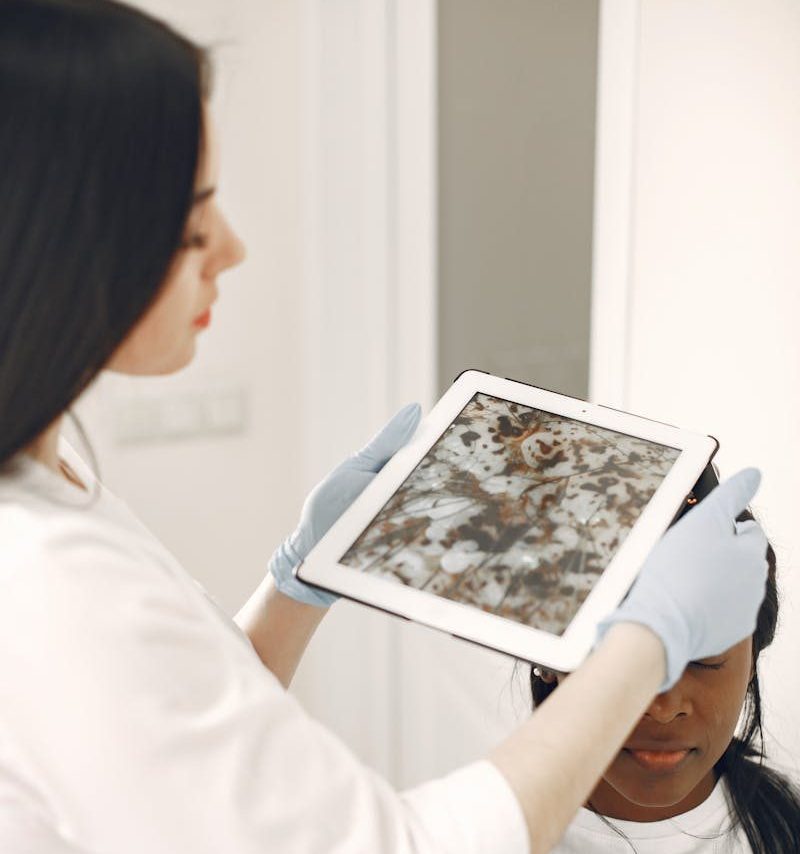
Psoriasis is a skin condition suffered by 7.5 million Americans. They experience lesions of persistent red, itchy, scaly patches on their skin. With new products entering the market, correct diagnosis has never been more important—and for some even misdiagnosis had been a common occurrence.
Why it matters
Accurate diagnosis of psoriasis is important to ensure safe and effective treatment of patients. Psoriasis is a major systemic inflammatory condition which is not just confined to the skin. An accurate diagnosis allows clinicians to target an individual patient’s immune pathway and use evidence-based treatment to reduce inflammation and associated symptoms systemically and topically. Misdiagnosis, delay in diagnosis and misinterpretation of other skin diseases can lead to inappropriate treatment, which may even be harmful to the patient. For example, topical steroids, which are powerful medications, can exacerbate a fungal infection and prevent patients from receiving appropriate antifungal treatment in a timely manner. Accurate classification and assessment of the severity of psoriasis is critical in directing treatment decisions between topical agents, phototherapy, systemic medications, and biologic agents. Accurate initial diagnosis of psoriasis guides subsequent treatment decisions. Moreover, individuals with psoriasis and their physicians should be aware of their increased risk of metabolic syndrome and other metabolic features (obesity, insulin resistance, dyslipidemia, hypertension) and associated long-term health risks (cardiovascular disease). The recognition of psoriasis also should prompt assessment of basic metabolic parameters and inclusion of general health counseling in the care of patients with psoriasis. In some cases, joint management with primary care physicians or cardiologists may be indicated. Treating these medical conditions early in a patient’s life can reduce their lifetime risk. As we approach skin care from a whole person perspective, early detection and treatment of these conditions is critical.
As medical treatment of psoriasis has evolved, there is an increasing recognition of the importance of early detection of joint involvement in patients with psoriasis. A significant percentage of patients with psoriasis will develop psoriatic arthritis, which can cause pain and swelling of joints and potentially lead to serious joint damage and even long term disability if left untreated. Early arthritis can be subtle and therefore easy to miss unless the physician makes specific inquiries and uses a brief validated screening tool. Early referral to a rheumatologist and the initiation of disease modifying therapy can prevent serious joint damage. There is a window of opportunity to prevent disability in persons with severe skin diseases such as psoriasis by ensuring accurate dermatologic diagnosis, and concomitantly conducting routine joint screenings. Accurate dermatologic diagnosis is important. Accurate dermatologic diagnosis in conjunction with routine joint screening can help a patient not miss this window. Accurate diagnosis is also important for the mental and social implications of psoriasis can have severe and lasting effects on a patient’s physical, emotional, and social well-being. A visible skin disease is often stigmatized and can affect a person’s self-esteem, daily activities at home and in the workplace, and even has been linked with higher rates of anxiety and depression. Labeling the condition of a patient and their family members with a clear and concise diagnosis, developing a treatment plan, and educating them regarding the disease and its treatment will help the uncertainty and helplessness of not knowing what is wrong to give way to patient and family empowerment and control. Validating the patient’s and their family’s experiences, as well as explaining the disease process and its treatment in a clear, understandable manner, while expressing realistic treatment expectations, will facilitate patients’ and their families’ adherence to treatment and supportive self care. Our goal is to improve quality of life and to reduce the burden on health care systems.
Who it affects
Psoriasis is a very common condition and can affect people of all ages and both sexes from many different ethnic backgrounds. It is currently estimated to affect over 30 million people worldwide and can have a significant impact on quality of life, ranging from those with relatively minor lesions to those with more widespread generalised skin involvement. In people with skin of colour the lesions are typically less visible and need a higher clinical index of suspicion. Complete thickness skin lesions are often visible on all skin colors and should NOT be missed. In the older patient the atypical appearance and thin skin can obscure the more typical lesions. In children there are unique patterns of involvement eg greater involvement of the face or diaper area. Knowledge of these variations allows the clinician to diagnose in all ages. The primary care clinician is the most common healthers’ first point of contact with the health care system and early detection of this important disease is in their hands. On identification of psoriasis by primary care practitioners patients and their families should be informed of treatment options, documented and advised about psoriasis. Primary care practitioners should consider whether or not their patients could benefit from topical therapy and assess for signs of joint and/or cardiometabolic disease. Early recognition of psoriasis by primary care physicians can decrease specialist wait time by ensuring only those patients who require specialist assessment for consideration for advanced therapies or diagnostic uncertainty are referred. The use of teledermatology and virtual triage has been described in the literature to enhance access to and care of patients with skin disease, to expedite the triaging of referrals and to decrease wait time to initial evaluation, particularly when in-person specialist dermatology evaluation is not immediately possible. While there are certain limitations with teledermatology in terms of diagnosis of certain diagnostic dilemmas and biopsy indications, clear referral pathways to a specialist in dermatology need to be established for questionable or more severe cases. Although the role of primary care in the management of psoriasis continues to evolve, patients with complicated cases will always require evaluation and management by a specialist in dermatology. Rheumatologists are health care professionals that need to be involved when joint symptoms are present. A multidisciplinary team of health care professionals including dermatologists, rheumatologists, general practitioners, mental health professionals and allied health professionals such as dietitians form a multidisciplinary team that can provide a very effective approach to managing people with psoriasis and psoriatic arthritis. In health care systems where this model is adopted, people with psoriasis are more likely to have their systemic condition managed as opposed to being managed as a skin condition. Family, employers and schools can all be affected by a child or adolescent with undiagnosed or poorly managed psoriasis, with the child missing school and experiencing social isolation. For adults who are ill, workplace disability and decreased productivity may result. For children who are ill and their families, significant stress and burden related to treatment and clinic visits may occur. Family members and/or caregivers are often called to assume the responsibility of caring for a child with illness. Adults who care for children with illness may also experience stress and burden. Clinicians and patients must be educated regarding potential delay or misdiagnosis and its long term health and societal costs. Public health planners must consider these costs when planning for multidisciplinary assessment and care for vulnerable populations to reduce long term health and societal costs of missed or undertreated illness.
- To reduce misdiagnosis and improve outcomes, health services should adopt a set of practical changes that are feasible in routine clinical settings. First, training must emphasize practical bedside skills that improve diagnostic accuracy. Teach clinicians to take focused histories that ask about family history, prior similar eruptions, triggers such as infections or new medications, and joint symptoms. Physical exam teaching should stress distribution patterns, scale characteristics, nail signs, and the significance of lesion symmetry or the Koebner phenomenon. When clinical uncertainty remains, simple adjuncts such as potassium hydroxide skin scrapings to exclude tinea, targeted cultures, or a short punch biopsy can clarify the diagnosis. Routine use of these basic tools avoids prolonged empirical therapy and reduces the risk of inappropriate steroid use for infectious mimics.
- Second, implement standardized comorbidity screening whenever psoriasis is diagnosed. Set simple clinic workflows that measure body mass index and blood pressure, order baseline lipid and glucose testing when indicated, and include brief validated questionnaires for mood and joint symptoms. Use electronic medical record prompts to remind clinicians about these checks and to document follow up plans. When screening identifies abnormalities, create fast referral pathways to primary care, endocrinology, cardiology, or mental health. Coordinated care saves resources by managing cardiovascular risk early and by treating comorbid conditions that otherwise worsen psoriasis control.
- Third, improve access to specialist support through teledermatology and shared care models. Teletriage can allow dermatologists to prioritize urgent referrals and permit many patients to be managed effectively in primary care with remote guidance. For regions with limited dermatology services, scheduled teleconsultations, asynchronous image review, and clear treatment templates empower local clinicians to start evidence based therapy while waiting for specialist input. Telehealth should be coupled with training on how to capture high quality images and when to escalate to in-person assessment or biopsy.
- Fourth, integrate patient education and self management into every visit. Provide clear, concise information about disease chronicity, common triggers, realistic treatment goals, and simple skincare routines. Encourage lifestyle changes that reduce comorbidity risk such as weight management, smoking cessation, and alcohol moderation. Use visual aids that represent a range of skin tones so all patients can identify how psoriasis may appear on their skin. Promote patient reported outcome measures to track quality of life and treatment response. Engaged, informed patients adhere better and report higher satisfaction with care.
- Fifth, strengthen screening for psoriatic arthritis with validated tools. Short questionnaires such as PEST can be administered in clinic or electronically to detect early joint symptoms and trigger rheumatology referral. Early detection of arthritic involvement allows prompt initiation of therapies that prevent joint erosion and disability. Document screening results and follow up plans in the medical record so joint concerns are tracked over time rather than overlooked at a single visit.
- Sixth, collect local data and monitor improvements. Simple quality metrics to track include time from first presentation to correct diagnosis, rate of comorbidity screening completion, referral times to dermatology and rheumatology, and patient reported outcome trends. Regular audit and feedback using these measures identifies gaps and guides targeted education or workflow changes. Small, pragmatic quality improvement cycles can yield rapid, measurable gains in diagnostic accuracy and patient outcomes.
- Seventh, ensure equity in care. Tailor training and educational materials to reflect varied skin tones, and design outreach programs to reach communities with limited access to specialty care. Consider mobile clinics, community screening, and partnerships with primary care networks to reduce diagnostic delay in underserved areas. By making these practical changes at the clinic and system level, providers can reduce misdiagnosis, start effective treatment earlier, and manage the broader health risks associated with psoriasis. These steps improve patient experience, reduce avoidable complications, and align dermatologic care with general medical priorities.
What changes
One story a day
The story of the day, in your inbox
One health journey each morning — no advice, no alarm, just company for the road.