Smartphone Assessment of Daytime Insomnia Symptoms With Suvorexant
Using smartphone ecological momentary assessment (EMA) to collect daytime symptom reports of insomnia, including time-of-day variation, that are
 Written and medically reviewed byDr. Abu BakarContributing writer · PharmD, PhD (Pharmacology)
February 22, 2026 · 9 min read
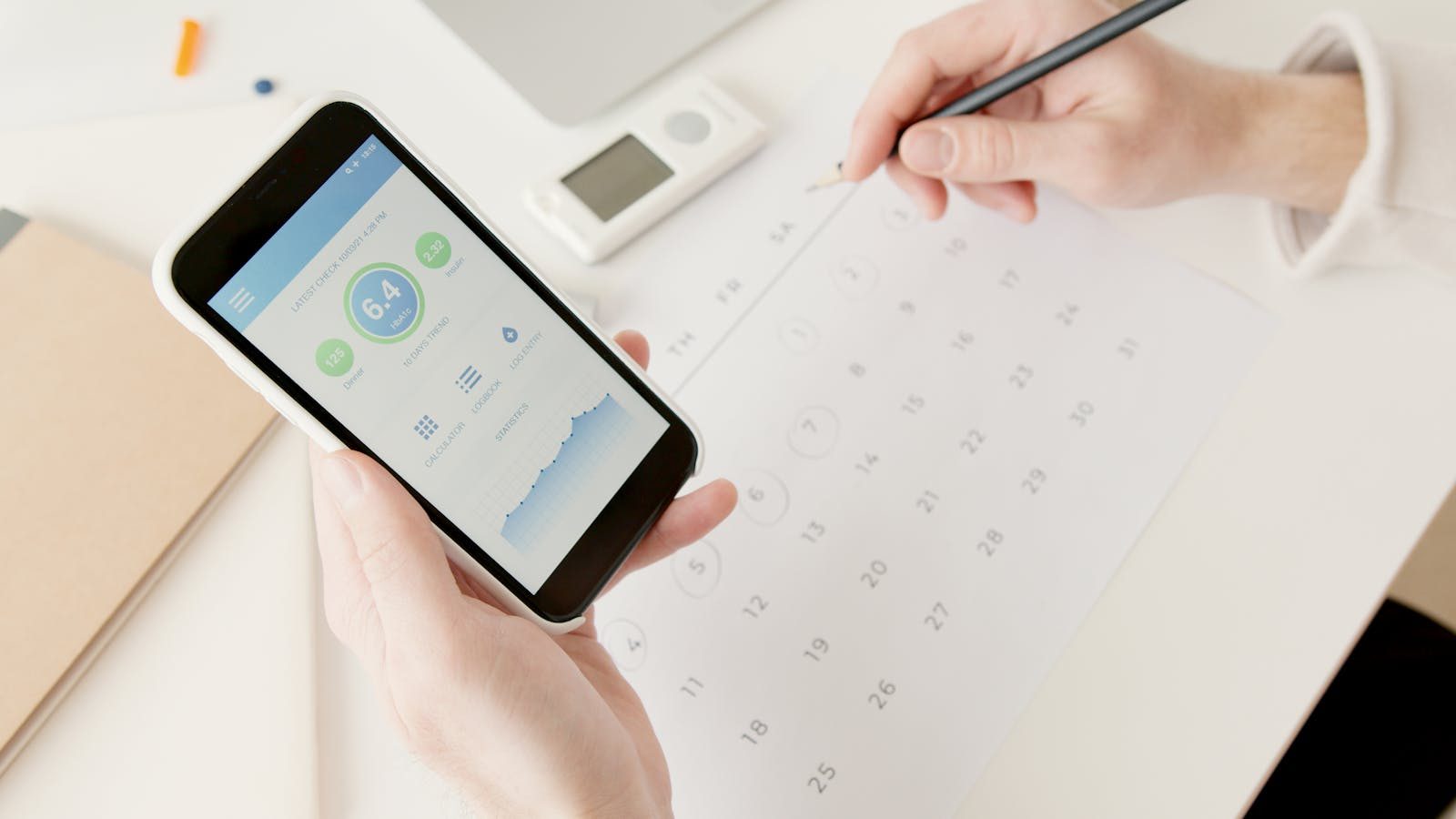
Using smartphone ecological momentary assessment (EMA) to collect daytime symptom reports of insomnia, including time-of-day variation, that are not captured by self-reported retrospective questionnaires, such as sleep questionnaires, can help clinicians and researchers monitor the benefits and potential harms of insomnia treatments in both routine clinical practice and clinical trials. We report findings from a randomized clinical trial in older adults with insomnia in which participants completed smartphone EMA reports of nighttime sleep and daytime fatigue and cognitive alertness each waking hour, in addition to completing daily sleep diaries. Compared with placebo, suvorexant reduced fatigue and increased cognitive alertness in the morning and afternoon but not at bedtime. These findings suggest that EMA is a feasible, adequate, and sensitive method to assess sleep and daytime symptoms and may be a useful additional outcome measure in future insomnia research.
Why It Matters
Insomnia and sleep and wakefulness and sleepiness problems that interfere with the individual’s life including daytime functioning (fatigue, cognitive dysfunction, and disturbances in mood) are discussed. Outcome measures of insomnia and its treatments rely on the individual’s report of sleep and daytime sleepiness using either retrospective sleep diaries or assessment in the clinical setting using a short questionnaire or cognitive test. However, there are significant limitations of these approaches because they obtain limited information of the individual’s functioning for insomnia. Using the smartphone as a real-time assessment tool overcomes many of these limitations by providing an assessment method that reduces the impact of recall bias and can significantly increase the temporal resolution with which psychological symptoms that vary during the day are assessed. In addition to helping to overcome limitations of traditional approaches to assessing insomnia, assessing momentary psychological states of insomnia individuals using their smartphone as a portable sensor provides information on variables that are most important to the individual such as their level of sleepiness in the morning (alertness) compared to the late afternoon (fatigue), their cognitive performance in the afternoon compared to the evening, etc.
Ecological momentary assessment (EMA) of insomnia and their treatment offers clinicians unique insight into the daily lives of their patients that cannot be gleaned from clinical trials conducted in bedrooms. In this study, EMA was used to examine time-dependent changes in fatigue and alertness cognition in individuals with insomnia treated with suvorexant. Contrary to the clinical trial findings, patients taking suvorexant reported waking up in the morning feeling more fatigued, but later in the day and in the evening, reported feeling less fatigued. In addition, whereas the clinical trial found that patients taking suvorexant reported decreased alertness cognition early in the day, similar to patients taking placebo, whose sleepiness normalized later in the day, EMA found that the decrease in alertness cognition in the patients taking suvorexant normalized later in the day as well. These findings may need to alter our discussions of optimal dosing, of patient education regarding safe activities such as driving in the morning, and of pharmacologic versus nonpharmacologic treatment of insomnia. The information gained from EMA also can be used to formulate specific recommendations regarding sleep hygiene, sleep hygiene, activities of the day (work, exercise, etc.), and the timing of other medications in order to help the patient weigh the need for better nocturnal sleep against increased sleepiness in the morning.
Measuring mobile mobile experience (EMA) can make EMA more sensitive for use in both clinical trials and “real world” clinical practice. EMA need not be burdensome. In a recent randomized trial study of EMA among older adults who are generally not tech comfortable, study participants were able to complete prompts on their smartphones at high rates. This talk presents data from that study to illustrate the potential of EMA to supplement existing measures such as sleep diaries and polysomnography to provide a more sensitive measure of benefits and risks of medications and behavioral interventions for insomnia.
These measures are included in the leading sleep guidelines for the treatment of insomnia, which approaches insomnia from a bi-directional perspective, addressing both nocturnal sleep disturbance and wake time fatigue. Measuring daytime function provides a window into how treatment for insomnia (i.e., CBT-I, pharmacotherapy, and combinations thereof) generalizes to real world functioning and cognition. EMA data can be used to make clinical decisions that are relevant to real world outcomes such as the long-term goal of reducing sedative hypnotic medication use, maximizing both nighttime and daytime functioning, and addressing patient-centered outcomes.
Who it affects
EMA-informed sleep and health care for adults, particularly older adults with insomnia, focuses on identifying sleep and waking problems, including nighttime and daytime sleepiness and sleep fragmentation, and associated daytime problems. Insomnia prevalence and difficulty sleeping is high in middle-aged to older adults, and reports of corresponding daytime impairment are prevalent enough that they may pose significant health risks, such as falls, for older adults. Identification of worst periods of the day of daytime fatigue and reduced alertness, as assessed using EMA, can inform counseling older adults and their families about safety issues related to activities such as driving or using hazardous machinery, as well as planning the day’s activities, and whether sleep problems can be alleviated by sleep medication or sleep related behavioral modifications.
These changes in monitoring outcomes and in EMA assessments also have clinical implications. Primary care physicians, sleep specialists, geriatricians, and behavioral therapists could use EMA data to make a variety of clinical decisions. For example, a primary care physician treating an older adult with insomnia with suvorexant could use EMA summaries to determine if the patient is experiencing unacceptable morning somnolence that would require a decrease in dose or possibly discontinuation of the medication versus experiencing sufficient sleep quality during the day to continue the patient on the current dose. Providers in underserved communities and using telemedicine would use EMA dashboards to remotely monitor for potential safety issues with medications and determine if a follow up is needed in a timely fashion without having to see the patient in person.
Integrating information about how treatments impact real world functioning could be very valuable for patients and caregivers. Making patient or caregiver reported symptom data visible can educate patients about symptoms that they would not have noticed (e.g. wax and wane over time, worsen at different times of the day, improve at different times of the day) and how these symptoms impact their lives. This information can facilitate informed, shared decision making for treatment. For example, a patient and clinician might decide that suvorexant is a good choice for the patient because it decreased their evening fatigue but they would choose a different medication or behavioral strategy to help them wake up in the morning. The caregivers of patients using mobile EMA can also use these summarized reports to schedule support and activities around the times of day when the patient is at their most alert.
What changes
- Clinical assessment and trial endpoints should broaden to include real-time measures of daytime functioning in addition to traditional sleep outcomes. Incorporating EMA into routine outcomes sets will increase sensitivity to meaningful effects, reveal time-dependent side effects, and support more nuanced labeling of medication effects across the day. In trials of insomnia pharmacotherapy, EMA can detect transient or subtle effects that conventional end-of-week questionnaires miss, improving understanding of drug benefit–risk profiles. Regulators, payers, and guideline developers may increasingly expect richer, patient-centered outcome measures when assessing new insomnia treatments.
- Implementation of EMA in clinical practice will require attention to workflow, patient burden, and data governance. Practical deployment means choosing short, validated EMA items delivered at feasible intervals, integrating summaries into electronic health records or clinician dashboards, and setting thresholds for clinician notification. The suvorexant study showed high completion rates when EMA was designed with short prompts and clear timing, an important reminder that usability drives participation. Privacy and secure data handling must be built into any EMA program, and clinicians should ensure patients understand how the data will be used and stored.
- EMA can inform personalized treatment tailoring, dosing strategies, and safety guidance. For instance, if EMA reveals persistent morning sleepiness after a nocturnal hypnotic, clinicians can consider lower doses, alternative medications with different pharmacokinetics, timing adjustments, or prioritizing CBT-I and nonpharmacologic measures. Conversely, if patients show consistent daytime gains in mood and cognition after a sleep intervention, that strengthens the case for continued therapy. Over time, aggregated EMA datasets could help identify subgroups of patients more likely to experience specific time-of-day effects and inform best practice recommendations.
- Health systems and researchers should invest in pragmatic studies to determine whether EMA-guided care improves hard clinical outcomes. The current randomized trial demonstrates feasibility and sensitivity, but next steps include larger pragmatic trials that test whether EMA-informed adjustments reduce fall risk, improve cognitive performance, decrease health service use, or enhance quality of life. Economic evaluations will determine whether routine EMA monitoring is cost effective when balanced against device and integration costs, and implementation research will clarify how to scale EMA across diverse populations including those with limited digital access.
- Practical recommendations for clinicians Start small and patient centered: choose brief EMA items focused on the domains that matter most to the patient—fatigue, alert cognition, mood—and schedule prompts at times that map to likely problem periods (morning, midafternoon, evening). Use initial EMA data to guide targeted questions during follow up visits and to discuss safety considerations like driving. If EMA suggests medication related morning somnolence, trial dose reduction or alternative therapies while monitoring daytime outcomes. Ensure clear consent and data handling practices, integrate EMA summaries into clinical notes, and train staff to interpret time-series symptom plots. Work with informatics teams to create simple clinician dashboards that show daily averages and time-of-day trends rather than raw prompt-level data. Set pragmatic thresholds for action so clinicians know when to call a patient, adjust therapy, or schedule an urgent assessment. What researchers and policymakers should prioritize Standardize EMA item banks for daytime insomnia domains and validate short EMA scales against functional outcomes and safety measures. Encourage data sharing and multi-site replication so findings generalize across settings. Policymakers can support pilot programs that integrate EMA into sleep clinics and primary care, funding implementation science to refine workflows and ensure equitable access. Conclusion Smartphone EMA adds a new dimension to insomnia measurement by revealing daily patterns of fatigue, alertness, and mood that matter to patients but can be missed by conventional measures.The suvorexant randomized trial demonstrates feasibility and time of day sensitivity, showing both promise and the need for larger implementation studies. Thoughtful integration of EMA into clinical practice and research can improve personalized care, enhance medication safety, and ensure treatment decisions reflect the lived experience of insomnia across the entire day.Beyond feasibility, EMA offers an opportunity to redefine how treatment success is measured in insomnia care. Rather than relying solely on nighttime sleep duration or global satisfaction scores, clinicians can evaluate meaningful daytime function, including cognitive clarity, productivity, emotional stability, and safety. This patient centered perspective aligns treatment goals with what individuals value most in their daily lives. As digital health tools become more accessible, integrating brief, secure EMA protocols into routine workflows is increasingly practical. Future research should explore how EMA guided adjustments influence long term outcomes such as quality of life, fall risk, healthcare utilization, and sustained treatment adherence. With careful implementation, smartphone based assessment can bridge the gap between clinical trials and real world experience, supporting more precise and responsive insomnia management.
References:
https://pubmed.ncbi.nlm.nih.gov/36813640/ https://pmc.ncbi.nlm.nih.gov/articles/PMC12771224/
One story a day
The story of the day, in your inbox
One health journey each morning — no advice, no alarm, just company for the road.