Stroke Care and Outcomes Among Patients Experiencing Homelessness: Translating Evidence into Clinical Practice
Social determinants of health (SDOH) are the primary drivers of widespread disparities across the continuum of acute cerebrovascular
 Written and medically reviewed byRayan SalihContributing writer · PharmD, RPh
July 3, 2026 · 7 min read
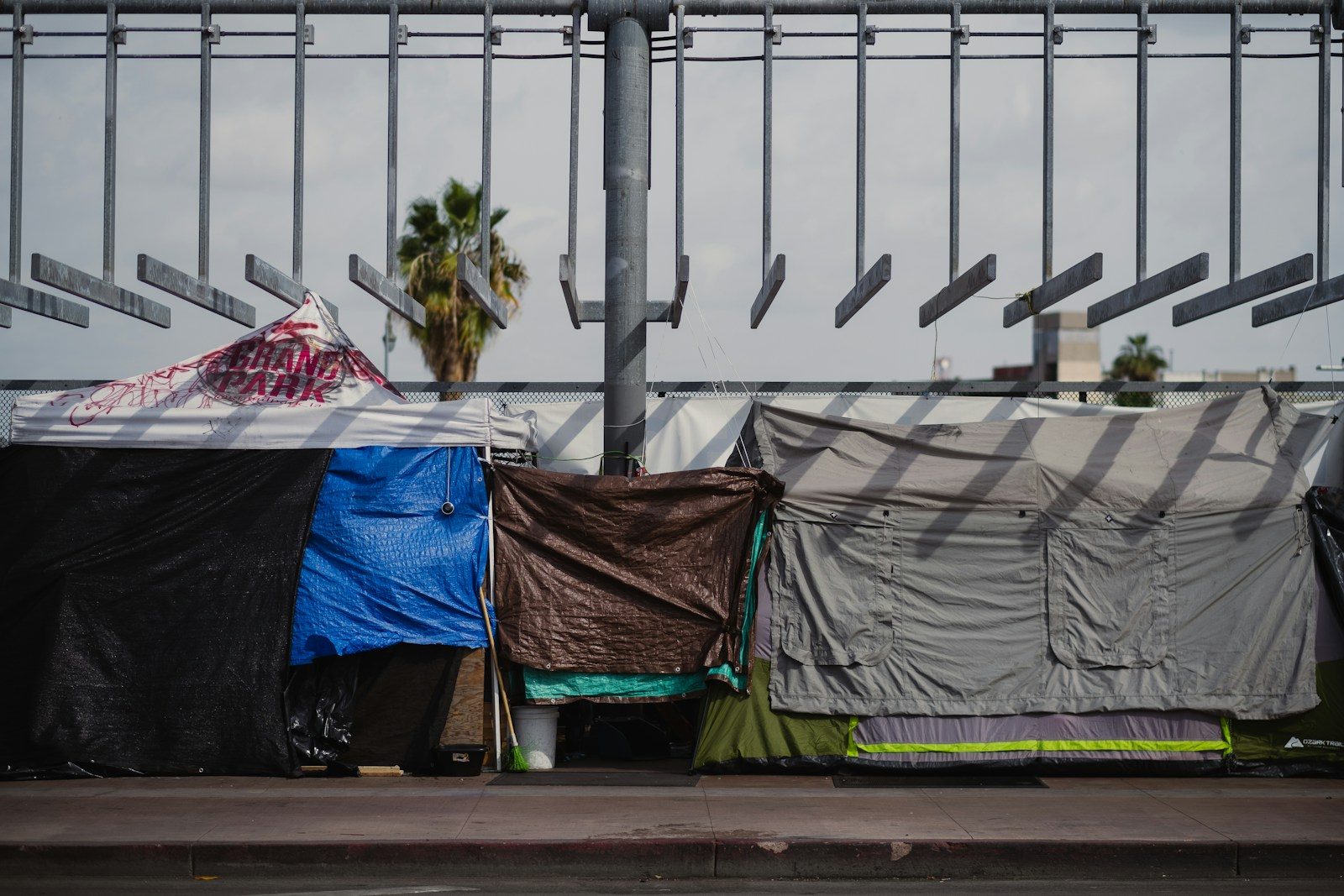
Social determinants of health (SDOH) are the primary drivers of widespread disparities across the continuum of acute cerebrovascular care. As defined by the World Health Organization, SDOH encompasses the specific conditions in which individuals are born, grow, work, live, and age, as well as the broader economic, political, and social structural frameworks that shape daily life. Housing status represents an incredibly critical, highly volatile axis within these determinants. Individuals experiencing housing instability face profound, multifaceted barriers to health equity that precipitate a cascade of clinical vulnerabilities, including accelerated cardiovascular disease morbidity, advanced biological aging, and an overall mortality rate estimated to be three times higher than that of the general housed population.
New Research
Despite well-documented links connecting housing instability to adverse cardiovascular disease outcomes, the specific interaction between homelessness and acute stroke care delivery mechanisms has historically remained poorly characterized and under-analyzed. To address this critical gap in the clinical literature, McKay and colleagues (2026) conducted a rigorous systematic review and meta-analysis. The investigators comprehensively synthesized data from major clinical databases spanning 2000 through 2024, analyzing seven high-quality observational studies that together comprised a pooled cohort of over 3.6 million individuals (including 620,327 patients experiencing homelessness and 3,035,234 housed comparison patients). The findings provide a startling, objective look into systemic delivery failures within acute stroke intervention networks.
Why It Matters
The most clinically urgent finding from the pooled meta-analysis concerns the acute administration of intravenous thrombolysis (IVT). For patients presenting with acute ischemic stroke, standard clinical guidelines dictate that time is the most critical variable governing tissue salvage and long-term functional recovery. However, the study revealed that patients experiencing homelessness (PEH) who presented with acute ischemic stroke had a statistically significant 14% lower relative probability of receiving life-altering IV thrombolysis compared to their housed peers (Pooled Risk Ratio \[RR\]: 0.86; 95% Confidence Interval \[CI\]: 0.77–0.97). This disparity persisted despite full statistical adjustment for traditional cardiovascular risk factor profiles such as hypertension, advanced dyslipidemia, tobacco use, and diabetes mellitus. This demonstrates that the delivery deficit is fundamentally tied to systemic, logistical, or structural barriers associated with homelessness itself rather than an underlying variance in clinical comorbidity density.
Gap in Care
Furthermore, this care gap extends well into advanced diagnostic and secondary interventional domains. Individual registry data evaluated in the systematic review demonstrated significant deficits in the use of advanced cerebrovascular diagnostics. For instance, in data from a large multi-state analysis by Wadhera et al., only 2.9% of unhoused individuals hospitalized for overall stroke underwent formal vessel imaging, contrasted sharply with 9.5% of housed adults. In hemorrhagic stroke cohorts, this gap widened exponentially: a mere 5.1% of PEH underwent necessary vessel imaging compared to 18.1% of housed individuals. Similarly, acute interventional patterns indicated that unhoused patients were less likely to undergo advanced mechanical thrombectomy procedures. In a large cross-sectional study of young adults (ages 18–44) presenting with acute stroke, mechanical thrombectomy was utilized significantly less frequently among the unhoused cohort (0.6% vs 1.0%), highlighting a stark stratification of high-tier care delivery based on socioeconomic indicators.
What the meta-analysis revealed
Interestingly, the meta-analysis did not identify a statistically significant difference in acute, in-hospital all-cause mortality between patients experiencing homelessness and housed control groups (Pooled RR: 1.10; 95% CI: 0.82–1.48). While this lack of variance in acute inpatient mortality might initially appear reassuring, it requires careful contextual interpretation. The pooled mortality data demonstrated an exceptionally high degree of statistical heterogeneity (I^2 = 94.7%, p < 0.0001), indicating substantial divergence in baseline patient catchment areas and operational methodologies across individual study designs. Furthermore, because these data reflect strictly acute, in-hospital mortality events, they completely obscure long-term survival trajectories, post-discharge functional stagnation, and recurrent cerebrovascular events occurring immediately outside the hospital walls.
Who It Affects
An examination of the demographic data compiled within the systematic review highlights that the population experiencing homelessness and presenting with acute stroke is heavily, disproportionately skewed along specific epidemiological lines. Across the entire pooled sample, a striking 86.5% of the unhoused stroke patients identified as male, compared with 52.7% within the housed control cohorts. The average age of unhoused patients across the core registries hovered around 54.5 years—notably younger than the average age of 57.4 observed in housed populations. Racially, the tracked unhoused stroke cohort was predominantly identified as White (55.1%), though the authors explicitly caution that this specific distribution may underrepresent the profound racial and ethnic minority disparities observed within broader national homelessness registries due to data source limitations in several large state databases.
Unique Demographic Affected
The unique demographic clustering—predominantly younger, male, and heavily burdened by untreated or poorly controlled chronic conditions—demands that providers understand the intersecting, compounded variables that directly interfere with acute stroke presentation and clinical assessment. A major clinical confounder impacting this population is the severe difficulty in establishing a reliable “last known well” time window. In acute ischemic stroke management, the eligibility threshold for IV thrombolysis is highly time-sensitive. Because individuals experiencing unsheltered or unstable housing are frequently socially isolated, unmonitored, or found alone in public or semi-private spaces, identifying a close contact, family member, or witness capable of confirming the precise onset of acute neurological deficits is often impossible. Consequently, a substantial percentage of unhoused patients are automatically excluded from receiving hyperacute thrombolytic care simply due to a structural lack of collateral history.
Additional Barriers to Care
Beyond the logistical barriers of presentation timing, patients experiencing homelessness are heavily affected by deep-seated healthcare professional stigma and deep implicit biases. The literature notes that low-income adults frequently encounter structural discrimination based directly on their insurance status or visible housing instability. In emergency departments and acute care settings, where rapid diagnostic triage is mandatory, implicit bias can manifest in highly destructive ways. For example, because there is an elevated baseline prevalence of substance use disorders among unhoused cohorts, healthcare professionals face an ongoing risk of diagnostic overshadowing—prematurely misattributing acute focal neurological deficits, slurred speech, ataxia, or altered mental status to active substance intoxication or withdrawal. This dangerous cognitive error directly leads to delayed neuroimaging orders, prolonged triaging intervals, and the subsequent loss of the critical therapeutic window required for effective tissue plasminogen activator administration.
What Changes
The stark care delivery gaps identified in this meta-analysis mandate an immediate, comprehensive reassessment of how health systems interact with, triage, and transition unhoused individuals presenting with acute cerebrovascular events. First and foremost, acute care institutions must implement rigorous, objective stroke-triage protocols that are entirely insulated from a patient’s socioeconomic status, housing status, or perceived insurance status. To mitigate the systemic hurdle of the “last known well” determination, emergency departments should increasingly adopt advanced, tissue-based neuroimaging strategies—such as automated CT perfusion or rapid-sequence “wake-up stroke” MRI protocols—to evaluate penumbral mismatch and tissue viability objectively, rather than relying strictly on an arbitrary chronological clock that inherently penalizes isolated, unhoused individuals.
Comprehensive Training
Simultaneously, comprehensive training on implicit bias and diagnostic overshadowing must be systematically integrated into continuing medical education requirements for all frontline emergency and neurological clinicians. Training frameworks must explicitly address the clinical hazards of the “homeless” descriptor in electronic health records, ensuring that co-occurring substance use tracking does not short-circuit standard, comprehensive diagnostic pathways for acute neurological changes.
Structural Changes
The second critical domain requiring immediate structural overhaul involves inpatient discharge planning and transition-of-care design. The systematic review highlighted a troubling pattern: unhoused stroke patients are substantially more likely to be discharged directly to “self-care” (often a clinical euphemism for returning to unsheltered environments or emergency shelters) or to leave the hospital against medical advice (AMA). The systemic drivers behind high AMA discharge rates are complex and multi-layered, involving an overarching lack of institutional trust, perceived or actual healthcare worker discrimination, inadequate management of concurrent nicotine or substance withdrawal syndromes during acute hospitalization, and a severe nationwide shortage of specialized post-acute rehabilitation or skilled nursing facility beds willing to accept uninsured or unhoused individuals.
A thing of the past –> Standard, Passive Care Models
To break this cycle, health systems must move away from standard, passive discharge models. Hospitals must forge strong operational partnerships with specialized medical respite facilities—safe, transitional community environments where unhoused individuals can recover from acute illnesses, receive consistent wound care, access physical and occupational therapy, and manage complex secondary-stroke-prevention medication regimens. Furthermore, every acute stroke team should actively involve multidisciplinary social support services, including peer navigators, dedicated medical social workers, and clinical pharmacists, at the time of admission. These teams can coordinate early behavioral health support, address substance use treatments concurrently, ensure immediate access to public insurance benefits, and establish direct post-discharge connections to primary care safety-net clinics.
Future Actions
Finally, at the structural and research level, there must be a unified push for the standardized operationalization and documentation of housing status within electronic medical records and public health databases. The authors of the meta-analysis noted that a primary limitation governing research in this area is the widespread under-ascertainment, inconsistent coding, and administrative misclassification of housing instability across major state and national data sets. By implementing standardized, universally accepted social determinants of health screening tools (such as specific ICD-10-CM Z-codes for homelessness and housing instability), the medical community can vastly improve the sensitivity of clinical tracking data. Only through highly accurate, reliable, and standardized data capture can healthcare organizations, policymakers, and managed care stakeholders effectively monitor the true scale of health inequities, allocate appropriate funding, and design targeted, high-impact public health interventions to protect this exceptionally vulnerable patient population.
Reference
- McKay JM, Semir M, Giorgio K, Sedaghat S, Olson B, Murray AM, Winkelman T, Diaz Vickery K, Sabayan B. Stroke care and outcomes among patients experiencing homelessness: a systematic review and meta-analysis. Neurol Open Access. 2026;2(2):e000091. doi:10.1212/WN9.0000000000000091
One story a day
The story of the day, in your inbox
One health journey each morning — no advice, no alarm, just company for the road.