Understanding Amyloid’s Role In Alzheimer’s Disease Pathology
Amyloid, specifically amyloid beta, is the most well-known biological feature of Alzheimer’s disease.
 Written and medically reviewed byDr. Abu BakarContributing writer · PharmD, PhD (Pharmacology)
March 8, 2026 · 11 min read
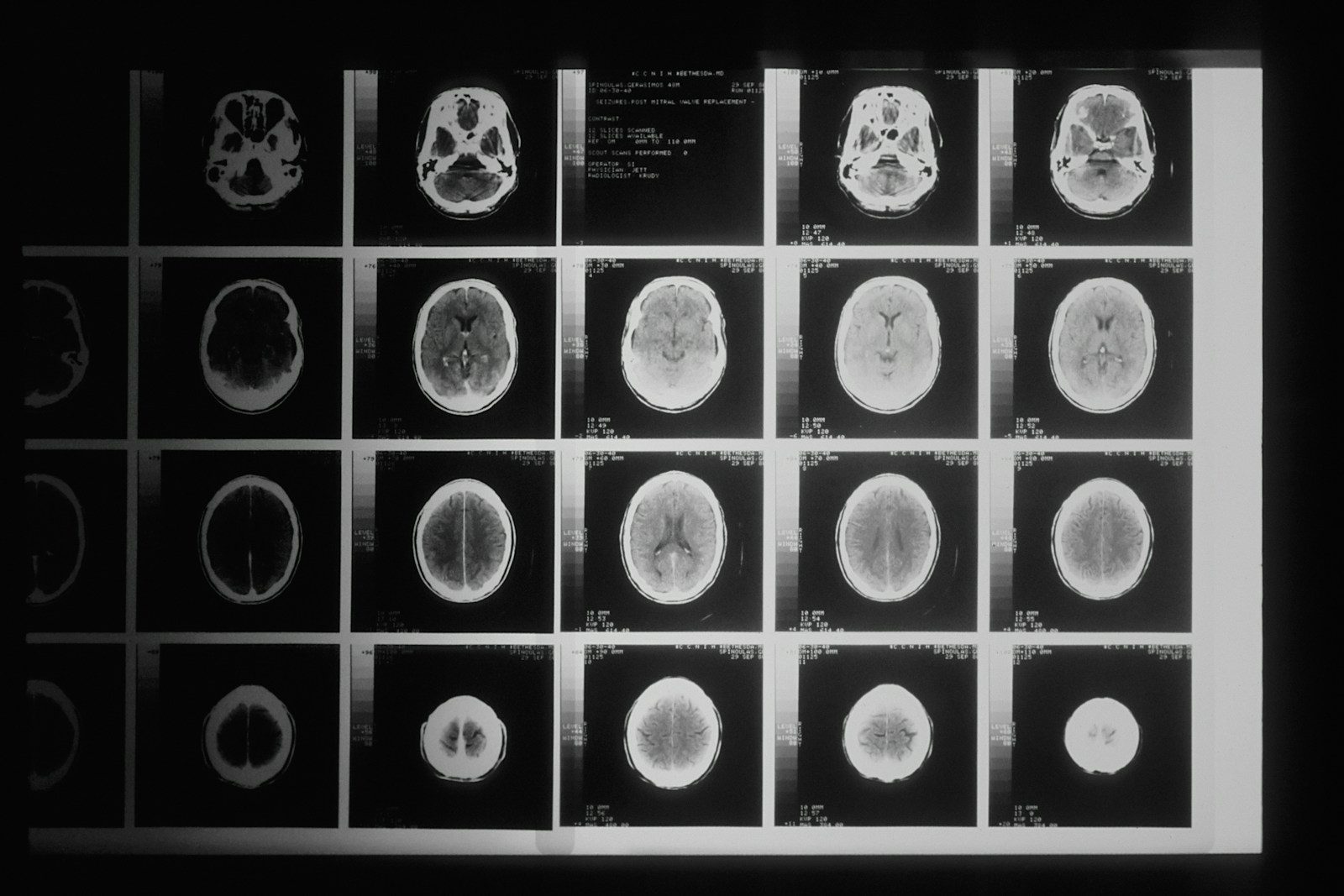
Amyloid, specifically amyloid beta, is the most well-known biological feature of Alzheimer’s disease. But how central is amyloid to the disease? Many people can have brain amyloid for a long time without ever becoming demented. Others can become demented for a variety of reasons that may or may not involve amyloid deposits. Amyloid is important, but it is not the whole story. Testing for brain amyloid deposits can be done pre-symptoms. Anti-amyloid therapies can remove some of the deposits and can lead to modest slowing of disease. These drugs may be part of a modern psychiatric treatment plan, but no magic bullet here – substantial side effects, monitoring requirements, and some real safety concerns.
Why It Matters
Amyloid proteins are short chains of protein fragments that clump together between nerve cells to form gluey protein aggregates known as amyloid beta plaques. Scientists have long been interested in studying these clumps, some of the first changes seen in the brains of people with Alzheimer’s disease. Many other changes, such as tau tangles and cell damage, also are linked to amyloid. Amyloid has become the target of many Alzheimer’s treatments, and most clinical trials of Alzheimer’s drugs are designed to measure the amount of amyloid in the brains of study participants. But new research, published this week, shows that these protein plaques are important but not sufficient to explain Alzheimer’s symptoms, disability or progression.
Amyloid is increasingly an important component of clinical practice. Imaging studies of the brain using amyloid PET and studies of cerebrospinal fluid can identify individuals with little or no memory problems who have amyloid deposits. Even more challenging, many of these individuals may be symptom-free. Thus, the primary care physician and the specialist are now often the physicians who counsel patients diagnosed with increased amyloid deposition by biomarker. These are very difficult questions of anxiety and uncertainty, and how much information a patient wants to have. As more is learned about the earlier stages of disease, these questions have become more difficult.
Amyloid was once considered a somewhat distant third player in the drama of Alzheimer’s disease. Yet now there is increasing evidence that amyloid is not merely a cause of brain damage, but also a target for therapeutic attack. In fact, two amyloid-reducing treatments, lecanemab and donanemab, have completed clinical trials in people with symptomatic Alzheimer’s disease. Preliminary results show modest slowing of disease-related decline for individuals with early symptomatic disease. The results from these studies are considered positive results in a field that has suffered more than its share of disappointments and indicates that treatment with these drugs has modest benefits for some patients with dementia due to Alzheimer’s disease.
The treatments do not cure or reverse dementia. Treatment benefits are not equally distributed and not all patients on the drugs improved. These drugs are intended for use in a specific subgroup of patients with early evidence of Alzheimer’s disease for whom safe evaluation and serial monitoring is feasible.
safety of amyloid is a major issue. ARIA can cause brain swelling (ARIA-EDS) or local bleeding (ARIA-EFL). While most cases are mild or asymptomatic, severe and even fatal cases have occurred. APOE ε4 homozygotes are particularly at risk. Thus, patients are counselled regarding this risk, and offered a MRI scan prior to initiating such treatments and then monitored with subsequent scans. The decision to initiate these treatments is not a simple decision to add an additional medication to the patient’s treatment regimen. It is a system level care pathway.
As amyloid takes center stage in the understanding of Alzheimer’s disease, and the development of related treatments, its impact is being felt in policy, cost and access issues. The cost of amyloid PET and spinal fluid tests, infusion treatments and repeated follow up MRI scans, and specialist visits is rapidly becoming unsustainable in the healthcare system. As more patients are diagnosed and receive treatment for Alzheimer’s, payers such as Medicare are struggling to establish coverage policies for anti amyloid medications and tests, and will need to determine whether the benefits of earlier diagnosis and costlier treatments for Alzheimer’s translate into improved outcomes for patients. Wide disparities in access to diagnosis and treatment for patients with Alzheimer’s already exist between urban and rural populations and between wealthy and underserved populations. It will be up to health systems to make a conscious decision to ensure that these treatments are accessible to all patients who could benefit from them.
Dementia has a hidden public health burden that is not considered in many everyday clinical and research decisions. Dementia is a major worldwide health and research problem with millions of people affected globally and an even larger number affected by vascular dementia. While the global burden of dementia on disability, dependency and cost is large, a similar situation prevails in the United States where the number of individuals diagnosed with Alzheimer’s disease is increasing, the burden on caregivers is very large and the health care costs of care for individuals with Alzheimer’s disease are substantial. As a result, even small changes in diagnosis, clinical monitoring or treatment for people with dementia could have large impacts on practice, on families and on health system budgets.
Amyloid is just one of many components in the network of diseases that cause Alzheimer’s. Reducing or removing amyloid is unlikely to “cure” Alzheimer’s since there are many other factors at play in the disease including tau pathology, inflammation, synapse loss, vascular disease and more. The updated criteria for Alzheimer’s separates out the biomarkers predictive of Alzheimer’s pathology from other biological processes that may or may not be present in individuals with Alzheimer’s. For some individuals removal of amyloid may be of benefit, but it will not “unscramble the eggs” of prior brain injury.
Who It Affects
Our approach is patient- and family-centered. For the person with mild cognitive impairment who is finding it challenging to manage daily tasks, receiving an amyloid-positive test result can bring a sense of relief in establishing a diagnosis for their current symptoms, rather than evoking significant anxiety as individual and families contemplate a biomarker for future disability. Instead, caregivers and patients explore potential benefits versus risks of available therapeutic options to slow disease progression, and closely monitor treatment side effects in the uncertain timeframe to potential treatment effect.
Memory concerns impact practitioners from many different specialties and disciplines. For the primary care physician, amyloid imaging and other biomarkers will become relevant considerations in the diagnostic process and as part of overall patient management. Neurologists and specialty memory clinics will be charged with the interpretation of amyloid imaging and spinal fluid tests, weighing of treatment options versus side effects and counseling of patients and families on necessary monitoring of effects of medication on the brain as well as follow-up scans to assess progression of brain changes associated with disease itself.
Health systems/payers are increasingly constrained by limited budgets, whilst imaging technologies, such as advanced CT and MRI scanners and PET/TC cameras, require expensive capital equipment and specialist trained staff to operate them. The insurance policy of a payor will determine whether patients have access to testing and treatment options. Other groups and organisations which influence treatment and the use of specific medications include regulatory bodies and bodies which write national or local guidelines for practice and develop policies for the monitoring of side effects and reimbursement of these costly drugs.
- Diagnostics move earlier and become more central: amyloid PET scans and cerebrospinal fluid (CSF) tests make it possible to identify biological signs of Alzheimer’s before severe symptoms; this changes conversations about prognosis, planning, and eligibility for interventions.
- Treatment decisions become individualized and complex: therapies that target amyloid may slow progression for some patients but require careful selection, informed consent, and vigilant monitoring for brain swelling or bleeding; clinicians must balance potential benefits against risks and burdens of treatment.
- Care pathways and workforce needs evolve: memory clinics, infusion centers, and radiology services may need expansion, along with training for clinicians and allied health professionals to manage new protocols and communication challenges.
- Policy and access issues intensify: coverage rules, out-of-pocket costs, and regional availability will determine who benefits, making equity-focused policies and clear guidelines essential.
What Changes
Why amyloid is complicated
Amyloid is required for Alzheimer’s disease but people with very heavy brain amyloid deposits don’t necessarily show symptoms. Conversely, some individuals may develop symptoms of dementia without heavy amyloid burden. Thus, treatments targeting amyloid for Alzheimer’s may address one of the disease’s upstream causes but are unlikely to completely reverse symptoms in all individuals with Alzheimer’s due to additional causes such as inflammation, changes in tau, vessel dysfunction, and other brain aging changes.
Clinical decision-making
Decisions regarding testing for amyloid or initiation of amyloid-directed therapy should be made within the context of individual patient clinical circumstances. Several factors must be taken into consideration, including the degree and duration of symptoms of cognitive dysfunction, the patient’s co-morbid medical illnesses, the patient’s ability to comply with a several year monitoring and treatment protocol, as well as the patient and family’s overall values and goals. These can vary greatly among patients who present with similar clinical presentations. The patient with early cognitive symptoms may want to consider any treatment that might provide additional time before progression of symptoms, potentially with several months of clinical benefit that requires close monitoring for potential adverse effects. Another patient with early cognitive symptoms would elect supportive management of his/her symptoms in order to live his/her life as comfortably as possible, and not pursue aggressive, invasive testing or treatment for which there is uncertainty regarding benefit.
It is very important to have realistic expectations for patients and their families regarding outcomes of treatment. Amyloid-targeted therapies are not curative, but may slow disease progression by a few percent in selected individuals. Shared decision making is a crucial component in the process. All providers from the primary care physician/neurologist, radiologist, to infusion center staff need to be familiar with the process and explain it to the patient, as well as have a plan for follow-up on the patient. It is also important to obtain informed consent and document that process.
Patient experience and care considerations
Amyloid deposition is a finding that can have a profound effect on patients and their families. The diagnosis can serve as a springboard to discuss issues of prognosis, ways in which patients can maintain a healthy lifestyle that is potentially brain-protective, and issues related to legal and financial planning. While cognitive rehabilitation, occupational therapy, social support, and caregiver education continue to be the cornerstones of treatment for all patients with the symptoms of dementia, biomarker information can be used to individualize other aspects of care. Finally, providers must be aware of issues of stigma and privacy that can affect patients’ lives in many domains including employment, safe driving, and life insurance.
In addition to preparing for infusion side effects prior to initiation of treatment, monitoring and management of these effects at the time of treatment requires a considerable time and travel commitment by both patient and family. Potential serious side effects of monoclonal antibody treatment, such as brain swelling and small bleeds in the brain, can rapidly progress to serious complications, requiring a timely evaluation and response. As such, an informed discussion of these issues should occur prior to initiating treatment.
System-level implications and costs
Scaling up diagnosis and treatment of amyloid-related diseases to reach all eligible patients is a very costly effort that requires specialized sites and staff to deliver both advanced imaging and infusion therapies. Even following the many patients who have received both infusion therapies and psychosocial interventions over several years for these complex conditions requires considerable staff time and resources. Health systems looking to expand access to these treatments face difficult decisions about how to invest limited funds to expand services for older adults and their families while also supporting home- and community-based services that most older adults and their families want.
Payers will determine which patients have access to these tests and treatments by forming coverage policies and use criteria. Policymakers and health system leaders will then have to work to make sure all patient populations have equal access to these new technologies, whether they live in urban or rural settings and whether they are wealthy or disadvantaged. A major factor in these decisions will be the cost-effectiveness of the tests and treatments, which will guide payers’ reimbursement policies and the prices negotiated with manufacturers by pharmaceutical and medical device companies.
Looking ahead
Amyloid testing and treatments will be only one of many tools for Alzheimer’s research and care in the near future. In addition to understanding the various biological pathways that contribute to Alzheimer’s disease, there will be a need to understand the many different disease symptoms and the social needs of individuals with Alzheimer’s and their caregivers. In addition, there will be a continued push to develop less invasive diagnostic methods that utilize blood-based biomarkers, potentially replacing current methods of diagnosis that require invasive procedures such as a brain scan or lumbar puncture. Developing clinical pathways that translate biomarker information into routine clinical care as well as developing methods to ensure equitable access to emerging diagnostic and therapeutic tools will also be a challenge in the near future.
Future research and policy directions could include identifying the “right” patients for use of immunotherapies; enhancing monitoring strategies to reduce toxicities; and payment strategies that align with value. Clinicians will require evidence-based guidance and resources to translate emerging findings into practical patient care recommendations.
Final considerations for clinicians and decision-makers
Amyloid remains an important part of the story of Alzheimer’s disease, albeit one of many characters. It is critical that the story that clinicians tell to patients and families is one that is relevant, realistic and packages new information within the context of the whole person, not just their biomarkers. There will be new tests that enter the market and health systems will need to manage changes in demand, update the workforce, and ensure access is equitable and timely for all those for whom these advances could be of benefit.
For patients and their families, there are growing numbers of diagnostic tests and treatments aimed at amyloid. As the science continues to advance at breakneck speed, patients and families are going to need good information, close monitoring of side effects, and good quality of life.
References:
https://pmc.ncbi.nlm.nih.gov/articles/PMC2813509/ https://pmc.ncbi.nlm.nih.gov/articles/PMC11256416/
One story a day
The story of the day, in your inbox
One health journey each morning — no advice, no alarm, just company for the road.