Abbott’s Navitor TAVI System Shows Promising One-Year Results for Aortic Stenosis Care
Abbott’s Navitor transcatheter aortic valve implantation (TAVI) system is drawing new attention after one year outcome data suggested
 Written and medically reviewed byDr. Abu BakarContributing writer · PharmD, PhD (Pharmacology)
June 6, 2026 · 8 min read
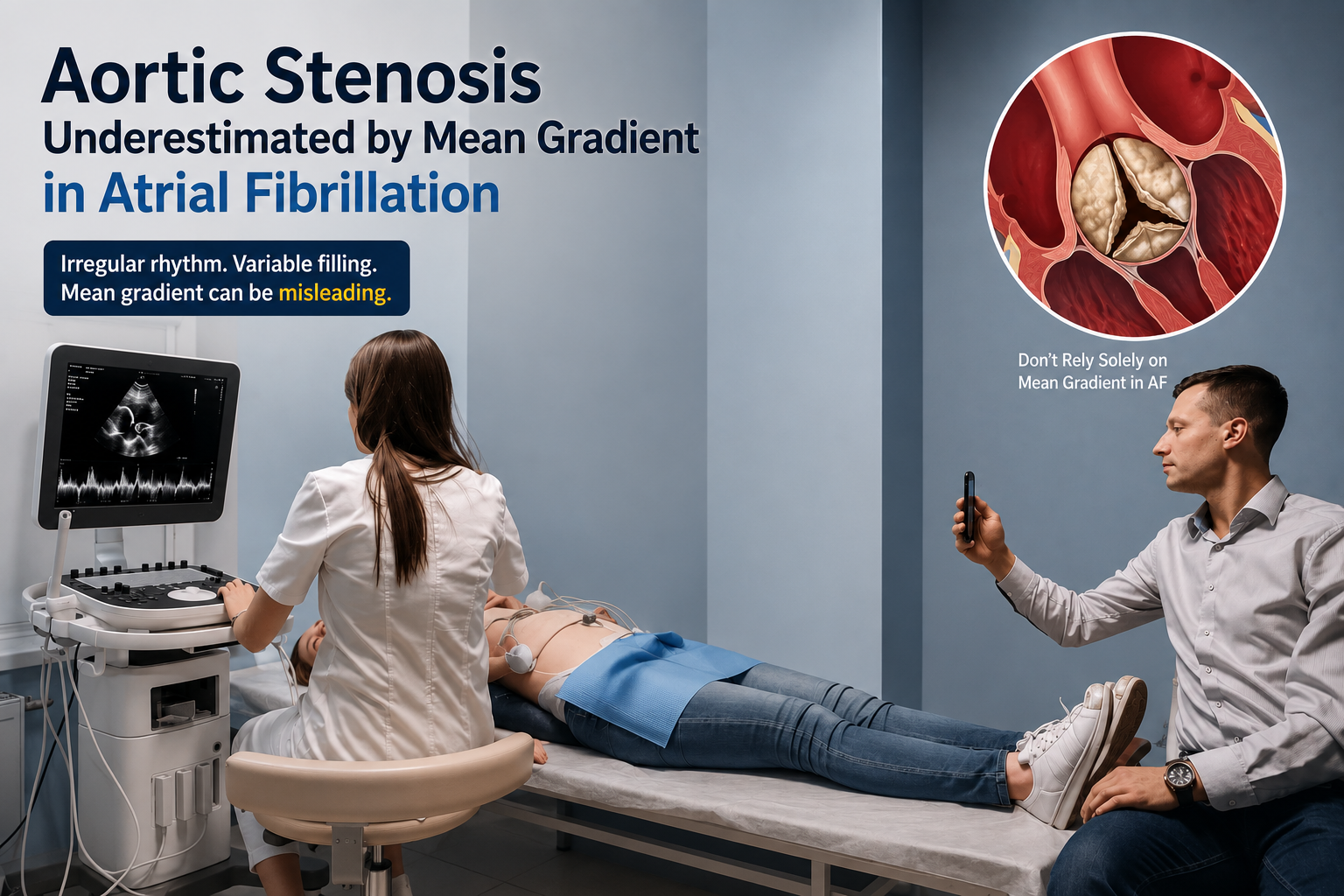
Abbott’s Navitor transcatheter aortic valve implantation (TAVI) system is drawing new attention after one year outcome data suggested that the device performs well in patients with severe aortic stenosis and may support broader use in the future. Aortic stenosis is a common and serious valve disease, especially in older adults, and TAVI has become an important less invasive treatment option. The Navitor valve is designed as a self expanding system with an intra annular leaflet position and an outer cuff, features intended to support strong valve performance and make future coronary access easier if a patient later needs procedures such as stenting. Recent peer reviewed data from the PORTICO NG Study reported low rates of adverse events, sustained hemodynamic performance, and a low rate of moderate paravalvular leak at one year, which is why the device is now getting more notice from clinicians and health systems.
Why It Matters
TAVI has already made a huge change in the therapeutic approach of numerous patients suffering from AS. There is a possibility of opting for a minimally invasive technique, which will make recovery easier, require no sternotomy, and be beneficial for weakened individuals. The current guidelines also emphasize the importance of making decisions under the responsibility of the Heart Team, mainly because personalized treatment is becoming an increasingly important issue. However, AS should be considered an illness characterized by a long asymptomatic period and a very fast onset of signs when it is becoming clinically relevant.
Navitor’s case study not only talks about better placement but also focuses on the later consequences of this decision. Re-accessing a coronary artery in patients who have had their coronary artery implanted using the TAVI method can be difficult with certain models of valves, especially since it has become increasingly common among young populations who are at risk of requiring coronary interventions down the line. This explains why aspects like leaflet positioning, frame shape, and commissural orientation play an important role during clinical procedures.
Safety and durability remain the other major questions. One-year Navitor data are encouraging, but device adoption in routine practice always depends on more than early success. Clinicians look at paravalvular leak, pacemaker need, stroke, hemodynamic performance, and the chance of structural valve deterioration over time. Longer term valve durability is especially important for patients who may live many years after implantation and could need repeat intervention later. Studies of contemporary transcatheter valves show that durability is a major part of the long-term conversation, not an afterthought.
Who It Affects
The first type of people affected is those with severe aortic stenosis, whose age range from middle-aged and older individuals. This category of patients usually experience symptoms such as breathlessness, tiredness, chest tightening, dizzy spells, or fainting. The second that makes severe aortic stenosis deadly is once it reaches a stage whereby it develops symptoms. People at high or extreme risk of surgery may benefit from TAVI.
Navitor may be especially relevant for patients who need careful lifetime planning. Some people already have coronary artery disease when they receive TAVI. Others may develop it later. If future stenting is likely, doctors may prefer a valve design that keeps coronary access more manageable. This does not mean Navitor is automatically the best choice for every patient. It means coronary access becomes one important factor in the decision.
Younger and lower-risk patients are also part of the discussion. These patients may recover well from either surgery or TAVI, so the decision is more complex. Doctors must compare short-term recovery with long-term durability, repeat procedure options, and future coronary access. A valve that supports future interventions may be attractive, but it still needs strong long-term evidence.
The intervention cardiologist and heart team are integral in ensuring that this process is done safely. It would be naïve to state that TAVI procedure is a solo operation since it requires a team of intervention cardiologists, heart surgeons, radiologists, anesthetists, nursing staff and rehabilitation experts. The team collectively considers the anatomy of the valve, diameter of the arteries, amount of calcium, patient’s rhythm, surgery risks and personal objectives.
Cardiac surgeons still play an important role. . Although TAVI is advancing, there are some patients who would do better with surgery. These include individuals with a complicated anatomy, abnormal valve structure, co-existing heart conditions that require treatment, or a high expected lifespan. The ideal way to determine the proper procedure involves a comparison between the two procedures, rather than considering TAVI the solution.
Hospitals need training before adding or expanding use of a new valve system. Each device has its own delivery system, sizing process, positioning approach, and imaging needs. Even experienced TAVI teams must learn the details of a new platform. Better operator experience may help reduce complications and improve consistency. Hospitals also need clear protocols for follow-up, rhythm monitoring, imaging, and emergency backup.
Payers and public health systems will watch the evidence closely. Coverage decisions depend on more than marketing claims. Decision-makers want proof that a device is safe, effective, durable, and worth the cost. They also want data from routine clinical practice, not only controlled study settings. Real-world registries can show how the valve performs in patients with mixed risks, difficult anatomy, and multiple health conditions.
Patients and families need clear counseling. Many people hear “less invasive” and assume the procedure is simple. TAVI is less invasive than open surgery, but it is still a major heart procedure. Patients should understand the possible risks, including bleeding, stroke, vascular injury, pacemaker need, kidney problems, valve leakage, and the chance of later reintervention. They should also know why follow-up appointments matter.
The patient’s own goals should guide the final decision. Some people care most about faster recovery and symptom relief. Others worry more about long-term durability or future procedures. A frail older patient may place greater value on avoiding surgery now. A younger patient may focus more on what the valve means 10 years from today. Good decision-making respects both the medical facts and the patient’s priorities.
What Changes
- For clinicians, Navitor adds another valve option that places extra emphasis on future coronary access. That may influence device selection in patients who already have coronary disease or who are likely to need coronary work later. It also means heart teams may spend more time discussing not only the immediate procedure, but the long-term implications of valve choice, including access, durability, and the chance of later intervention.
- For hospitals, the change is operational as much as clinical. New devices require updates in training, imaging review, catheter lab workflow, and post-procedure monitoring. Teams need to watch for complications such as conduction disturbances, valve leakage, and signs of valve deterioration over time. As more centers move toward broader structural heart programs, these details shape safety and consistency just as much as the device itself.
- For patients, the message is simple: more choice, but also more nuance. TAVI can offer quicker recovery and symptom relief, but patients still need clear counseling about durability, follow-up, antithrombotic treatment when appropriate, and the possibility of future coronary or valve-related procedures. The best choice is rarely based on one feature alone. It depends on the whole clinical picture, including age, frailty, coronary disease, anatomy, and what the patient may need years from now.
- The larger shift is that TAVI is no longer being judged only as a replacement for surgery. It is now being judged as a long-term platform for valve care. That means the field must look beyond procedural success and ask harder questions about durability, coronary access, repeat intervention, and total cost of care. The early Navitor findings are encouraging because they suggest the device can perform well while addressing one of the most practical problems in modern TAVI planning. But the real test will come from longer follow-up and independent real-world data.
- The broader lesson is that TAVI is entering a new phase. Early success was measured mainly by whether the procedure could replace surgery for high-risk patients. Now the field is asking more advanced questions: How long will the valve last? Can doctors still reach the coronary arteries later? What happens if the patient needs another valve? Which device works best for each anatomy?
- Abbott’s Navitor TAVI system fits into this changing landscape. The one-year findings support its role as a promising option for selected patients with severe aortic stenosis. Its focus on coronary access is especially relevant as TAVI expands to people who may live longer after valve replacement. The results are encouraging, but longer follow-up will decide how far its use should grow. For now, Navitor gives heart teams another tool. Used thoughtfully, it may help doctors plan not only for a safe procedure today, but also for the patient’s future heart care. That is the real direction of modern valve treatment: less invasive therapy, better planning, and decisions built around the full life of the patient.
- In day-to-day practice, that is what makes this news meaningful. It is not just a product update. It is part of a wider shift in how structural heart teams think about valve selection, future access, and lifetime management of aortic stenosis. If Navitor continues to show strong performance over time, it could become a useful option for centers that want to preserve flexibility for future coronary procedures while still delivering the benefits of minimally invasive valve replacement.
References
- Søndergaard L, Walton AS, Worthley SG, Smith D, Chehab B, Manoharan G, et al. Thirty-day and one-year outcomes of the Navitor transcatheter heart valve in patients with aortic stenosis: the prospective, multicentre, global PORTICO NG Study. EuroIntervention. 2023. Available from: https://europepmc.org/article/MED/36895190 [\[europepmc.org\]](https://europepmc.org/article/MED/36895190)
- Vahanian A, Beyersdorf F, Praz F, Milojevic M, Baldus S, Bauersachs J, et al. 2021 ESC/EACTS Guidelines for the management of valvular heart disease. EuroIntervention. 2022. Available from: https://pmc.ncbi.nlm.nih.gov/articles/PMC9725093/ [\[pmc.ncbi.nlm.nih.gov\]](https://pmc.ncbi.nlm.nih.gov/articles/PMC9725093/)
- Valvo R, Costa G, Tamburino C, Barbanti M. Coronary artery cannulation after transcatheter aortic valve implantation. EuroIntervention. 2021. Available from: https://pmc.ncbi.nlm.nih.gov/articles/PMC9724942/ [\[pmc.ncbi.nlm.nih.gov\]](https://pmc.ncbi.nlm.nih.gov/articles/PMC9724942/)
- Montarello NJ, Willemen Y, Tirado-Conte G, Travieso A, Bieliauskas G, Søndergaard L, et al. Transcatheter aortic valve durability: a contemporary clinical review. Frontiers in Cardiovascular Medicine. 2023. Available from: https://pmc.ncbi.nlm.nih.gov/articles/PMC10203628/ [\[pmc.ncbi.nlm.nih.gov\]](https://pmc.ncbi.nlm.nih.gov/articles/PMC10203628/)
One story a day
The story of the day, in your inbox
One health journey each morning — no advice, no alarm, just company for the road.