Acute Optic Neuritis: Visual Outcomes After Plasma Exchange
Acute optic neuritis (ON), a sudden inflammation of the optic nerve that causes rapid vision loss and eye
 Written and medically reviewed byRayan SalihContributing writer · PharmD, RPh
February 26, 2026 · 7 min read

Acute optic neuritis (ON), a sudden inflammation of the optic nerve that causes rapid vision loss and eye pain, is an emergency for patients and clinicians alike. ON typically manifests with unilateral, sudden, painful vision loss, decreased color vision and contrast sensitivity, and a relative afferent pupillary defect. For decades, the treatment paradigm was relatively static. Patients were only offered high-dose corticosteroids for treatment. However, new attention on plasma exchange (PLEX) as a critical escalation therapy is reshaping the standard of care. This transition is not merely a clinical update – it is a fundamental reassessment of how quickly we must intervene to prevent permanent axonal loss.
An Emergency of Connectivity
The optic nerve is an extension of the central nervous system, and unlike peripheral nerves, it has a profoundly limited capacity for regeneration. Consequently, the inflammatory storm of optic neuritis is a race against a biological clock. If the inflammation is not dampened or removed quickly, the nerve undergoes atrophic remodeling, leading to permanent blindness.
Why It Matters
The Pathophysiology of Vision Loss
Optic neuritis sits at the intersection of neurology and ophthalmology. For many patients, it is the first sign of an underlying immune disorder such as multiple sclerosis (MS), neuromyelitis optica spectrum disorder (NMOSD), or myelin oligodendrocyte glycoprotein antibody-associated disease (MOGAD).
In 2023, the prevalence of ON was reported as 51.6 per 100,000 people in the overall United States population. Research has shown that racial, ethnic, and sex disparities are apparent in the distribution of ON. Black individuals and females are affected most often, and an increasing prevalence is seen in the Hispanic population.
The “Acellular” Rescue: Mechanism of PLEX
Plasma exchange (PLEX) is a procedure that removes and replaces the liquid part of the blood (plasma) to filter out circulating autoantibodies, complement proteins, and inflammatory cytokines. In conditions like NMOSD and MOGAD, the body produces specific “pathogenic” antibodies that directly attack the optic nerve. Standard steroids can reduce general inflammation, but they often fail to clear these specific antibodies from the bloodstream.
The immediate clinical priority is the restoration of vision. However, decisions about therapy carry broader implications. PLEX can be effective when the immune system is actively damaging the optic nerve, but it requires vascular access, specialized equipment, and trained staff, all of which influence whether a patient can receive timely treatment.
System-Level Implications
Beyond individual benefit, the decision to use PLEX has system-level consequences. Intensive therapies change admission patterns, affect apheresis unit workloads, and create downstream needs for rehabilitation. Payers, hospitals, and outpatient centers must weigh evidence of benefit against expense and procedural risk when shaping coverage policies. As clinicians look to optimize visual outcomes, the timing of PLEX and the profile of patients most likely to recover remain central and unresolved policy and practice questions.
Who It Affects
Triage and the High-Risk Subgroups
Patients who present with sudden, severe vision loss are the most directly affected. While most typical optic neuritis (often associated with MS) has a high rate of spontaneous recovery, certain subgroups tend to have a significantly worse prognosis and are the primary candidates for PLEX:
- Antibody-Positive Patients: Those with AQP4 (NMOSD) or MOG antibodies often face more aggressive inflammation.
- Severe Baseline Vision Loss: Patients presenting with No Light Perception (NLP) or Hand Motion (HM) vision levels.
- Steroid Non-Responders: Those who show no improvement after 3–5 days of high-dose intravenous steroids.
Clinicians across specialties are implicated. Emergency physicians and primary eye-care providers make the initial triage and may start high-dose corticosteroids. Neuro-ophthalmologists and neurologists decide when to escalate to PLEX, balancing potential benefit with procedural risk. Apheresis teams, interventional radiologists or vascular access specialists, and inpatient nursing staff are essential for safe delivery.
Health systems and payers are also stakeholders. Rural and community hospitals may lack apheresis units, creating equity problems for patients who cannot travel quickly to tertiary centers. This geographic lottery for vision preservation is a major focus for current policy reform.
Clinical Decision-Making and the Patient Experience
When a patient presents with optic neuritis, clinicians typically start with 1,000 mg of intravenous methylprednisolone daily for 3 to 5 days. While most patients improve with this approach, a subset fails to respond. For those individuals, PLEX is the next step.
The “Golden Window” for Escalation
Research from 2025 highlights a critical threshold: patients who receive PLEX within 7 to 14 days of symptom onset have significantly higher rates of visual recovery than those who wait longer. If a patient is known to have NMOSD, many clinicians now argue for early PLEX, potentially skipping the full steroid course if the vision is severely threatened.
The Procedure: Beyond Medication
The patient experience of PLEX is vastly different from a simple infusion. The procedure usually requires 5 to 7 sessions over two weeks. It requires secure venous access, often via a central line. This introduces risks of infection, bleeding, and thrombosis, which must be discussed with patients. Short-term side effects can include low blood pressure, electrolyte shifts (specifically hypocalcemia), or allergic reactions to replacement fluids. Major complications are uncommon but concentrated around vascular access issues.
The Emotional Burden
Recovery is variable. Some patients regain substantial vision, while others have limited improvement. Visual rehabilitation and mental health resources are critical. Equally important is counseling about the underlying diagnosis: optic neuritis can herald chronic neuro-immunologic disease that requires lifelong disease-modifying therapy (DMT) to prevent further relapses and preserve cognitive function.
System-Level Implications and Access
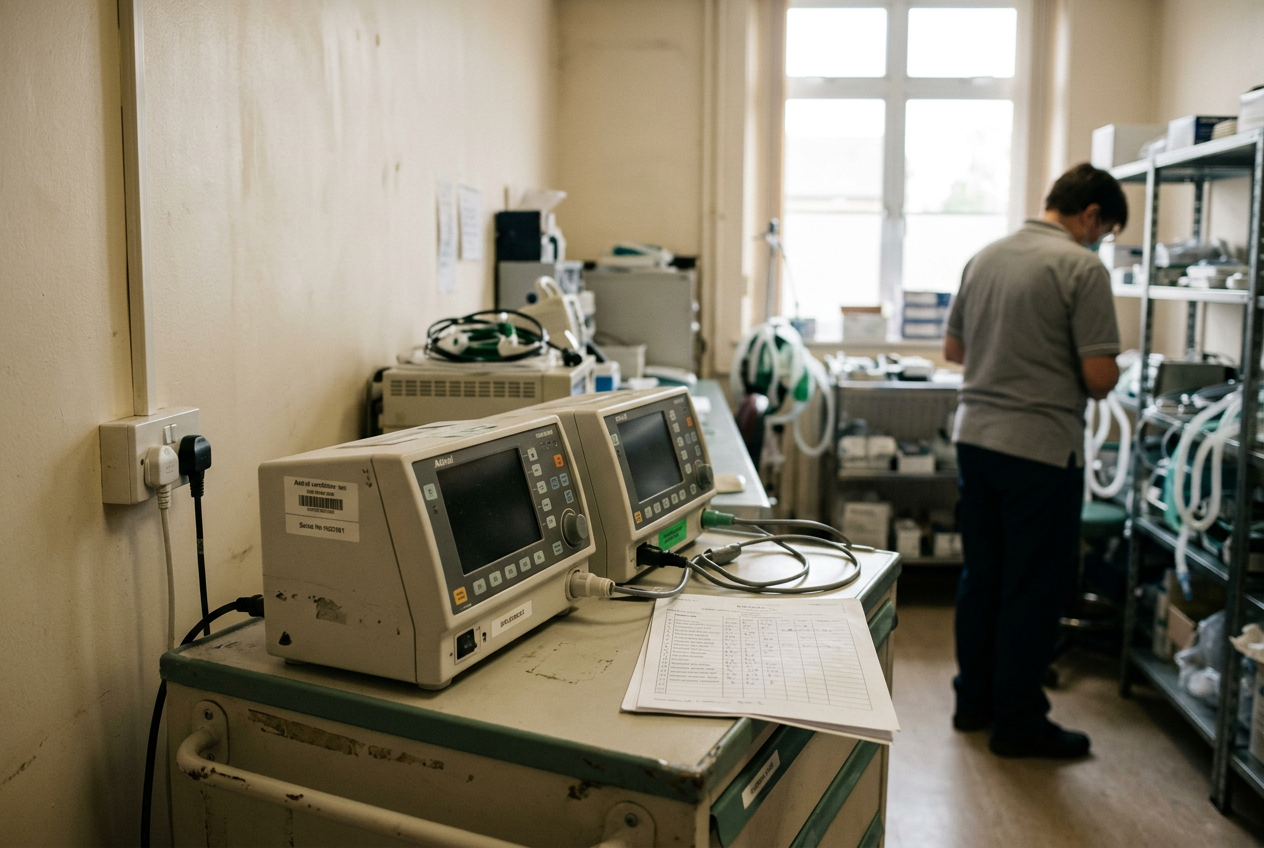
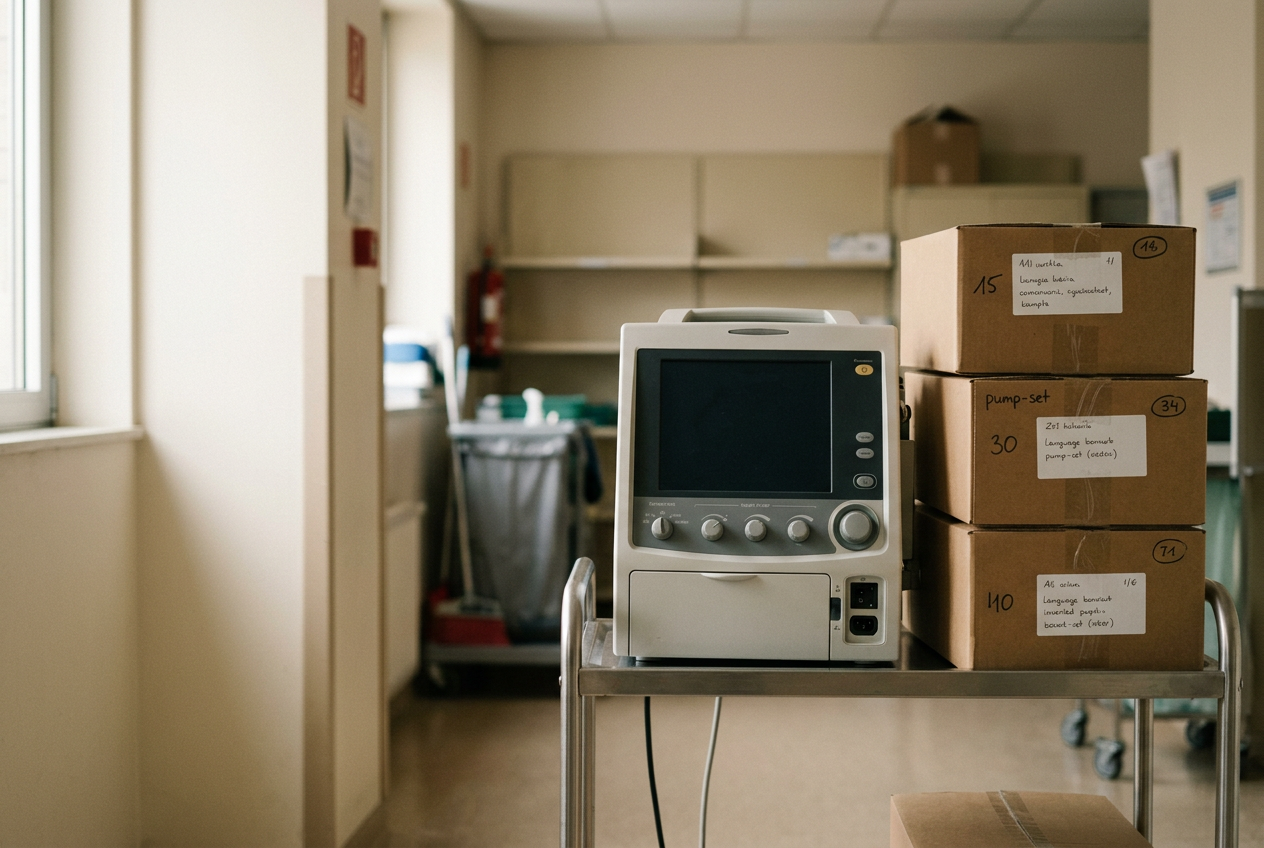
Delivering PLEX requires heavy infrastructure. Apheresis machines and trained technicians tend to be concentrated in larger academic centers. For patients far from tertiary hospitals, geographic barriers and transportation delays can mean missing the window when PLEX is most beneficial.
The Economics of Blindness vs. The Cost of Care
Cost and reimbursement are practical hurdles. PLEX is resource-intensive and expensive. However, health economists point out that the cost of several PLEX sessions is dwarfed by the long-term societal cost of permanent legal blindness, which includes lost wages, disability payments, and increased home-care needs. Policymakers and payers face a trade-off between containing immediate costs and ensuring access to a therapy that can prevent life-long disability.
What Changes
Strategic Reforms for the Future
The exploration of PLEX as a standard secondary therapy signals several transformative shifts:
1. Accelerated Care Pathways
Clinical practice is shifting toward earlier consideration of PLEX. Health systems need protocols for rapid identification and hot-tracking patients to apheresis units. This includes pre-testing for AQP4 and MOG antibodies on the first day of admission to predict who will need escalation.
2. Standardized Criteria for Responders
Insurers and policymakers should reassess coverage frameworks that currently limit access to PLEX. Standardized criteria, such as a failure to improve by two lines on an Eye Chart after 3 days of steroids, can provide a clear green light for PLEX reimbursement, reducing administrative delays.
3. Strengthening Post-Acute Coordination
Clinics should strengthen post-acute care, including low-vision rehabilitation and coordination with neurology. If PLEX saves the vision in one eye, the next priority is ensuring the patient starts the correct immunosuppressant to prevent an attack in the other eye.
Risks, Trade-offs, and Where Evidence is Headed
PLEX is not a benign intervention. Safety concerns center on vascular access and the physiologic effects of removing plasma components. Clinicians must weigh these against potential visual improvement.
The Evolution of Selective Apheresis
A major trend in current research is Immunoadsorption (IA). Unlike PLEX, which removes all plasma, IA uses specialized columns to selectively remove only the harmful autoantibodies. While currently more expensive and less available than PLEX, IA may offer a safer profile by leaving the patient’s clotting factors and albumin intact.
Another trade-off is timing. Delays to PLEX are associated with worse outcomes, suggesting that systems must prioritize rapid evaluation. Yet uncertainties remain about how many sessions are optimal and whether certain “biomarkers of damage” can tell us when a nerve is too far gone to benefit from PLEX.
Future Practice and Policy Priorities
The priority is to develop clear, evidence-informed protocols that help frontline clinicians identify candidates for PLEX quickly and safely. This includes:
- Regional Apheresis Networks: Ensuring every patient is within a two-hour radius of a center capable of performing PLEX.
- Biomarker Integration: Using “Optical Coherence Tomography” (OCT) to measure the thickness of the nerve layer in real-time to assess the level of active swelling.
- Shared Decision-Making Tools: Helping patients weigh the “invasive” nature of PLEX against the risk of permanent blindness.
A Commitment to Vision Preservation
In summary, the transition toward using PLEX for acute optic neuritis represents a transformative moment in neuro-ophthalmology. We are moving away from a “wait-and-see” model toward a proactive, precision-medicine approach. By identifying antibody-mediated causes early and deploying PLEX within the critical therapeutic window, we can fundamentally change the trajectory of these diseases.
The goal for the next decade is the elimination of avoidable blindness caused by optic neuritis. This requires a commitment to speed, safety, and equity. No patient should lose their sight because a system was too slow to offer the advanced filtration their biology required. By embracing PLEX and building the infrastructure to support it, we are not just treating an inflammation; we are protecting a patient’s primary window into the world.
References
- https://pmc.ncbi.nlm.nih.gov/articles/PMC12089471/
- https://pubmed.ncbi.nlm.nih.gov/41670578/
One story a day
The story of the day, in your inbox
One health journey each morning — no advice, no alarm, just company for the road.