Adagio Files FDA Submission For Ventricular Ablation System
Adagio Medical has submitted a regulatory application to the U.S.
 Written and medically reviewed byRayan SalihContributing writer · PharmD, RPh
June 22, 2026 · 7 min read
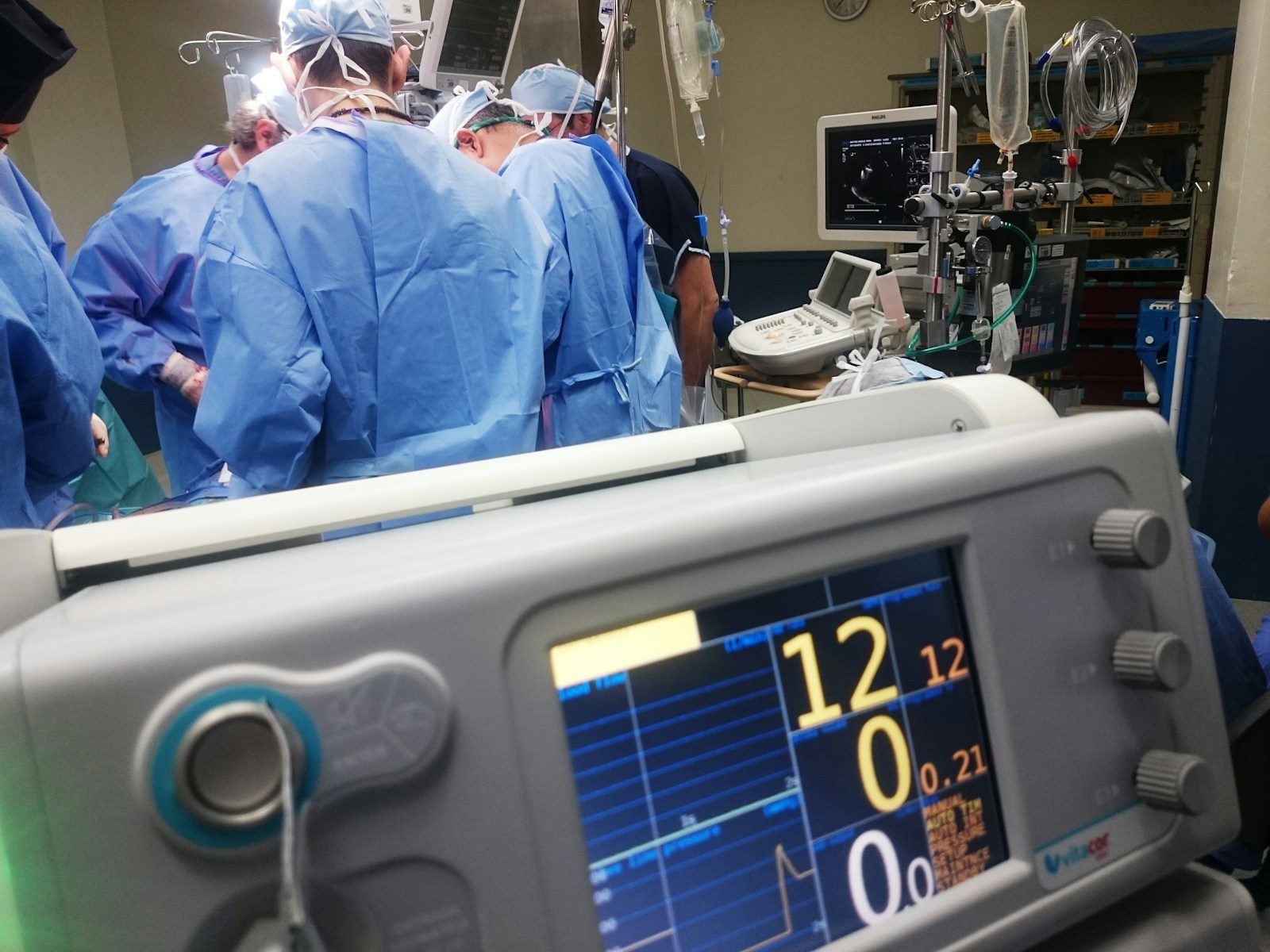
Adagio Medical has submitted a regulatory application to the U.S. Food and Drug Administration for a ventricular ablation system intended to treat ventricular tachycardia. The move matters because it could introduce a new, purpose-built tool for a difficult-to-treat arrhythmia that sends patients and clinicians hunting for safer, more reliable options right now.
Why It Matters
Ventricular Tachycardia (VT)
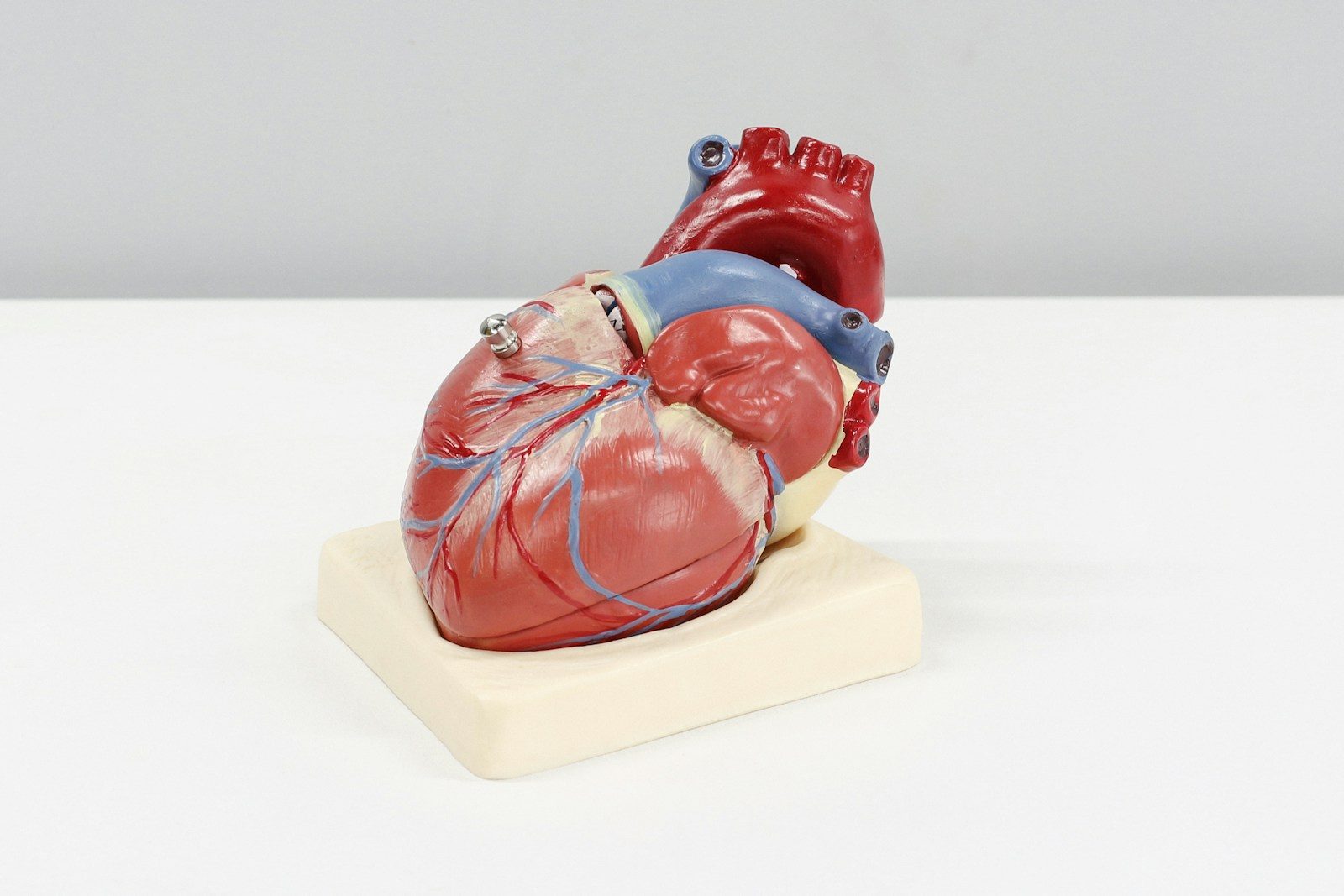
Ventricular tachycardia, often called VT, is a life-threatening heart rhythm problem that can occur in people with damaged hearts. For many patients, it is recurrent and stubborn, and the current approach mixes medical therapy, device therapy such as implantable cardioverter-defibrillators, and targeted procedures called ablations. Ablation can be lifesaving by eliminating the spots in the heart that trigger dangerous rhythms. But VT ablations are technically challenging, long, and often require highly specialized teams and equipment. A new device designed specifically for ventricular ablation could change that balance.
Clinicians and Health Systems
What clinicians and health systems care about is whether a new tool improves outcomes without adding new safety trade-offs. Early device development suggests potential improvements across a few key outcomes clinicians watch: procedural success, fewer repeat procedures, reduced need for antiarrhythmic drugs, and fewer painful or disabling shocks from defibrillators. If those benefits hold up after regulatory review and real-world use, the ripple effects would be substantial. Fewer shocks and less drug toxicity would improve quality of life for patients. Shorter procedures and more predictable results could lower resource use and cost per treated patient. And a device that is easier to use reliably could broaden access beyond a small number of specialized centers.
New Technology Risks
At the same time, questions remain. Any new ablation technology needs to be assessed for procedural risks that sometimes carry serious consequences. These include injury to nearby cardiac structures, bleeding, and the possibility that the arrhythmia will recur or that the procedure will leave patients dependent on other therapies. Regulatory approval is only one milestone. Clinicians and payers will watch post-approval outcomes closely. Long-term safety surveillance, independent registries, and head-to-head comparisons with established approaches will be necessary before practice patterns shift decisively.
What the Research Says
For electrophysiologists and cardiologists managing drug-refractory ventricular tachycardia (VT), traditional catheter ablation approaches present clear technical hurdles. Scar-mediated VT substrates in non-ischemic patients often sit deep within the myocardium, making them difficult to reach from a standard endocardial approach. However, newly released data from the pivotal FULCRUM-VT investigational device exemption (IDE) trial offer a highly compelling alternative, demonstrating that a novel ventricular ablation system can safely deliver deep, transmural lesions endocardially.
Presented at the Heart Rhythm Society late-breaking clinical trial session, the multi-center, single-arm FULCRUM-VT study evaluated the safety and effectiveness of the vCLAS Ventricular Ablation System (NCT05675865), manufactured by Adagio Medical. The trial enrolled 209 patients with structural heart disease across 20 centers in the United States and Canada. This cohort was notably challenging: the mean left ventricular ejection fraction (LVEF) was 35%, 79% of patients suffered from congestive heart failure, and 34% presented with non-ischemic cardiomyopathy (NICM).
Unprecedented Efficacy in Deep Myocardial Substrates
The core differentiator of the vCLAS system is its utilization of Ultra-Low Temperature Cryoablation (ULTA). Unlike radiofrequency energy, ULTA is designed to create large, durable, titratable lesions through thick tissue layers without the need for constant catheter irrigation or the concomitant use of nitroglycerin, streamlining workflow and reducing fluid-overload risks in heart failure patients.
The acute and mid-term data from the trial are encouraging:
- Acute Procedural Success: The system achieved a 98% rate of non-inducibility of targeted VTs at the end of the procedure, with a mean ablation time of 54 minutes per patient.
- Six-Month Freedom from Shock: Overall, 84% of patients achieved complete freedom from implantable cardioverter-defibrillator (ICD) shocks. Remarkably, this effectiveness was equivalent between ischemic (84%) and non-ischemic (85%) cohorts.
- Six-Month Freedom from VT Recurrence: 59% of patients remained free from any VT recurrence—defined rigorously as monitor-zone VT lasting greater than 30 seconds, anti-tachycardia pacing (ATP), ICD shock, or anti-arrhythmic drug (AAD) escalation.
Prioritizing Patient Safety and Medication Reduction
A primary goal of VT ablation is to mitigate the long-term toxicity of anti-arrhythmic regimens. At six months post-procedure, 72% of the FULCRUM-VT participants successfully discontinued or reduced their daily dose of amiodarone. Furthermore, the procedure maintained a favorable safety profile with an independent Clinical Events Committee-adjudicated Major Adverse Event rate of just 2.4%. The 30-day VT-related hospital readmission rate was remarkably low at 1.9%, establishing a favorable clinical benchmark. As Adagio Medical pursues Premarket Approval (PMA) from the FDA, these results highlight ULTA’s potential to shift the VT management paradigm—giving clinicians a predictable, endocardial-only tool to manage complex myocardial scarring without compromising anatomical safety.
Who It Affects
Patients
Patients with recurrent, drug-refractory ventricular tachycardia stand to be the most directly affected. These are often people with prior heart attacks or other forms of structural heart disease. Many already live with implantable cardioverter-defibrillators that deliver shocks when dangerous rhythms occur. For them, a successful ablation can mean fewer shocks, fewer hospitalizations, and a respite from powerful antiarrhythmic medications that carry side effects.
Clinicians
Electrophysiologists and the catheterization lab teams who perform ablations will also feel the impact. VT ablation is among the most technically demanding procedures in cardiac electrophysiology. Introducing a device that is purpose-built for ventricular lesions could alter the learning curve, instrumentation, and workflow in labs. That could open the door for more electrophysiologists to offer the procedure. But it could also shift training needs, as clinicians must learn the nuances of a new energy source and technique.
Hospitals, Payers, and Health Systems
Hospitals, payers, and health systems are stakeholders as well. Adoption of any new technology depends on demonstrable clinical value and a favorable cost profile. If the device reduces repeat procedures or hospital readmissions, it will be easier to justify the upfront capital and per-case costs. If not, institutions will be cautious. Insurers and government payers will demand evidence that the device improves outcomes in the real world, not just in early studies, before expanding coverage broadly.
What Changes
- Potentially expanded treatment options for patients with recurrent ventricular tachycardia who have not responded to drugs or defibrillator therapy. A purpose-built ventricular ablation tool could offer an alternative when current approaches are limited or risky.
- Shifts in clinical workflow and training. If the system proves faster or easier to use, more centers might offer VT ablation, but clinicians will need training on a new technique and on managing its specific safety profile.
- New considerations for payers and hospital budgets. Adoption will hinge on how the device affects overall costs of care. Reduced repeat procedures and fewer hospital admissions would support reimbursement. Conversely, high device or capital costs without clear downstream savings will slow uptake.
- Regulatory and post-market monitoring needs. Approval would start a period when clinicians, hospitals, and regulators gather real-world safety and effectiveness data. That data will shape guideline recommendations and payer policies.
Looking Ahead
Looking ahead, the arrival of another dedicated VT ablation option would prompt several practical next steps for the field. Professional societies will need to consider where the new tool fits within existing care pathways. Training programs will have to decide whether to add new modules and simulation time. Hospitals will weigh the economics: can a new device reduce the total cost of caring for high-risk VT patients, or does it add cost without enough offsetting benefit?
Implications for Patients
For patients, the promise is tangible but not automatic. Device innovations often show impressive results in controlled settings and early studies. Real-world practice is messier. Patients present with a wide range of anatomy, coexisting conditions, and prior interventions. Some will benefit greatly. Others will face the same risks that accompany any cardiac procedure. Shared decision-making will remain essential. Clinicians should discuss not only the technical success rates reported by device makers but also uncertainties about long-term durability, potential side effects, and alternative strategies, including medication adjustments or referral to specialized centers.
Additional Equity Issues
There are broader equity issues, too. VT disproportionately affects older adults and people with established heart disease, groups that already face barriers to specialty care. If the device truly lowers the skill threshold for safe, effective VT ablation, it could reduce geographic and socioeconomic disparities in access. But equitable roll-out requires deliberate planning. Training programs, reimbursement policies, and supply-chain decisions will determine whether community hospitals gain access or the technology remains concentrated in tertiary centers.
Regulatory Hurdle
Finally, the regulatory step itself is one of many gateposts. After formal review, the timeline to widespread use depends on several factors. Approval will be followed by coverage decisions from payers, investments by hospitals to acquire devices, and clinician adoption. Independent registries and post-market studies will be important to confirm early promises. If the device proves durable, safe, and cost-effective in diverse settings, it could become a routine option in the VT toolbox. If not, its use may remain niche.
Future Outlook
In short, the submission of a ventricular ablation system for regulatory review is newsworthy because it targets an unmet need in cardiology. The potential upside is large: fewer shocks, better symptom control, and less reliance on toxic medications. The path to that upside runs through careful regulatory evaluation, real-world outcome tracking, and thoughtful implementation. Clinicians, health systems, and patients will be watching closely as the review unfolds and as early adopters begin to report their experience in everyday practice.
References
- https://www.massdevice.com/adagio-submits-ventricular-ablation-system-fda/
- https://clinicaltrials.gov/study/NCT05675865
- https://investors.adagiomedical.com/news-releases/news-release-details/adagio-medical-announces-positive-pivotal-results-vclasr
One story a day
The story of the day, in your inbox
One health journey each morning — no advice, no alarm, just company for the road.