AI Reveals Hidden Communication Among Gut Microbes: The Microbial Code
The language of the gut microbes is fast becoming the key to unlocking individualised medicine.
 Written and medically reviewed byRayan SalihContributing writer · PharmD, RPh
February 24, 2026 · 5 min read
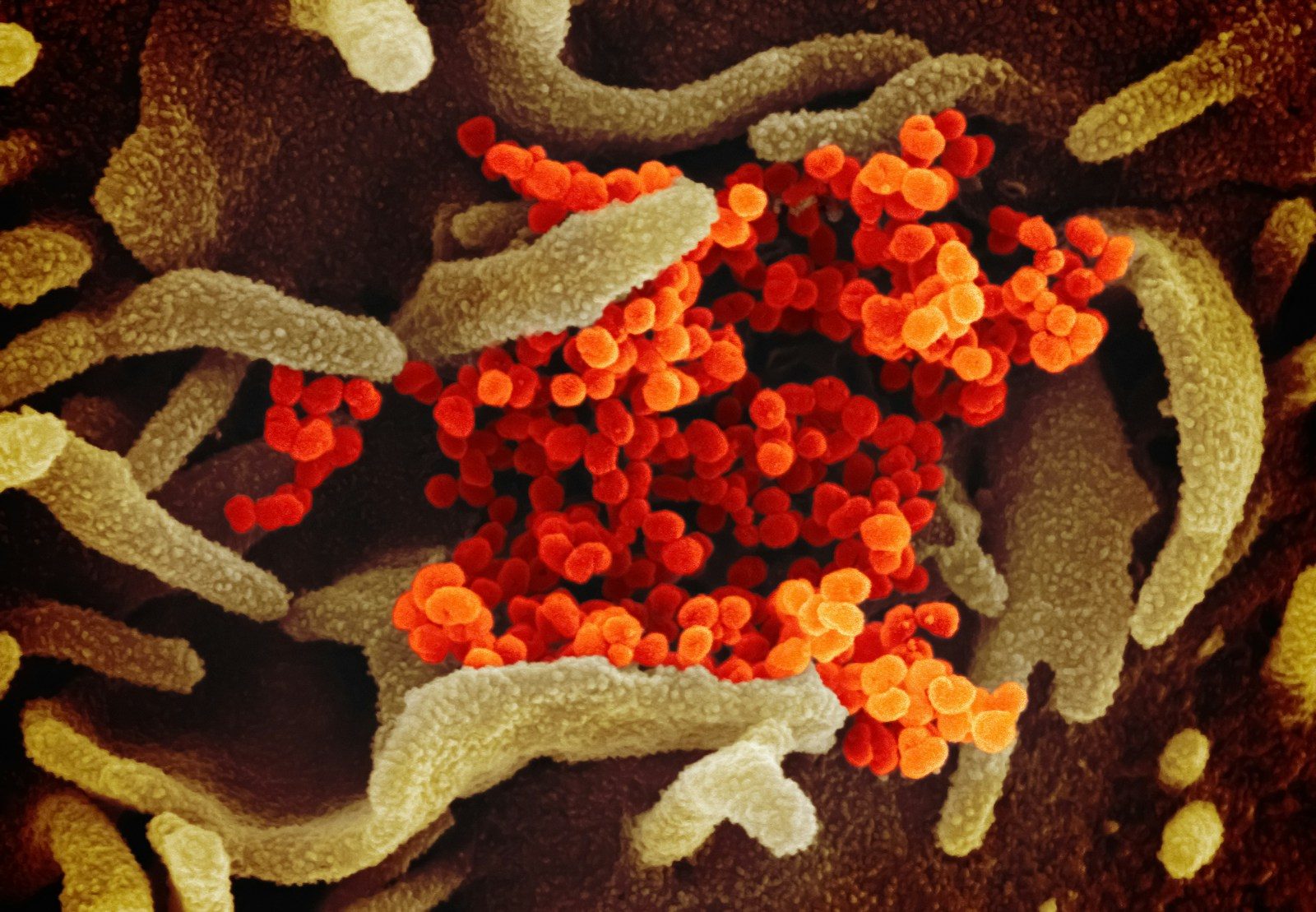
The language of the gut microbes is fast becoming the key to unlocking individualised medicine. Researchers at the University of Tokyo and their colleagues from countries and institutions around the world have created an artificial intelligence system that can read the intricate web of interactions in gut bacteria and match them with a person’s health and disease. The discovery promises to transform the largely reactive medical industry centred on illness into one that predicts disease and treats each individual differently, by prescribing the right diet based on a person’s unique gut microbiome.
Deciphering the Hidden Language of the Microbiome
The gut is no longer viewed as simply the digestive organ. It has been recognized as a major bioreactor and has been referred to as “the second brain.” The gut microbiota interacts with the central nervous system (CNS) in a bidirectional communication network called the Gut-Brain Axis (GBA). This new perspective is revolutionary, because studying the gut microbiota has revealed a complex language that requires the use of artificial intelligence to decipher its code, and uncovers secrets to metabolism and cognitive decline.
Why It Matters
Complexity Beyond Human Capacity
Our bodies are comprised of trillions of cells, but most of our “cells” are actually tiny microbes living inside of us in our gut – trillions of bacteria that play a huge role in our health and disease. They help us digest and metabolize nutrients. They help us have a robust immune system and fight off infections. They can affect our mood. Each of the over 1,000 identified species of gut bacteria has a unique set of genes, resulting in millions of genes being expressed by microbes living inside each of us. But using a reductionist approach to studying these bacteria has left many holes in our understanding of the effects of these microbes on our health and disease.
In addition to being commensal, mutualistic, or pathogenic, microorganisms can also affect human physiology by producing metabolites. To tackle these complex host/microbe interactions, large-scale projects such as the Human Microbiome Project (HMP) (http://hmpdacc.org) and the American Gut Project (http://americangut.com) are being launched to characterize the symbiotic relationships between humans and their associated microbial communities. The studies and data from these initiatives will not only greatly expand our knowledge of the field but will also expand our understanding of interactions with microorganisms that were previously unknown.
The Rise of VBayesMM and Advanced AI
Using AI technologies such as VBayesMM and Deep Learning techniques including convolutional and recurrent neural networks, a novel breakthrough has been achieved to address the challenges of the bio-data ‘noise’ using Bayesian analysis and multi-omics integration techniques. The analysis establishes connections between specific bacterial species and the respective metabolites they produce, in addition to revealing relationships between short-chain fatty acids (SCFAs), neurotransmitter metabolites (serotonin and GABA) and pro-inflammatory cytokines.
Learning about these metabolic pathways is really quite revolutionary! I was thinking just yesterday about how the various species of Bifidobacterium may produce metabolites that can reach the brain and decrease neuroinflammation. The future of treatment will be matching up individualised microbial profiles with individualised treatment strategies. Rather than treating the systemic symptoms of a number of different diseases individually, we will be tackling the root cause of disease.
Precision Medicine in the Age of Big Data
Scientists are working to map the intricate interactions of gut microbes in order to better navigate the route to personalized healthcare. For Neurodegenerative and Disease research, such as Alzheimer’s Disease (AD), Parkinson’s Disease (PD) and Amyotrophic Lateral Sclerosis (ALS), understanding the complex interactions of gut microbes will be key to identifying the causes and potential cures for these diseases. Artificial Intelligence (AI) can be applied to the analysis of large, complex multi-omics datasets, generated using genomic, proteomic and metabolomic techniques. By creating a ‘digital twin’ of an individual’s gut microbiome, doctors will be able to predict how that person will react to different foods and drugs.
Who It Affects
A Global Healthcare Shift
The results of this study could affect a variety of stakeholders and have an impact on both the medical and the social system.
Patients with Chronic and Neurodegenerative Conditions
We are recruiting patients with obesity, inflammatory bowel disease (IBD) and metabolic disorders for this study. Obesity has been shown to be associated with increased numbers of certain species of gut microbiota (see obesity studies). Additionally, an imbalance of gut microbiota, or dysbiosis, has been implicated in atherosclerosis of the coronary arteries and in hypertension.
Diabetics may be the primary beneficiaries of a developing area of research that couples AI with the study of the microbiome, but those with Alzheimer’s and Parkinson’s disease could also experience significant benefits. Early findings from researchers analyzing the data from microbial analyses using AI indicate that microbial dysbiosis, an imbalanced mix of normal gut bacteria, is often present for years before symptoms surface. Early diagnosis and treatment may be able to delay or even prevent symptoms of cognitive decline.
Clinicians and Specialists
Soon, Neurologists, Gastroenterologists and Primary Care Physicians will receive another valuable tool to practice medicine. Future systems powered by artificial intelligence will process tens of millions of articles, including millions of data points from numerous health and wellness sources in seconds to determine the exact probiotic or dietary approach that will provide the greatest health benefit for a patient. Doctors will become masters of precision prevention.
The Pharmaceutical and Biotech Industry
The pharmaceutical industry is moving from so called “blockbuster” drugs that are targeted at millions of patients to smaller markets that typically require more specialized delivery, often by mail, and typically are managed by specialists. To address various patient needs, pharmaceutical developers are increasingly turning to artificial intelligence to discover and develop a novel class of specialty drugs known as Live Biotherapeutic Products (LBPs), including modified strains of bacteria that colonize the gut and produce specific therapeutic compounds. This webinar will cover this emerging trend in pharmaceutical development, where technology meets biology.
Healthcare Systems and Policymakers
As researchers continue to unravel the complexities of the human microbiome, there is growing potential for this field to influence and improve patient care. Looking down at a stool sample could save billions in long-term healthcare costs as doctors are able to diagnose patients with pre-diabetes or pre-Alzheimer’s before symptoms ever appear. As researchers develop new diagnostics and treatments, government policymakers will need to establish laws to protect the sensitive data as well as create affordable pricing for all socio-economic statuses.
The Technical Frontier: How AI Empowers Research
Quantitative Real-Time Polymerase Chain Reaction (qPCR) methods and denaturing gradient gel electrophoresis (DGGE) are commonly used to investigate the gut microbiome. While quantitative qPCR can provide robust, quantitative data on taxa-specific abundances using highly specific primers, DGGE can discern differences in microbial communities with certain advantages, despite its low sensitivity.
A lot of researchers are starting to consider using AI to help study the gut microbiota. This post explores several different categories of AI techniques that have been applied to the field and sketches out where things currently stand.
One story a day
The story of the day, in your inbox
One health journey each morning — no advice, no alarm, just company for the road.