FDA Class I Recall Targets Medline Kits Containing Recalled BD ChloraPrep Applicators
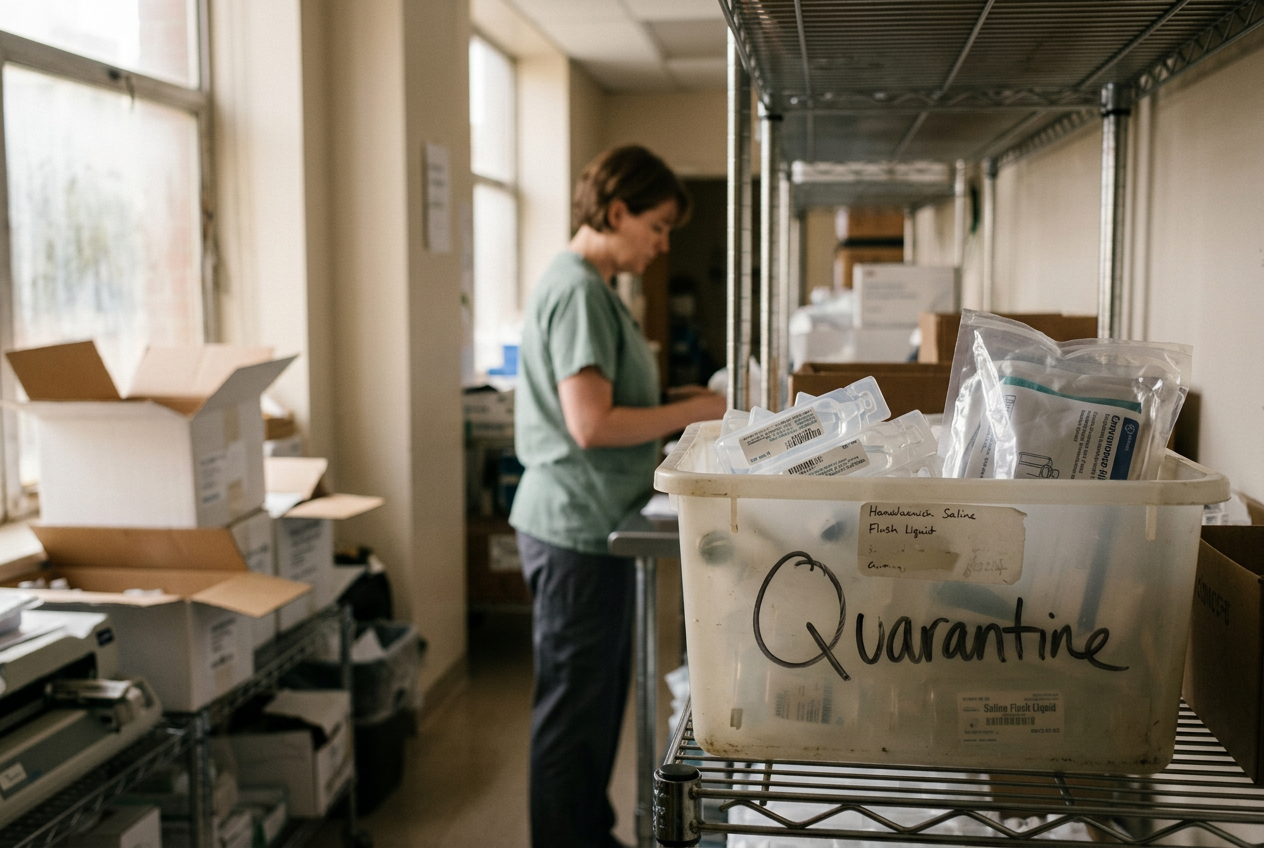
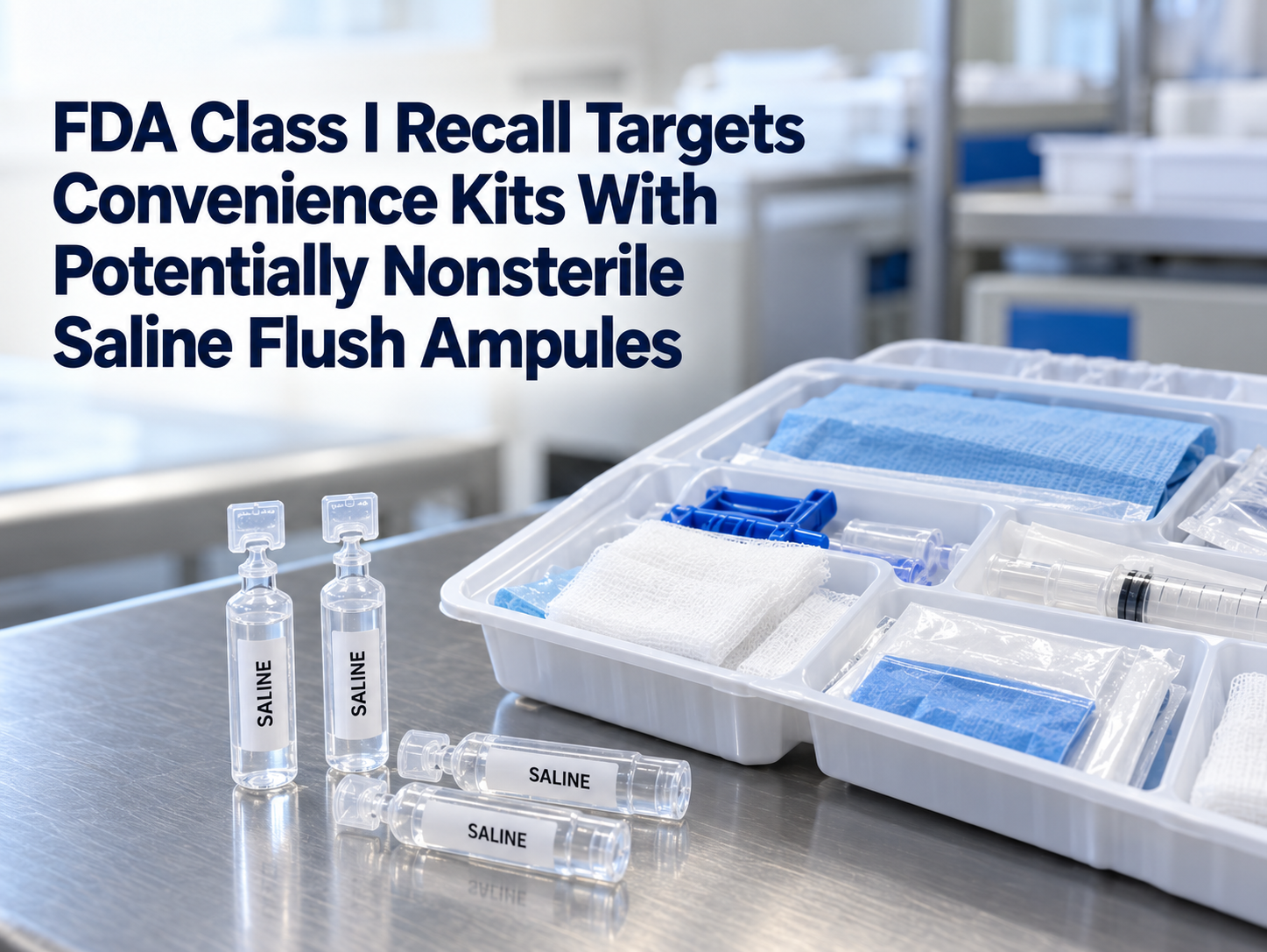
The Class I recall applies to Medline convenience kits containing affected BD ChloraPrep applicators. Facilities should quarantine listed inventory and assess patients with credible exposure and compatible illness.
 Written and medically reviewed byDr. Abu BakarContributing writer · PharmD, PhD (Pharmacology)
October 21, 2026 · 6 min read
What the Class I designation changes
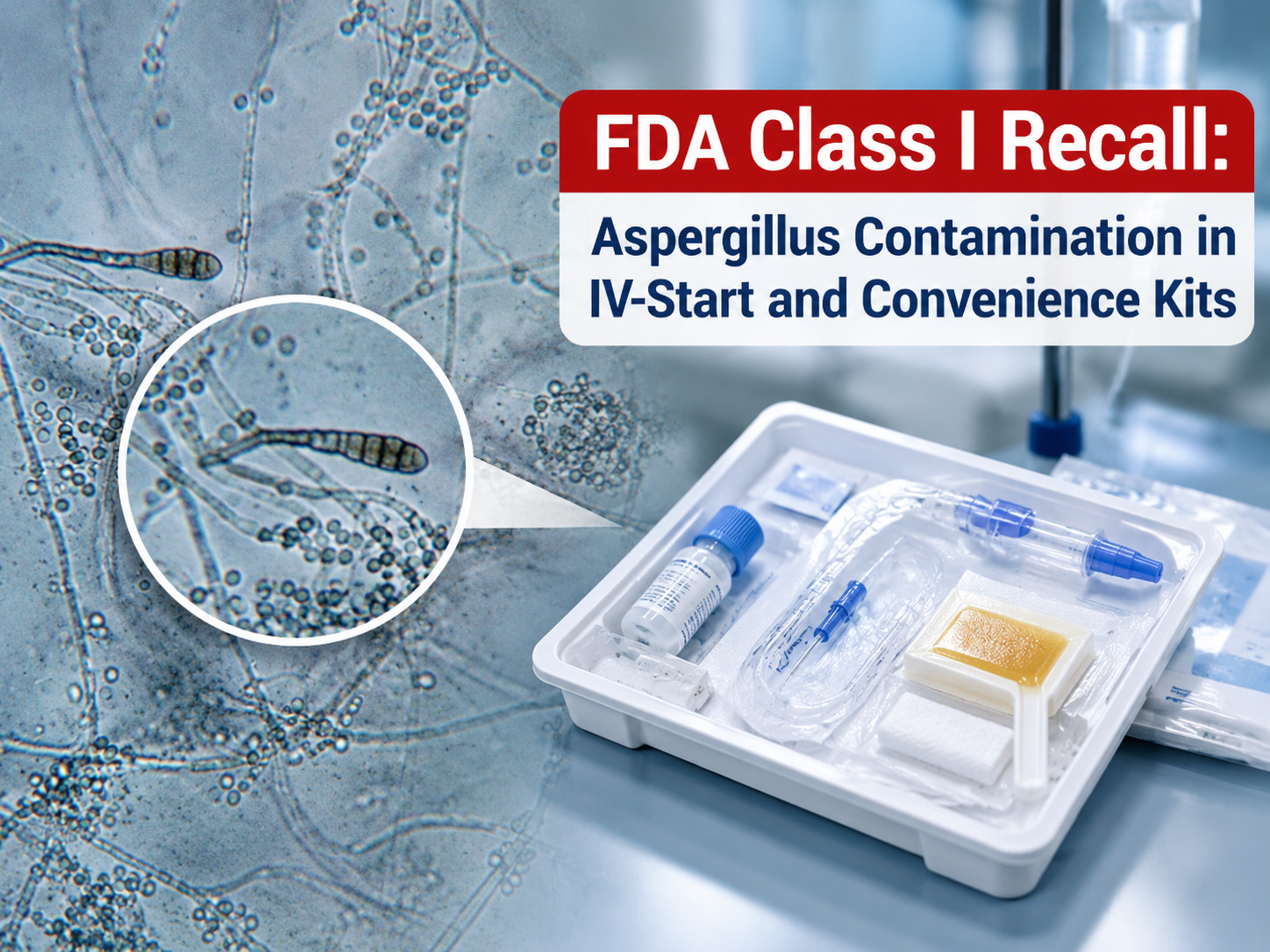
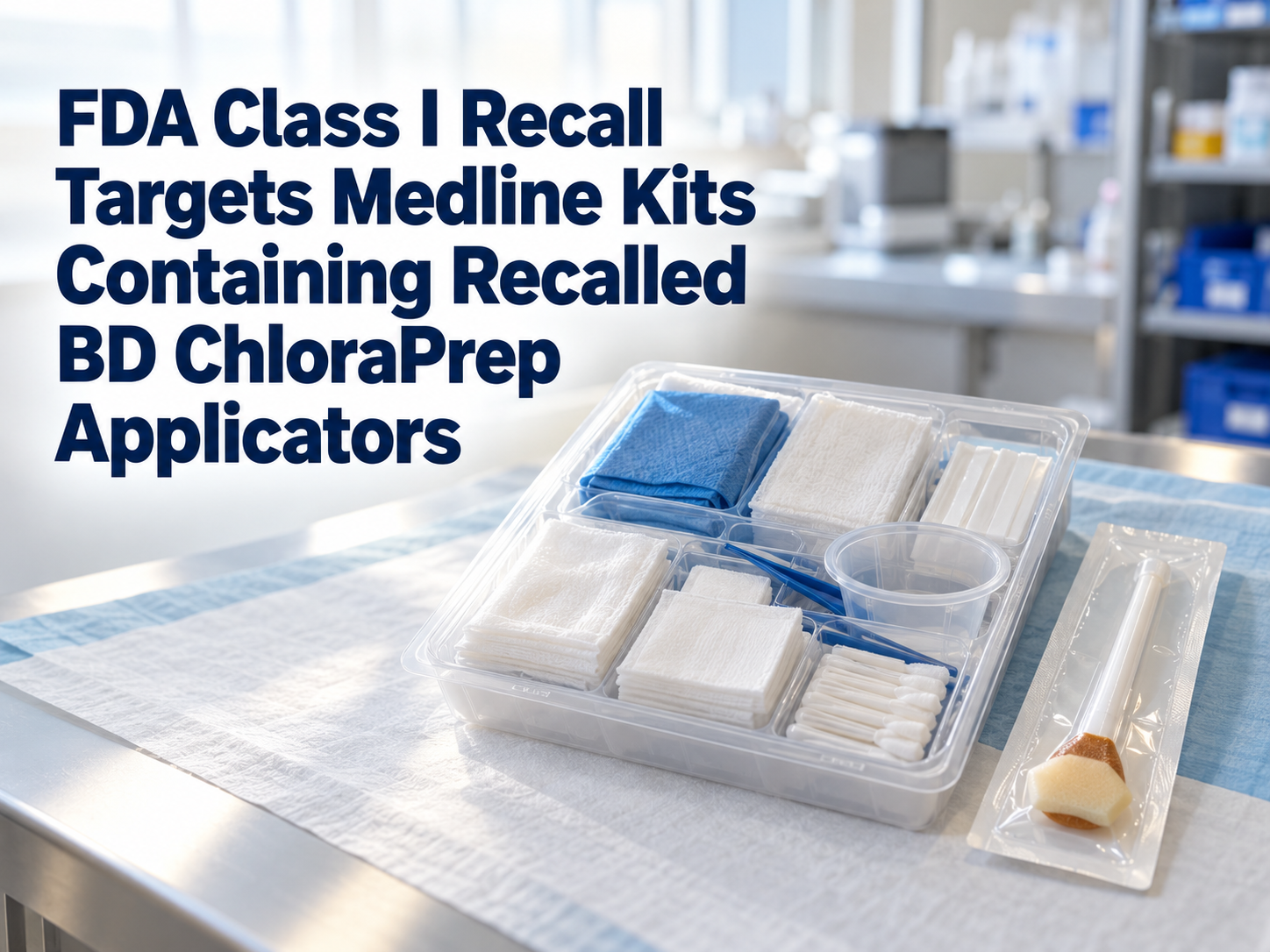
The recall concerns convenience kits assembled by Medline that contain BD ChloraPrep applicators affected by fungal contamination with Aspergillus penicillioides. It is a component-driven recall: a kit may be affected because it contains a recalled applicator even when the other components are not defective.
The FDA’s Class I designation is its most serious recall classification. It means there is a reasonable probability that use of, or exposure to, the affected product will cause serious adverse health consequences or death. The designation describes the potential severity of the hazard; it does not establish that every exposure causes infection or that all BD ChloraPrep products and convenience kits are affected.
The immediate operational task is therefore precise identification. Hospitals, ambulatory surgery centers, procedural clinics and other facilities should compare product codes, lot information and expiration details against the FDA notice and supplier communications. Brand recognition alone is insufficient, and broad removal of unaffected products could create avoidable shortages.
The contamination matters because ChloraPrep applicators are used to reduce microorganisms on the skin before procedures. A contaminated applicator could instead introduce fungal material at a vascular-access site, injection site, incision or other disrupted barrier. The FDA identifies potential outcomes including systemic infection, sepsis, serious illness and death.
Inventory containment and exposure tracing
Affected stock should be segregated wherever convenience kits may be stored, including central supply, operating rooms, catheter carts, emergency departments, interventional suites and off-site clinics. Unopened outer cases are not the only concern. Individual kits may already have been distributed to procedure areas, and applicators may have been removed from kits before the recall reached frontline teams.
A structured response reduces both missed inventory and unnecessary disruption:
| Priority | Operational action | Intended result |
|---|---|---|
| Identify | Match kit and applicator identifiers to the current FDA and supplier recall information | Distinguish affected inventory from unaffected products |
| Contain | Quarantine affected kits and prevent electronic or manual reissue | Stop further use while disposition is arranged |
| Reconcile | Search central, procedural, satellite and mobile stock locations | Account for redistributed or opened cases |
| Trace | Review available-use records for affected products | Define potentially exposed procedures and patients |
| Escalate | Notify infection prevention, clinical leadership, supply chain and risk teams | Coordinate clinical review and regulatory reporting |
| Replace | Source an unaffected antiseptic product under facility policy | Maintain procedural capacity without using recalled stock |
Facilities should preserve identifiers from packaging and purchasing records. These details support recall reconciliation, assessment of whether a particular procedure involved an affected product, and reporting of suspected adverse events. If identifiers cannot be confirmed, the uncertainty should be documented rather than converted into a definite exposure classification.
Exposure tracing should be risk based. Relevant factors include where the applicator was used, whether skin or another barrier was disrupted, whether a device was inserted, the time since the procedure, and the patient’s vulnerability to invasive fungal disease. Use on intact skin does not carry the same plausible pathway as use immediately before central venous access or surgery.
Clinical response after possible exposure
A recalled-product exposure is not itself a diagnosis of aspergillosis or sepsis. Clinical assessment should be driven by the exposure pathway and the patient’s condition. Fever, hemodynamic instability, progressive localized inflammation, drainage, unexplained organ dysfunction or illness near a procedural site warrants prompt evaluation through established infection and sepsis pathways.
Patients with neutropenia, hematologic malignancy, transplantation, substantial immunosuppression or other major immune impairment may be more susceptible to invasive aspergillosis. However, contamination associated with a procedure can also be clinically relevant outside those groups, particularly when an applicator was used near an incision, catheter insertion site or other portal into deeper tissue.
Diagnostic decisions should reflect the suspected site and syndrome. The CDC notes that aspergillosis can range from localized disease to invasive infection and that diagnosis may require clinical assessment together with imaging, microscopy, culture, histopathology or fungal biomarkers. A negative routine bacterial culture alone does not necessarily exclude an invasive mold infection.
The recall notice does not, by itself, create an indication for empiric antifungal treatment, prophylaxis or testing of every asymptomatic person who may have been exposed. Those decisions require individualized assessment of symptoms, host risk, procedure type and diagnostic findings, ideally with infectious-disease and infection-prevention input when invasive fungal infection is plausible. No antifungal dosing can be inferred from the recall classification.
If sepsis is suspected, care should not wait for species confirmation. Standard sepsis recognition, stabilization and source evaluation remain central while clinicians investigate bacterial, fungal and other causes. Relevant product identifiers and the procedural timeline should accompany consultations so that the possible recalled-device exposure is not lost during escalation of care.
Interpreting the fungal hazard
Aspergillus species are environmental molds whose spores are commonly encountered, but invasive disease is not a routine consequence of ordinary environmental exposure. The concern here is different: contamination of a product used for procedural skin antisepsis may create a direct opportunity for inoculation at a vulnerable site.
The organism named in the recall is A. penicillioides. Evidence about the frequency and clinical course of infection specifically caused by this species is limited compared with better-characterized invasive Aspergillus species. Clinicians should therefore avoid assuming either that the organism is harmless or that exposure inevitably progresses to invasive disease.
The Class I classification communicates the seriousness of a credible worst-case outcome, not an exposure-specific probability. Individual risk cannot be calculated from the classification alone. It depends on the degree of contamination, whether the recalled component was actually used, the procedure performed, barrier disruption and host susceptibility.
What remains uncertain
This is a regulatory safety action, not a comparative clinical study. There is no randomized population, comparator group, effect estimate, confidence interval or defined follow-up period from which to quantify the absolute risk of infection after use. The FDA notice should be checked for updates to affected products, distribution details, recall instructions and reported outcomes.
The public information also cannot resolve every bedside question, including the incubation period for a product-related infection, the value of screening asymptomatic exposed patients or the most appropriate duration of active follow-up. Facilities will need to combine the recall record with their own product-use documentation and established infection-prevention processes.
These limitations make accurate tracing especially important. Overly broad labeling of patients as exposed can generate unnecessary testing and anxiety, while incomplete inventory reconciliation can miss clinically meaningful use. The evidence supports rapid containment, documented exposure assessment and prompt evaluation of compatible illness—not assumptions about an individual patient’s outcome.
Questions clinicians ask
Does the recall apply to every BD ChloraPrep applicator?
No. The FDA action identifies specific convenience kits containing applicators affected by the underlying BD ChloraPrep recall. Clinicians and supply teams should use the current product, lot and expiration information in the FDA and supplier notices rather than treating all ChloraPrep inventory as recalled.
Should every potentially exposed patient receive fungal testing?
The recall classification does not establish a universal screening protocol for asymptomatic patients. Testing decisions should consider whether an affected applicator was actually used, the procedural site, barrier disruption, elapsed time, symptoms and host susceptibility, with infectious-disease input when invasive fungal infection is clinically plausible.
What should raise concern after a procedure?
Concern should increase with fever, worsening pain or inflammation at the procedural site, drainage, unexplained systemic illness, hemodynamic instability or organ dysfunction after credible exposure. These findings are not specific to aspergillosis, so evaluation should address bacterial infection, invasive fungal disease and other procedural complications without delaying sepsis care.
How should a suspected event be documented?
Record the kit and applicator identifiers when available, procedure date and site, exposure circumstances, symptom timeline, diagnostic findings and clinical outcome. Preserve packaging or photographs if permitted, notify infection prevention and supply-chain teams, and follow institutional procedures for manufacturer and FDA adverse-event reporting.
References
1. Convenience Kit Recall: Medline Removes Convenience Kits Affected by BD ChloraPrep Applicator Recall — US Food and Drug Administration, 2026 2. What Is a Medical Device Recall? — US Food and Drug Administration, n.d. 3. Clinical Overview of Aspergillosis — Centers for Disease Control and Prevention, n.d.
One story a day
The story of the day, in your inbox
One health journey each morning — no advice, no alarm, just company for the road.