Chronic Kidney Disease Screening Via Mobile Health Units
Chronic kidney disease (CKD) screening via mobile health units is emerging as a practical way to reach people
 Written and medically reviewed byDr. Abu BakarContributing writer · PharmD, PhD (Pharmacology)
May 9, 2026 · 7 min read
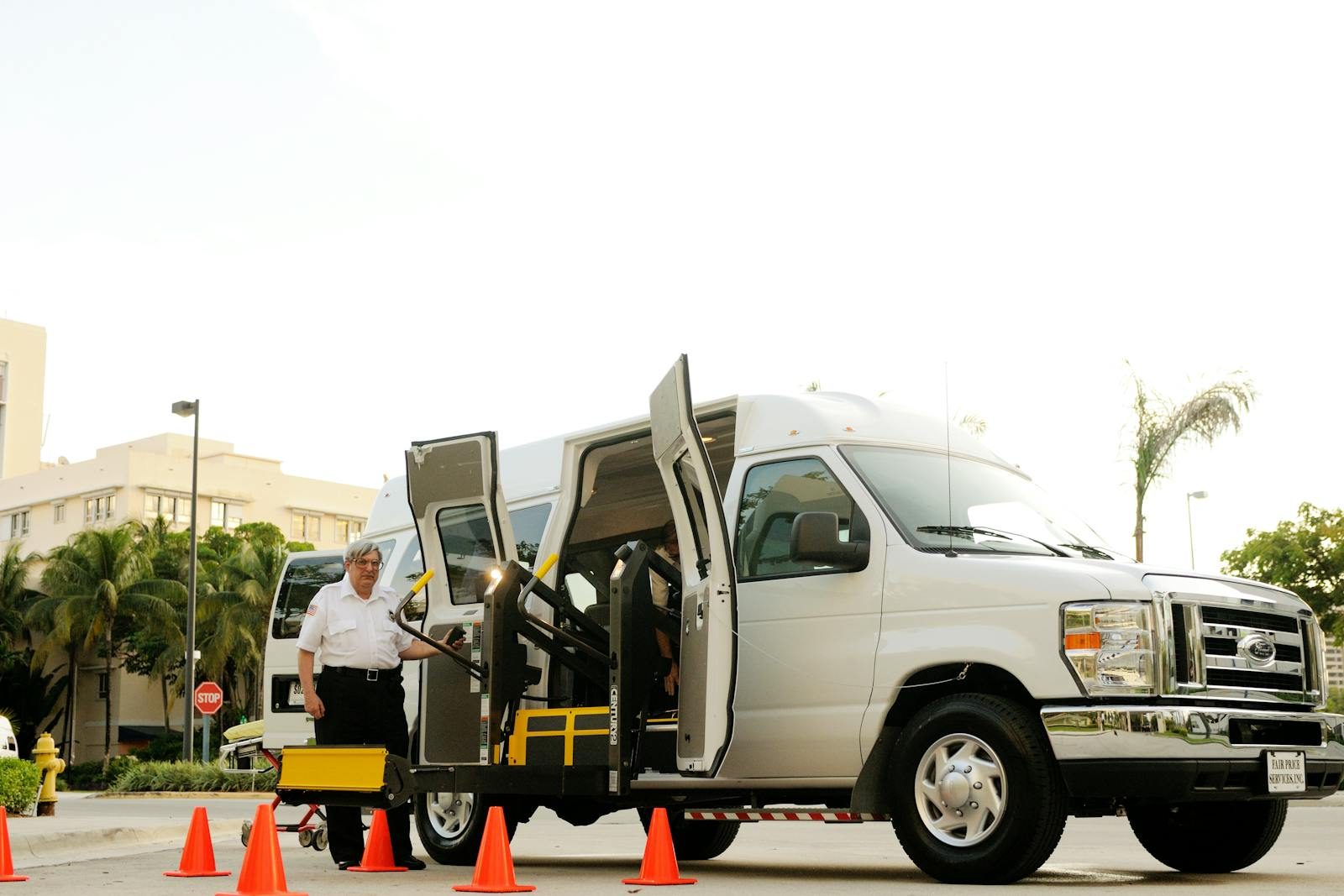
Chronic kidney disease (CKD) screening via mobile health units is emerging as a practical way to reach people with early kidney damage in their daily environments. By testing people where they live, work and shop, mobile clinics can catch signs of kidney trouble before symptoms appear. This gives a quick glimpse of kidney health and alerts both the patient and the care team to follow up if needed. Early diagnosis matters because it lets doctors slow CKD’s progress with treatments like blood pressure or glucose control and protective medicines.
Why It Matters
Most patients suffering from early-stage CKD will be unaware that they are affected because CKD causes no or few symptoms. In the United States, millions of adults suffer from CKD, but most cases remain undetected. Health authorities recommend screening people who have some risk factors such as diabetes, high blood pressure, and heart diseases. However, if we start screening patients who are at high risk for developing CKD, for instance, patients with diabetes and high blood pressure, we may be able to manage the condition before it progresses further. Simple measures like proper management of blood pressure or glucose levels as well as administering drugs that protect the kidneys such as ACE and SGLT2 inhibitors can significantly improve health outcomes. Not only does community screening offer individual advantages but also alters the approach to planning and financing healthcare services. Health systems and insurance providers are questioning whether outreach programs can actually avoid costly complications down the road. For instance, approximately 12% of individuals screened in Detroit suffered from CKD of a moderate to severe degree, which is twice the national average prevalence rate. Thus, outreach programs enable the identification of diseases that remain hidden among the community’s population. If mobile screening can lead to treatment and subsequent disease management, it may be considered an effective component of value-based healthcare service delivery, in which health providers receive incentives for maintaining the health of patients and avoiding any complications. Without a guaranteed follow-up on the part of outreach programs, however, mobile screening may become a single event rather than a continuous process.
Who It Affects
High-risk populations susceptible to underdiagnosed CKD include the elderly, those with diabetes or hypertension, and some races/ethnicities. For instance, the prevalence of CKD is higher in Blacks and Hispanics. Individuals residing in rural or poor urban settings usually do not have access to healthcare facilities and thus cannot make frequent visits to their doctors. Mobile screening is most appropriate for those who are infrequent clinic attendants such as night-shift workers or those without transportation means to take them to health care facilities.
Mobile clinics tend to attract older men and other underserved groups. These programs often reach people at very high risk who have missed routine care. For example, an Italian mobile health initiative mostly drew men and immigrants ages 50–69, and found that over 40% had uncontrolled high blood pressure (many unaware of it) and 7% had undiagnosed diabetes. This kind of outreach uncovers health problems that traditional models might miss.
Community health workers, nurses, and local organizations also play a crucial role. Mobile units are usually staffed by a mix of clinicians and community health workers who know the neighborhood. These team members explain results in clear language, arrange follow-up appointments, and help with insurance or transportation. When mobile clinics partner with trusted local groups – such as churches, community centers, or employers – people are more likely to come and feel comfortable. Teams often set up at community events, workplaces, or markets during busy hours to reach more people.
Healthcare providers feel the impact as well. Primary care physicians will unexpectedly start getting laboratory results back from patients they did not think would ever be identified. This offers the physician an opportunity as well as a challenge. The physician can take a proactive role by initiating early CKD interventions, such as better control of blood pressure levels, medications, dietary guidance, exercise routines, and safe use of drugs. The physician will be faced with the task of performing further testing using regular laboratory tests. This requires additional effort for the physician and staff, such as nurses.
What Changes
- Screening moves out of clinics and into neighborhoods. In practice, this means many more people with undiagnosed CKD are likely to be identified, especially those who lack access to routine care. Some programs also bundle CKD tests with other screenings. For instance, units used for COVID testing have been expanded to include diabetes (HbA1c) and cholesterol checks, so each community visit becomes a broader health check. Mobile units typically carry point-of-care tools: blood pressure cuffs, devices that estimate kidney filtration (eGFR) from a finger-prick blood test, and urine dipsticks for albumin. In such cases, an unusual result does not necessarily mean the individual suffers from the condition; rather, it identifies the potential patient requiring further testing.
- Linking tests to follow-up is critical. A mobile screening program should include care navigators or community workers on site to arrange next steps. This could mean scheduling a doctor’s appointment or telehealth visit soon after screening. For example, if a unit finds low eGFR or significant protein in the urine, the staff helps that patient get a full lab panel and specialist consult within a few weeks. These “warm hand-offs” ensure screening leads to diagnosis and care. Without that link, people might get anxious about a result and then never follow up with a doctor.
- Clinical workflows need adjusting. Clinicians should be prepared to receive new results following the screening process within communities. In case there are any abnormal results of the POC screening, they will require verification through a standard laboratory testing. In case albuminuria is noted among patients, the guidelines recommend that the same be tested again and that potential causes including infections, physical activity or specific types of medications are excluded before any further action is taken. During the follow-up session, clinicians need to look into the general cardiovascular fitness of patients which includes assessing their blood pressure levels, blood glucose levels, and cholesterol.
- Data integration and technology matter. Ideally, the findings from the mobile unit should be directly uploaded into the EHR of the patient. That usually implies using mobile devices which automatically upload data into the EHR of the patients at the clinics’ systems. New technologies are making this process even more seamless with the development of better POC testing tools and applications. Telemedicine can become another instrument to help patients – doctors can make appointments with them for consultation right after performing screening. In the future, artificial intelligence may also contribute to risk evaluation and prioritize patients for consultations.
- Payments and policy must adapt. Fee-for-service billing doesn’t always pay for community screening. Successful mobile clinics often use mixed funding: grants, health system investment, and partnerships with insurers. For example, a health plan focused on diabetes management might cover kidney tests for its members. Policymakers are also studying whether mobile screening cuts costs over time. If outreach can be shown to reduce hospitalizations and dialysis starts, it strengthens the case for regular funding of these programs. Some states and health plans are now recognizing mobile screening as preventive care, offering reimbursement for outreach testing when it’s part of a broader care program.
- Equity and social supports are part of the package. Testing in a van alone won’t close care gaps. The strongest programs pair screening with help for social needs. That means offering language services or translators for people who don’t speak English, and connecting patients to resources if they face issues like food insecurity, housing instability, or trouble affording medicines. Community health workers from the neighborhood often help with these challenges because they understand the culture and barriers their neighbors face. Many programs also invest in training – staff must be skilled in taking samples, explaining results, and navigating care. Having bilingual or culturally similar team members can build trust and improve follow-up success.
- In summary, community screening changes many things. More at-risk people will be found outside the usual healthcare system. Workflows must shift so that each mobile test is linked to clear next steps: referrals, confirmatory lab work, and follow-up visits. Clinicians should be prepared for new results and have plans to manage them. On the policy side, success means combining technology, community trust, and prevention-focused funding models. The challenge isn’t whether mobile screening can find disease – it can. The challenge is making sure each positive screen leads to sustained care and better outcomes.
References
- Lederer S, Ruggiero L, Sisen NM, Lepain N, Grubbs O’Connor K, Wang Y, Chen J, Lash JP, Fischer MJ. The National Kidney Foundation of Illinois KidneyMobile: a mobile resource for community based screenings of chronic kidney disease and its risk factors. BMC Nephrology. 2018.https://pmc.ncbi.nlm.nih.gov/articles/PMC6203277/
- Centers for Disease Control and Prevention (CDC). Screening for Chronic Kidney Disease (CKD). CDC. 2025. https://www.cdc.gov/kidney-disease/hcp/ckd-screening/index.htm
- Kidney Disease: Improving Global Outcomes (KDIGO). KDIGO 2024 Clinical Practice Guideline for the Evaluation and Management of Chronic Kidney Disease (CKD). KDIGO. 2024.https://kdigo.org/guidelines/ckd-evaluation-and-management/
- American Diabetes Association Professional Practice Committee. Chronic Kidney Disease and Risk Management: Standards of Care in Diabetes—2026 (Section 11). Diabetes Care. 2026. https://diabetesjournals.org/care/article/49/Supplement\_1/S246/163914/11-Chronic-Kidney-Disease-and-Risk-Management
One story a day
The story of the day, in your inbox
One health journey each morning — no advice, no alarm, just company for the road.