Detecting Pheochromocytoma Before Heart And Kidney Damage
Pheochromocytoma is a rare, life-threatening tumor of the adrenal glands that can cause sudden surges of stress hormones
 Written and medically reviewed byDr. Abu BakarContributing writer · PharmD, PhD (Pharmacology)
March 11, 2026 · 9 min read
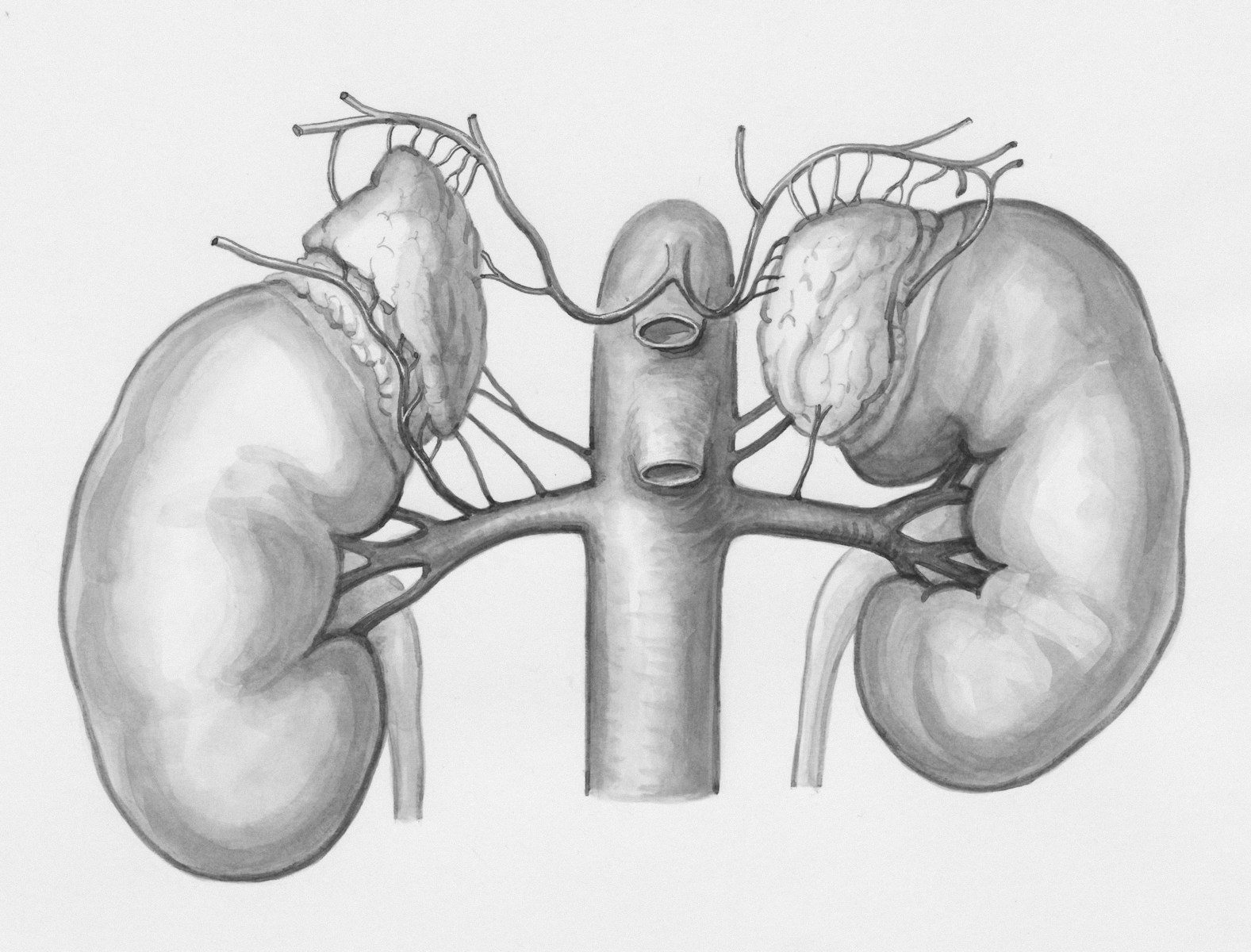
Pheochromocytoma is a rare, life-threatening tumor of the adrenal glands that can cause sudden surges of stress hormones in the blood. People with pheochromocytoma experience occasional episodes of skyrocketing blood pressure, which can bring on headaches, palpitations, and sweating. These episodes of increasing blood pressure can occur at random, and may even resemble symptoms of anxiety. Recurring episodes can result in elevated levels of catecholamines, which can gradually put the cardiovascular and renal systems on the defensive. Eventually, these hormonal surges can cause irreversible changes to the heart, lead to irregular heartbeat, or damage critical blood vessels. Detecting this rare tumor before it can damage vital organs is a major public health priority for researchers and clinicians today. Early treatment is key.
Healthcare providers in all medical disciplines, including primary care, endocrinology, emergency medicine, and surgical oncology, need to know how to recognize pheochromocytoma to prevent irreversible organ damage to their patients. While patients with pheochromocytoma become familiar with the varied spectrum of clinical manifestations, their diagnosis and treatment can occur by unexpected route through the health care system for symptoms that appear to be unrelated to this condition. Therefore, improving awareness of pheochromocytoma among healthcare providers, facilitating access to diagnostic tests and appropriate referrals for patients who may have this disease, and strengthening connections between healthcare providers are essential measures to prevent the typical delayed diagnosis of this disease. However, with early diagnosis of the tumor, whether benign or malignant, patients can expect to return to normal blood pressure levels and avoid life-long consequences of hypertension on the heart and kidneys that are so often seen with delayed diagnosis attributed to diagnosis of primary hypertension. Therefore, it is essential for healthcare providers to understand how pheochromocytoma differs from primary hypertension.
Why It Matters
Doctors first think of the common causes of high blood pressure, or what is called primary hypertension. These are things such as your lifestyle, your age, the stress of modern living, and the role of genetics. For most adults, primary hypertension is the cause of high blood pressure. However, pheochromocytoma does not act like typical high blood pressure. Pheochromocytomas cause surges of high blood pressure. These spikes can be very high and occur quite suddenly. The peaks of blood pressure can create tremendous stress on your heart and cause more damage than chronic high blood pressure. Recurrent blood pressure spikes can lead to left ventricular dysfunction, dangerous arrhythmias and heart failure. Hypertensive crises can also cause permanent renal damage leading to chronic kidney disease by affecting the blood vessels that supply blood to the kidneys.
Early diagnosis and treatment for these tumors can make a huge difference for patients. Simple surgical removal of the tumor can cure the patient of high blood pressure, preventing years of organ damage. However, if left untreated, these tumors can lead to emergencies related to high blood pressure such as hypertensive crises and chest pain, resulting in hospitalizations and intensive treatments like dialysis for kidney damage or care in the cardiac intensive unit. Patients, their families, and their healthcare providers bear significant costs and suffer a diminished quality of life. Early detection of the need for psychological intervention is important not only for the patient’s relief from suffering, but also due to the growing problem of chronic diseases and the optimal use of healthcare resources.
Pheochromocytoma is a rare endocrine neoplasm that presents unique challenges to patients and to healthcare systems tasked with its management. Pheochromocytoma is a disease that involves the intersection of multiple medical disciplines, including primary care, emergency medicine, endocrinology, cardiology and nephrology. The successful detection and diagnosis of pheochromocytoma, therefore, requires a number of clinician and healthcare system elements to be in place, including education on the diagnosis, guidelines for screening, access to timely laboratory testing and imaging, and timely referral to specialist medical physicians. Many patients with pheochromocytoma are underserved and seek care in resource-poor settings where the risk of incorrect diagnosis, delayed diagnosis, and serious adverse outcomes is particularly high. We address the disease recognition for rare diseases as a priority area for healthcare system improvement.
Who It Affects
Pheochromocytoma is a rare tumor of the adrenal gland. The symptoms of pheochromocytoma typically occur in episodes of short duration. In addition to sustained high blood pressure, typical symptoms of pheochromocytoma include headaches, palpitations, sweating, and unexpected increases in blood pressure. Hypertension is a common problem in medicine, and the majority of patients with high blood pressure have “treatable” or “controlled” hypertension. However, the Department of Endocrinology and Metabolism is frequently called upon to evaluate patients with treatment-resistant or “uncontrollable” high blood pressure. Most patients with pheochromocytoma have had months or even years of symptoms and medical visits before the correct diagnosis is made. These patients have typically been told their symptoms are related to anxiety or panic attacks; are caused by an overactive thyroid gland; or result from an imbalance of hormones that control growth and metabolism.
All physicians need to know about early detection. Primary care physicians need to know how to detect undiagnosed hyper tension and unidentified endocrine causes of symptoms. Emergency physicians need to know how to diagnose severe hyper tension and chest pain that is caused by an excess of adrenal hormones such as aldosterone, androgens and estrogens. Cardiologists need to know the effects of chronic catecholamine exposure on the heart including arrhythmias and heart failure. Nephrologists need to know how high blood pressure can cause permanent kidney damage. Our endocrinologists are leading the charge in diagnosing and treating this rare type of tumour. Our nursing and allied health professionals and patient advocates are there to educate patients and their families about the tumour and manage symptoms, as well as the many practical considerations of treatment and follow-up. If an hereditary cause is suspected, patients and their families are referred to a genetic counsellor to discuss screening options, and longer-term implications for family members.
In addition to treating patients, diagnosis and monitoring of disease places significant demands on health systems and payers. Early detection of disease can prevent severe and costly complications; however, only using diagnostic biochemical tests and imaging studies appropriately can help to avoid unnecessary tests and limit false positives. Politicians and health administrators have difficult decisions to make about the affordability of such tests, timely diagnostic evaluation and even genetic counselling and referral. Finding an appropriate balance is crucial to achieve sustainability of health systems and equitable access to diagnosis and monitoring that is timely and effective.
What Changes
- Raise clinical suspicion: Clinicians should consider pheochromocytoma in people with sudden, severe blood pressure spikes, paroxysmal symptoms (headache, sweating, palpitations), resistant hypertension, or unexplained cardiac or renal injury — especially in younger patients or those with a family history of related tumors.
- Strengthen diagnostic pathways: Faster access to recommended biochemical tests and timely imaging, along with clear referral pathways to endocrinology, reduces delays that allow heart and kidney damage to accumulate.
- Integrate genetic evaluation: When family history or age at presentation suggests a hereditary syndrome, offering genetic counseling and testing can identify at‑risk relatives and change surveillance strategies.
- Support coordinated care: Multidisciplinary teams — including primary care, endocrinology, cardiology, nephrology, nursing, and genetic counseling — improve patient experience and outcomes by aligning preoperative preparation, surgical planning, and long‑term follow‑up.
Why early detection is clinically complex
The episodic nature of pheochromocytoma, or the “great mimicker” of medicine, often masquerades as symptoms of anxiety or intermittent palpitations or headache and is therefore managed by a variety of physicians. The measurement of blood pressure poses an unusual diagnostic challenge because it is quite easy to miss the diagnosis because the hypertensive surge, which is a hallmark of pheochromocytoma, is not present at the time of the blood pressure measurement. This clinical scenario poses two important questions: Which patients should be tested for pheochromocytoma, and when?
Screening all patients for pheochromocytoma is not cost or time effective; on the other hand, delaying the diagnosis of pheochromocytoma until evidence of organ damage becomes apparent is expensive for the patient and the health care system. Therefore, a targeted approach to screening for pheochromocytoma, identifying clinical presentations that suggest the possibility of the tumor is most reasonable. Providing physicians with guidance and increasing their knowledge about the “red flags” for pheochromocytoma and appropriate approach to evaluation will help to decrease the number of pheochromocytomas that are not identified as well as the number of unnecessary evaluations.
Patient experience and care considerations
Patients with rare endocrine tumors can be somewhat confused or unsure as to the illness itself, as well as very concerned about issues related to surgical therapy and long term follow up. While relief is felt that a diagnosis has been made for their symptoms, they are worried that they need surgery and that they may have complications from the procedure. They are also concerned about whether or not they will require long term follow up for recurrence or persistence of hypertension, as well as potential genetic defects. It is very important to us to plan your preoperative medical management to avoid any potential perioperative complications.
We try to discuss the process of investigation and treatment options, and any follow up and outcomes with people with high blood pressure to reduce confusion. We can discuss the use of symptom diaries, home blood pressure monitoring and how we can help people attend specialist clinics to support taking medication correctly and improve outcomes. We can discuss whether surgery may be an option for individuals with high blood pressure and the potential benefits and risks of genetic testing. We are able to provide information and resources for individuals to make decisions about their lifestyle and provide advice regarding diet and exercise. We are also able to sign post to support groups, and provide details of patient education resources.
System and policy implications
Providing good access to health care, while at the same time using health care resources responsibly, is a problem for many health systems. Reimbursement policy for biochemical and imaging tests therefore needs to avoid delay in diagnosis. Telemedicine can facilitate early specialist assessment at remote centers. The return on investment for clinician education is the number of missed initial diagnoses of hypertensive disorders that would otherwise result in delay in diagnosis and inappropriate management for more complex cardiac or renal disease.
When deciding on criteria for early compared with delayed screening, consideration should be given to the workforce capacity to manage children with signs or symptoms of late onset congenital hypothyroidism. In many regions endocrinologists, and especially those able to perform surgical procedures for ectopic thyroid tissue, are based in tertiary centres. In addition to improving timely referral, regional networks of care and agreed referral pathways could enable appropriate distribution of resources.
Registries and quality improvement projects could monitor time to diagnosis in children screened at the current threshold, and monitor the effects on growth, IQ and thyroid function in childhood and adult life to help decide whether to lower or increase the threshold for screening.
What comes next
Future progress will depend on better clinician awareness of the condition, targeted screening and better integration of genetic services into clinical care where relevant. Advances in diagnostic testing and imaging will lead to pre- and post-symptomatic diagnosis in PH. Digital technologies can monitor for symptoms and record blood pressure readings in between clinical visits to capture the individual episodes of symptoms that are currently not recorded during the clinical visit.
To address health disparities, there are policy strategies that need to be implemented by providing reimbursements for best‑practice diagnostic pathways and providing access to telehealth specialist visits. Clinicians will first need to be aware of common “red flags” for genetic conditions and then use selective testing throughout the diagnostic process, which will often involve a team of clinicians from multiple disciplines from the beginning. Additionally, patients and families should be made aware of genetic counseling services when appropriate based on family history and age of onset.
Early detection of pheochromocytoma, before irreversible organ damage occurs, is possible with a sustained and focused effort. By increasing awareness and streamlining the diagnostic pathway, while simultaneously providing care that is coordinated and seamless, we can improve diagnosis and help patients avoid a potentially complicated and debilitating illness.
References:
https://www.nichd.nih.gov/health/topics/pheochrom/conditioninfo
One story a day
The story of the day, in your inbox
One health journey each morning — no advice, no alarm, just company for the road.