New Guidelines Help Identify Patients at Risk of Sudden Cardiac Death
Sudden cardiac death happens when the heart stops beating without warning, often in people who seemed healthy.
 Written and medically reviewed byDr. Abu BakarContributing writer · PharmD, PhD (Pharmacology)
July 3, 2026 · 7 min read
Sudden cardiac death happens when the heart stops beating without warning, often in people who seemed healthy. It’s a terrifying event especially when it strikes someone young. Fortunately, doctors are getting better at spotting early warning signs long before disaster hits. Recent recommendations from pediatric heart experts (including the American Academy of Pediatrics and related cardiology groups) urge broader screening. New guidance helps family doctors, pediatricians and specialists recognize who might be at risk. These updates give clear advice on what questions to ask, what simple tests to do, and when to send people for more urgent heart care. It’s all about catching trouble sooner.
Why It Matters
Sudden cardiac arrest is more than just a statistic. It can end a healthy person’s life in minutes. Many patients who have experienced a cardiac arrest are young or highly physically active and had no signs before their hearts stopped working. This is why identifying those patients who are at risk prior to an event is especially effective. Early diagnosis is necessary. It is important to note that the majority of cardiac arrests which occur outside of a hospital setting result in deaths. Any opportunity to stop a cardiac arrest from occurring is therefore significant. By detecting warning signs such as fainting, palpitations or difficulty breathing during physical activity, doctors are able to intervene. Not only will this save a life but it will also prevent the suffering of family members and the expense of emergency treatment.
The new guidance is important because it shifts prevention out of specialist clinics and into everyday care. In the past, detailed heart screening mostly happened for athletes or people already seeing a cardiologist. Now pediatricians, family doctors and other front line clinicians are encouraged to watch for red flags in any patient. Screening is becoming more inclusive as clinicians are reminded to ask all children about fainting, chest pain or family heart history at routine visits, not just those playing sports. Sometimes clues come up in regular exams,for instance a teenager who feels dizzy while running, a teen who mentions a racing heartbeat with fatigue, or a child whose relative died suddenly at a young age. With clearer rules, primary care teams have a better idea of when to act, who to send for specialized testing, and which basic tests (like an ECG) to run, without overwhelming specialist clinics.
Many patients who have experienced a cardiac arrest are young or highly physically active and had no signs before their hearts stopped working. This is why identifying those patients who are at risk prior to an event is especially effective. Early diagnosis is necessary. It is important to note that the majority of cardiac arrests which occur outside of a hospital setting result in deaths. Any opportunity to stop a cardiac arrest from occurring is therefore significant. By detecting warning signs such as fainting, palpitations or difficulty breathing during physical activity, doctors are able to intervene. Not only will this save a life but it will also prevent the suffering of family members and the expense of emergency treatment.
Who It Affects
These high-risk patients range across all age groups. Older patients with established heart disease, such as severely blocked coronary arteries or poor heart muscle function, represent a significant number of high-risk patients. However, the latest guidelines place an emphasis on the younger patients as well. Thus, children and adolescents with congenital heart problems, hereditary rhythm disturbances (such as long QT syndrome and Brugada syndrome) or specific forms of cardiomyopathy will be identified. For instance, an adolescent experiencing syncope attacks while exercising or a child complaining about chest pain or palpitations or several family members with early deaths due to heart disease is an alarm signal.
Front-line clinicians are a key audience. Primary care doctors and pediatricians often hear these concerns first — at sports physicals, school checkups or regular visits. They need straightforward tools to decide what to do next: when to order an ECG, when to send the patient to a cardiologist, or when to speed up the workup. Some clinics have started using simple checklists or digital screening tools to highlight red flags. For example, if a young patient reports passing out while running or having heart palpitations, the doctor might immediately get an ECG or refer to a specialist. Pediatric cardiologists then balance long-term care (a child may need monitoring or a device for life) against the immediate risk of a dangerous heart rhythm. When advanced care is needed, heart rhythm specialists (electrophysiologists), genetic counselors and heart failure experts also get involved in the team.
Health systems, insurers and policymakers play a role too. Following these new guidelines requires enough resources and clear coverage rules. We need more ECG machines, genetic testing labs and heart clinics with pediatric expertise. Insurance matters: if a family cannot get coverage for genetic testing or a lifesaving device, the guideline recommendations can’t help them. In many areas, pediatric heart rhythm specialists (electrophysiologists) are rare. To close this gap, telemedicine consults and regional referral networks can help more children get expert evaluation. These system issues must be fixed if guidelines are to make a difference for all patients.
What Changes
- Primary care clinicians will be expected to act sooner when warning signs appear. Instead of waiting, they might order an ECG (heart rhythm test) or arrange a quick cardiology visit for troubling histories, for example, unexplained fainting, a racing heartbeat with dizziness, or a family history of sudden death. Some new screening checklists recommend asking every child (not just athletes) about fainting, chest pain with exercise or family heart history at routine visits. Doctors will likely use clear, simple checklists to decide what to do next: who can be safely observed and who needs urgent imaging (like an echocardiogram) or longer heart rhythm monitoring.
- Family screening takes on new importance. When doctors suspect a dangerous inherited condition, they will test blood relatives and offer genetic counseling as a standard part of care, not an extra. Finding an inherited condition in one person means parents or siblings may need evaluation too. This proactive approach finds silent problems before they cause trouble, so families get help early rather than discovering a condition only after a crisis.
- Decisions on the use of such equipment and LTC should include the patient and his/her family. Some patients with high risk conditions, like problems with the heart rhythm or weak heart function, could be suggested by the doctors to have an implantable cardioverter-defibrillator (ICD). These devices could save one’s life, however, they add many surgical operations and adjustments in the patient’s lifestyle for the rest of his/her life, especially when it comes to young people and several surgeries of this type are expected for the whole lifetime. It is necessary to discuss these issues with the patients to make the right choice for their situation. For instance, before having an ICD implanted in the teen’s body, the doctors will tell about the number of check-ups and other aspects.
- Overall, once the red flag is spotted by the physician, the pathway from screening to protecting the patient would be faster and more efficient. This pathway could be described as follows: perform the basic screening (electrocardiography or echocardiography) in the primary care clinic, make a quick referral to the cardiologist if needed, and provide the patient with immediate access to all additional imaging and heart rhythm studies he needs. Some healthcare organizations are even developing rapid pathways for the suspected cases or using telemedicine consultations to speed up the process. Insurance companies may consider fast-tracking the approval of urgent testing in this situation as well. The main idea is to decrease the time gap between the identification of the sign and provision of the therapy aimed at preventing the fatal heart rhythm.
- Equity and access: There’s no one size fits all approach for prevention. Some regions can easily offer pediatric cardiac specialists, advanced imaging, and genetics testing, while other regions, especially rural or disadvantaged ones, cannot. Consultation via telemedicine, visiting specialists or regional referral networks can play a role in reaching such patients and providing them with the necessary evaluation. For instance, pediatric cardiologists can periodically visit local community centers or conduct consultation sessions with pediatricians in those areas using telemedicine. State-based or hospital-based screening and heart testing campaigns can be another option. Health planners should take care of these challenges in order to maximize the impact of the guidelines on their populations.
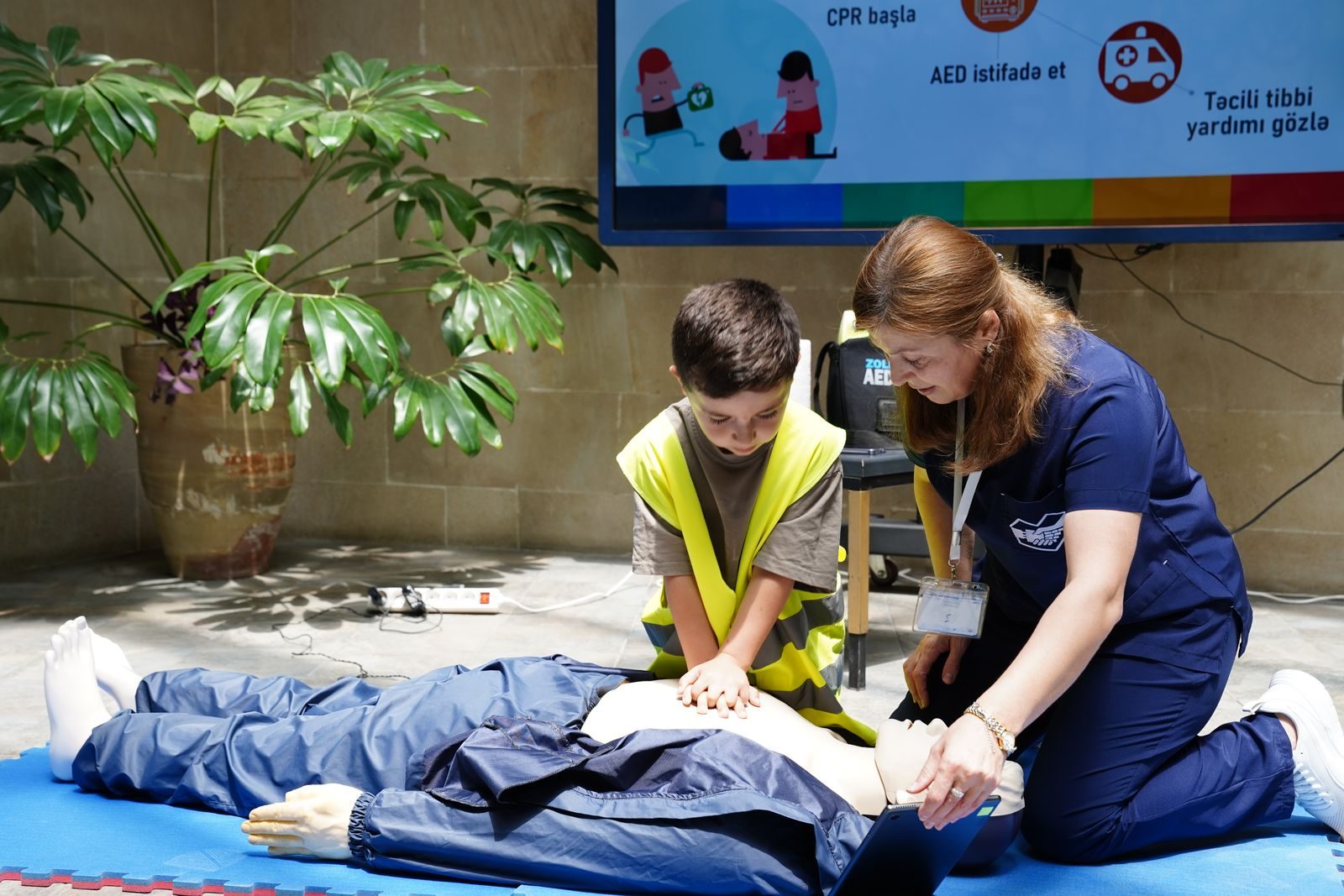
- Emergency response is also part of the picture. Not every cardiac arrest can be prevented, so communities need strong emergency plans too. That means bystanders knowing CPR and having defibrillators (AEDs) ready in schools, gyms and public places. For example, teaching more people CPR and installing AEDs in every school can dramatically improve survival rates if someone’s heart does stop. These steps won’t replace screening — after all, the best outcome is when a cardiac arrest never happens — but they can save lives when a quick rescue is needed. References Erickson CC, Salerno JC, Berger S, et al. Sudden Death in the Young: Information for the Primary Care Provider. Pediatrics. 2021. View source Centers for Disease Control and Prevention. About Cardiac Arrest. CDC. 2024. View source Kannankeril PJ, Shoemaker MB, Fountain D, et al. Family Screening After Sudden Death in a Population-Based Study of Children. Pediatrics. 2022. View source Kim YG, Oh SK, Choi HY, Choi JI. Inherited arrhythmia syndrome predisposing to sudden cardiac death. Korean Journal of Internal Medicine. 2021. View source
One story a day
The story of the day, in your inbox
One health journey each morning — no advice, no alarm, just company for the road.