Neurovalens CEO Outlines Noninvasive Neuromodulation Plans
Noninvasive neuromodulation is moving out of the research niche into practical care pathways, and Neurovalens is trying to
 Written and medically reviewed byDr. Abu BakarContributing writer · PharmD, PhD (Pharmacology)
June 20, 2026 · 9 min read
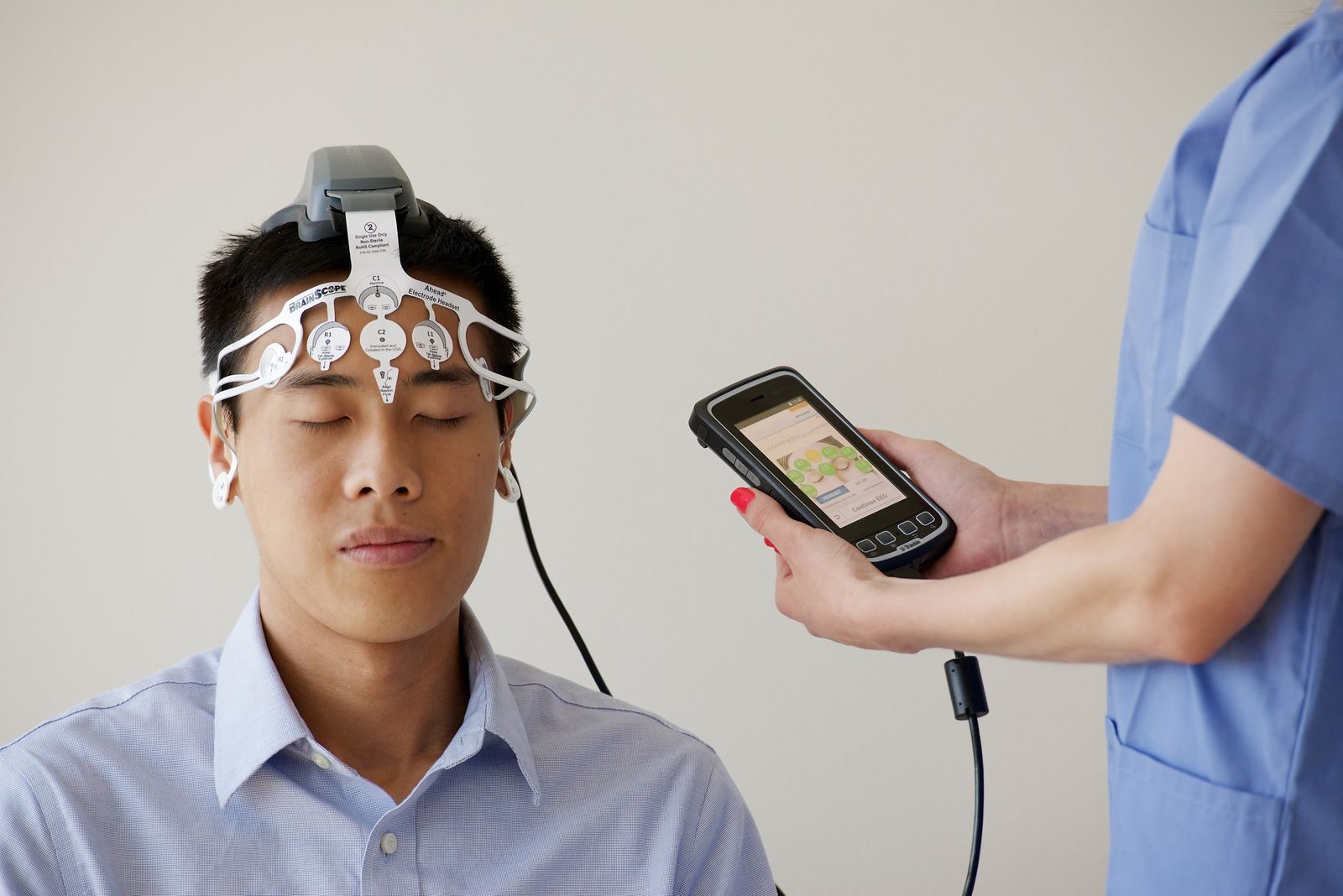
Noninvasive neuromodulation is moving out of the research niche into practical care pathways, and Neurovalens is trying to be one of the companies that proves it can work at scale. The Belfast based company’s Modius platform uses gentle electrical vestibular stimulation delivered through the skin behind the ear, with the goal of influencing brain and brainstem networks involved in sleep, stress, mood and metabolism. Its platform now spans four FDA authorized indications in adults: Modius Sleep for chronic insomnia, Modius Calm for symptoms of generalized anxiety disorder, Modius Lean to support weight management alongside diet and exercise and Modius Spero for symptoms associated with post-traumatic stress disorder as part of a clinician directed treatment plan.
Why It Matters
For decades, treatment choices for many brain related conditions have largely sat at two ends of a spectrum. On one side are medicines, which can be accessible and familiar but may affect the whole body rather than a narrow circuit. Implantable treatments, on the other hand, may prove effective and targeted; however, they present procedural risks, specialist involvement, and increased costs. The attraction of non invasive neuromodulation is that it attempts to hit the sweet spot between targeted therapies and the ease of use not invasive and, in some cases, even home based. From reviews of the field, there seems to be genuine promise in its use, although there is significant variability in the quality of the evidence supporting this. That middle ground is exactly where Neurovalens is positioning Modius. McKeown has described the platform as a way to restore function rather than simply mute symptoms, using different waveforms for different conditions. The company’s devices are designed for home use, and Neurovalens says treatment typically takes about 30 minutes a day while people do ordinary activities such as reading or watching TV. That matters because convenience is not a side issue in chronic care. If a therapy is hard to schedule, tied to a specialty center, or burdensome to repeat, real-world adherence usually suffers. A wearable device only has a chance to become routine if it is both clinically meaningful and workable in daily life. The clinical appeal is easy to understand, especially in conditions where first line care does not help everyone. Chronic insomnia is usually managed with behavioral treatment, and professional guidance strongly supports behavioral and psychological therapies, especially cognitive behavioral therapy for insomnia. PTSD care also remains anchored in structured, evidence based clinical treatment, and Neurovalens’ PTSD device is authorized only for use alongside a comprehensive treatment plan under the direction of a healthcare professional. So the strongest argument for this technology is not that it replaces standard care. It is that it may give clinicians and patients another option when symptoms persist, medication is poorly tolerated, or access to specialty treatment is limited. Evidence remains where enthusiasm meets reality. In 2023, a meta-analysis found cranial electrical stimulation effective for anxiety symptoms and also useful in cases of depression and insomnia among individuals who primarily had anxiety issues. In another meta analysis in 2022, there was a moderate benefit for anxiety symptoms with an acceptable level of tolerance. The evidence reviews, however, remain explicit on the limitations. According to NICE, the treatment option of Alpha-Stim AID, another form of cranial electrotherapy, demonstrates some potential in the treatment of anxiety disorders; however, it lacks adequate evidence to justify the application of such treatment on a regular basis, with long-term effects unknown and lack of evidence from head-to-head comparison against conventional treatment options. According to FDA, the durability of effects for Modius Calm after four weeks cannot be confirmed. With PTSD, a network meta-analysis in 2024 demonstrated that several non-invasive neuromodulation interventions may help to alleviate anxiety symptoms but sustainably effective results are lacking. The need for better options is not small. Recent evidence reviews estimate that sleep disturbances affect roughly 10% to 30% of adults worldwide. Anxiety disorders remain the most common mental disorders globally, with hundreds of millions of people affected. In the United States, adult obesity prevalence remained about 40.3% in the most recent national figures cited by federal public health sources. WHO estimates that about 3.9% of the world’s population will experience PTSD at some point in life. Those numbers help explain why device makers are chasing home-based, scalable tools. The categories are large, the unmet need is real, and even modest improvements could matter if they are repeatable and affordable.
Who It Affects
Patients are the first group to feel the impact. Adults living with chronic insomnia, anxiety symptoms, weight-related health challenges, or PTSD often want more than one treatment path. Some do well with medication. Some do not. Some stop because of side effects, cost, stigma, or incomplete relief. Others want a non-drug approach they can use at home and fit around family or work. A prescription device that does not require surgery and can be used in short daily sessions is naturally attractive in that setting, especially when it is framed as an addition to care rather than an all-or-nothing replacement for existing treatment. Clinicians are the next group, and their role is bigger than simply writing a prescription. These devices are indicated for adults and are meant to be used under clinical oversight, which means patient selection, explanation, follow-up, and monitoring all matter. For PTSD, the FDA authorization ties use directly to a comprehensive treatment plan under healthcare professional direction. NICE also emphasized that home-use electrotherapy requires clear support so people use it correctly. That makes adoption a workflow question as much as a science question. Primary care clinicians, sleep specialists, mental health prescribers, and behavioral health teams will ask practical questions: Who is most likely to benefit? What do we do if it helps only a little? How do we track response? When do we stop? Those questions decide whether a device becomes part of normal care or stays a specialist curiosity. Health systems and payers are just as important. McKeown has been explicit that reimbursement is central to Neurovalens’ U.S. strategy. He told MassDevice that the company already has reimbursement through the VA system and is awaiting a Medicare coverage decision expected in January 2027. That is a meaningful foothold, but it is not the same as broad routine coverage. The wider payer environment for cranial electrotherapy and related stimulation technologies is still cautious. Several commercial insurer policy documents continue to describe parts of this category as investigational or supported by insufficient evidence for routine coverage across indications such as anxiety, insomnia, or weight loss. That does not settle the fate of Modius, but it does show why reimbursement remains a major hurdle even after regulatory milestones. The company itself is also affected because its next phase is operational, not just scientific. Neurovalens began from work linked to California research but chose Belfast as its base, citing the region’s talent, grant support, and manufacturing capabilities. McKeown has also said the commercial market is the United States, which means the company now has to balance product development, manufacturing, distribution, clinician education, regulatory expansion, and after-sales support across two very different healthcare environments. That is the kind of challenge that often determines whether a platform stays promising or becomes durable.
What Changes
The most immediate change is that neuromodulation starts to look less like a last-resort specialist intervention and more like an outpatient or at-home option. Modius Sleep, Modius Calm, Modius Lean, and Modius Spero are all designed around home use in adults, and the company’s messaging centers on short daily sessions that can happen during normal life. That practical design matters because it lowers the threshold for trying neuromodulation earlier in care, at least in selected patients, before someone has exhausted every other option or is referred for a more invasive treatment.
That could shift the care pathway, but not by wiping out standard treatment. For insomnia, behavioral therapy still has the strongest guideline support. For PTSD, structured clinical care remains essential, and the FDA specifically positioned Modius Spero as part of broader treatment rather than a stand-alone replacement. The most realistic near-term change is integration, not disruption. Devices like these may be offered alongside sleep therapy, psychotherapy, medication management, or lifestyle treatment, especially for adults who prefer a non-drug approach or need an additional option. That is a more credible and more clinically useful vision than claiming a device can solve these conditions on its own.
The next change is that evidence generation becomes part of commercialization. Neurovalens has approval to run a depression trial and has signaled continuing interest in metabolic disease, including type 2 diabetes. That broad ambition makes strategic sense because platforms become more valuable when one hardware concept can support multiple indications through different waveforms or programs. But each new indication also carries its own evidence burden. Weight management already required a separate de novo pathway, and the PTSD indication created a new device classification for PTSD-associated symptoms. Expansion will likely happen one indication at a time, with regulators, clinicians, and payers each asking slightly different questions for each claim.
Clinical workflows will also have to adapt. Home-use devices sound simple, but routine use still requires a clean pathway for training, follow-up, and adherence. NICE noted that support is essential to make sure people use this type of technology correctly at home. The FDA summary for the anxiety device also notes that some users may experience a response that could affect their ability to perform potentially hazardous tasks for several hours after treatment, even though significant lasting side effects were not reported in the summary. That means clinics will need standard counseling, screening, and monitoring processes if these tools are prescribed more widely. Without that infrastructure, even a useful device can create friction rather than relief.
Access will increasingly depend on whether the economics line up with the clinical story. Regulatory clearance or authorization can establish that a device may be marketed for a given use, but it does not guarantee payment, and it does not resolve clinician skepticism about durability. Neurovalens has one clear route through the VA and is waiting on Medicare. Broader adoption will likely hinge on whether the company can show not just symptom improvement, but meaningful real-world value: fewer treatment dropouts, less medication burden for some patients, better function, and benefits that persist beyond an initial treatment window. That is usually what turns an interesting device into something health systems are willing to build around.
In short, non-invasive neuromodulation is not an outlier technology anymore, but it is definitely not a mainstream therapeutic approach yet. Neurovalens has distinguished itself from its competitors through developing a product with several FDA-cleared or FDA-authorized indications and a consumer-oriented platform that definitely meets today’s needs. However, the three key challenges, which have not been altered much, include: clinician buy-in, insurance coverage, and lasting clinical results. In case the company will be able to overcome all of them successfully, the Modius technology could become another option for treating one of the most prevalent diseases in sleep medicine, psychology, and metabolism management. Otherwise, it will remain a breakthrough technology that never reaches the point of clinical implementation.
References
- U.S. Food and Drug Administration. 510(k) Premarket Notification: Modius Sleep (K230826). Food and Drug Administration. 2023. Direct URL: https://www.accessdata.fda.gov/scripts/cdrh/cfdocs/cfPMN/pmn.cfm?ID=K230826
- U.S. Food and Drug Administration. Device Classification Under Section 513(f)(2) (De Novo): Modius Lean (DEN240076). Food and Drug Administration. 2025. Direct URL: https://www.accessdata.fda.gov/cdrh\_docs/pdf24/DEN240076.pdf
- U.S. Food and Drug Administration. Device Classification Under Section 513(f)(2) (De Novo): Modius Spero (DEN250013). Food and Drug Administration. 2026. Direct URL: https://www.accessdata.fda.gov/cdrh\_docs/pdf25/DEN250013.pdf
One story a day
The story of the day, in your inbox
One health journey each morning — no advice, no alarm, just company for the road.