Philips Launches Alturion Ultrasound System With AI Workflows
Philips’ new Alturion ultrasound system arrives as hospitals and clinics struggle with crowded imaging schedules and persistent staffing
 Written and medically reviewed byRayan SalihContributing writer · PharmD, RPh
July 16, 2026 · 8 min read
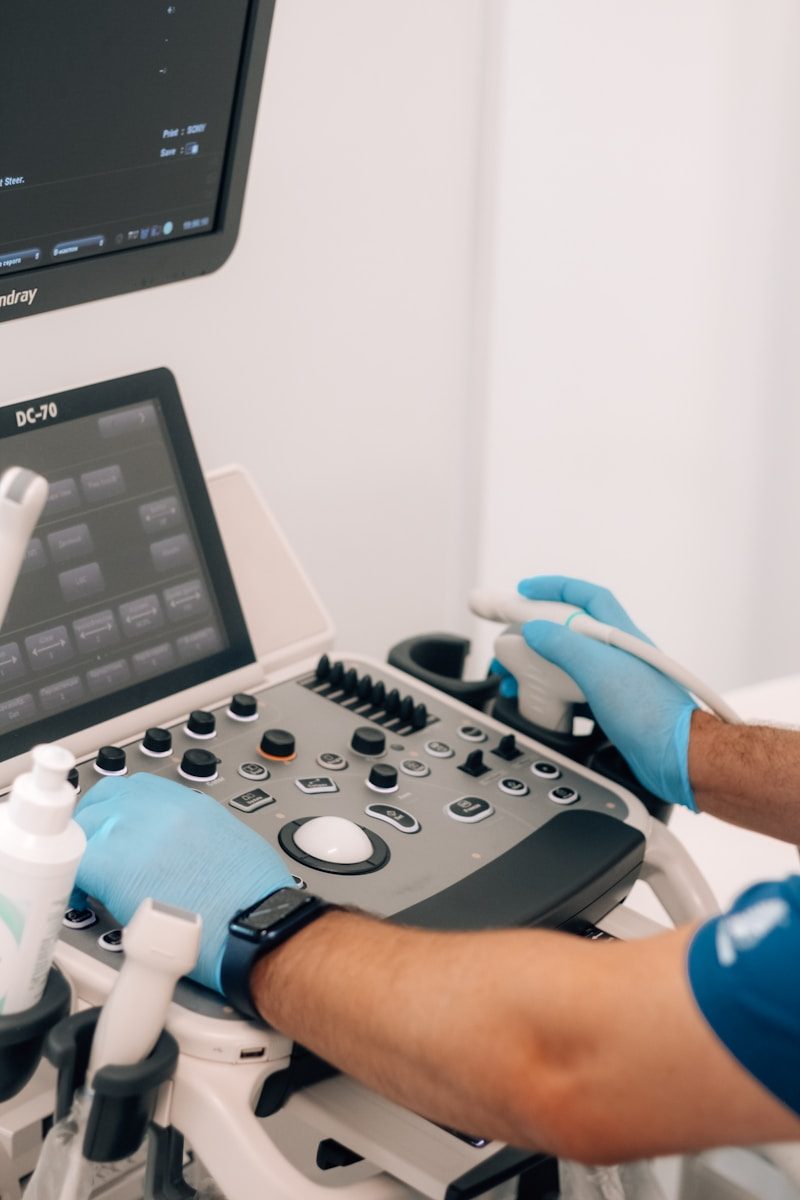
Philips’ new Alturion ultrasound system arrives as hospitals and clinics struggle with crowded imaging schedules and persistent staffing shortages. The Alturion ultrasound system layers advanced imaging hardware with AI-driven workflows that promise faster exams and more consistent results, made for settings where speed and throughput matter most.
Innovating a traditional clinical workhorse
Medical imaging departments are operating in a state of perpetual acceleration. Healthcare institutions are grappling with unprecedented patient volumes, rising diagnostic operational complexities, and severe shortages of specialized staff.Within this high-pressure environment, general ultrasound remains a primary clinical workhorse, yet it is traditionally plagued by manual bottlenecks, physical positioning constraints, and inter-operator variability.
A major shift in how we address these structural challenges has arrived. Royal Philips has officially announced the global commercial launch of the Alturion ultrasound system, engineered natively for high-volume clinical settings.Having secured both U.S. Food and Drug Administration (FDA) 510(k) clearance and European CE mark certification, this platform represents a fundamental evolution in how medical institutions deploy diagnostic ultrasound.
By merging an advanced processing architecture with artificial intelligence-driven automation and fleet-wide hardware integration, the Alturion framework establishes a new paradigm for day-to-day clinical operations.
Why It Matters
The ultrasound is one of the workhorse diagnostic tools in modern medicine. It is used at the bedside in emergency departments, in bustling obstetrics clinics, in cardiology suites, and across outpatient imaging centers. When volumes spike, even small time savings per exam add up to meaningful differences in wait times, patient flow, and clinician fatigue. A system that truly speeds up routine exams while maintaining reliable results would be a practical win.
That is the pitch behind machines like Alturion. By combining faster processors, a large display, and software that automates repetitive steps, vendors aim to reduce the manual juggling sonographers and clinicians face. For health systems, the promise is twofold. First, higher throughput means more patients seen per shift without necessarily hiring more staff. Second, greater consistency among users could reduce repeat scans and downstream delays, both of which are expensive and frustrating for patients and clinicians alike.
Overcoming Operator Variance and Scan Fatigue
Abdominal and general ultrasound imaging have long faced a fundamental vulnerability: they are highly operator-dependent.Manually locating anatomical borders, adjusting imaging planes, and placing physical calipers dozens of times per exam introduce an inherent margin of error.A scan performed by a veteran sonographer in the morning can yield different metric nuances than one captured by an exhausted clinician at the end of a chaotic shift, leading to documentation inconsistencies and occasional repeat scans.Furthermore, the physical repetition of manual manipulation remains a leading driver of sonographer fatigue and repetitive strain injuries.
The introduction of the Alturion platform is significant because it directly addresses this operational variance by integrating the Elevate Plus software suite.Elevate Plus injects artificial intelligence directly into standard abdominal protocols.Tools like Auto Measure Abdomen automatically identify organ boundaries and anatomies, placing digital calipers with minimal manual user input.
Crucially, these automated measurements deliver an accuracy profile of over 93% when compared to manual calculations performed by expert clinical specialists. By embedding baseline automation into standard scanning, health systems can systematically eliminate outlier metrics, dramatically mitigate sonographers’ physical strain, and give clinicians the diagnostic confidence needed to make swift, definitive decisions on the first pass.
Trade-Offs
But AI in imaging raises familiar trade-offs. Automated measurements and workflow suggestions can free clinicians to focus on interpretation and patient communication. They can also create new risks if teams treat algorithmic outputs as final rather than as one input among many. The real test is whether these systems improve patient outcomes in everyday practice, not just whether they reduce keystrokes in a demo. That requires careful integration, training, monitoring, and realistic expectations about what automation can and cannot do.
Who It Affects
A Multi-Tiered Impact Across Health Systems
The downstream effects of a smart, fleet-connected imaging platform extend far beyond the radiology reading room. The deployment of the Alturion system creates positive operational ripple effects across multiple tiers of the modern hospital ecosystem:
- Sonographers and Radiologic Technologists
- Radiologists, cardiologists, and other interpreting physicians
- Department Chairs and Clinical Operations Leaders
- Procurement Teams and Hospital Executives
- Health system leaders and payers
- Patients
Sonographers and Radiologic Technologists
First and most directly, sonographers and clinicians who perform scans will see the day-to-day impact. In high-volume settings—emergency departments, labor and delivery, vascular labs, and outpatient clinics—streamlined workflows can reduce exam time and administrative burden. That may reduce stress, cut overtime, and allow experienced staff to allocate time to more complex cases. But it also means departments must invest in training to ensure users understand when to trust the machine and when to question it.
Radiologists, cardiologists, and other interpreting physicians
Radiologists, cardiologists, and other interpreting physicians will be affected too. If an ultrasound system produces more consistent measurements, downstream reporting may be more standardized. That helps quality assurance and makes serial comparisons easier. At the same time, clinicians will need to remain alert to artifacts, edge cases, and population differences where AI models might perform less well. The responsibility to make the final clinical judgment does not disappear when measurements are automated.
Department Chairs and Clinical Operations Leaders
Managing a diverse multi-department workforce means constantly navigating the challenges of staff onboarding, operational onboarding, and clinical standardization. Because Alturion integrates seamlessly into the broader Philips connected ecosystem—sharing an identical user interface layout and using interchangeable transducers compatible with existing flagship platforms such as the EPIQ Elite and Affiniti—training models are significantly simplified. Technicians can fluidly float between devices, vastly reducing internal onboarding friction.
Health system leaders and payers
Health system leaders and payers also have a stake. Capital purchasing decisions hinge on more than technical specs. CFOs weigh purchase price, maintenance costs, transducer compatibility, and expected gains in throughput. Insurers and health systems will watch whether these tools reduce downstream costs—for example, by reducing repeat imaging, shortening hospital stays, or preventing missed diagnoses. If such benefits are proven in real-world use, reimbursement pathways and procurement strategies could shift in favor of AI-enabled platforms.
Procurement Teams and Hospital Executives
Capital equipment lifespans are under constant financial scrutiny. The Alturion architecture is explicitly designed around a modular, upgradeable hardware-and-software path. Instead of forcing a full system replacement every few years to keep pace with clinical advancements, health networks can push remote software updates and security enhancements over the air, reducing the long-term total cost of ownership.
Patients
Finally, patients stand to gain from shorter wait times and faster decisions. Ultimately, the individual on the exam table experiences a shorter, more streamlined diagnostic encounter, with an optimized turnaround time and a reduced need for stressful, costly repeat scanning appointments. But they could also be harmed by overreliance on automated outputs. Transparent communication about how AI features are used during an exam will matter. Patients want to know their care still involves human oversight, not just a machine-generated number on a screen.
What Changes
- Faster, more consistent exams. Expect shorter scan times in busy clinics due to automation of routine steps and more standardized measurement protocols.
- Easier workflow integration. Interchangeable transducers and a shared user interface across devices can simplify training and inventory management for departments using multiple Philips systems.
- New training and governance needs. Clinical teams will need formal training on how the AI features work, when to override them, and how to document their use for quality assurance and medicolegal transparency.
- Purchasing and IT considerations. Budget officers and IT teams will evaluate the total cost of ownership. Integration with electronic health records, cybersecurity, and data governance will serve as practical gatekeepers for adoption.
The Tech-Driven Metamorphosis of Everyday Imaging
The deployment of AI-integrated hardware alters the physical and technical baseline of daily ultrasound workflows through several key advancements:
Advanced Visualization and Dynamic Processing
The underlying hardware platform is built on a high-throughput processing architecture optimized for deep pixel rendering and real-time automation. Technologies like XRes Pro+ enhance image detail by sharpening tissue boundaries and cleaning artifact noise, ensuring crisp spatial resolution across highly varied patient body habits and high-BMI scenarios. Concurrently, advanced processing micro-modes like Super Res MVI Pro significantly improve visualization of slow, low-velocity microvascular blood flow characteristics, granting teams immediate insight into complex lesion perfusion without requiring specialized contrast agents.
Ergonomic Mobiles and Fleet Scalability
The physical layout of the cart has been dramatically re-engineered for cross-departmental utility. Featuring a space-saving compact footprint and an expansive 24-inch high-definition monitor, the system can be moved effortlessly from crowded radiology suites directly to tight emergency department bedsides or intensive care units. The control panel rotates 180 degrees from center, offering infinite slide configurations to accommodate dynamic bed layouts.
Decentralized Expertise via Tele-Ultrasound
Modern clinical practice often requires immediate secondary consultation, which can be difficult in decentralized settings or rural satellite locations. The system answers this by offering full compatibility with Collaboration Live, an integrated tele-ultrasound platform. This tool allows an on-site sonographer to securely share live 2D imaging data, stream audio, and hand over control panel parameters to a remote clinical expert or off-site radiologist in real time. This capability effectively decentralizes specialized expertise, bringing advanced tertiary-level diagnostic training and consultation straight to the point of care.
Embracing the Standardized Future
The integration of artificial intelligence into radiology should not be viewed as a replacement for human clinical acumen, but rather as an essential mechanism to eliminate unnecessary cognitive and physical overhead. By removing the mundane, repetitive elements of caliper tracking and image optimization, platforms like the Alturion empower sonographers to return to what matters most: focusing directly on patient care and diagnostic synthesis. For modern clinical networks facing high patient volumes and limited bandwidth, adopting these highly connected, automated workflows is a crucial operational step forward.
References
- Royal Philips. Philips introduces Alturion ultrasound system with AI-powered workflows for high-volume clinical environments. July 8, 2026. Accessed July 13, 2026. https://www.philips.com/a-w/about/news/archive/standard/news/press/2026/philips-introduces-alturion-ultrasound-system-with-ai-powered-workflows-for-high-volume-clinical-environments.html
- Royal Philips. Philips receives FDA 510(k) clearance for Elevate Plus for EPIQ Elite and Affiniti, delivering AI advancements in general imaging ultrasound. May 28, 2026. Accessed July 13, 2026. https://www.philips.com/a-w/about/news/archive/standard/news/press/2026/philips-receives-fda-510k-clearance-for-elevate-plus-for-epiq-elite-and-affiniti-delivering-ai-advancements-in-general-imaging-ultrasound.html
- MassDevice. Philips launches Alturion ultrasound AI workflows. July 2026. Accessed July 13, 2026. https://www.massdevice.com/philips-launches-alturion-ultrasound-ai-workflows/
- Diagnostic Imaging. FDA clears AI-enabled ultrasound for high-volume clinical settings. July 2026. Accessed July 13, 2026. https://www.diagnosticimaging.com/view/fda-clears-ai-enabled-ultrasound-for-high-volume-clinical-settings
- Philips Healthcare. Smarter scans: AI-enabled ultrasound. 2026. Accessed July 13, 2026. https://www.usa.philips.com/healthcare/clp/aw/smarter-scans-ai-enabled-ultrasound
One story a day
The story of the day, in your inbox
One health journey each morning — no advice, no alarm, just company for the road.